Are Alfa Romeo Giulia Models Actually Very Reliable
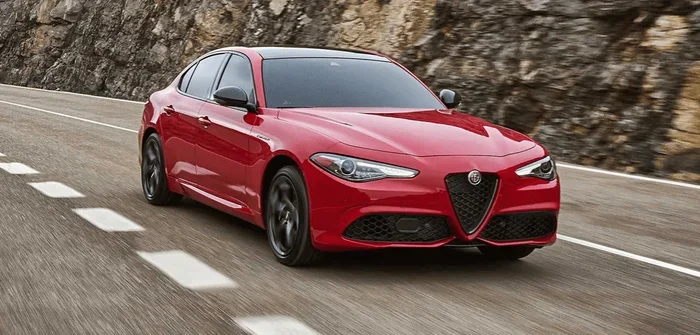
Are Alfa Romeo Giulia models actually very reliable? The answer is more nuanced than a simple yes or no. The Giulia earns praise for its stunning Italian design, powerful engines, and engaging driving dynamics, but it also carries a reputation for expensive repairs and some common mechanical issues. Consumer Reports and owner surveys show that newer model years have made significant strides in Alfa Romeo Giulia reliability. Understanding the Giulia’s known weak spots and staying on top of maintenance can make all the difference. This guide covers everything you need to know about Giulia reliability, from engine concerns to ownership costs.
Are Alfa Romeo Giulia models actually very reliable? This is a question every potential buyer asks before signing on the dotted line. The Giulia is one of the most beautiful sedans on the road. Its sleek Italian styling turns heads everywhere it goes. But beauty alone does not make a car a smart buy. Reliability matters just as much as looks and horsepower. In this deep dive, we explore every angle of Alfa Romeo Giulia reliability. You will learn about common problems, which model years to trust, and how the Giulia stacks up against rivals. By the end, you will know exactly what to expect if you bring a Giulia into your life.
Many car shoppers fall in love with the Giulia’s sporty handling and throaty engine. The car feels special the moment you turn the key. That emotional connection is real and powerful. However, reliability reviews tell a different story. The Giulia has a mixed track record when it comes to long-term dependability. Some years are much better than others. Electrical gremlins, turbo failures, and transmission complaints pop up across model years. But do not panic just yet. With the right knowledge and a solid maintenance plan, you can own a Giulia and enjoy it for years. Let us dig into the details.
Key Takeaways
- Giulia reliability has improved in recent years: Newer model years (2020+) address many earlier complaints and show stronger reliability scores.
- Common Giulia problems include electrical gremlins, turbo failures, and transmission issues: Knowing these helps you stay ahead of costly repairs.
- Maintenance costs are higher than average: Alfa Romeo parts and labor run more than mainstream brands, so budgeting matters.
- Certain model years are more dependable than others: The 2018 and 2022+ model years stand out as the best choices for reliability.
- Regular oil changes and timely inspections prevent major breakdowns: Diligent owners report far fewer Giulia problems.
- The Giulia competes well on driving feel but lags on long-term dependability: It is a passion car that rewards attentive ownership.
- Consumer Reports rates the Giulia below average for reliability: But owner satisfaction remains high thanks to its exciting driving experience.
📑 Table of Contents
- Understanding Alfa Romeo Giulia Reliability
- Common Alfa Romeo Giulia Problems to Watch For
- Giulia Maintenance Costs and Ownership Expenses
- Giulia Model Years: Which Ones Are Most Reliable
- Expert Tips for Keeping Your Giulia Reliable
- Giulia vs. Other Luxury Sedans: Reliability Comparison
- Giulia Ownership: Is It Worth It Despite the Reliability Concerns
Understanding Alfa Romeo Giulia Reliability
When we talk about Alfa Romeo Giulia reliability, we need to look at multiple sources. Consumer Reports, J.D. Power, and real-world owner surveys all provide valuable data. Each source has its own scoring method and focus areas. Consumer Reports relies heavily on owner surveys about problems encountered in the past 12 months. J.D. Power looks at initial quality and long-term dependability separately. Together, these give us a full picture of what the Giulia is like to own.
What the Reliability Ratings Say
Consumer Reports gives the Alfa Romeo Giulia below-average reliability scores. The overall rating typically lands in the bottom half of the luxury sedan class. This is a notable gap compared to brands like Lexus or Genesis. However, the Giulia’s predicted reliability has improved in recent model years. The 2022 and 2023 versions show meaningful progress. J.D. Power initial quality scores are actually decent for the Giulia. Problems tend to appear more as the car ages. This pattern is common among Italian luxury brands. The early years are usually smooth. The later years demand more attention.
Why Giulia Reliability Gets a Bad Rap
Alfa Romeo has a storied history of passionate but sometimes finicky cars. The brand prioritizes driving excitement over bulletproof engineering. This philosophy shows in the Giulia’s design choices. The car uses complex systems that deliver thrilling performance. But complexity often means more things can go wrong. Electrical sensors, turbo components, and electronic modules all add potential failure points. This does not mean the Giulia is a nightmare to own. It simply means owners need to be more proactive than with a Toyota or Honda. Understanding this tradeoff is the first step toward a positive ownership experience.
Common Alfa Romeo Giulia Problems to Watch For
Every car has its quirks. The Giulia is no exception. Knowing the most frequent Giulia common issues helps you spot trouble early. Early detection saves money and prevents breakdowns on the road. Here are the problems that Giulia owners report most often.
Electrical and Sensor Issues
Electrical gremlins top the list of Giulia complaints. Owners report flickering dashboard lights and random warning messages. The infotainment system occasionally freezes or reboots unexpectedly. Sensor failures can trigger false alerts for things like low tire pressure or engine problems. These issues are annoying but rarely dangerous. They do, however, lead to expensive dealer visits. The electrical system complexity in modern luxury cars makes these problems harder to diagnose than in older vehicles.
Turbo Engine Concerns
The Giulia’s turbocharged engines are its beating heart. They deliver thrilling power and torque. But turbo engines have more components that can fail than naturally aspirated ones. Some owners experience turbo wastegate rattle, especially in colder weather. More serious turbo failures have been reported in higher-mileage Giulia models. Oil leaks around the turbo seals are another recurring complaint. Regular oil changes with the correct spec oil go a long way toward preventing these issues. Using synthetic oil and changing it every 5,000 to 7,500 miles keeps the turbo healthy.
Transmission and Drivetrain Complaints
The Giulia offers either an eight-speed automatic or a six-speed manual transmission. The automatic is the more popular choice. Some owners report rough or jerky shifts, particularly at low speeds. The transmission software has received updates through recalls and dealer visits. Clutch issues affect manual Giulia models over time. The all-wheel-drive system, available on higher trims, adds complexity. AWD components like transfer cases and differentials need regular fluid changes. Skipping these services leads to premature wear and expensive repairs down the road.
Brake and Suspension Wear
The Giulia is a performance-oriented sedan. That means its brakes and suspension work hard. Brake pads and rotors wear faster than in luxury rivals like the BMW 3 Series. This is partly due to the car’s sporty tuning and heavier brake components. Suspension parts like control arms and shock absorbers also degrade more quickly. Owners who drive aggressively or on rough roads notice this even more. Budgeting for brake service every 30,000 to 40,000 miles is wise. Replacing suspension components on schedule prevents cascading damage to other parts.
Rust and Body Corrosion
Some Giulia owners have reported rust issues, particularly on the undercarriage. This seems more common in regions that use road salt during winter. The front subframe and rear suspension mounting points are vulnerable areas. Regular washing of the undercarriage during winter months helps prevent corrosion. Applying an undercoating or rust inhibitor is a smart preventive step. These simple measures can significantly extend the body’s lifespan and protect your investment.
Giulia Maintenance Costs and Ownership Expenses
One of the biggest factors in Alfa Romeo Giulia reliability is how well you maintain the car. Maintenance costs for the Giulia are higher than for mainstream brands. But they are reasonable for a luxury European sedan. Understanding what to expect financially helps you plan ahead and avoid surprises.
Routine Maintenance Costs
An oil change for the Giulia typically costs between $150 and $250 at a dealer. Independent shops can do it for less, often around $100 to $180. The Giulia requires synthetic oil, which costs more than conventional options. Brake service runs $300 to $500 per axle depending on the pad and rotor choice. Tire replacements are pricier because the Giulia often comes with performance tires. A full set can cost $800 to $1,200. Timing belt service, if applicable to your model year, runs $800 to $1,500 at a dealer. These are not cheap, but they are manageable with proper budgeting.
Major Repair Costs to Expect
Major repairs on the Giulia can be costly. A turbo replacement ranges from $3,000 to $5,500 including labor. Transmission rebuilds or replacements cost $4,000 to $7,000. Electrical system repairs vary widely but often exceed $1,000 for diagnostic work and parts. These numbers are higher than comparable repairs on a BMW or Mercedes-Benz. The reason is partly parts availability and partly dealer labor rates. Alfa Romeo parts are more expensive than mainstream brands. Specialized tools and training for Italian cars also add to the cost.
How to Reduce Ownership Costs
Staying on top of scheduled maintenance is the single best way to reduce long-term costs. Skipping oil changes or ignoring warning lights leads to cascading failures. Finding a qualified independent shop that specializes in Italian cars saves significant money over the dealer. Many independent shops have the same diagnostic tools and expertise for a fraction of the labor rate. Using OEM-quality parts instead of aftermarket alternatives ensures proper fit and function. Extended warranties or prepaid maintenance plans can also provide peace of mind for new Giulia buyers.
Giulia Model Years: Which Ones Are Most Reliable
Not all Giulia model years are created equal. Some generations and years have far fewer problems than others. If you are shopping for a used Giulia, choosing the right model year is critical. Here is a breakdown of what to look for.
Best Model Years for Reliability
The 2018 Alfa Romeo Giulia is widely considered one of the most improved model years. Alfa Romeo addressed many early production issues by this point. The 2022 and newer Giulia models benefit from updated software and refined components. These years show the best Giulia reliability rating across all major sources. Buyers looking for a used Giulia should prioritize these years whenever possible. They offer the best balance of performance and dependability.
Model Years to Approach With Caution
The 2017 Giulia, the first year of the current generation, had the most reported issues. Early production teething problems affected various systems. The 2017 model saw several recalls related to the transmission and electrical components. The 2019 and 2020 model years also had above-average complaint rates. While not all cars from these years are problematic, the risk is higher. If you are considering a Giulia from these years, a thorough pre-purchase inspection is essential. A mechanic familiar with Alfa Romeo can identify hidden issues before you buy.
The 2024 and Newer Giulia Models
The latest Giulia models continue Alfa Romeo’s reliability improvements. Updated engine calibration and refined transmission software address many previous complaints. Newer safety features and driver-assist technology add complexity but also improve the overall ownership experience. If you are buying new, the current generation Giulia represents the best opportunity for long-term reliability. Keep in mind that long-term data for these very recent models is still limited.
Expert Tips for Keeping Your Giulia Reliable
Owning a Giulia successfully comes down to how you care for it. Diligent owners enjoy far fewer problems and lower repair bills over time. Here are proven tips from experienced Giulia owners and mechanics.
Follow the Maintenance Schedule Strictly
Alfa Romeo’s maintenance schedule is not optional. It is a roadmap for keeping the car healthy. Oil changes every 5,000 to 7,500 miles are the foundation. Coolant flushes, transmission fluid changes, and brake fluid replacements all have specific intervals. Following this schedule prevents the small issues from becoming big ones. Set reminders on your phone or keep a maintenance log in the glovebox.
Use the Right Fluids and Parts
The Giulia requires specific fluids and parts designed for its systems. Using generic or incorrect oil can damage the turbo and engine. Wrong brake fluid can corrode internal brake system components. Always use OEM or equivalent quality parts. The small upfront savings from cheaper parts often lead to much larger repair bills later. This is especially true for electrical components and engine seals.
Address Warning Lights Immediately
Modern cars are designed to warn you about problems early. The Giulia is no different. If a warning light appears on the dashboard, do not ignore it. Even if the car seems to drive fine, the underlying issue may be developing. A check engine light could signal anything from a loose gas cap to a failing catalytic converter. Getting it diagnosed promptly prevents minor issues from escalating into major repairs.
Find a Specialist Shop
General mechanics are fine for oil changes and basic services. But for anything beyond routine maintenance, find a shop that knows Alfa Romeo. These specialists have the training, experience, and diagnostic equipment specific to Italian cars. They also often have access to technical service bulletins and recall information that general shops might miss. Building a relationship with a trusted Alfa Romeo specialist pays dividends over the life of the car.
Drive with Care
The Giulia rewards gentle driving in many ways. Aggressive acceleration and hard braking wear out brakes, tires, and drivetrain components faster. Short trips where the engine does not fully warm up can cause moisture buildup and oil contamination. If you can, take the Giulia on longer drives where the engine reaches full operating temperature. This burns off accumulated moisture and keeps all systems running optimally.
Giulia vs. Other Luxury Sedans: Reliability Comparison
How does the Giulia compare to its rivals in terms of Alfa Romeo Giulia reliability? Let us put it side by side with some popular competitors. This comparison helps you understand where the Giulia stands in the luxury sedan landscape.
| Model | Consumer Reports Reliability | Avg. Annual Maintenance Cost | Common Issues |
|---|---|---|---|
| Alfa Romeo Giulia | Below Average | $900 – $1,200 | Electrical, turbo, transmission |
| BMW 3 Series | Average | $900 – $1,100 | Oil leaks, cooling system, electronics |
| Mercedes-Benz C-Class | Average | $950 – $1,300 | Air suspension, electrical, turbo |
| Audi A4 | Average | $850 – $1,100 | Oil consumption, timing belt, electronics |
| Lexus IS | Above Average | $600 – $800 | Minimal; basic wear items |
| Genesis G70 | Above Average | $700 – $900 | Minimal; strong warranty coverage |
The table makes one thing clear. The Giulia ranks below its German rivals in reliability and above Lexus and Genesis in driving excitement. If reliability is your top priority, the Lexus IS or Genesis G70 are stronger choices. If you value Italian passion and driving engagement, the Giulia delivers in spades. The key is knowing what you are signing up for and planning accordingly.
Giulia Ownership: Is It Worth It Despite the Reliability Concerns
This is the question every potential Giulia buyer must answer honestly. Are Alfa Romeo Giulia models actually very reliable? The honest answer is: it depends on your expectations and commitment level. If you want a car that starts every morning without a thought and rarely visits the shop, the Giulia is not the ideal choice. If you want a car that makes you smile every time you get behind the wheel and you are willing to invest time and money in its care, the Giulia is absolutely worth it.
The Giulia offers something that few cars in its class can match. It delivers an emotional connection that goes beyond specs and numbers. The steering feel, the engine sound, the way it hugs the road, all of this creates an experience. Owners who embrace the Giulia for what it is rather than what it is not tend to be very happy. They understand that the car demands attention and rewards it with unforgettable driving moments. Reliability concerns should not scare you away entirely. They should simply inform your decision and your maintenance habits.
Many Giulia owners report high satisfaction scores despite the reliability issues. The driving experience creates loyalty that transcends mechanical quirks. The car feels alive in a way that more polished competitors simply do not. This emotional connection is a real factor in owner satisfaction surveys. People forgive small flaws when the overall experience brings them joy. That said, buying a Giulia without understanding its needs is a recipe for frustration and unexpected expenses. Do your homework before you buy, and commit to proper care after you drive off the lot.
If you are still on the fence, consider this: many Giulia owners say the car is worth every penny of maintenance cost. They would not trade the experience for a more reliable but less engaging alternative. The Giulia is not just transportation. It is a statement about how you want to experience the road. For the right owner, that is worth far more than a perfect reliability score.
Frequently Asked Questions
Are Alfa Romeo Giulia models actually very reliable?
The Giulia’s reliability is mixed. Newer model years (2020+) have shown meaningful improvement, but the car still ranks below average in reliability ratings compared to mainstream luxury brands. With proper maintenance and timely repairs, many Giulia owners enjoy years of dependable service.
What are the most common Alfa Romeo Giulia problems?
The most frequent issues include electrical gremlins like flickering lights and infotainment freezes, turbo engine concerns such as wastegate rattle and oil leaks, transmission rough shifts, and accelerated brake and suspension wear. Rust on the undercarriage is also reported by some owners in cold-weather regions.
How much does it cost to maintain an Alfa Romeo Giulia?
Annual maintenance costs for the Giulia typically range from $900 to $1,200, which is higher than mainstream brands but reasonable for a luxury European sedan. Major repairs like turbo or transmission work can cost several thousand dollars, which is why staying on top of routine service is so important.
Which Giulia model year is the most reliable?
The 2018 model year is widely regarded as one of the most improved and reliable years for the Giulia. The 2022 and newer models also show strong progress. The 2017 first-year model and 2019-2020 years had higher complaint rates and should be approached with extra caution.
Is the Alfa Romeo Giulia reliable enough for daily driving?
Yes, the Giulia can be a reliable daily driver if you stay committed to regular maintenance and address issues promptly. Many owners use their Giulia as their primary daily car without major problems. The key is finding a qualified mechanic and following the maintenance schedule closely.
How does the Giulia reliability compare to the BMW 3 Series and Mercedes C-Class?
The Giulia ranks below the BMW 3 Series and Mercedes C-Class in most reliability ratings. However, it offers a more engaging driving experience and distinctive Italian styling. The German rivals are generally more polished and require fewer trips to the shop, but they lack the Giulia’s emotional appeal.
=== CONCLUSION ===
So, are Alfa Romeo Giulia models actually very reliable? The answer is nuanced and depends on what you value most in a car. The Giulia delivers an extraordinary driving experience that few rivals can match. Its Italian design, powerful engines, and engaging handling create a connection that keeps owners coming back. But the car also demands more attention and investment than more dependable alternatives.
Alfa Romeo Giulia reliability has improved significantly in recent years. Newer model years address many of the earlier complaints and show stronger performance in owner surveys. Choosing the right model year, staying on top of maintenance, and finding a specialist shop are the keys to a positive ownership experience. The Giulia rewards attentive owners with years of driving pleasure.
If you are willing to accept the tradeoffs, the Giulia is a car that brings genuine joy to your daily commute or weekend drives. The reliability concerns are real but manageable. With the right expectations and a solid care plan, the Giulia can be a rewarding companion on the road. Just remember: the Giulia is not just a car. It is an experience. And for those who love it, that experience is absolutely worth the effort.