1 Litre Petrol in Your Car How Many Km You Can Drive
1 litre petrol can take you anywhere from 10 to 25 km depending on your car type, driving style, and road conditions. Small hatchbacks usually go the farthest on a single litre, while larger SUVs burn more fuel. Understanding your fuel economy helps you save money and plan trips better.
Have you ever wondered exactly how far your car can go on just 1 litre petrol? It is a simple question, but the answer is not always straightforward. The distance you get from a single litre of fuel depends on many things. Your car model, engine size, driving habits, road type, and even the weather all play a role. In this guide, we break it all down so you know exactly what to expect.
Understanding your fuel economy is one of the smartest things a car owner can do. It helps you budget for trips, avoid running out of fuel, and even choose the right car for your needs. Whether you drive a tiny hatchback or a big SUV, knowing your kilometres per litre gives you real power. Let us dive into everything you need to know about 1 litre petrol and how many km it can take you.
Key Takeaways
- Average mileage varies widely: most cars cover 10 to 25 km on 1 litre petrol depending on several factors.
- Small cars are more fuel efficient: they typically deliver 18 to 25 km per litre in ideal conditions.
- City driving reduces distance: stop-and-go traffic can cut your range to 8 to 14 km per litre.
- Highway driving improves mileage: steady speeds help engines run efficiently and boost km per litre.
- Tyre pressure and maintenance matter: simple checks can improve your petrol mileage by up to 10 percent.
- Eco-driving habits save fuel: smooth acceleration and steady braking help you get more km from every litre.
- Use your trip computer: it gives real-time fuel consumption data so you can track your driving range accurately.
📑 Table of Contents
- What Affects How Far 1 Litre Petrol Can Take You
- Average Distance You Can Drive on 1 Litre of Petrol
- How to Calculate Your Car’s Kilometres per Litre
- Tips to Improve Your Petrol Mileage
- Why Understanding Your Fuel Economy Matters
- Common Mistakes That Waste Petrol
- How to Get the Most Out of Every Litre
- Frequently Asked Questions
What Affects How Far 1 Litre Petrol Can Take You
The distance you get from 1 litre petrol is not fixed. Different cars give different results. Even the same car can give different results on different days. Here are the main factors that decide your mileage per litre.
Engine Size and Type
Your engine is the heart of your car. A smaller engine usually uses less fuel. A 1.0-litre engine in a compact car will go much farther on 1 litre petrol than a 3.0-litre engine in a luxury SUV. Engine displacement directly affects how much fuel your car burns.
Diesel engines tend to be more efficient than petrol engines. But this article focuses on petrol cars. If you have a small turbo petrol engine, you might get good results too. Modern engines with direct fuel injection and variable valve timing also help improve fuel economy.
Driving Style and Habits
How you drive matters a lot. Aggressive driving wastes fuel. Fast acceleration, hard braking, and speeding all burn through petrol quickly. A smooth and steady driver will always get better fuel efficiency than someone who drives aggressively.
Here are some habits that hurt your petrol mileage:
- Flooring the accelerator from a stoplight
- Braking hard at the last second
- Driving at very high speeds on the highway
- Racing between traffic lights
- Carrying heavy loads you do not need
On the other hand, gentle acceleration and anticipation of traffic can boost your driving range significantly.
Road Conditions and Terrain
Where you drive matters just as much as how you drive. Stop-and-go city traffic is tough on fuel economy. You spend a lot of time idling and accelerating from low speeds. This cuts your km per litre down fast.
Highway driving is much better for fuel economy. Steady speeds allow the engine to work at its most efficient point. Rolling hills and mountainous terrain can also reduce your range because the engine works harder going uphill.
Average Distance You Can Drive on 1 Litre of Petrol
Now let us get to the numbers you really want to know. How far can you actually go on 1 litre petrol? The answer depends on your car type and where you are driving.
City Driving vs Highway Driving
City driving is the biggest fuel killer. In heavy traffic, your fuel consumption goes up because you keep stopping and starting. For most cars, city driving gives you about 8 to 14 km on 1 litre petrol.
Highway driving is much kinder to your fuel tank. At a steady speed of 60 to 80 km/h, most petrol cars can achieve 14 to 22 km per litre. This is why road trips often feel more fuel-efficient than daily commutes.
Small Cars vs SUVs and Larger Vehicles
Car size plays a huge role in your mileage per litre. Here is a quick comparison of different vehicle types:
| Vehicle Type | City Driving (km/litre) | Highway Driving (km/litre) |
|---|---|---|
| Small hatchback (e.g. Maruti Alto, Hyundai i10) | 12 to 18 | 18 to 25 |
| Compact sedan (e.g. Honda City, Toyota Glanza) | 10 to 15 | 15 to 22 |
| Mid-size SUV (e.g. Hyundai Creta, Kia Seltos) | 8 to 12 | 12 to 18 |
| Large SUV (e.g. Fortuner, Endeavour) | 6 to 10 | 10 to 14 |
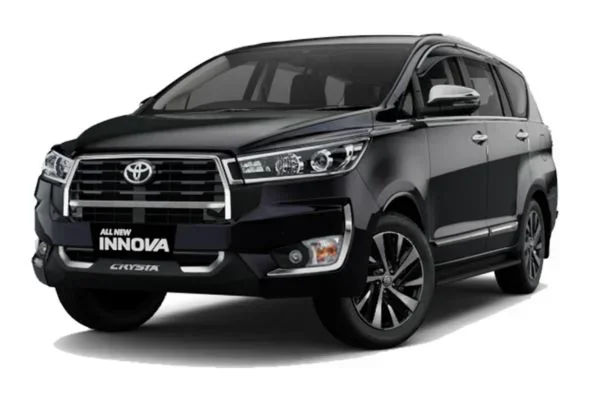
| Compact MPV (e.g. Ertiga, Innova) | 9 to 13 | 13 to 18 |
As you can see, a small car can travel almost double the distance of a large SUV on the same amount of fuel. If fuel efficiency is your priority, a compact hatchback is the way to go.
How to Calculate Your Car’s Kilometres per Litre
You do not need to be a mechanic to figure out your car’s fuel economy. There are simple methods anyone can use. Knowing your exact km per litre helps you track fuel costs and plan your budget.
Manual Calculation Method
Here is the easiest way to calculate your petrol mileage at home:
- Fill your fuel tank completely until the pump clicks off.
- Reset your trip meter to zero.
- Drive normally until you need to refuel again.
- Fill up the tank again and note how many litres you added.
- Divide the kilometres driven (from the trip meter) by the litres used.
For example, if you drove 300 km and used 15 litres, your calculation is 300 divided by 15. That gives you 20 km per litre. This is your real-world fuel economy for that trip.
Using Your Car’s Trip Computer
Most modern cars have a trip computer built into the dashboard. This display shows your average fuel consumption in real time. You can usually find it in the instrument cluster or on the infotainment screen.
The trip computer gives you a good estimate, but it is not always 100 percent accurate. Sometimes it is slightly optimistic. The manual method we described above is the most reliable way to know your true mileage per litre.
Using Online Mileage Calculators
If you do not want to do the math yourself, many websites and apps offer a mileage calculator. You just enter your car model, fuel type, and distance driven. The tool calculates your fuel consumption automatically. These tools are handy for quick estimates.
Tips to Improve Your Petrol Mileage
Want to squeeze more kilometres out of every litre? Here are practical tips that really work. Small changes in how you drive and maintain your car can make a big difference in your fuel economy.
Eco-Driving Habits
Your driving style has the biggest impact on how far 1 litre petrol takes you. Try these eco-driving tips:
- Accelerate gently: Press the pedal slowly and smoothly. Avoid sudden bursts of speed.
- Maintain a steady speed: Use cruise control on highways when it is safe to do so.
- Anticipate traffic: Look ahead and ease off the accelerator early when you see red lights or slowing traffic.
- Avoid idling: Turn off the engine if you are stopped for more than a minute.
- Use the right gear: Shift up early and keep the engine in its most efficient RPM range.
These habits might feel different at first, but they quickly become second nature. And the savings on fuel are well worth it.
Car Maintenance Tips
A well-maintained car runs more efficiently. Regular maintenance keeps your engine efficiency at its best. Here is what you should check:
- Tyre pressure: Under-inflated tyres create more rolling resistance. This makes the engine work harder and burn more fuel. Check your tyre pressure at least once a month.
- Air filter: A dirty air filter restricts airflow to the engine. This reduces fuel efficiency and can increase fuel consumption by up to 10 percent.
- Engine oil: Use the right grade of oil recommended by your car manufacturer. Old or wrong oil creates more friction inside the engine.
- Spark plugs: Worn spark plugs cause incomplete combustion. This wastes fuel and reduces power.
- Remove excess weight: Carrying heavy items in your boot or roof rack makes the engine work harder. Travel light whenever possible.
Quick Tips for Better Fuel Economy
- Keep your windows closed at high speeds to reduce drag
- Use the recommended grade of fuel for your engine
- Plan your trips to avoid rush hour traffic
- Combine errands into one trip instead of multiple short drives
- Keep your fuel tank at least a quarter full to avoid sediment buildup
Why Understanding Your Fuel Economy Matters
Some people think fuel economy is just a number on a sticker. But it affects your wallet and the environment in real ways. Let us look at why knowing your fuel economy matters.
Saving Money on Fuel
Petrol prices can be unpredictable. When you know your car’s fuel consumption, you can budget more accurately for your monthly fuel costs. A car that gives 20 km per litre will cost you half as much to run as one that gives 10 km per litre over the same distance.
Over a year, the difference can be significant. If you drive 15,000 km annually, a car with 20 km per litre needs 750 litres. A car with 10 km per litre needs 1,500 litres. That is a huge difference in spending on petrol.
Environmental Benefits
Better fuel efficiency also means lower emissions. When your car burns less fuel, it produces less carbon dioxide and other harmful gases. By improving your petrol mileage, you are doing your part for the environment too.
Small changes add up. If every driver improved their fuel economy by even 10 percent, the collective impact on air quality and carbon emissions would be enormous.
Resale Value
Cars with good mileage per litre tend to hold their value better. Buyers always look for fuel efficient cars when shopping for used vehicles. A car with documented low fuel consumption is more attractive on the resale market.
Common Mistakes That Waste Petrol
Many drivers unknowingly waste fuel every day. These small mistakes add up over time and can significantly reduce your driving range. Here are the most common ones to avoid.
Idling and Aggressive Driving
Leaving your engine running while parked wastes fuel for zero distance. Modern engines use very little fuel when restarting, so it is better to turn the engine off if you are waiting for more than a minute. Aggressive driving with rapid acceleration and hard braking can reduce your fuel efficiency by 15 to 30 percent on highways and 10 to 40 percent in the city.
Ignoring Tyre Pressure
Under-inflated tyres are one of the most common causes of poor fuel economy. They create extra rolling resistance, which means your engine has to work harder to move the car. A simple tyre pressure check once a month can improve your km per litre by up to 3 percent.
Using the Wrong Fuel Grade
Some drivers think premium fuel always gives better results. But unless your car manufacturer recommends it, regular fuel works just fine. Using a higher octane fuel than needed does not improve your engine efficiency and just wastes money.
Carrying Unnecessary Weight and Drag
Every extra kilogram in your car requires more energy to move. Remove roof racks when you are not using them. Clear out your boot of items you do not need. Even a heavy spare tyre or a pile of golf clubs adds up and reduces your petrol mileage.
How to Get the Most Out of Every Litre
Getting the best driving range from 1 litre petrol comes down to a combination of smart driving, proper maintenance, and good planning. Here is a summary of the best practices:
- Drive smoothly: Gentle acceleration and early braking save fuel.
- Maintain steady speeds: Use cruise control on open roads.
- Keep tyres properly inflated: Check pressure at least monthly.
- Do regular maintenance: Change oil, air filters, and spark plugs on schedule.
- Plan your routes: Avoid heavy traffic and unnecessary detours.
- Travel light: Remove extra weight and roof cargo when not needed.
- Track your fuel economy: Use the manual calculation method or your trip computer.
Following these steps consistently will help you get the most out of every drop of petrol. You will notice the difference in your fuel receipts within just a few weeks.
Remember, every car is different. Your real-world results may be higher or lower than the averages we discussed. The key is to understand your own car and how you drive it. Over time, you will develop a feel for how to maximise your fuel economy and petrol mileage.
Whether you are commuting to work, running errands around town, or heading out on a road trip, knowing how far 1 litre petrol can take you gives you confidence. You can plan fuel stops, budget for trips, and drive smarter every day. Fuel economy is not just a number, it is a skill that every driver can improve with practice and awareness.
So the next time you fill up your tank, take a moment to note your reading. Track it over time and see how your habits and maintenance affect your results. Small improvements lead to big savings over the life of your car. And that is money you can keep in your pocket where it belongs.
Frequently Asked Questions
How many km can a small car run on 1 litre petrol?
Most small hatchbacks and compact cars can cover between 14 and 22 km on 1 litre petrol under normal conditions. City driving might bring this down to 10 to 16 km per litre, while highway driving can push it up to 18 to 25 km per litre depending on the specific car model and engine size.
Does AC usage reduce km per litre significantly?
Yes, using the air conditioning system increases fuel consumption. At low speeds in the city, AC can reduce your fuel economy by 10 to 20 percent. On the highway, the impact is smaller because the engine has more power to spare. However, driving with windows down at high speeds also creates drag, which can offset any AC savings.
Is it better to drive with the windows up or AC off?
At low city speeds, turning off the AC and driving with windows up is the most fuel-efficient option. At highway speeds above 80 km/h, the drag from open windows increases fuel consumption more than the AC does. So at high speeds, using the AC with windows up is actually better for your fuel economy.
How often should I check my fuel economy?
It is a good habit to check your petrol mileage at least once a month. You can do this manually by recording your kilometres driven and litres used at each fill-up. Many modern cars also display real-time fuel consumption on the trip computer, making it easy to track daily or weekly changes.
Can bad roads really affect my car’s mileage?
Absolutely. Rough roads, potholes, and unpaved surfaces force your engine to work harder. Stop-and-go driving on bad roads also burns more fuel. If your usual route has poor road conditions, expect your driving range on 1 litre petrol to drop by 15 to 25 percent compared to smooth highways.
Does the age of the car affect fuel efficiency?
Yes, older cars tend to be less fuel efficient over time. Worn engine parts, carbon buildup, and degraded seals can all reduce engine efficiency. Regular maintenance, timely servicing, and replacing old components can help keep an older car’s fuel economy close to its original levels.