Harley-Davidson Rocker Problems: Common Issues Explained
Harley-Davidson rocker problems can cause serious engine damage if ignored. This guide covers the most common rocker arm issues, their symptoms, and practical fixes every rider should know. Learn how to spot trouble early and keep your Harley running strong.
Harley-Davidson rocker problems are more common than most riders think. These small but critical components play a huge role in how your engine breathes and performs. When rocker arms start failing, your motorcycle sends clear warning signs. Ignoring them can lead to expensive engine damage.
This guide breaks down everything you need to know about Harley-Davidson rocker problems. You will learn to spot the symptoms early, understand the root causes, and take action before things get worse. Whether you ride a Twin Cam or a newer Milwaukee-Eight, this article has you covered.
Let us be honest. Most riders do not think about rocker arms until something goes wrong. That is a mistake. A little knowledge now can save you thousands of dollars and hours of frustration later. So let us dive in.
Key Takeaways
- Rocker arm failure can lead to major engine damage: Ignoring early symptoms may result in costly repairs down the road.
- Common symptoms include unusual engine noise and misfires: Listen for tapping or clicking sounds from the valve train area.
- Improper adjustment is the leading cause of rocker problems: Regular maintenance keeps your valve train in top shape.
- Both intake and exhaust rocker arms can fail: Each side experiences different wear patterns and issues.
- Replacement costs vary widely: DIY repairs save money, but professional help ensures precision.
- Prevention is simple and affordable: Routine checks and proper torque settings go a long way.
- Twin Cam engines have specific rocker vulnerabilities: Understanding your engine type helps with targeted care.
📑 Table of Contents
What Are Rocker Arms and Why Do They Matter?
Rocker arms are small lever-like parts inside your Harley’s engine. They sit on top of the valves and push them open when needed. Think of them as the bridge between your camshaft and your valves. Without working rocker arms, your engine simply cannot run properly.
In Harley-Davidson engines, rocker arms handle enormous stress. They deal with constant movement, heat, and pressure every time you ride. Over time, this wear and tear takes a toll. Understanding how they work helps you appreciate why keeping them in good shape matters so much.
The Role of Rocker Arms in Valve Operation
Every time your engine fires, the camshaft spins and pushes the rocker arms. The rocker arms then press down on the valves. This opens them to let air and fuel in, or exhaust out. When the camshaft moves away, springs push the valves back closed.
This cycle happens thousands of times per minute. That is why even a small rocker arm issue can cause big problems. A sticky, worn, or improperly adjusted rocker arm changes the whole engine rhythm. Your bike loses power, efficiency, and smoothness.
Types of Rocker Arms in Harley Engines
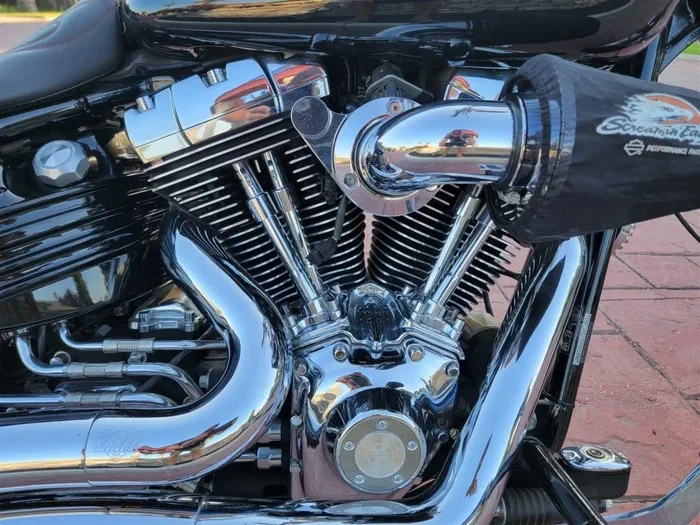
Harley-Davidson engines use different rocker arm designs depending on the model and year. Older Shovelhead and Panhead engines used simpler solid rocker arms. Modern Twin Cam and Milwaukee-Eight engines use hydraulic roller rockers for smoother operation.
Hydraulic rockers self-adjust to maintain proper valve clearance. Solid rockers require manual adjustment at regular intervals. Each type has its own set of potential problems. Knowing which type your Harley uses helps you troubleshoot more effectively.
Common Harley-Davidson Rocker Problems
Several issues plague Harley rocker arms over time. Some develop slowly over thousands of miles. Others hit suddenly and without warning. Here are the most frequent Harley-Davidson rocker problems riders encounter.
Worn Rocker Arms
Wear and tear is the number one enemy of rocker arms. The contact surfaces where the rocker meets the valve stem and camshaft gradually wear down. This creates a loose fit that changes valve timing and clearance.
Worn rocker arms often show visible signs. You might notice pitting or grooves on the contact surfaces. The rocker arm may wobble slightly when you check it manually. Left unchecked, worn rockers cause valve damage and poor engine performance.
Improper Valve Clearance
Valve clearance, also called lash, is the gap between the rocker arm and the valve stem. Too much clearance creates a ticking noise and rough idle. Too little clearance causes the valves to not close fully, leading to overheating and power loss.
Many Harley-Davidson rocker problems start with incorrect valve clearance. This often happens after routine maintenance if the adjustment is not done precisely. It can also develop naturally as components wear over time. Regular checks keep your clearances right where they should be.
Hydraulic Lifter Failure
Modern Harley engines rely on hydraulic lifters and rocker arms working together. When a hydraulic lifter fails, it affects the entire valve train. The lifter may not hold oil pressure, causing the rocker arm to play loosely.
You will often hear a distinct tapping or clattering sound from the engine. This noise is especially noticeable at idle or during cold starts. Hydraulic lifter issues can stem from dirty oil, low oil levels, or worn internal seals. Addressing this early prevents damage to the rocker arms themselves.
Camshaft Lobe Wear
The camshaft lobes push the rocker arms directly. When a cam lobe wears down or develops a flat spot, it affects how the rocker arm moves. Uneven cam lobe wear puts extra stress on specific rocker arms.
This type of problem often results from oil starvation or infrequent oil changes. Dirty oil cannot properly lubricate the camshaft and rocker arm interface. Over time, metal-on-metal contact causes irreversible damage. A worn camshaft means replacing both the cam and the affected rocker arms.
Cracked or Broken Rocker Arms
In severe cases, rocker arms crack or break entirely. This usually happens from extreme stress or metal fatigue. A broken rocker arm can destroy a valve, a piston, or both if it happens while the engine is running.
Cracked rockers are rare but catastrophic. They often result from a combination of factors. These include improper torque, pre-existing wear, and using low-quality replacement parts. Always use OEM or high-quality aftermarket rockers when replacing them.
Signs Your Rocker Arms Are Failing
Your Harley gives you plenty of warning before rocker problems become severe. The key is knowing what to listen for and what to look for. Catching these signs early makes all the difference.
Unusual Engine Noise
The most obvious sign of Harley-Davidson rocker problems is strange engine noise. A tapping, clicking, or clattering sound from the valve cover area is a red flag. This noise often gets louder as you rev the engine or during cold starts.
Some noise is normal for certain Harley models. But a new or progressively louder noise is not normal. Pay attention to changes in your engine sound. It is your bike telling you something needs attention.
Rough Idle and Misfires
If your Harley idles roughly or misfires, rocker arm issues could be the cause. Improper valve clearance prevents valves from opening and closing correctly. This disrupts the combustion cycle and creates an uneven idle.
You might also notice your engine running unevenly at higher speeds. Power delivery feels jerky or inconsistent. These symptoms often get worse as the rocker arm problem progresses. Do not ignore a rough idle, especially if it is new.
Loss of Power and Performance
Worn or failing rocker arms reduce engine efficiency. Your Harley may feel sluggish or lose power at certain RPM ranges. This happens because the valves are not opening fully or sealing properly.
You might also notice reduced fuel economy. When your engine works harder to compensate for valve train issues, it burns more fuel. A sudden drop in performance warrants a closer look at your valve train components.
Oil Leaks Around the Valve Cover
Rocker arm problems can sometimes cause oil leaks. Worn rocker arms or improperly adjusted clearances put extra pressure on gaskets and seals. Oil seeps out and pools around the valve cover area.
Check under your valve covers regularly for oil residue. A small leak might seem minor, but it can worsen quickly. Oil loss also means less lubrication for the rocker arms themselves, creating a vicious cycle of damage.
Causes of Rocker Arm Issues in Harley Engines
Understanding what causes Harley-Davidson rocker problems helps you prevent them. Most issues boil down to a few common factors. Let us explore each one.
Neglected Maintenance
The biggest cause of rocker arm problems is skipped maintenance. Many riders forget to check valve clearance regularly. Over time, natural wear changes the clearances without anyone noticing.
Harley recommends checking valve clearance every 5,000 miles for most models. Skipping this service allows small issues to grow into big problems. Simple maintenance keeps your valve train healthy for years.
Low-Quality or Wrong Oil
Your Harley’s engine depends on clean, quality oil for lubrication. Using the wrong oil grade or low-quality oil accelerates wear on rocker arms and camshafts. Dirty oil cannot form a proper lubricating film between metal surfaces.
Always use the oil grade recommended in your owner’s manual. Synthetic oils often provide better protection for high-performance engines. Change your oil at regular intervals to keep contaminants out of the valve train.
Overheating
Excessive heat is tough on rocker arms and the entire valve train. Overheating causes metal expansion and warping. It also breaks down oil faster, reducing lubrication where it matters most.
Overheating can result from cooling system issues, lean fuel mixtures, or prolonged high-load riding. Keep an eye on your temperature gauge. Address overheating immediately to prevent cascading damage to rocker arms and other components.
Incorrect Installation or Adjustment
Even new rocker arms can cause problems if installed incorrectly. Improper torque on rocker arm nuts is a common mistake. Too tight can warp the rocker or stress the valve stem. Too loose allows excessive play and noise.
Always follow the factory torque specifications for your specific Harley model. Use a torque wrench, not guesswork. If you are unsure about the adjustment procedure, consult a qualified mechanic or your service manual.
Using Aftermarket Parts of Questionable Quality
Aftermarket rocker arms vary wildly in quality. Cheap replacements may look right but use inferior materials or poor manufacturing tolerances. These parts wear faster and can introduce new problems into your valve train.
Stick with OEM parts or reputable aftermarket brands with proven track records. The small savings on cheap parts often cost you much more in repairs down the line. Quality parts protect your engine and give you peace of mind.
How to Fix and Prevent Rocker Problems
The good news is that most Harley-Davidson rocker problems are preventable and fixable. A little proactive care goes a long way toward keeping your valve train in excellent shape.
Regular Valve Clearance Checks
Checking valve clearance should be part of every routine service. This is the single best way to catch rocker problems early. The process involves removing the valve cover and measuring the gap at each rocker arm.
Adjustments are straightforward if you follow the factory procedure. You turn an adjusting screw until the proper clearance is achieved, then lock the nut in place. Many experienced riders learn to do this themselves and save on labor costs.
Use Quality Oil and Change It Regularly
Clean oil is your valve train’s best friend. Use high-quality synthetic or semi-synthetic oil that meets Harley’s specifications. Change it at the recommended intervals or more frequently if you ride in harsh conditions.
Consider using an oil filter with excellent filtration for small particles. Tiny metal shavings from early rocker wear can circulate through the engine and cause more damage. Clean oil catches and removes these particles before they do harm.
Monitor Your Engine Temperature
Keep your engine operating within the normal temperature range. Watch your temperature gauge during rides, especially on hot days or long trips. Make sure your cooling system is functioning properly.
Clean your radiator fins if they get clogged with bugs or debris. Ensure your coolant levels are correct. Simple thermal management protects your rocker arms and extends the life of your entire engine.
Listen to Your Engine
You know your Harley better than anyone. Pay attention to how it sounds and feels during every ride. New or changing noises deserve immediate investigation. Trust your instincts when something feels off.
Many riders catch rocker problems early simply because they noticed a subtle change in engine sound. Developing this awareness takes time but pays off enormously. Your ears are one of the best diagnostic tools you have.
Address Problems Immediately
When you notice symptoms of rocker arm issues, do not wait. The longer you ride with a problem, the more damage occurs. A small adjustment or worn rocker arm today can become a shattered valve and piston tomorrow.
Early intervention keeps repair costs low and prevents roadside breakdowns. If you are unsure about a symptom, get a professional diagnosis. It is always cheaper to fix a small problem than a big one.
Rocker Arm Replacement: What to Expect
Sometimes prevention is not enough and a rocker arm needs replacing. Understanding the process helps you plan and budget for the repair. Here is what you need to know.
Cost of Rocker Arm Replacement
The cost to replace rocker arms on a Harley-Davidson varies based on the engine model and the extent of damage. Parts alone for a set of rocker arms typically range from 50 to 150 dollars. Labor costs depend on whether you do the work yourself or hire a mechanic.
If the damage has affected other components like valves or camshafts, the cost increases significantly. A full valve job with rocker arm replacement can run several hundred dollars or more. Getting the work done promptly prevents the need for these more expensive repairs.
DIY vs Professional Repair
Experienced home mechanics can replace rocker arms and adjust valves themselves. It requires basic tools, a service manual, and patience. The job involves removing the valve cover, measuring clearances, and adjusting or replacing components as needed.
If you are not comfortable working on your valve train, a professional mechanic is the better choice. Proper adjustment is critical for engine health. A poorly adjusted valve train causes more problems than it solves.
What to Check During Replacement
When replacing rocker arms, inspect the entire valve train while you have access. Check the camshaft lobes for wear. Inspect the hydraulic lifters if your engine uses them. Look at the valve springs for signs of fatigue or damage.
This is also a great time to replace the valve cover gasket if it is leaking. Use OEM or high-quality gasket materials. A thorough inspection during replacement ensures you catch any other developing issues early.
Frequently Asked Questions
What are the first symptoms of Harley-Davidson rocker problems?
The first signs are usually unusual engine tapping or clicking sounds, especially at idle or during cold starts. You might also notice a rough idle or slight loss of power. These symptoms appear because the rocker arms are not operating the valves with proper precision anymore.
Can I still ride my Harley if I suspect rocker arm issues?
You should avoid riding if you suspect serious rocker arm problems. Continued riding with a failing rocker arm can cause catastrophic engine damage. If you notice significant noise or power loss, have your bike inspected before riding it again.
How often should I check my Harley’s valve clearance?
Harley recommends checking valve clearance every 5,000 miles for most models. However, if you ride in dusty or harsh conditions, check more frequently. Regular checks are the best way to prevent Harley-Davidson rocker problems from developing into serious issues.
Are rocker arm problems covered under Harley warranty?
This depends on your warranty terms and the cause of the problem. Wear-related issues from normal use are typically not covered. However, manufacturing defects may be covered. Check your specific warranty documentation or consult your dealer for clarification.
What is the average cost to fix rocker arm problems?
Simple adjustments cost little to nothing if you do it yourself. Replacing a set of rocker arms typically runs 50 to 150 dollars for parts. Professional labor adds another 100 to 300 dollars depending on the engine model and extent of work needed.
Can bad oil cause rocker arm problems?
Yes, absolutely. Low-quality or dirty oil fails to properly lubricate the rocker arms and camshaft. This accelerates wear and can lead to premature failure. Always use the oil grade recommended by Harley and change it at proper intervals to protect your valve train.
Conclusion
Harley-Davidson rocker problems are manageable when you know what to look for and how to respond. Regular maintenance, quality oil, and attentive riding habits keep your valve train working beautifully for years. Do not wait for loud noises or power loss to take action.
Your rocker arms are small components with a massive impact on engine performance. Treat them well, and they will return the favor with smooth, reliable power every time you twist the throttle. Stay proactive, stay informed, and your Harley will reward you with countless miles of great riding.
Now that you understand the common causes, symptoms, and fixes, you are better equipped to handle any rocker arm issues that come your way. Share this guide with fellow Harley riders. Knowledge like this keeps the whole community riding stronger and longer.