Are the Tail Lights Off Here Is Why You Should Care
Are the tail lights off? It happens to almost every driver at some point, and it is more than just a minor annoyance. Driving with tail lights off can cause rear-end collisions, lead to expensive tickets, and signal deeper electrical problems in your vehicle. This guide walks you through the common causes, easy fixes, and why addressing the issue quickly keeps you safe and saves money.
Key Takeaways
- Safety First: Driving with tail lights off greatly increases your risk of a rear-end collision.
- Legal Trouble: Tail light violations can result in fines and points on your license.
- Common Causes: Blown bulbs, bad fuses, and faulty wiring are the top reasons tail lights go dark.
- Easy Fixes: Many tail light problems are simple and inexpensive to repair at home.
- Preventive Maintenance: Regular checks can help you catch tail light issues before they become serious.
- Dashboard Clues: Your warning lights often tell you when something is wrong with your rear lights.
- Don’t Ignore It: Even one broken tail light can lead to bigger and costlier problems down the road.
📑 Table of Contents
- Are the Tail Lights Off? Here Is Why You Should Care
- Common Reasons Why Your Tail Lights Are Off
- How to Check If Your Tail Lights Are Off
- DIY Fixes for Tail Lights That Are Off
- The Cost of Ignoring Tail Light Problems
- When to See a Professional Mechanic
- Preventing Tail Light Problems Before They Start
- Common Mistakes Drivers Make With Tail Lights
- Tail Light Technology: LED vs. Traditional Bulbs
- Conclusion
Are the Tail Lights Off? Here Is Why You Should Care
Have you ever been driving down the road and suddenly realized your tail lights are off? Maybe someone flashed their headlights at you, or you got pulled over by a police officer. It is one of those things that sneaks up on you and can cause a lot of trouble fast.
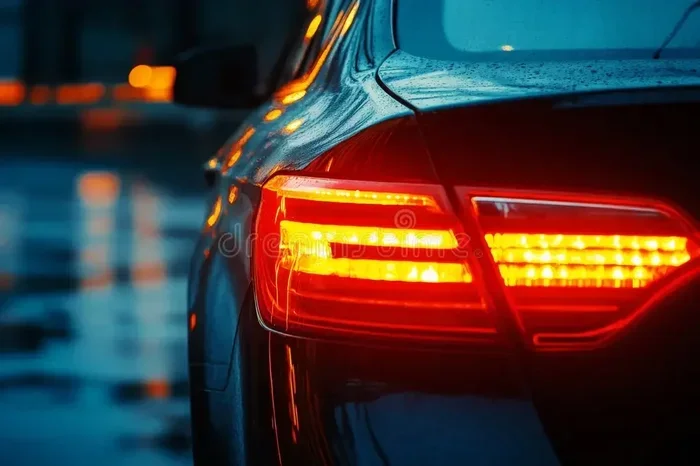
The truth is, tail lights off is not just a cosmetic issue. It is a serious safety concern that every driver should take seriously. Your tail lights tell the car behind you that you are there, especially at night or in bad weather. When they are not working, you become almost invisible from behind.
In this article, we will break down everything you need to know about why your tail lights are off, what causes it, how to fix it, and why ignoring the problem can cost you more than you think. Whether you are a new driver or have been behind the wheel for years, this guide will help you stay safe and avoid common mistakes.
Why Tail Lights Matter More Than You Think
Most people do not think about their tail lights until something goes wrong. But these small lights play a huge role in keeping you and others safe on the road. Your rear tail lights serve several important functions that go far beyond just looking like a car.
First, they help drivers behind you judge your distance and speed. When you hit the brakes, your brake lights and tail lights work together to send a clear signal that you are slowing down. Without them, the driver behind you has no warning that you are stopping.
Second, tail lights make your vehicle visible in low-light conditions. Rain, fog, snow, and dusk all reduce visibility. A car without working rear lights is incredibly hard to see. Studies show that vehicles with burned-out lights are more likely to be involved in rear-end crashes.
Third, tail lights are required by law in every state. Driving with tail lights not working can result in a traffic citation, fines, and even points on your driving record. So it is not just about safety, it is also about staying on the right side of the law.
Common Reasons Why Your Tail Lights Are Off
Figuring out why your tail lights are off is the first step toward fixing the problem. The causes range from simple and cheap to more complex electrical issues. Let us walk through the most common reasons.
Blown Tail Light Bulb
The most common reason for tail lights not working is a burned-out bulb. Tail light bulbs have a limited lifespan, and over time they simply burn out. This is especially true if you drive often or use your lights for long hours.
Replacing a tail light bulb is usually easy and affordable. Most vehicles use standard bulbs that you can swap out in minutes. You can check your owner manual to find the right bulb type for your car. If you are not comfortable doing it yourself, any auto parts store or mechanic can help.
Bad Fuse
Every car has a fuse box that protects the electrical system from overloads. If a fuse blows, it can cut power to your tail light assembly. A blown fuse is a quick and easy fix, but finding the right one can take a little detective work.
Check your owner manual for the fuse box diagram. Look for the fuse labeled “tail lights” or “rear lights.” If the metal strip inside the fuse is broken, you need a replacement. Fuses cost just a few dollars and are available at any auto parts store.
Faulty Wiring
Sometimes the problem is deeper than a bulb or fuse. Tail light wiring can wear out over time, especially in older vehicles. Corrosion, rodent damage, or general wear and tear can cause wires to fray or disconnect.
Wiring issues often show up as intermittent problems. Your tail lights flicker or work sometimes but not others. If you notice this pattern, it is worth having a mechanic inspect the wiring harness. Ignoring it can lead to more serious electrical problems.
Bad Brake Light Switch
Your brake light switch is a small part that activates your brake lights when you press the pedal. If this switch fails, it can also affect your tail lights because the two systems are often connected. You might notice that your brake lights work but your tail lights do not, or vice versa.
Replacing a brake light switch is usually a simple and inexpensive repair. A mechanic can test the switch and confirm if it is the culprit. This is one of those problems that can sneak up on you, so regular inspections help catch it early.
Water Damage or Corrosion
Your tail light assembly is exposed to the elements. Over time, moisture can seep into the housing and cause corrosion on the bulb sockets or wiring connections. This is especially common in vehicles that drive through rain, snow, or car washes frequently.
If you notice a foggy or wet-looking tail light cover, that is a sign water has gotten inside. Corrosion can cause your rear lights to dim or fail completely. Cleaning the connections and replacing the seal can often fix this issue before it gets worse.
Dashboard Warning Lights
Modern vehicles are smart. They will often warn you when something is wrong with your tail lights. If you see a dashboard warning light that looks like a small bulb, pay attention. This is your car telling you that a rear light is not working.
Many drivers ignore these warnings, but that is a mistake. The dashboard warning light is there for a reason. Addressing it quickly can prevent a small issue from turning into a big problem.
How to Check If Your Tail Lights Are Off
Checking your tail lights is simple and takes only a few minutes. You should make it a habit to do this regularly, especially before long trips. Here is how to do it.
First, park your car against a wall or garage door. Turn on your headlights and put the vehicle in park. Walk to the back of the car and look at both tail lights. They should glow red and be equally bright. If one side is dark or dim, you have found the problem.
Another easy method is to ask a friend or family member to stand behind the car while you turn on the lights and press the brake pedal. They can tell you which lights are working and which are not. This takes just a couple of minutes and can save you from getting a ticket.
You can also use your side mirrors or a reflective surface to check the lights from inside the car. Some drivers even use their phone camera to take a photo of the rear of the car and check the lights on the screen. Any of these methods work well and take almost no time at all.
DIY Fixes for Tail Lights That Are Off
Many tail light problems can be fixed at home with basic tools. You do not need to be a mechanic to handle these repairs. Here are some of the most common fixes you can do yourself.
Replacing a Tail Light Bulb
Replacing a tail light bulb is the easiest fix of all. Start by opening your trunk or rear hatch and locating the back of the tail light assembly. You will see a plastic cover or connector holding the bulb in place.
Remove the cover, unplug the connector, and pull out the old bulb. Insert the new bulb, making sure it is the correct type for your vehicle. Plug the connector back in and test the light. Most bulb replacements take less than ten minutes and cost under five dollars.
Swapping a Blown Fuse
If a fuse is the problem, you will need to find the right one in your fuse box. Use the diagram in your owner manual to locate it. Pull out the old fuse and replace it with a new one of the same amperage.
If the new fuse blows right away, that is a sign of a deeper electrical issue. Do not keep replacing the fuse. Instead, take your car to a mechanic to diagnose the problem. A fuse that keeps blowing can point to a short circuit or wiring issue that needs professional attention.
Cleaning Corroded Connections
If you find corrosion on your tail light wiring connections, cleaning them can often restore power. Use a wire brush or fine sandpaper to gently remove the corrosion from the metal contacts. Apply a thin layer of dielectric grease to protect the connections from future moisture.
This simple step can extend the life of your rear lights and prevent future problems. It is a great piece of car maintenance that takes just a few minutes but can save you from bigger headaches later.
The Cost of Ignoring Tail Light Problems
Some drivers ignore a burned-out tail light and hope nobody notices. That is a risky bet. The cost of ignoring the problem goes far beyond a simple bulb replacement.
First, there is the safety risk. A car without working rear lights is nearly invisible at night. This dramatically increases the chance of a rear-end collision. According to traffic safety data, vehicles with burned-out lights are involved in more nighttime accidents than those with fully functioning lights.
Second, there are the legal consequences. A police officer can pull you over for having tail lights off. Depending on your state, the fine can range from twenty to two hundred dollars or more. In some areas, it can also add points to your license, which leads to higher insurance rates.
Third, there is the cost of bigger repairs. A simple bulb issue can turn into a wiring problem if left unchecked. Corrosion can spread. Electrical connections can deteriorate further. What starts as a five-dollar fix can become a hundred-dollar repair if you wait too long.
The bottom line is clear. Addressing tail light problems quickly saves you money, keeps you safe, and keeps you on the right side of the law. It is one of the easiest forms of vehicle maintenance you can do.
When to See a Professional Mechanic
Not all tail light issues can be fixed at home. Some problems require the expertise of a professional mechanic. Here are the signs that it is time to seek help.
If you have replaced the bulb and the tail lights are still off, there is likely a deeper issue. A mechanic can run diagnostic tests to find the root cause. They have the tools and knowledge to trace electrical problems that are not visible to the naked eye.
Also see a professional if you notice a burning smell, smoke, or visible damage to the tail light assembly. These are signs of serious electrical issues that can be dangerous if not addressed properly. A mechanic can repair or replace the assembly safely.
Finally, if your dashboard warning light keeps coming back after you have fixed the obvious causes, a professional inspection is the smart move. There may be a hidden electrical fault that only a trained technician can identify and repair.
Preventing Tail Light Problems Before They Start
The best way to deal with tail lights off is to prevent the problem from happening in the first place. Regular maintenance and a few simple habits can keep your rear lights working perfectly for years.
Make it a habit to check your tail lights once a week. It takes less than a minute and can catch problems early. Keep spare bulbs in your glove box so you are always ready for a quick replacement. Clean your tail light housings regularly to prevent moisture buildup and corrosion.
Also, pay attention to your dashboard warning lights. If your car tells you something is wrong with your tail light wiring or bulb, do not ignore it. Early action prevents small problems from becoming big expenses. A little prevention goes a long way when it comes to keeping your vehicle safe and road-ready.
Common Mistakes Drivers Make With Tail Lights
Even careful drivers sometimes make mistakes when it comes to their tail lights. Here are the most common errors and how to avoid them.
- Ignoring one broken tail light: Many drivers only notice when both lights are out. But even one dark tail light is a safety hazard and a violation.
- Using the wrong bulb type: Not all bulbs are the same. Using the wrong one can cause the light to fail or damage the socket.
- Forgetting to check the ground wire: A bad ground connection can cause dim or flickering rear lights even when the bulb is new.
- Delaying repairs: Putting off a simple fix can lead to bigger problems and higher costs down the road.
- Assuming the taillight and brake light are the same: These are different circuits. One can work while the other does not, so check both separately.
Avoiding these mistakes will help keep your vehicle safe and your tail lights in great shape. It is all about staying proactive and paying attention to what your car is telling you.
Tail Light Technology: LED vs. Traditional Bulbs
Modern vehicles are increasingly using LED tail lights instead of traditional incandescent bulbs. LED lights have several advantages that make them a popular choice among car owners.
LED tail lights are brighter and more visible from a distance. They also last much longer than traditional bulbs, sometimes up to 30,000 hours or more. This means fewer replacements and less maintenance over the life of the vehicle.
However, LED lights can be more expensive to replace if they do fail. They also require proper wiring and a compatible electrical system. If you are considering upgrading to LED tail lights, make sure your vehicle supports them or consult a mechanic about the installation process.
Whether you have traditional bulbs or LEDs, the same rules apply. Keep them clean, replace them when they burn out, and check them regularly. Working tail lights off is never acceptable, regardless of the bulb type you use.
Conclusion
Are the tail lights off? If they are, now is the time to fix it. Your tail lights are one of the most important safety features on your vehicle. They keep you visible, keep other drivers informed, and keep you on the right side of traffic laws.
The causes of tail lights not working are usually simple and affordable to fix. A burned-out bulb, a blown fuse, or a corroded connection can all be addressed with basic tools and a little know-how. For more complex issues, a professional mechanic can help you get to the bottom of the problem.
Do not wait until you get a ticket or, worse, until you are involved in an accident. Make checking your rear tail lights a regular part of your car maintenance routine. It takes just a few minutes and can save you a lot of trouble in the long run. Stay safe, stay visible, and never ignore the lights on your car.
Frequently Asked Questions
Why are my tail lights off but my brake lights work?
This usually means the tail light bulb is burned out or the tail light circuit has a separate fuse or wiring issue. Brake lights and tail lights share the same bulb in many vehicles but use different filaments or circuits. Check the bulb and the fuse first.
Can I drive with my tail lights off?
You should not drive with your tail lights off. It is dangerous because other drivers cannot see your vehicle from behind, especially at night. It is also illegal in all states and can result in a traffic ticket and fine.
How much does it cost to fix tail lights that are off?
The cost depends on the cause. Replacing a tail light bulb is usually under ten dollars. A fuse replacement costs just a few dollars. More complex wiring or assembly repairs can range from fifty to two hundred dollars at a mechanic.
How do I know if my tail light fuse is blown?
You can check the fuse by locating it in your fuse box and visually inspecting the metal strip inside. If it is broken or melted, the fuse is blown. You can also use a multimeter to test for continuity.
Can water damage cause tail lights to stop working?
Yes, water damage is a common cause of tail light failure. Moisture can enter the tail light housing and corrode the bulb socket and wiring connections. This can cause your rear lights to dim, flicker, or stop working entirely.
How often should I check my tail lights?
You should check your tail lights at least once a week. A quick visual check takes less than a minute. Make it a habit to inspect them before long trips or road journeys to ensure they are working properly.