At What Point Does a Hybrid Car Switch to Gas Power
So, at what point does a hybrid switch to gas? A hybrid car transitions to gasoline power when the battery charge drops below a certain threshold, during high-speed driving, or when extra power is needed. Hybrid vehicles use a smart system that automatically decides the best power source based on driving conditions. Understanding this hybrid powertrain behavior helps you drive more efficiently and save fuel. Let’s break it all down.
Key Takeaways
- Automatic Switching: A hybrid car switches to gas automatically when the electric battery runs low or when more power is required, such as during highway driving or hard acceleration.
- Low Battery Triggers Gas Mode: Most hybrids transition to gasoline once the battery charge drops to around 20-30%, though this varies by make and model.
- Driving Conditions Matter: High-speed driving, steep inclines, and rapid acceleration all prompt a hybrid to rely on its gasoline engine more heavily.
- Regenerative Braking Helps: Hybrids use energy recovery systems to recharge the battery while slowing down, which delays the switch to gas power.
- Type of Hybrid Matters: Plug-in hybrids, self-charging hybrids, and full hybrids each handle the gas switch differently based on their design.
- You Can Influence the Switch: Driving habits, route planning, and charging your plug-in hybrid can all affect when and how often the car switches to gasoline.
- Fuel Efficiency Stays Strong: Even when a hybrid uses gas, the combined system still delivers better fuel economy than a traditional gasoline-only vehicle.
📑 Table of Contents
- Understanding How Hybrid Cars Work
- When Exactly Does a Hybrid Switch to Gas?
- Factors That Trigger the Switch to Gas Power
- Different Types of Hybrid Systems and Their Behavior
- Tips to Maximize Electric Driving Time
- Common Myths About Hybrid Gas Switching
- Expert Insights on Hybrid Efficiency
- Key Takeaways
- Conclusion
Understanding How Hybrid Cars Work
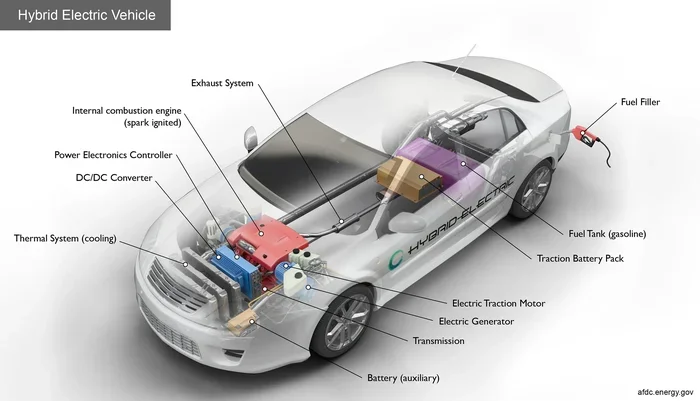
Before we answer the big question, at what point does a hybrid switch to gas, let’s talk about how these vehicles actually work. A hybrid vehicle combines two power sources: an electric motor and a gasoline engine. These two work together to move your car, but they don’t always kick in at the same time.
Think of it like riding a bike with a little motor assist. You pedal (electric power) when you can, and the motor kicks in when you need extra help going uphill or speed up. A hybrid does the same thing, just with a much more sophisticated system underneath the hood.
The brain of the operation is the hybrid powertrain. This is the system that constantly monitors things like battery level, speed, and how hard you’re pressing the gas pedal. Based on all this information, it decides whether to use the electric motor, the gasoline engine, or both at the same time. It all happens in milliseconds. You never have to manually switch between power sources.
There are also systems like regenerative braking and energy recovery that help keep the battery topped up. Every time you slow down or brake, the car captures that energy and feeds it back into the battery. This is one of the smartest features of any hybrid technology.
The Two Hearts of a Hybrid
At its core, a hybrid has two main components working in harmony:
- Electric Motor: Powers the car at low speeds and during light driving. It runs on electricity stored in the hybrid battery.
- Gasoline Engine: Provides extra power when needed and recharges the battery in some systems.
Together, these two create a driving experience that’s smoother and more efficient than either one alone. The beauty is that you never have to think about which power source is running. The car handles it all automatically.
When Exactly Does a Hybrid Switch to Gas?
This is the question most hybrid car owners want answered. The truth is, the transition point when a hybrid switches to gas depends on several factors. There’s no single magic number, but here are the most common situations where you’ll see the gasoline engine kick in.
Low Battery Charge
The most common trigger is a low battery. Most hybrids keep the battery within a specific charge window, usually between 20% and 80%. Once the battery dips below around 20-30%, the car’s computer tells the gasoline engine to start running. This protects the battery from draining too low and keeps things running smoothly.
Some newer models are even smarter about this. They might hold onto that remaining charge for a short burst of electric power, like when pulling away from a stoplight. Then they’ll switch to gas once the car is moving at a steady pace.
High-Speed Driving
Another common scenario where you’ll notice the switch is during highway driving. At speeds above 55-65 mph, the electric motor alone can’t handle the workload efficiently. The gasoline engine takes over because it’s better suited for sustained high-speed travel. This is just how the physics works, not a flaw in the system.
If you do a lot of highway commuting, don’t worry. Your fuel efficiency will still be better than a traditional gas-only car. The hybrid system is just being smart about which power source works best at those speeds.
Heavy Acceleration and Steep Hills
When you floor the accelerator or drive up a steep hill, the car demands more power. The electric motor can only produce so much. In these moments, the gasoline engine joins in to provide that extra boost. You might notice this when merging onto a busy highway or climbing a mountain pass.
This is completely normal. The hybrid powertrain is simply using the most efficient combination of power available. Once you ease off the accelerator, the system returns to its normal rhythm.
Factors That Trigger the Switch to Gas Power
Now that you know the main situations where a hybrid switches to gas, let’s dig deeper into the specific factors that influence this transition point. Understanding these will help you become a more efficient driver.
1. Driving Speed and Conditions
Your speed has a huge impact on when the car switches. Here’s a simple breakdown:
- Low Speed (Under 30 mph): The electric motor handles most of the work. This is where you get the best electric range.
- Medium Speed (30-55 mph): The system uses a mix of electric and gas power, depending on battery level.
- High Speed (Over 55 mph): The gasoline engine becomes the primary power source for efficiency.
This is why city driving usually gives you better fuel consumption numbers than highway driving. In the city, the electric motor does most of the heavy lifting.
2. Battery Temperature and Health
Believe it or not, weather plays a role too. Cold temperatures can reduce battery performance. In very cold weather, your hybrid might switch to gas sooner than usual because the battery can’t hold or deliver charge as effectively. The same thing can happen with an old or degraded hybrid battery.
Hot weather can also affect things, though usually less dramatically. The car’s thermal management system works to keep the battery at the right temperature, but extreme conditions can still influence when the gas engine kicks in.
3. Driver Input and Demand
How you drive matters more than you might think. Aggressive driving with lots of quick acceleration and hard braking will drain the battery faster. This means the car switches to gas more often. Smooth, gentle driving keeps the battery healthier and delays the switch to gas.
Quick expert insight: Many hybrid owners find that adopting a “coast and glide” driving style significantly extends their electric driving time. Try to anticipate stops and ease off the accelerator early. Your fuel economy will thank you.
4. Load and Passengers
Heavy loads and extra passengers increase the energy demand on the vehicle. If you’re packing the car with gear or hauling a trailer, don’t be surprised if the gasoline engine runs more often. The system is simply responding to the higher power requirements.
Different Types of Hybrid Systems and Their Behavior
Not all hybrids are created equal. The type of hybrid you own plays a big role in determining at what point does a hybrid switch to gas. Let’s compare the main types.
Self-Charging Hybrids
These are the most common type. You don’t plug them in. They rely on regenerative braking and the gasoline engine to keep the battery charged. Because the battery is smaller, these hybrids tend to switch to gas more frequently. The electric range is usually short, often just a mile or two at low speeds.
Examples include the Toyota Prius and Hyundai Ioniq Hybrid. These cars are designed for maximum overall efficiency rather than long electric-only driving.
Plug-In Hybrids (PHEVs)
Plug-in hybrids are a different beast altogether. They have larger batteries that you charge from an outlet. Most can drive 20-50 miles on electricity alone before the gas engine kicks in. This means you can do your daily commute entirely on electric power and only switch to gas for longer trips.
If you charge your plug-in hybrid regularly, you might rarely notice the transition point to gas power at all. But once the battery runs low, the car behaves more like a standard self-charging hybrid.
Full Hybrids vs. Mild Hybrids
Full hybrids can drive on electric power alone for short distances. The gasoline engine provides direct propulsion or assists the electric motor. Mild hybrids, on the other hand, can’t drive on electricity alone. The electric motor just assists the gas engine during acceleration and startup. Mild hybrids switch to gas almost immediately because the electric component is smaller.
Comparison Table: Hybrid Types
| Feature | Self-Charging Hybrid | Plug-In Hybrid | Mild Hybrid |
|---|---|---|---|
| Electric Range | 1-2 miles | 20-50 miles | None (assist only) |
| Battery Size | Small | Large | Very Small |
| Charging Method | Regenerative braking + engine | Plug-in + regenerative | Regenerative braking |
| Gas Switch Frequency | Frequent | Rare (if charged) | Almost Always |
| Best For | Daily commuters | Daily + long trips | Fuel boost |
Tips to Maximize Electric Driving Time
If you love driving on pure electric power and want to delay the switch to gas as long as possible, these practical tips will help.
Drive Smoothly
Avoid sudden acceleration and hard braking. Gentle inputs keep the battery drain low and let the electric motor handle more of the work. Think of it like driving with a “light foot.” This simple habit can make a noticeable difference in your hybrid driving modes.
Plan Your Routes
If you know you have a short trip, try to plan a route with lower speeds and fewer stops. City streets with traffic lights give you lots of opportunities for energy recovery through regenerative braking. This helps keep the battery topped up for more electric driving.
Charge Your Plug-In Hybrid Regularly
If you own a plug-in hybrid, make it a habit to charge it every night. Even a partial charge gives you more electric range in the morning. The more you charge, the less you rely on gasoline. This is the single most impactful thing you can do to reduce gas usage.
Use Eco Mode
Most hybrids come with an Eco driving mode. This setting limits throttle response and optimizes the energy management system for maximum efficiency. It won’t prevent the switch to gas, but it makes the electric motor work harder and the gas engine run less often. It’s a great feature for city driving.
Keep Your Battery Healthy
Avoid letting the battery sit at very low or very high charge levels for extended periods. Most hybrids manage this automatically, but if you drive a plug-in hybrid, try to keep the charge between 20% and 90% for daily use. This extends the overall life of the hybrid battery and keeps it performing at its best.
Quick Tips for Hybrid Owners
- Use preconditioning (climate control) while plugged in to save battery power.
- Avoid carrying unnecessary weight in your car.
- Keep your tires properly inflated for better efficiency.
- Use cruise control on the highway to maintain steady speed.
- Check your hybrid system’s app or display for real-time energy usage.
Common Myths About Hybrid Gas Switching
There are a lot of misconceptions out there about when and why hybrids switch to gas. Let’s clear up a few of the most common ones.
Myth 1: Hybrids Are Always Running on Gas
This is far from true. Many hybrids, especially in city driving, spend a significant portion of their time running on electricity alone. The whole point of a hybrid vehicle is to reduce gas usage. If it ran on gas all the time, there would be no benefit over a traditional car.
Myth 2: You Need to Manually Switch Between Power Sources
Nope. The entire process is fully automatic. The car’s computer handles every decision about which power source to use. You never need to press a button or flip a switch. This is one of the reasons hybrids are so appealing. They just work.
Myth 3: Switching to Gas Means the Hybrid Isn’t Working
Not at all. The switch to gas is a smart, calculated decision by the system. It means the car is using the most efficient power source for the current situation. Sometimes the gasoline engine is simply the better choice. This doesn’t mean the electric side has failed. Both systems are working together as designed.
Myth 4: Hybrid Batteries Last Only a Few Years
Modern hybrid batteries are built to last the lifetime of the vehicle. Toyota, for instance, has been making hybrids for over 25 years, and many original batteries are still going strong. They’re designed to be durable and reliable. You shouldn’t worry about frequent replacements.
Expert Insights on Hybrid Efficiency
Automotive engineers often point to the environmental impact of hybrid technology as a major benefit. Even when a hybrid switches to gas, the overall fuel consumption is lower than a comparable gas-only vehicle. This means fewer emissions and a smaller carbon footprint.
Dr. David Greene, a noted automotive researcher, once pointed out that the real genius of hybrid systems isn’t in eliminating gas entirely. It’s in using the right energy source at the right time. A gasoline engine is incredibly efficient at highway speeds when paired with an electric motor that handles the stop-and-go portions. This division of labor makes hybrids remarkably efficient overall.
Another expert insight worth noting: the hybrid powertrain continues to evolve. Future systems will feature larger electric ranges, smarter energy management, and even better regenerative braking. The transition point to gas will become less noticeable as technology improves. We’re moving toward a future where hybrids may barely use gas at all for daily driving.
Key Takeaways
Let’s wrap up the main points we’ve covered:
- Automatic System: Your hybrid decides when to switch to gas based on speed, battery level, and driving demand. You don’t need to do anything.
- Low Battery Triggers Gas: Most hybrids switch when the battery hits 20-30% charge to protect the battery and maintain performance.
- Highway Driving Uses More Gas: Sustained high speeds favor the gasoline engine, which is more efficient at those velocities.
- Your Driving Style Matters: Smooth, gentle driving extends electric range and reduces how often the car switches to gas.
- Plug-In Hybrids Offer the Most Electric Range: If you want to minimize gas usage, a plug-in hybrid charged daily is your best bet.
- Regenerative Braking Is Your Friend: Every time you slow down, the car recovers energy. This delays the switch to gas and keeps the battery healthier.
- Hybrids Still Save Fuel Even With Gas: Even when the gas engine runs, overall consumption is better than traditional vehicles. The system always works in your favor.
Conclusion
So, at what point does a hybrid switch to gas? The answer is simple: whenever the system determines that the electric motor alone can’t efficiently meet the driving demands. Whether it’s a low battery, high speed, heavy load, or steep hill, the switch happens automatically and smartly.
Understanding this hybrid technology gives you a real advantage as a driver. You’ll know what to expect, how to drive more efficiently, and why your car makes the choices it does. The beauty of a hybrid lies in its ability to blend two power sources seamlessly. You get the best of both worlds: clean electric driving when it counts and reliable gasoline power when you need it.
The next time you’re behind the wheel and notice the gas engine kick in, don’t worry. Your hybrid is just doing its job. Embrace the technology, drive smart, and enjoy the fuel savings that come with owning a hybrid vehicle. The future of driving is efficient, and you’re already behind the wheel.
Frequently Asked Questions
At what mileage does a hybrid switch to gas?
There is no set mileage. The switch depends on battery charge level and driving conditions, not distance traveled. A hybrid may switch to gas after just a few miles if the battery is low, or it may stay on electric for longer if the battery is fully charged.
Can I force my hybrid to stay in electric mode?
Some plug-in hybrids offer an EV-only mode that keeps the car on electricity until the battery is nearly empty. Self-charging hybrids don’t typically offer this option. However, driving gently and at low speeds can encourage more electric driving.
Does the switch to gas happen at a specific speed?
Not exactly a specific speed, but most hybrids rely more on gas above 55-65 mph. At lower speeds, the electric motor is usually sufficient. The car’s computer considers speed along with battery level and power demand to make the decision.
How does cold weather affect when a hybrid switches to gas?
Cold weather reduces battery performance, which can cause the hybrid to switch to gas sooner than usual. The gasoline engine may run more often to compensate for the weaker electric output and to help warm up the cabin efficiently.
Is it bad for a hybrid if it switches to gas frequently?
No, frequent switching is completely normal and not harmful. The system is designed to switch between power sources thousands of times over the car’s lifetime. Both the electric motor and gasoline engine are built to handle this.
Do plug-in hybrids still switch to gas?
Yes, but only after the electric battery is depleted. If you charge your plug-in hybrid regularly, you may rarely notice the switch to gas for daily driving. On longer trips, once the battery is low, it behaves like a standard hybrid.