Auto Tint: Everything You Need to Know Before Buying
Auto Tint: Everything You Need to Know is an essential topic that provides valuable insights.
Choosing the right auto tint can feel overwhelming. There are so many options, brands, and price points out there. You might wonder if a DIY tint kit is worth it or if you should always go for professional installation. Maybe you are confused about tint percentage rules or which film type actually blocks heat the best. Whatever your concern is, this article has you covered. We will walk you through every important detail in plain, simple language.
Window tinting is not just about making your car look cool. It is about protecting your skin, preserving your interior, and staying comfortable on hot days. Solar film technology has come a long way, and today’s options offer real, measurable benefits. Let us dive into everything you need to know about auto tint before you make a purchase.
Key Takeaways
- Auto tint offers real benefits including heat reduction, UV protection, and improved safety through glare reduction.
- Ceramic tint provides the best performance, while carbon tint offers a great balance of quality and price.
- The auto tinting cost varies based on film type, vehicle size, and whether you choose professional installation or a DIY tint kit.
- Always check your local legal tint laws and choose a tint percentage that keeps you compliant.
- Avoid common mistakes like choosing the cheapest option, ignoring warranties, and skipping professional installation.
- Privacy tint and interior protection from sun damage are important benefits that add long-term value to your vehicle.
- Investing in quality auto tint film and proper professional installation gives you the best return on your investment.
📑 Table of Contents
What Is Auto Tint and Why Should You Care?
Auto tint refers to the thin film applied to the windows of a vehicle. This film is made from layered materials that control how much light, heat, and ultraviolet rays pass through your glass. People choose car window tint for many reasons, and the benefits go far beyond looks.
Think of it as a protective shield for your car. Just like sunscreen protects your skin, auto tint protects your vehicle’s interior from sun damage. It also reduces glare while driving, which makes the road safer for everyone. Whether you drive a sedan, SUV, or truck, window tinting can make a real difference in your daily driving experience.
How Does Car Window Tint Work?
The film works by using layers of dye, metal, or ceramic particles. These layers absorb or reflect infrared radiation and ultraviolet rays. The result is less heat inside your car and better UV protection for you and your passengers. Different films use different combinations of materials, which is why some tints perform better than others.
Quick Tips
- Always ask about heat rejection ratings before buying.
- Higher-quality films block more UV rays without darkening the glass too much.
- Ask your installer about infrared rejection rates for real comfort data.
Types of Auto Tint Films Available
Not all auto tint films are the same. Each type has its own strengths and weaknesses. Understanding the differences helps you pick the right one for your needs and budget. Here are the three most popular options on the market today.
Dyed Auto Tint
Dyed tint is the most affordable option. It uses layers of dye to absorb heat and reduce glare. This type of car window tint gives a rich, dark appearance that many people love. However, dyed films tend to fade over time and offer less heat rejection compared to more advanced options.
If you are on a tight budget and just want basic privacy tint, dyed tint gets the job done. Just know that it may not last as long as other types, and it offers the lowest level of UV protection.
Ceramic Auto Tint
Ceramic tint is the premium choice. It uses tiny ceramic particles that block heat without adding color or interfering with electronic signals. This means your GPS, phone connectivity, and radio stay perfectly clear. Ceramic tint offers the best heat rejection and the highest level of UV protection available.
The downside? Ceramic tint costs more upfront. But many car owners say it is worth every penny because of its durability and performance. If you want the best auto tint money can buy, ceramic is the way to go.
Carbon Auto Tint
Carbon tint sits right in the middle. It offers excellent heat rejection without the metallic look that some people dislike. Carbon films do not fade easily, so they last longer than dyed options. They also provide solid UV protection and a matte, sleek finish.
Carbon tint is a great choice if you want good performance without the premium price tag of ceramic. It is one of the most popular options among car enthusiasts who care about both looks and function.
Comparison Table: Auto Tint Film Types
| Film Type | Heat Rejection | UV Protection | Durability | Price Range |
|---|---|---|---|---|
| Dyed Tint | Low to Medium | Basic | Fades over time | $50 – $150 |
| Carbon Tint | High | Good | Long-lasting | $150 – $300 |
| Ceramic Tint | Highest | Excellent | Very durable | $300 – $600+ |
Expert Insights
According to industry professionals, ceramic tint offers the best long-term value despite its higher upfront cost. The heat rejection and UV protection levels are unmatched, and the film does not degrade the way dyed films do. Many installers recommend carbon tint as the best middle-ground option for budget-conscious buyers.
Benefits of Auto Tint for Your Vehicle
Installing auto tint brings a wide range of benefits that go beyond aesthetics. Let us look at the most important advantages that make window tinting worth your investment.
UV Protection and Interior Preservation
The sun’s ultraviolet rays can cause serious damage to your car’s interior. Your dashboard, seats, and steering wheel can crack, fade, and warp over time. Auto tint blocks up to 99% of harmful UV rays, which significantly slows down this sun damage. This means your car holds its value better and looks newer for longer.
For people who spend a lot of time driving, UV protection is also a health benefit. Prolonged exposure to UV rays through car windows can contribute to skin damage and premature aging. Auto tint helps protect you and your passengers during every drive.
Heat Reduction and Comfort
One of the biggest reasons people invest in auto tint is heat reduction. A good car window tint can reduce interior temperatures by 30 to 40 degrees Fahrenheit. On a hot summer day, this makes a huge difference. Your car cools down faster, and your air conditioning does not have to work as hard.
Better heat rejection also means less reliance on your AC system, which can improve fuel efficiency over time. That is a nice bonus that many people do not think about when they first consider window tinting.
Glare Reduction and Safety
Driving with too much glare is dangerous. Sunlight and headlights from other cars can blind you, even for a split second. Auto tint reduces glare significantly, which improves your visibility and reaction time on the road. This is one of the most underrated auto tint benefits, and it can genuinely keep you and your family safer.
Quick Tips
- Choose a tint percentage that balances glare reduction with visibility.
- Front windshield tints are usually restricted by law, so check legal tint laws first.
- Combine glare reduction with UV protection for maximum safety benefits.
Privacy and Security
Privacy tint gives you a layer of security by making it harder for people outside to see into your car. This is especially useful if you regularly leave personal items in your vehicle. A privacy film also adds a layer of protection to your windows, making them slightly more resistant to shattering.
Auto Tinting Cost and Budget Planning
The auto tinting cost varies widely depending on the film type, your vehicle size, and whether you choose professional installation or a DIY tint kit. Understanding the cost breakdown helps you plan your budget without surprises.
Professional Installation vs. DIY Tint Kit
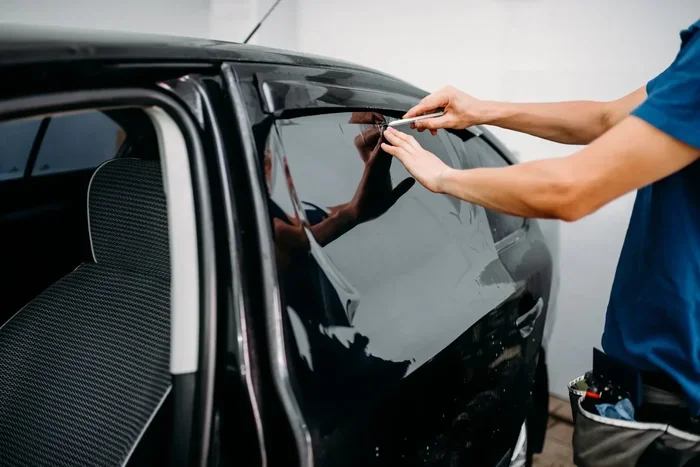
Professional installation typically costs between $200 and $600 for a full vehicle, depending on the film quality and your location. The advantage is that professionals have the tools, experience, and clean environments to apply the film without bubbles or peeling. Many installers also offer warranties on their work.
A DIY tint kit is much cheaper, usually ranging from $50 to $200 for all the windows. However, applying car window tint yourself is challenging. Bubbles, creases, and misalignment are common mistakes, especially for beginners. If you choose the DIY route, watch plenty of tutorials and take your time.
For most people, professional installation is the better choice. The auto tinting cost is higher, but the results look better and last longer. Think of it as an investment in quality and peace of mind.
Common Mistakes
- Choosing the cheapest film without considering heat rejection or UV protection.
- Ignoring legal tint laws and ending up with a ticket or forced removal.
- Skipping professional installation to save money, only to deal with bubbling and peeling later.
- Not checking the warranty terms before purchasing your auto tint film.
Legal Tint Laws You Must Know
Before you buy any auto tint, you need to understand the legal tint laws in your area. These laws vary by state, province, and even city. Ignorance of the rules is not an excuse, and violating them can lead to fines, failed inspections, or even having your tint removed.
Tint Percentage Rules by State
Tint percentage refers to the visible light transmission (VLT) of the film. A lower percentage means a darker tint. Most states allow different VLT levels for the front windshield, front side windows, and rear side windows. For example, many states require the front side windows to allow at least 70% of light through, while rear windows can go as low as 5%.
Here are some general guidelines to keep in mind:
- Front windshield: Usually only a thin strip at the top is allowed.
- Front side windows: Often must allow 70% or more visible light transmission.
- Rear side windows and rear windshield: Can typically be much darker, but rules vary.
- Medical exemptions: Some states allow darker tints for medical reasons with proper documentation.
Always check your local legal tint laws before purchasing. You can usually find this information on your state’s Department of Motor Vehicles website. When in doubt, ask your installer — they know the local rules and can recommend a tint percentage that keeps you compliant.
Common Mistakes to Avoid When Buying Auto Tint
Even informed buyers can make mistakes when purchasing auto tint. Here are the most common errors and how to avoid them.
Mistake 1: Focusing Only on Price. The cheapest auto tint is rarely the best value. Low-quality films fade, bubble, and offer poor heat rejection and UV protection. Spending a little more upfront saves you money and headaches in the long run.
Mistake 2: Ignoring Warranty Details. Quality auto tint comes with a warranty that covers fading, bubbling, and peeling. Some DIY tint kits do not include any warranty at all. Always read the fine print and understand what is covered before you buy.
Mistake 3: Choosing the Wrong Tint Percentage. Too dark and you risk violating legal tint laws. Too light and you may not get the heat reduction or privacy tint benefits you want. Find the right balance for your climate, driving habits, and local regulations.
Mistake 4: Skipping the Research. Not all auto tint installers are equal. Read reviews, ask for recommendations, and compare quotes from at least three professionals. A little research goes a long way toward a great result.
Expert Tips for Choosing the Right Auto Tint
Choosing the right auto tint does not have to be complicated. Follow these expert-backed tips to make the best decision for your vehicle and your budget.
- Start with your priorities. Do you want maximum heat rejection? Better UV protection? Enhanced privacy tint? Knowing what matters most to you narrows down your options quickly.
- Choose quality over price. A slightly more expensive auto tint film from a reputable brand will outperform a cheap alternative in almost every way.
- Ask about infrared rejection rates. This tells you exactly how much heat the film blocks, giving you a clear picture of its performance.
- Verify legal tint laws in your area. Stay compliant and avoid fines by choosing a tint percentage that meets local requirements.
- Invest in professional installation for the best results. A perfect application means no bubbles, no peeling, and a longer-lasting finish.
- Check the warranty. A strong warranty protects your investment and gives you peace of mind for years to come.
Expert Insights
Industry experts consistently recommend ceramic tint for buyers who prioritize performance. The heat rejection and UV protection levels are unmatched, and the film does not interfere with electronics. If your budget is tighter, carbon tint delivers excellent results at a more moderate auto tinting cost. Either way, always go with professional installation to get the most out of your investment.
Conclusion
Auto tint is a smart, practical upgrade for any vehicle. From heat reduction and UV protection to glare reduction and privacy tint, the benefits are real and measurable. By understanding the different auto tint film types, the auto tinting cost, and the legal tint laws in your area, you can make a confident purchase that adds value to your car for years to come.
Take your time, do your research, and choose quality over a quick bargain. Whether you go with ceramic tint, carbon tint, or a budget-friendly dyed tint, the right car window tint will improve your driving experience every single day. Apply what you have learned here, and you will be glad you did.
Frequently Asked Questions
How long does auto tint last?
The lifespan of auto tint depends on the film type and installation quality. Dyed tint typically lasts 3 to 5 years, while carbon tint can last 5 to 7 years. Ceramic tint is the most durable and can last 10 years or more with proper care. Professional installation significantly extends the life of any tint film.
Is it legal to tint my windshield?
Most states allow only a narrow strip of auto tint at the top of the windshield, usually above the manufacturer’s AS-1 line. Full windshield tinting is generally not legal. Always check your local legal tint laws before applying any film to your front windshield to avoid fines or violations.
Can I apply auto tint myself?
Yes, you can use a DIY tint kit to apply car window tint yourself. However, the process requires patience, the right tools, and a clean environment. Beginners often struggle with bubbles, creases, and alignment issues. If you are not experienced, professional installation will give you a much cleaner and more durable result.
What is the best tint percentage for heat rejection?
Darker tints generally offer better heat rejection, but the film material matters more than the tint percentage. Ceramic tint and carbon tint provide excellent heat reduction even at higher visible light transmission levels. Look for films with high infrared rejection ratings for the best heat reduction performance.
Does auto tint affect my phone signal?
Metallic auto tint films can interfere with phone signals, GPS, and radio reception. Ceramic tint and carbon tint are non-metallic and do not cause signal disruption. If you rely heavily on connectivity, choose a solar film that is specifically labeled as non-metallic or signal-friendly.
How much does professional auto tint cost?
The auto tinting cost for professional installation typically ranges from $200 to $600 for a full vehicle. The price depends on the film type, with ceramic tint costing more than carbon tint or dyed tint. Vehicle size and the number of windows also affect the final auto tinting cost. Most installers offer free quotes so you can compare prices before committing.