How Do I Deactivate the Airbag on Your Vehicle Safely
Deactivating the airbag on your vehicle is a task that requires care, patience, and the right tools. Whether you are installing aftermarket seats, performing repairs, or working on the dashboard, knowing how to safely turn off the airbag system is essential. This guide covers every step from understanding your SRS system to reactivating it after your work is done. Follow these instructions carefully to protect yourself and your vehicle.
Key Takeaways
- Always disconnect the battery and wait 10-15 minutes before touching any airbag components to prevent accidental deployment.
- Locate and remove the airbag fuse as the first step in cutting power to the SRS system safely.
- Verify deactivation by checking the SRS light on your dashboard after turning the ignition on.
- Use insulated tools and safety gear including gloves and glasses to protect yourself during the process.
- Reactivate the airbag immediately after completing your work to maintain your vehicle safety system.
- Consult a professional if you are unsure about any step or if error codes persist after reactivation.
- Keep the airbag connector away from metal surfaces to prevent accidental short circuits during deactivation.
📑 Table of Contents
- Understanding Your Vehicle Airbag System
- Common Reasons for Deactivating Your Airbag
- How to Safely Deactivate the Airbag
- Tools and Equipment You Will Need
- Step-by-Step Airbag Deactivation Process
- Reactivating Your Airbag After Deactivation
- Common Mistakes to Avoid When Deactivating the Airbag
- When to Call a Professional
Understanding Your Vehicle Airbag System
Your car’s airbag system is one of the most important safety features you have. It works alongside seatbelts to protect you and your passengers during a collision. But there are times when you need to deactivate the airbag. Understanding how this system works makes the process much easier and safer.
The airbag is part of your vehicle’s Supplemental Restraint System, commonly known as SRS. When a crash occurs, the airbag sensor detects the impact force. It sends a signal to the airbag control unit. This triggers the airbag to deploy in just milliseconds. The whole process happens faster than you can blink.
The system relies on a network of airbag wiring, connectors, and fuses to function properly. The airbag clock spring under the steering wheel allows the wiring to rotate freely while maintaining electrical contact. All of these components work together to keep you safe. But when you need to work on them, you must know how to turn the system off safely.
Before you start any work on the airbag, make sure you understand your specific vehicle. Every car is different. Your vehicle manual is your best friend here. It will show you exactly where the airbag fuse and connector are located. Take the time to read through the relevant sections before you begin.
Common Reasons for Deactivating Your Airbag
Not every driver needs to turn off their airbag. But for those who do, the reasons are usually practical and important. Here are the most common situations where airbag deactivation becomes necessary.
Aftermarket Seat Installation
If you are installing custom seats or a bench seat, the airbag module may interfere with the process. Modern vehicles often have airbags built into the seat or steering column. When you remove or replace the seat, you risk damaging the airbag connector. Deactivating the system prevents accidental deployment while you work. This is especially important with older vehicles that have frontal airbags in the seat cushion.
Child Safety in the Front Seat
Parents sometimes need to place a rear-facing child seat in the front passenger seat. The force of a deploying airbag can be dangerous for a young child. In these cases, turning off the front airbag is a smart safety move. Always check your vehicle manual for the proper procedure before doing this.
Vehicle Restoration and Repair Projects
Classic car enthusiasts and restorers often need to work on the dashboard or steering column. The airbag clock spring and wiring are delicate components. Working on them with the system active is risky. Deactivation protects both you and the vehicle from damage. If you are restoring a vintage car, you may also need to replace old airbag wiring that has deteriorated over time.
Faulty Airbag System Repairs
If your airbag warning light is on, you may need to diagnose the issue. A blown fuse can sometimes cause the airbag light to come on. In such cases, you might need to access the airbag circuit to perform repairs safely. Always ensure the system is fully deactivated before handling any components. If you notice the airbag warning light flashing, do not attempt to drive the vehicle until the issue is resolved.
How to Safely Deactivate the Airbag
Deactivating your airbag is a straightforward process when you follow the right steps. However, it requires caution and attention to detail. Rushing through the process can be dangerous. Here is how to do it the right way.
Turn Off the Engine and Remove the Key
Start by parking your vehicle on a flat surface. Turn off the engine and remove the key from the ignition. This is your first line of defense against accidental system activation. Wait at least ten minutes before proceeding. This allows the SRS capacitor to discharge fully. The capacitor stores electrical energy even after the engine is off. Giving it time to drain is essential for your safety.
Do not skip this waiting period. Even a small amount of stored energy can cause the airbag to deploy unexpectedly. If your vehicle has a push-button start, turn the ignition to the off position and wait the same amount of time.
Locate and Remove the Airbag Fuse
Open your hood and locate the fuse box. Your vehicle manual will show you exactly where the airbag fuse is located. In most cars, it is labeled clearly on the fuse box cover. Use the fuse puller provided in the fuse box to remove the fuse carefully. This cuts power to the airbag system.
Some vehicles also have a secondary fuse or a backup power source. Check your manual to see if your car has one. If it does, remove that fuse as well to ensure complete deactivation. Taking this extra step gives you peace of mind that the system is fully powered down.
Disconnect the Airbag Connector
After removing the fuse, you should disconnect the airbag connector. This is usually located under the steering column or behind the dashboard panels. Use the proper tools to release the connector clip. Pull gently and steadily to avoid damaging the airbag wiring.
Once disconnected, the airbag system is fully deactivated. You can now safely work on the components. Keep the connector away from any metal surfaces to prevent accidental contact. Place it on a soft cloth or in a non-conductive container.
Verify the Deactivation
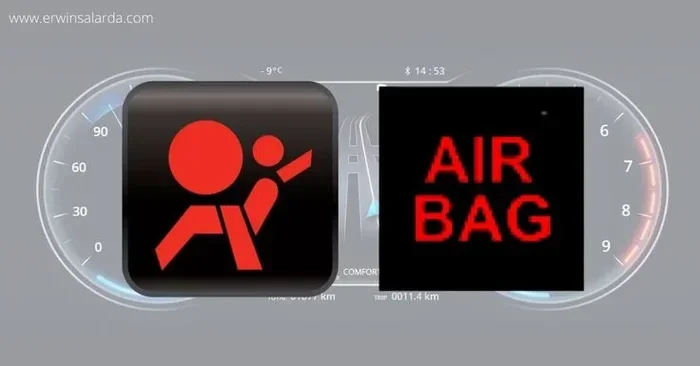
Do not skip this step. Turn the ignition to the “on” position without starting the engine. Check if the SRS light illuminates on the dashboard. If it does, the system has recognized the deactivation. If the light does not come on, double-check your fuse and connector connections.
You can also use an airbag diagnostic tool to confirm the system status. These tools are available at most auto parts stores. They read the error codes stored in the airbag control unit and confirm that the system is safely disabled. This verification step ensures that you can work without risk.
Tools and Equipment You Will Need
Before you begin, gather all the tools you will need. Having everything ready prevents delays and mistakes. Here is a complete list of what you should have on hand.
Essential Safety Gear
- Safety glasses – Protect your eyes from debris and accidental deployment
- Insulated gloves – Prevent electrical shock from residual current
- Workshop manual – Your vehicle-specific guide for fuse locations and connector positions
- Flashlight – For seeing inside the dashboard and under the steering column
Diagnostic and Hand Tools
- Fuse puller – For safely removing fuses without damaging them
- Multimeter – To verify that power is fully off before touching components
- Socket set – For removing dashboard panels if needed
- Airbag diagnostic scanner – To confirm system status and clear error codes
- Soft cloth or rubber mat – To place connectors on and prevent accidental contact
Using the right tools makes the process safer and more efficient. Never use damaged or improvised tools. The airbag system is sensitive, and improper handling can cause issues. If you do not have a multimeter, consider borrowing one from a friend or purchasing one from an auto parts store.
Step-by-Step Airbag Deactivation Process
Now that you understand the reasons and have your tools ready, let us walk through the full process. Follow these steps carefully for a safe and successful deactivation.
Prepare Your Workspace
Choose a well-lit, flat area to work in. Make sure your vehicle is parked on level ground. Engage the parking brake and turn off all accessories. Remove any metal jewelry that could cause a short circuit. A clean workspace reduces the risk of accidents. Keep children and pets away from the work area.
Disconnect the Negative Battery Terminal
Locate your car battery. Using a wrench, disconnect the negative terminal first. This cuts the main power supply to the vehicle. Wait at least fifteen minutes after disconnecting. This ensures all residual power drains from the airbag circuit and the SRS system.
Pro tip: Always disconnect the negative terminal first. Reconnect it last. This prevents accidental short circuits during the process. It is a simple habit that makes a big difference in safety.
Remove the Airbag Fuse
Open the fuse box and locate the airbag fuse. Use your fuse puller to remove it. Some vehicles have multiple airbag fuses. Check your vehicle manual to identify all of them. Remove each one carefully. If you are unsure which fuse controls the airbag, consult a professional. Removing the wrong fuse can affect other systems in your vehicle.
Disconnect the Airbag Connector
Find the airbag connector under the steering column or behind the dashboard panels. Press the release clip and gently pull the connector away. Do not yank or twist the wiring. Handle the airbag wiring with care to avoid damage.
Once disconnected, tuck the connector away from metal surfaces. Place it on a soft cloth or in a non-conductive container. This prevents accidental contact that could trigger the system.
Verify the System Is Deactivated
Reconnect the battery and turn the ignition to “on.” Watch for the SRS light on the dashboard. If it stays on, the system is properly deactivated. If it turns off quickly, something may not be connected correctly. Go back and check your work.
You can also perform an airbag diagnostic scan at this point. A diagnostic tool will confirm that the system is in a safe, non-deployable state. This gives you confidence that you can proceed with your repairs or installations safely.
Reactivating Your Airbag After Deactivation
Once you have completed your work, you need to reactivate the airbag system. This is just as important as the deactivation process. A non-functioning airbag puts you and your passengers at risk every time you drive.
When to Reactivate
Reactivate your airbag as soon as you finish your work. Do not drive the vehicle without a functioning airbag system for longer than necessary. The airbag is a critical component of your vehicle safety system. It should always be operational when you are on the road. Think of it this way: you would not drive without your seatbelt on. Driving without a working airbag is similar.
Steps to Restore Your Airbag System
- Disconnect the battery again before reconnecting any components.
- Reconnect the airbag connector firmly until you hear it click into place.
- Replace the airbag fuse in its proper slot.
- Reconnect the negative battery terminal.
- Turn the ignition to “on” and check if the SRS light turns off.
- Perform an airbag diagnostic scan to clear any error codes that may have been stored.
If the SRS light stays on after reactivation, there may be an issue. The airbag control unit may need to be reset. In some cases, a professional airbag service is required to clear persistent error codes. Do not ignore a persistent warning light. It could mean the system will not deploy in a collision, leaving you unprotected.
Common Mistakes to Avoid When Deactivating the Airbag
Deactivating the airbag is not something to take lightly. There are several mistakes that people commonly make. Avoiding these errors keeps you safe and protects your vehicle.
Skipping Safety Precautions
The biggest mistake is rushing or skipping safety steps. Never work on the airbag system with the engine running. Always wait for the capacitor to discharge. Always disconnect the battery before touching any components. Skipping these steps can result in accidental deployment, which can cause serious injury. The airbag deploys with enough force to cause broken bones or worse. Respect the system and give it the caution it deserves.
Forgetting to Reactivate the System
Another common error is forgetting to turn the system back on after completing your work. After finishing your repairs or installations, always verify that the airbag is active. Driving with a deactivated airbag is a safety risk. Set a reminder for yourself if needed. Some people even place a note on the dashboard as a visual reminder until the system is fully restored.
Using Improper Tools
Do not use metal tools near the airbag connector. Metal can cause a short circuit. Always use insulated tools and follow the procedures in your vehicle manual. If you are unsure about any step, it is better to seek professional help than to risk damaging the system. A damaged airbag connector can be expensive to replace and may compromise your safety.
Ignoring the Airbag Warning Light
If your airbag warning light remains on after reactivation, do not ignore it. This light indicates a problem with the airbag system. It could mean the system will not deploy in a collision. Have the issue diagnosed and repaired before driving the vehicle. Sometimes a simple airbag reset clears the light. Other times, the airbag sensor or airbag module may need replacement.
Remember, a blown fuse can sometimes cause the airbag light to come on. If this happens, replacing the fuse may resolve the issue. However, if the light persists, there is likely a deeper problem that needs professional attention. For more information about airbag warning lights, check our guide on can a blown fuse cause the airbag light to come on.
When to Call a Professional
Not everyone is comfortable working on their vehicle’s airbag system. And that is perfectly okay. There are times when calling a professional is the best decision. Here are situations where you should seek expert help.
If you are unsure about any step in the deactivation process, consult a certified mechanic. Working on the airbag system incorrectly can void your vehicle warranty. It can also create a safety hazard. A professional has the training and equipment to handle the job correctly. They can also perform a thorough airbag diagnostic to ensure everything is functioning properly.
Additionally, if your diagnostic scan reveals complex error codes, a professional should handle the repair. Modern vehicles have sophisticated airbag control units that require specialized tools to service. Trying to fix these issues yourself can lead to costly mistakes. The expense of professional help is small compared to the cost of a malfunctioning safety system.
Finally, if you notice any unusual behavior from your airbag system after reactivation, stop driving and seek help immediately. A malfunctioning airbag is a serious safety concern that should not be ignored. Trust your instincts. If something does not feel right, have it checked out by a qualified technician.
Whether you are performing routine maintenance or addressing a specific issue, always prioritize safety. The airbag is there to protect you and your loved ones. Treat it with the care and respect it deserves, and it will do its job when you need it most.
Frequently Asked Questions
Can I deactivate the airbag myself, or should I always see a mechanic?
You can deactivate the airbag yourself if you follow the proper steps and have the right tools. However, if you are not comfortable working with electrical systems, it is always best to consult a professional. A certified mechanic has the training and equipment to handle the job safely and correctly.
How long does it take to deactivate and reactivate the airbag?
The entire process typically takes about 30 to 45 minutes. This includes waiting for the capacitor to discharge, removing the fuse, disconnecting the connector, and verifying the deactivation. Reactivation takes about the same amount of time. The exact duration depends on your vehicle model and the complexity of the airbag layout.
What happens if the airbag deploys accidentally during deactivation?
Accidental deployment can cause serious injury. This is why waiting for the capacitor to discharge and disconnecting the battery are critical steps. Always wear safety glasses and insulated gloves. If an accidental deployment does occur, do not attempt to reinstall the airbag module yourself. Have a professional handle the replacement.
Will deactivating the airbag void my vehicle warranty?
It depends on your warranty terms and why you are deactivating the system. Routine maintenance and repairs done correctly should not void your warranty. However, if improper deactivation causes damage to the airbag system, your warranty may not cover the repairs. Always check with your dealer or warranty provider if you are unsure.
Can a blown fuse cause the airbag warning light to stay on?
Yes, a blown fuse is one of the most common reasons for an illuminated airbag warning light. When the airbag fuse blows, it cuts power to the system and triggers the warning. If you notice the light staying on, checking the fuse is a good first step. For more details on this topic, visit our guide on blown fuses and airbag lights.
Is it safe to drive with the SRS light on?
No, it is not safe to drive with the SRS light on. This warning indicates a problem with your airbag system. In a collision, the airbag may not deploy, leaving you unprotected. Have the issue diagnosed and repaired as soon as possible. If the light comes on while driving, pull over safely and have the vehicle towed to a repair shop if needed.
=== CONCLUSION ===
Deactivating the airbag on your vehicle is a task that demands respect and careful attention. Whether you are installing aftermarket seats, performing repairs, or working on the dashboard, following the proper steps keeps you safe and protects your vehicle. Always disconnect the battery, remove the fuse, and verify the deactivation before touching any components.
Remember to reactivate the system as soon as your work is complete. A functioning airbag is one of the most important safety features in your car. Treat it with care, use the right tools, and do not hesitate to call a professional when needed. By following this guide, you can confidently handle airbag deactivation and keep your vehicle safety system in top shape for years to come.