Can Passengers Drink Alcohol in a Car While Driving
Can passengers drink alcohol in a car? The answer depends on your state and the type of vehicle you are in. While a few states allow passenger drinking, most have strict open container laws that ban alcohol consumption for everyone in the vehicle. Understanding these rules helps you avoid fines, penalties, and dangerous situations on the road.
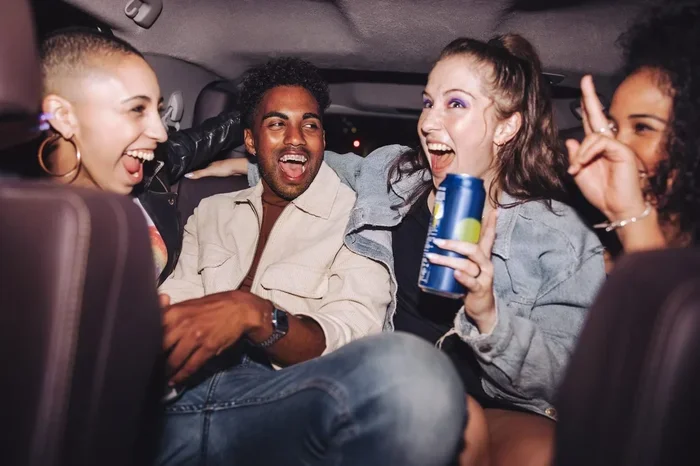
Have you ever been on a road trip and wondered if your friend could crack open a beer while riding in the back seat? It is a very common question, especially during holidays, long drives, and weekend getaways. The short answer is that it depends on where you are and which state you are driving through. Can passengers drink alcohol in a car? The rules are not as simple as a plain yes or no.
Every state in the US has its own set of open container laws that dictate what is allowed inside a vehicle. Some states let passengers enjoy a drink during a ride, while others treat any alcohol consumption in a car as a serious offense. Drinking and driving laws go far beyond just the person behind the wheel. Passengers can face penalties too, and the driver may share the blame for what happens inside the vehicle. Understanding these rules can save you from expensive fines, legal trouble, and even jail time.
In this article, we will break down everything you need to know about passenger alcohol laws. We will cover how open container laws work by state, explain what counts as a violation, and share practical tips for staying safe and legal on the road. Whether you are planning a cross-country road trip or just curious about the rules, this guide has you covered. We will also look at special vehicle types, common mistakes, and expert insights that make this topic easier to understand.
Key Takeaways
- Laws vary by state: Some states allow passengers to drink in cars, while others ban it entirely for everyone in the vehicle.
- Open container laws are strict: Even in states that allow passenger drinking, there are specific rules about where containers can be stored and who can access them.
- Drivers can be held responsible: A drunk passenger can still cause legal issues for the driver, especially if the driver allows the violation to occur.
- Penalties are real: Fines, license points, insurance hikes, and even jail time can result from violating open container laws.
- Special vehicles have different rules: Limousines, party buses, rental cars, and RVs all have their own alcohol regulations that differ from standard passenger vehicles.
- Knowledge is your best defense: Understanding local vehicle alcohol regulations and car alcohol rules keeps you safe and legal on every trip.
📑 Table of Contents
- What Are Open Container Laws?
- Can Passengers Drink Alcohol in a Car? State-by-State Guide
- Why Do These Laws Exist?
- Penalties for Violating Open Container Laws
- Special Vehicle Types and Their Alcohol Rules
- Common Mistakes People Make With Alcohol in Cars
- Tips for Staying Safe and Legal on the Road
- Expert Insights on Passenger Alcohol Laws
- Conclusion
What Are Open Container Laws?
Open container laws are state regulations that control the possession and consumption of alcohol inside a vehicle. These laws exist to promote road safety and reduce the number of drunk driving incidents across the country. The federal government encouraged all states to adopt these laws through the Transportation Equity Act back in 1998. States that did not comply with the federal guidelines faced the risk of losing federal highway funding.
Today, most states have some form of open container law on the books. However, the rules differ significantly from one state to another. Let us break down the key elements of these laws so you understand exactly what they mean for you and your passengers.
What Counts as an Open Container?
An open container is any alcoholic beverage that has been opened, has a broken seal, or is partially consumed. This definition covers beer bottles, wine glasses, cocktail cups, and even cans that have been cracked open. In many states, even if the container is technically full but the original seal is broken, it can still be considered an open container. The definition matters a great deal because it determines whether a passenger or driver is violating the law. For example, a sealed bottle of wine in the trunk is usually fine. But the same bottle, once opened and poured into a glass, becomes a violation in most states.
Where Are Open Containers Allowed?
Some states allow open containers only in specific areas of a vehicle. For example, certain states permit alcohol to be stored in the trunk or in a locked glove compartment where passengers cannot easily access it. Other states allow passengers in the back seat of a limousine or a chartered bus to drink legally. The location of the container and the type of vehicle play a big role in determining whether it is legal. This is why knowing the specific car alcohol rules for your state is so important before you start your journey.
Can Passengers Drink Alcohol in a Car? State-by-State Guide
The answer to whether passengers can drink alcohol in a car changes depending on your location. There is no single federal rule that applies everywhere. Instead, each state sets its own state alcohol laws, which means the rules you follow in New York may be completely different from the rules in Missouri. Here is a closer look at how different states handle this issue.
States Where Passengers Can Drink
A handful of states have more relaxed rules when it comes to passenger alcohol consumption inside a moving vehicle. These states generally allow passengers to enjoy a drink, but there are still important restrictions you need to know about.
- Arkansas: Passengers can drink alcohol in a car, but the driver cannot consume any alcohol while operating the vehicle.
- Connecticut: Passengers who are over the legal drinking age of 21 may consume alcohol in a vehicle.
- Delaware: Passenger drinking is allowed, but the driver must remain completely sober at all times.
- Missouri: Missouri is widely known for its relaxed alcohol laws. Passengers can legally drink alcohol in a moving car.
- Tennessee: Passengers can consume alcohol, but open containers must be stored in the proper location and out of the driver’s reach.
Even in these more lenient states, there are rules you must follow. For example, the driver can still be charged if an open container is found within easy reach. Passenger liability can also come into play if a drunk passenger becomes disruptive or tries to interfere with the driver. The driver has a responsibility to maintain control of the vehicle, and failing to do so can result in penalties for everyone involved.
States Where Passengers Cannot Drink
Most states in the US prohibit any alcohol consumption by passengers in a moving vehicle. These states have strict vehicle alcohol regulations that leave very little room for interpretation or flexibility.
- California: All open containers must be stored in the trunk. Passengers are not allowed to drink alcohol in the vehicle at any time.
- Florida: Both drivers and passengers are banned from drinking alcohol in a car. This is one of the stricter states when it comes to alcohol in vehicles.
- New York: Open containers are illegal for everyone in the vehicle, including passengers in the back seat.
- Texas: Passengers cannot drink in the passenger area of a vehicle. Open containers must be stored in the trunk.
- Illinois: No alcohol consumption is allowed in the passenger area of any vehicle, regardless of who is drinking.
In these states, even having an open bottle in the cup holder or a passenger’s hand can result in a fine. The open container violation applies to every person in the car, not just the driver. This means that even if you are just a passenger minding your own business, you can still be cited for breaking the law.
Why Do These Laws Exist?
The presence of alcohol in vehicles has been linked to countless accidents, injuries, and fatalities over the decades. The reason open container laws exist is simple: safety. When anyone in a vehicle is drinking, it creates a risky environment for everyone on the road. Let us explore the deeper reasons behind these regulations.
The Connection Between Drinking in Cars and Accidents
Studies conducted by traffic safety organizations show that drinking and driving remains one of the leading causes of road accidents in the United States. But it is not just the driver who poses a risk. A drunk passenger can also create dangerous situations. A passenger who is intoxicated might try to grab the steering wheel, distract the driver with loud behavior or arguments, or even climb into the driver’s seat and attempt to drive. These scenarios put everyone in the vehicle and on the surrounding roads at serious risk.
Another concern is the driver’s reaction time. If a passenger is drinking and the driver feels pressured to drink as well, the entire driving environment becomes more dangerous. Alcohol consumption in vehicles can quickly escalate from one person having a beer to everyone in the car being impaired. This is exactly why lawmakers created these regulations in the first place.
How Open Container Laws Reduce Risk
Vehicle safety laws like open container regulations help reduce the temptation to drink while driving. They also make it easier for law enforcement officers to identify and address impaired driving situations. When there are no open containers visible in a vehicle, it is clearer that everyone is focused on safe travel. These laws serve as a preventive measure that keeps alcohol use separate from the act of driving. The goal is not to punish people for enjoying a drink. It is to create a clear boundary that keeps roads safer for all of us.
Penalties for Violating Open Container Laws
Breaking open container laws can lead to serious consequences. The penalties vary depending on the state, the specific situation, and whether the driver or the passenger is at fault. Here is a closer look at what you could face if you violate these laws.
Fines and Fees
Most states impose fines for open container violations. These fines can range from as low as $50 to as high as $500 or more, depending on the state and the circumstances. In some cases, the fine amount increases significantly if the violation occurs in a school zone, near a highway, or in a construction zone. Repeat offenders often face even steeper fines. What starts as a small mistake can quickly become an expensive lesson.
License Points and Suspension
In many states, an open container violation can add points to your driver’s license. Each state has its own point system, but accumulating too many points can lead to license suspension or revocation. This is especially true if the driver is also found to be impaired by alcohol. Even if you are just a passenger, the driver’s license of the person behind the wheel can be affected.
Jail Time
While jail time is rare for a first-time open container violation, it is definitely possible. If a passenger is heavily intoxicated or if the situation escalates into a disturbance, the driver could face misdemeanor charges. In extreme cases, such as when a drunk passenger takes control of the steering wheel and causes an accident, the penalties become much more severe. Jail time, community service, and mandatory alcohol education programs can all be part of the sentence.
Impact on Car Insurance
Even a minor open container violation can affect your car insurance rates. Insurance companies view any traffic violation as a sign of risky behavior. Over time, these violations can add up and cost you hundreds or even thousands of dollars in higher premiums. A single ticket for an open container violation might seem small, but its long-term financial impact can be surprisingly significant.
Special Vehicle Types and Their Alcohol Rules
Not all vehicles are treated the same when it comes to alcohol laws. Certain types of vehicles have specific rules that differ significantly from standard passenger cars. If you frequently use these types of vehicles, it is especially important to understand the differences.
Limousines and Party Buses
Limousines and party buses often operate under a different set of rules. In many states, passengers in a hired limousine or party bus are allowed to drink alcohol during the ride. This is because the driver is a professional who is focused solely on operating the vehicle safely. The passenger area is treated more like a private space where alcohol consumption is permitted. However, even in these vehicles, there may be rules about where containers can be placed. Drivers of limousines and party buses are also required to follow specific regulations regarding the transportation of open alcohol containers.
Rental Cars and Ride-Share Vehicles
Can you drink in a rental car or an Uber? The answer is usually no. Rental car companies like Hertz, Enterprise, and Avis generally prohibit alcohol consumption in their vehicles. This rule is outlined in the rental agreement that customers sign. Ride-share services like Uber and Lyft also have strict policies against open containers in their vehicles. Violating these rules can result in fines from the company, extra cleaning fees, or even a permanent ban from using the service. Always check the specific rules before you bring any alcohol into a rental or ride-share vehicle.
RVs and Motorhomes
Recreational vehicles have their own unique set of rules. In many states, passengers in the living area of an RV can drink alcohol while the vehicle is parked and stationary. However, when the RV is in motion, the same open container laws apply as to any other vehicle on the road. Drinking in the driver’s area of an RV while it is moving is almost always illegal. The key distinction is whether the vehicle is in motion or parked. When the RV is parked at a campsite or rest area, the rules are typically more relaxed.
Common Mistakes People Make With Alcohol in Cars
Even well-meaning travelers can run into serious trouble with alcohol laws in vehicles. Here are some of the most common mistakes that people make and how you can avoid them.
Assuming All States Have the Same Rules
The biggest mistake travelers make is assuming that the alcohol rules are the same everywhere. Just because passenger drinking is legal in one state does not mean it is legal in the next. If you are driving through multiple states on a road trip, the rules can change at every border. Always research the state alcohol laws for every state on your route before you hit the road. What is perfectly legal in Missouri could earn you a fine in Illinois.
Leaving an Open Container Within Reach of the Driver
Even in states where passenger drinking is allowed, having an open container within the driver’s reach can lead to serious trouble. The driver can be cited for an open container violation even if the driver did not take a single sip. The law often focuses on accessibility and control. If the driver could have reached the container, they may be held responsible. Always store alcohol in the trunk or a locked area that is out of everyone’s reach.
Ignoring Local Ordinances
Some cities and counties have their own alcohol regulations that go beyond state laws. These local ordinances can be stricter than the state-level rules. For example, a city might have additional restrictions on alcohol consumption in vehicles that the state does not enforce. Always check both state and local rules before consuming alcohol in a vehicle. A quick search online or a call to local authorities can save you from an unexpected fine.
Thinking a Small Amount Is Okay
Another common mistake is thinking that having just a small sip or a half-full container is not worth worrying about. The law does not care about the amount. If the container is open and it is in the passenger area of the vehicle, it is a violation in most states. There is no “safe” amount when it comes to open containers in cars.
Tips for Staying Safe and Legal on the Road
Following a few simple tips can help you avoid trouble and keep everyone safe during your travels. These practical suggestions apply whether you are the driver or a passenger.
- Know the laws before you travel: Research the open container laws for every state on your route. A quick online search can save you from costly mistakes.
- Store alcohol properly: Keep open containers in the trunk or a locked area where passengers cannot easily access them.
- Designate a sober driver: If you plan to drink, make sure someone in the group stays completely sober and focused on driving.
- Use alternative transportation: If you plan to drink, consider using a taxi, ride-share service, or public transit instead of driving yourself.
- Do not let drunk passengers drive: Even if the driver is asleep or incapacitated, a drunk passenger taking the wheel puts everyone at serious risk.
- Be respectful of the driver: A distracted driver is a dangerous driver. Keep noise and disruptions to a minimum so the driver can stay focused on the road.
Expert Insights on Passenger Alcohol Laws
We spoke with traffic safety experts to get their professional take on passenger drinking laws. Here is what they had to say about the importance of understanding and following these regulations.
“The goal of open container laws is not to ruin fun or take away people’s freedom. The goal is to keep everyone safe on the road. Even passenger drinking can lead to distraction, impaired judgment, and dangerous situations that no one plans for,” says a spokesperson from the National Highway Traffic Safety Administration.
Experts also emphasize that driver responsibility extends to what happens inside the vehicle. A driver who allows drunk passengers to roam freely or who fails to store alcohol properly may face legal consequences if something goes wrong. Being aware of the law and taking proactive steps is the best approach for every driver and passenger. As one traffic safety expert puts it, “The best way to avoid trouble is to understand the law before you need it.”
Conclusion
Can passengers drink alcohol in a car? The answer is not a simple yes or no. It depends entirely on your state, your vehicle type, and the specific circumstances of your trip. While a few states allow passenger drinking, the majority have strict rules that prohibit it for everyone in the vehicle. Understanding open container laws and vehicle alcohol regulations is essential for every driver and passenger who wants to stay safe and legal.
The safest choice is always to avoid alcohol consumption in any moving vehicle. If you do plan to drink, make sure you have a designated sober driver or use alternative transportation like a taxi or ride-share service. Knowing the law, staying informed about car alcohol rules, and making smart decisions will keep you and everyone on the road safe. Staying legal and staying safe go hand in hand when it comes to alcohol and vehicles. Take the time to learn the rules, and you will enjoy your travels with peace of mind.
Frequently Asked Questions
Is it legal for passengers to drink alcohol in a car in all states?
No, it is not legal in all states. Only a few states like Missouri, Arkansas, and Connecticut allow passengers to drink in a moving vehicle. Most states have strict open container laws that prohibit alcohol consumption for everyone in the car.
Can the driver get in trouble if a passenger drinks in the car?
Yes, in many states the driver can be held responsible if a passenger has an open container within reach. The driver is expected to maintain control of the vehicle and ensure that all passengers follow the law. Violations can result in fines and license points for the driver.
What happens if a drunk passenger tries to drive the car?
If a drunk passenger takes the wheel, both the passenger and the driver can face serious legal consequences. The driver may be charged with allowing an impaired person to operate the vehicle. The drunk passenger can face DUI charges, fines, and even jail time.
Are the alcohol rules different for limousines and party buses?
Yes, in most states, passengers in hired limousines and party buses are allowed to drink. This is because the driver is a professional focused solely on driving. However, there are still rules about where containers can be stored, and not all states allow this.
Can you drink alcohol in a rental car?
Most rental car companies prohibit alcohol consumption in their vehicles. This rule is part of the rental agreement. Violating this policy can result in extra fees, cleaning charges, or a ban from using the service in the future.
Do open container laws apply to parked cars?
This depends on the state. In some states, open container laws still apply even if the car is parked on the side of the road. Other states are more lenient for parked vehicles. Always check your local laws to be sure.