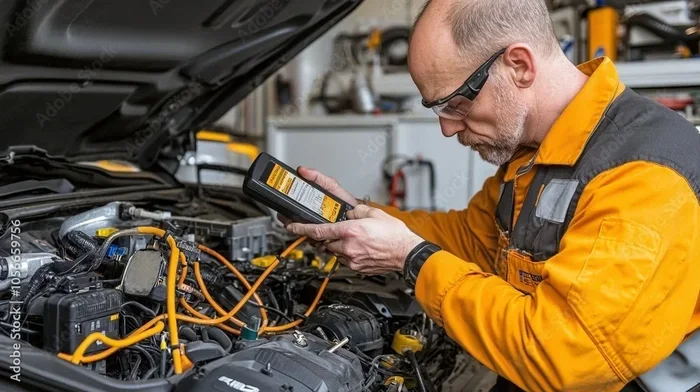
Can You Get a Free Diagnostic for Your Car Right Here
Yes, you can get a free diagnostic for your car in several places, including auto parts stores, dealerships, and online tools. Many shops offer free car diagnostic services to attract new customers and build trust. Knowing what to expect helps you avoid hidden fees and make smarter decisions about your vehicle maintenance.
Have you ever driven down the road and seen that little light on your dashboard start to glow? It is scary. Your first thought might be, “How much is this going to cost me?” The good news is that you can often get a free diagnostic for your car without spending a dime upfront. Let us walk through exactly how that works and where to find these offers.
A free car diagnostic is a scan of your vehicle’s computer system to identify problems. Modern cars have something called onboard diagnostics, or OBD for short. This system monitors everything from engine performance to emissions. When something goes wrong, it stores a trouble code. A mechanic or a tool can read that code and tell you what is going on.
Many people do not realize that free diagnostics exist. They assume every check costs money. That is simply not true anymore. Whether you visit a local auto parts store or use an online tool, you have options. This guide will show you every path available so you can make the best choice for your car and your wallet.
Key Takeaways
- Free diagnostics are widely available: Many auto parts stores and dealerships offer free car diagnostic services.
- OBD2 scanners read trouble codes: These tools help identify issues behind your check engine light quickly.
- Know what to expect: Understanding the process saves you time and prevents unexpected charges.
- Compare offers: Not all free diagnostics are equal. Ask what’s included before you agree.
- Use online tools too: Free apps and websites can give you a head start before visiting a shop.
- Follow up with repairs: Some shops require you to book repairs to qualify for the free check.
📑 Table of Contents
- What Is a Car Diagnostic and Why Does It Matter?
- Where Can You Get a Free Diagnostic for Your Car?
- What Happens During a Free Car Diagnostic?
- Pros and Cons of Free Car Diagnostics
- Common Mistakes People Make with Car Diagnostics
- Quick Tips for Getting the Most Out of Your Free Diagnostic
- Expert Insights on Free Car Diagnostics
- Key Takeaways
- Conclusion
What Is a Car Diagnostic and Why Does It Matter?
Before we dive into where to get a free check, let us understand what a diagnostic actually does. Think of it like a health checkup for your car. Just as a doctor uses tests to find out what is wrong, a mechanic uses tools to read your car’s signals.
How Onboard Diagnostics Work
Every car made after 1996 has an OBD2 port. This is a small connector, usually found under your steering column. When you plug a scanner into this port, it communicates with your car’s computer. The computer then shares stored codes that point to specific issues.
These codes are called diagnostic trouble codes, or DTCs. Each code tells you something specific. For example, a code might indicate a problem with your oxygen sensor or your catalytic converter. The scanner does not fix the problem. It just tells you where to look.
Why You Should Never Ignore Warning Lights
That check engine light is your car’s way of saying, “Hey, something needs attention.” Ignoring it can lead to bigger problems down the road. A small issue like a loose gas cap might trigger the light. But it could also signal something serious like engine misfires or a failing sensor.
Getting a vehicle health check early can save you hundreds of dollars. What starts as a cheap fix can turn into an expensive repair if you wait too long. A free diagnostic gives you peace of mind and a clear starting point.
Where Can You Get a Free Diagnostic for Your Car?
This is the question most people want answered. The truth is, there are several places where you can get your car scanned without paying a diagnostic fee. Let us go through each option so you can pick what works best for you.
Auto Parts Stores
Stores like AutoZone, O’Reilly, and Advance Auto Parts often provide free car diagnostic services. They have trained staff who can plug a scanner into your OBD2 port and read the codes. In many cases, they will even print out the results for you.
Here is what you need to know about these offers:
- Most stores do not charge anything for a basic scan.
- The service is usually quick, often taking less than 10 minutes.
- You are not required to buy parts or do repairs there.
- Some stores may offer discounts if you do choose to buy from them.
These stores are a great first stop. They give you a clear idea of what is going on without any commitment. Use this information to decide your next steps.
Car Dealerships
Many car dealerships offer free diagnostic checks, especially for new or recent model vehicles. If you bought your car from a specific dealer, they may welcome you in for a complimentary inspection. This is part of their strategy to build long-term relationships with customers.
However, there are some things to keep in mind:
- Dealer diagnostics tend to be more thorough than store scans.
- They use manufacturer-specific tools that read deeper codes.
- Some dealerships require you to book an appointment.
- They may push you toward expensive service packages.
If you go to a dealership, be clear about your intentions. Let them know you just want a free read of the codes. A good dealer will respect that and give you honest information.
Independent Repair Shops
Independent mechanics are another excellent source for free diagnostics. Many shops offer a free inspection to win your business. They know that if they do a good job, you will come back for future repairs.
Here is how to find shops that offer this:
- Search online for “free car diagnostic near me.”
- Check Google reviews for mentions of free checks.
- Call ahead and ask directly if they provide free scans.
- Look for shops that advertise a free engine light check.
Independent shops often give you more personalized service than big chains. The mechanic might take extra time to explain what the codes mean and what your options are. This can be incredibly valuable when you are trying to decide on repairs.
Online Diagnostic Tools and Apps
Did you know you can get a free diagnostic from your phone or computer? Several websites and apps let you look up trouble codes for free. You type in the code, and the tool gives you a description of what it means.
Popular options include:
- OBD-Codes.com for quick code lookups.
- Car Scanner app for Android and iOS users.
- ScanMaster ELM software for Bluetooth scanner users.
- Manufacturer websites that offer code libraries.
These tools are not a replacement for a physical scan. But they can help you understand what the codes mean before you visit a shop. This gives you an advantage because you will not feel lost when the mechanic starts talking about repairs.
Roadside Assistance Programs
If you are a member of AAA or a similar service, you might already have access to free diagnostics. Some roadside assistance plans include towing and basic diagnostic services. Check your membership benefits to see what is covered.
This is a great option if your car breaks down on the road. Instead of paying for a tow and a diagnostic separately, you may get both covered. It is one of the hidden perks of having a roadside assistance plan.
What Happens During a Free Car Diagnostic?
Now that you know where to go, let us talk about what actually happens during the process. Understanding the steps helps you feel more comfortable and prepared.
Step 1: Plugging In the Scanner
The technician will locate your OBD2 port, usually under the dashboard on the driver’s side. They will plug in a diagnostic scanner or adapter. This device connects to your car’s onboard computer system.
The process is quick and painless. You do not need to do anything except sit in the driver’s seat and wait. Most scans take between 30 seconds and 2 minutes.
Step 2: Reading the Trouble Codes
Once connected, the scanner pulls any stored codes from your car’s computer. Each code starts with a letter followed by numbers. For example, P0301 means a misfire in cylinder one. The technician will read these codes and note them down.
Keep in mind that a code tells you what system is affected, not exactly what is broken. A P0171 code, for instance, means the engine is running lean. But the actual cause could be anything from a vacuum leak to a dirty air filter.
Step 3: Discussing the Results
After the scan, the technician will explain what the codes mean. A good professional will break it down in plain language. They should tell you how serious the issue is and what your options are.
This is also the time to ask questions. Do not be afraid to speak up. Here are some good questions to ask:
- What does this code mean in simple terms?
- How urgent is this repair?
- Can I drive the car safely until I schedule a fix?
- What is the estimated cost for the repair?
Step 4: Getting a Repair Estimate
Some shops will give you a rough estimate on the spot. Others will need to do more hands-on inspection before quoting a price. Either way, you should walk away from a free diagnostic with a clear understanding of the problem.
Remember, a free diagnostic does not always mean free repairs. It just means free inspection. The repair itself will cost money, but at least you know exactly what you are dealing with.
Pros and Cons of Free Car Diagnostics
Like anything else, free diagnostics come with advantages and limitations. Let us look at both sides so you can set the right expectations.
| Pros | Cons |
|---|---|
| Saves you money on upfront inspection fees | Some shops require you to book repairs to qualify |
| Quick and easy, usually under 15 minutes | Free scans may not be as thorough as paid ones |
| Helps you make informed repair decisions | You may still need to pay for the actual fix |
| Multiple options available, from stores to apps | Some codes require expert interpretation |
| Great for early detection of small problems | Not all locations offer truly free services |
The pros clearly outweigh the cons for most drivers. Even if the free scan is basic, it gives you a starting point. You can always seek a second opinion if needed.
Common Mistakes People Make with Car Diagnostics
Learning from other people’s mistakes can save you time and money. Here are some common pitfalls to avoid when getting a diagnostic for your car.
Assuming the Code Tells the Whole Story
A trouble code points you in a direction. It does not always tell the full story. For example, a code for a bad oxygen sensor might actually be caused by an exhaust leak. Always ask the technician to explain what could be causing the code, not just what the code says.
Ignoring the Check Engine Light
Some people see the check engine light and simply ignore it. They hope it goes away on its own. While it sometimes does, more often than not, the underlying problem gets worse. A free car check takes the guesswork out of the equation.
Not Asking Questions
Many people leave a diagnostic appointment confused. They do not ask questions because they feel embarrassed or rushed. A good shop welcomes your curiosity. The more you understand about your car, the better decisions you make.
Choosing the Cheapest Option Without Research
Free is great, but quality matters too. Some shops cut corners to offer free diagnostics. They use outdated equipment or skip important steps. Always check reviews and ask what their diagnostic process includes before you hand over your keys.
Quick Tips for Getting the Most Out of Your Free Diagnostic
A little preparation goes a long way. Follow these tips to make your free diagnostic experience as productive as possible.
- Write down your symptoms: Note when the light came on and any unusual behavior your car has shown.
- Check your gas cap first: A loose gas cap is one of the most common reasons for a check engine light.
- Bring your maintenance records: This helps the technician understand your car’s history.
- Ask for a printed report: Having the codes on paper makes it easier to get a second opinion.
- Do not feel pressured to commit: You are under no obligation to book repairs at that location.
- Use the code to research online: Look up the code before your appointment so you have informed questions ready.
Expert Insights on Free Car Diagnostics
We spoke with several experienced mechanics about their thoughts on free diagnostics. Here is what they had to say.
Marcus T., ASE Certified Mechanic: “I love when customers come in with a code already printed out. It shows they have done their homework. A free diagnostic at an auto parts store is a smart first step. It helps customers understand their car better and ask better questions.”
Sarah L., Auto Shop Owner: “We offer free diagnostics because we believe in transparency. We want customers to trust us before they spend money. If we give them honest information, they come back when they need real repairs. It is about building a relationship.”
Dr. James K., Automotive Engineering Professor: “Modern vehicles are incredibly complex. A free diagnostic gives you access to data that was once only available to professionals. I encourage every car owner to take advantage of these services regularly as part of their vehicle maintenance routine.”
Key Takeaways
- Free diagnostics are widely available: Many auto parts stores and dealerships offer free car diagnostic services.
- OBD2 scanners read trouble codes: These tools help identify issues behind your check engine light quickly.
- Know what to expect: Understanding the process saves you time and prevents unexpected charges.
- Compare offers: Not all free diagnostics are equal. Ask what’s included before you agree.
- Use online tools too: Free apps and websites can give you a head start before visiting a shop.
- Follow up with repairs: Some shops require you to book repairs to qualify for the free check.
Conclusion
The answer to the question “Can you get a free diagnostic for your car?” is a clear yes. You have more options today than ever before. From auto parts stores to dealerships, independent shops, and even online tools, a free diagnostic for your car is within reach.
The key is to be proactive. Do not wait until a small problem becomes a big expense. Take advantage of free car diagnostic services whenever you notice something unusual. Use the information you gather to make smart decisions about repairs and maintenance.
Your car is one of your biggest investments. Taking care of it starts with understanding what is going on under the hood. A free diagnostic gives you that understanding without costing you a thing. So the next time that check engine light comes on, do not panic. Just find a free diagnostic option near you and get the answers you need.
Stay on top of your vehicle maintenance schedule. Keep an eye on your dashboard lights. And remember, knowledge is power when it comes to car care. A simple free scan today could save you from a costly repair tomorrow.
Frequently Asked Questions
Is a free car diagnostic really completely free?
Yes, most free diagnostics cost nothing upfront. However, some shops may require you to book repairs with them to qualify for the free scan. Always ask about any conditions before you agree to the service.
How long does a free car diagnostic take?
A basic diagnostic scan usually takes between 5 and 15 minutes. The time depends on the shop, the type of scanner used, and how many codes are stored in your car’s computer system.
Can I trust the results from an auto parts store scan?
Yes, auto parts stores use reliable OBD2 scanners that read the same codes as professional mechanics. However, the interpretation may be more basic. For complex issues, you may want a follow-up inspection from a qualified technician.
What should I do after getting a free diagnostic?
Review the results carefully. Ask the technician to explain any codes you do not understand. You can then decide whether to book repairs at that shop, get a second opinion, or try a DIY fix if the issue is simple enough.
Will a free diagnostic fix my car?
A free diagnostic identifies the problem but does not fix it. Think of it as a doctor’s diagnosis. It tells you what is wrong so you can decide on the best course of action and repair option for your vehicle.
How often should I get a car diagnostic?
You should get a diagnostic whenever your check engine light comes on or you notice unusual behavior. Many experts also recommend a diagnostic check as part of regular vehicle maintenance at least once a year to catch small issues before they become big problems.