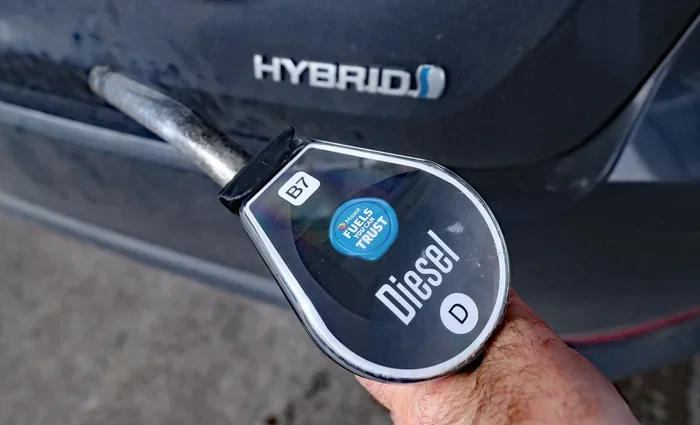
Can You Put Regular Gas in a Hybrid Car Without Any Problems
Yes, most hybrid cars can run on regular gas, but it depends on your specific hybrid model and engine design. Many hybrid vehicles are built to work perfectly fine with regular unleaded fuel, while some high-performance hybrids need premium gasoline for best results. Let’s break down everything you need to know about fueling your hybrid car the right way.
Key Takeaways
- Most hybrids accept regular gas: Standard hybrid models work great with regular unleaded fuel without any issues.
- Check your owner’s manual: Always verify your specific hybrid model’s recommended fuel type before filling up.
- Wrong fuel can hurt performance: Using premium in a regular-fuel hybrid wastes money, while using regular in a premium-required hybrid may reduce engine power.
- Hybrid fuel economy is already strong: Even with regular gas, hybrids typically deliver better miles per gallon than traditional gas-powered cars.
- Filling up is simple: Just pull into any gas station and use the regular unleaded pump unless your manual says otherwise.
- Engine design matters: The type of combustion engine and electric motor setup determines what fuel type your hybrid needs.
📑 Table of Contents
- Can You Put Regular Gas in a Hybrid Car Without Any Problems?
- What Is a Hybrid Car and How Does It Work?
- Can You Put Regular Gas in a Hybrid? The Straight Answer
- What Happens If You Use the Wrong Fuel Type?
- Tips for Fueling Your Hybrid Car the Right Way
- Hybrid Fuel Costs vs. Traditional Cars
- Common Mistakes Hybrid Owners Make
- Conclusion
Can You Put Regular Gas in a Hybrid Car Without Any Problems?
If you just bought your first hybrid vehicle, you probably have a lot of questions. One of the most common ones is about fuel. Specifically: can you put regular gas in a hybrid? The short answer is yes, in most cases. But the full answer involves a few details that every vehicle owner should know.
Hybrid cars are not one-size-fits-all. Different brands, models, and engine setups all handle fuel type differently. Some hybrids run beautifully on regular unleaded fuel. Others really want premium gas to perform at their best. This article will walk you through everything. You will learn how hybrid engines work, what fuel they need, and what happens if you choose the wrong option.
We will also share practical tips to help you save on fuel costs while keeping your car running strong. Whether you are a new hybrid owner or just curious, this guide has you covered.
What Is a Hybrid Car and How Does It Work?
Before we talk about fuel, let us quickly cover what makes a hybrid car special. A hybrid vehicle combines two power sources. It has a traditional combustion engine and an electric motor. The electric motor runs on battery power. The gas engine runs on fuel, of course.
Together, these two systems work as a team. They share the workload to move your car. This teamwork is what gives hybrids their famous fuel efficiency. You get better miles per gallon than you would in a standard gas-powered car.
How the Electric Motor Helps
The electric motor kicks in during low-speed driving. Think city streets, stop-and-go traffic, and parking lots. It also helps during torque-heavy moments like quick starts. This means the gas engine does not have to work as hard. Less work means less fuel burned.
Regenerative Braking and Energy Recovery
Here is a cool feature. Hybrids use something called regenerative braking. When you slow down or brake, the car captures that energy. It sends it back to the battery. This is a form of energy recovery. It keeps the battery partially charged without needing to plug in. Pretty smart, right?
Because of these systems, a hybrid car still needs gasoline. The combustion engine is not going anywhere. So the question of what kind of gas to use really matters.
Can You Put Regular Gas in a Hybrid? The Straight Answer
So, can you put regular gas in a hybrid? For most hybrid models on the road today, the answer is a clear yes. The majority of standard hybrids are designed to run on regular unleaded gasoline with an octane rating of 87. This is the same fuel you put in any normal car.
Popular hybrids like the Toyota Prius, Honda Civic Hybrid, and Hyundai Ioniq all run on regular gas. Their engines are tuned for it. They do not need anything extra. You can pull into any gas station, grab the regular pump, and go.
However, there is a catch. Some hybrids do require premium gasoline. These are usually high-performance or plug-in hybrid models. They have more powerful engines or specialized tuning. For those cars, regular gas is not ideal. Let us break this down further.
Regular Unleaded vs. Premium Gasoline
Not all fuel is the same. The main difference is the octane rating. Regular gas typically has an octane rating of 87. Premium gas is usually 91 or higher. The higher octane helps prevent engine knocking in high-compression engines.
Most hybrid technology works well with lower octane. The engines are built for efficiency, not raw power. But some performance-focused hybrids need that higher octane. They compress fuel more aggressively, and premium gas handles that better.
When Your Hybrid Needs Premium Fuel
Here are a few situations where a hybrid might call for premium gas:
- The manufacturer specifically recommends premium fuel in the owner’s manual.
- The car has a high-compression turbocharged engine.
- The hybrid model is a luxury or performance variant.
- The fuel cap or gas door says “Premium Fuel Required.”
If any of these apply to your car, do not skip to regular gas. You could lose power and engine performance. In worst cases, you might cause long-term damage.
What Happens If You Use the Wrong Fuel Type?
Let us say you accidentally filled your hybrid with the wrong fuel type. What happens? Well, it depends on which way you went wrong.
Putting Regular Gas in a Premium-Required Hybrid
If your hybrid needs premium but you used regular, you might notice a few things. The engine may sound slightly different. You could feel a loss of torque or acceleration power. Over time, the engine may knock or ping. This is because the lower octane cannot handle the compression level.
One tank of regular gas will not destroy your car. But making it a habit can lead to engine performance issues. The car’s computer might adjust timing to compensate. This can reduce your fuel economy and increase emissions.
Putting Premium Gas in a Regular-Fuel Hybrid
Now, what if you went the other way? You put premium in a hybrid that runs fine on regular. The good news is your car will not explode or break. But you are literally wasting money. Premium gas costs more per gallon. Your hybrid vehicle does not need the higher octane. So you get zero extra benefit.
Some people swear premium makes their car run smoother. But that is usually a placebo effect. If your manual says regular, stick with regular. Your wallet will thank you.
Quick Tip: Always Check the Fuel Door
Before every fill-up, take a second to look at your fuel door or cap. Many cars print the recommended fuel type right there. It is the easiest way to avoid mistakes. If you are unsure, pull out your owner’s manual. It takes ten seconds and saves potential headaches.
Tips for Fueling Your Hybrid Car the Right Way
Fueling a hybrid is simple once you know the basics. Here are some practical tips to keep your car happy and your fuel costs low.
Tip 1: Know Your Recommended Fuel Type
This is the most important step. Check your owner’s manual or ask the dealer. Find out if your specific model takes regular or premium. Write it down if you need to. Do not rely on guesswork or advice from other car owners. Every hybrid model is different.
Tip 2: Use Top-Tier Gas Stations
Not all gasoline is created equal. Top-tier brands meet higher detergent standards. They keep your engine cleaner. This applies to hybrids just as much as traditional cars. Brands like Shell, Costco, and Chevron often carry top-tier fuel. Using clean fuel helps maintain fuel efficiency over the life of your car.
Tip 3: Fill Up Before the Tank Gets Too Low
Try not to let your fuel drop below a quarter tank. Running very low can strain the fuel pump. It can also introduce moisture into the system. For hybrids with battery power and regenerative systems, consistent fuel supply keeps everything balanced.
Tip 4: Track Your Fuel Economy
Keep an eye on your miles per gallon. Most hybrids display this on the dashboard. If you notice a sudden drop, it could signal a fuel problem. Or maybe you accidentally used a lower-quality gas station. Tracking helps you catch issues early.
Quick Tips for Hybrid Fueling Success
- Always use the octane level your manufacturer recommends.
- Fill up at reputable, top-tier gas stations.
- Do not mix fuel types in the same tank.
- Keep your fuel tank at least a quarter full.
- Monitor your dashboard fuel economy readings regularly.
Hybrid Fuel Costs vs. Traditional Cars
One of the biggest reasons people buy a hybrid is to save money on fuel costs. Let us compare. A typical gas-powered car might get 25 to 30 miles per gallon. A standard hybrid can hit 45 to 60 mpg or even higher. That is a huge difference.
Even when you use regular gas in a hybrid, the fuel economy advantage remains. You are burning less fuel overall because the electric motor shares the load. Add in energy recovery from braking, and you have a very efficient machine.
Cost Comparison Table: Hybrid vs. Gas Car
| Category | Hybrid Car | Gas-Powered Car |
|---|---|---|
| Average MPG | 45-60 mpg | 25-30 mpg |
| Fuel Type | Regular Unleaded | Regular Unleaded |
| Annual Fuel Cost | $800-$1,200 | $1,500-$2,000 |
| Engine Load | Shared (Electric + Gas) | Gas Only |
| Maintenance Cost | Lower | Higher |
As you can see, hybrids save real money. Even though both use the same regular unleaded fuel, the hybrid needs far less of it. Over several years, those savings add up significantly. This is why hybrid technology continues to grow in popularity.
Do Premium Fuels Change the Equation?
For hybrids that require premium, the savings shrink a bit. Premium costs roughly 20 to 40 cents more per gallon. But even then, a premium-required hybrid usually still costs less to run than a comparable luxury gas-powered car. The fuel economy advantage still works in your favor.
Common Mistakes Hybrid Owners Make
New hybrid owners sometimes make avoidable mistakes. Here are a few to watch out for.
Mistake 1: Assuming All Hybrids Are the Same
This is the biggest myth. A Toyota Prius and a Lexus RX 450h are both hybrids. But they may have different fuel requirements. One might need regular. The other demands premium. Never assume. Always check your specific hybrid model.
Mistake 2: Ignoring the Owner’s Manual
The owner’s manual is your best friend. It tells you everything about your vehicle owner responsibilities. Fuel type, oil weight, tire pressure, maintenance schedules, it is all there. Skipping the manual is a recipe for trouble.
Mistake 3: Chasing Premium for “Better Performance”
If your hybrid runs on regular, premium will not give you superpowers. You will not suddenly go faster. You will not get incredible torque gains. Your car’s engine performance is already tuned for regular fuel. Save your money.
Mistake 4: Neglecting Battery Maintenance
While this is not about gas, it is related. Hybrid batteries last a long time. But they do need care. Avoid deep discharges. Keep your battery power system healthy through regular driving. A well-maintained battery supports better fuel efficiency overall.
Expert Insight: What Mechanics Want You to Know
Most mechanics will tell you the same thing. Use the fuel your car was built for. If the manual says regular, use regular. If it says premium, do not be cheap. The cost of premium is far less than the cost of engine repairs. Simple advice, but people skip it all the time.
Another expert tip: If you are ever unsure, call your local dealership. Ask them directly. They deal with this question every day. It is their job to help vehicle owners get it right.
Conclusion
So, can you put regular gas in a hybrid car without any problems? In almost all cases, yes. Most hybrid vehicles run perfectly well on regular unleaded fuel. You get great fuel efficiency, solid engine performance, and lower fuel costs compared to traditional cars.
The key is knowing your specific model. Check the manual. Read the fuel door. Follow the manufacturer’s guidance. Do not guess, and do not assume all hybrids are alike. With the right fuel, your hybrid will reward you with years of reliable, efficient driving.
Now you have the knowledge. Go fill up with confidence. Your hybrid car is ready for it.
Frequently Asked Questions
Can you put regular gas in a hybrid car if it says premium on the fuel cap?
If your fuel cap says premium, your car needs it. Using regular gas in this situation can cause engine knocking and reduce engine performance. You might be fine for one tank, but making it a habit risks long-term damage. Always follow what your specific hybrid model requires.
Does using regular gas void a hybrid warranty?
Generally, no. Using regular gas does not void your warranty if your car is designed for it. However, if your manual clearly states premium is required and you use regular, the manufacturer could deny a claim related to engine damage. Check your warranty terms to stay safe.
Will regular gas affect my hybrid’s fuel efficiency?
If your hybrid is designed for regular, it will not affect efficiency at all. But if your car needs premium and you use regular, you might see a slight drop in fuel economy. The engine computer may adjust timing, which can cost you a few miles per gallon. Stick to the recommended fuel type for best results.
Can I mix regular and premium gas in my hybrid tank?
Technically, you can, but it is not recommended. Mixing fuel types creates an inconsistent octane level. This can confuse the engine’s computer and lead to suboptimal combustion engine performance. It is better to choose one and fill up consistently. Finish one tank before switching fuel types.
Why do some hybrids need premium fuel while others do not?
It comes down to engine design. Hybrids with high-compression or turbocharged engines need higher octane to prevent knocking. These are often performance or luxury models. Standard hybrids use simpler engine designs that work well with regular unleaded. The hybrid technology and electric motor setup also play a role in this decision.
How can I find out what fuel my hybrid needs?
Three easy ways. First, check your owner’s manual. Second, look at the fuel door or gas cap, which often prints the recommendation. Third, call your dealership and ask. These methods take seconds and guarantee you use the right fuel type for your hybrid vehicle.