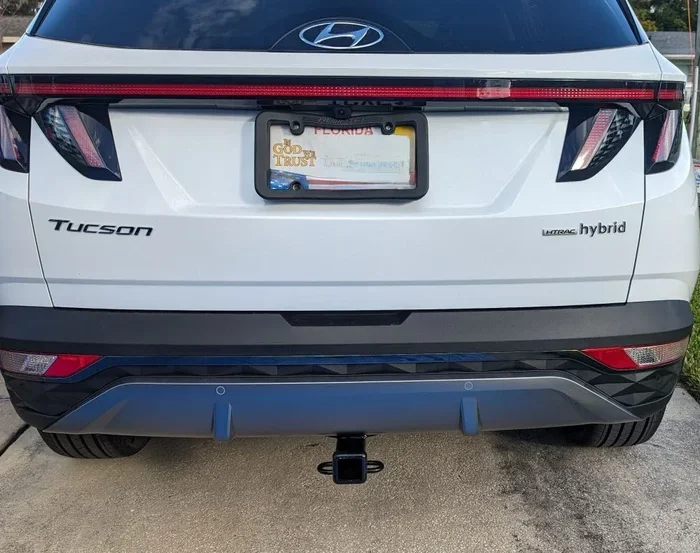
Can You Put a Hitch on a Hybrid Car Yes It Is Possible
Yes, you can put a hitch on a hybrid car. Most hybrid vehicles support trailer hitch installation, but you need to check your specific model, towing capacity, and manufacturer guidelines. This guide covers everything from hitch types and installation steps to how towing affects fuel efficiency and hybrid performance.
So you just bought a hybrid car and now you need to tow something. Maybe it is a trailer for a camping trip, a small utility trailer for moving, or even a boat for weekend adventures. The big question on your mind is simple: can you put a hitch on a hybrid car? The short answer is yes. But like most things in the automotive world, the full answer has some important details you need to know before you start drilling holes into your vehicle.
Hybrid cars are becoming more popular every year. People love the fuel savings, the eco-friendly benefits, and the smooth driving experience. But when it comes to towing, many hybrid owners feel unsure. They worry about damaging the battery, hurting fuel efficiency, or voiding their warranty. This guide breaks it all down for you. You will learn about the different types of hitches, how to choose the right one, what installation looks like, and how towing affects your hybrid car performance. By the end, you will feel confident and ready to hit the road.
Whether you drive a Toyota Prius, a Ford Escape Hybrid, a Honda CR-V Hybrid, or any other hybrid model, this article has you covered. We will walk through every step so you can make the best decision for your vehicle and your needs. Let us dive in.
Key Takeaways
- Hybrid cars can accept hitches: Most hybrid models support hitch installation, but always verify with your manufacturer first.
- Towing capacity varies: Hybrid towing limits differ by model, ranging from 1,000 to over 5,000 pounds depending on the vehicle.
- Choose the right hitch type: Receiver hitches, tow bars, and frame-mounted hitches each serve different hybrid towing needs.
- Installation matters: Proper installation protects your hybrid drivetrain and ensures safe towing on the road.
- Towing impacts fuel economy: Expect a noticeable drop in mpg when towing with a hybrid vehicle.
- Avoid common mistakes: Overloading and skipping wiring harnesses are the top errors hybrid owners make when towing.
- Professional help is wise: If you are unsure, a certified installer can ensure your hitch setup is safe and road-ready.
📑 Table of Contents
- What You Need to Know About Towing with a Hybrid Car
- Types of Hitches You Can Install on a Hybrid Car
- Step-by-Step Hitch Installation Guide
- How Towing Affects Hybrid Car Performance
- Choosing the Right Towing Package for Your Hybrid
- Common Mistakes Hybrid Car Owners Make When Towing
- Final Thoughts: Can You Put a Hitch on a Hybrid Car?
What You Need to Know About Towing with a Hybrid Car
Why Hybrid Cars Are Different from Regular Vehicles
Hybrid cars combine a gasoline engine with an electric motor. This setup gives you better fuel economy and lower emissions. But it also means your vehicle has some unique parts that regular cars do not have. There is a high-voltage battery pack, electric motors, and a more complex powertrain system. All of these components need special attention when you are adding accessories like a tow hitch.
The good news is that most hybrid manufacturers design their vehicles with accessory mounting points. This means the basic structure of the car can often support a hitch. However, the hybrid drivetrain adds weight to the rear of the vehicle, which changes how the car handles when towing. You need to account for this extra weight when calculating your total towing load.
Another key difference is the regenerative braking system. Hybrid cars use energy from braking to recharge the battery. When you tow a trailer, the added weight changes how often and how hard you brake. This can affect how your hybrid system recovers energy. It is not a bad thing, but it is something to be aware of.
Understanding Your Vehicle’s Towing Capacity
Every hybrid car has a towing capacity. This is the maximum weight your vehicle can safely pull. Exceeding this limit can damage your engine, transmission, and hybrid battery system. You can find your towing capacity in the owner’s manual or on the manufacturer’s website.
Here are some common towing limits for popular hybrid models:
- Toyota Prius: Around 1,500 to 2,000 pounds depending on the model year
- Ford Escape Hybrid: Up to 3,500 pounds with the proper towing package
- Honda CR-V Hybrid: Around 1,500 pounds for most trims
- Toyota RAV4 Hybrid: Up to 5,000 pounds when equipped with the towing package
- Ford Escape PHEV: Up to 2,500 pounds
- Toyota Highlander Hybrid: Up to 5,000 pounds
These numbers vary, so always double-check your specific model. Your local dealer can also confirm your towing capacity if you are unsure. Never guess when it comes to weight limits. Overloading your hybrid car can lead to serious safety issues and costly repairs.
Types of Hitches You Can Install on a Hybrid Car
Receiver Hitches
A receiver hitch is the most common type of trailer hitch. It mounts to the rear of the vehicle and uses a receiver tube that accepts different accessories. You can attach a ball mount, a cargo carrier, or a bike rack to a receiver hitch. This versatility makes it a popular choice for hybrid car owners.
Most hybrid SUVs and crossovers can support a Class I or Class II receiver hitch. These hitches have weight ratings between 1,000 and 3,500 pounds. The installation is usually bolt-on, which means no cutting or welding is required. This is great news for hybrid owners because it keeps the vehicle’s structure intact.
When shopping for a receiver hitch, look for one that is specifically designed for your hybrid model. Aftermarket brands like Curt, Draw-Tite, and Reese make hitches tailored to popular hybrid vehicles. A custom-fit hitch ensures proper alignment and avoids interference with the hybrid exhaust system or rear bumper sensors.
Tow Bars and Tow Dollies
If you need to tow a smaller vehicle or a lightweight trailer, a tow bar might be your best option. A tow bar connects your hybrid car directly to the vehicle or trailer being towed. It is a simpler setup than a full receiver hitch and works well for lighter loads.
Tow dollies are another option. These small two-wheel trailers lift the front wheels of a car off the ground. They are useful for flat-towing a secondary vehicle behind your hybrid car. Just make sure the tow dolly weight rating matches your hybrid towing capacity.
For all-wheel-drive hybrid cars, tow dollies require extra care. You may need to disconnect the driveshaft or use a flat-bed trailer instead. Check your owner’s manual for guidance on flat-towing your specific hybrid model.
Frame-Mounted Hitches
Some hybrid cars have frame-mounted hitches that are built into the vehicle’s structural frame. These hitches are stronger and more durable than bumper-mounted options. They are often found on hybrid SUVs and trucks that are designed for heavier towing.
If your hybrid car comes with a factory frame-mounted hitch, you are in luck. This means the manufacturer already engineered the vehicle for towing. You just need to attach the hitch accessory and you are good to go. If your hybrid does not have a factory hitch, an aftermarket frame-mounted option can be installed by a professional.
Step-by-Step Hitch Installation Guide
What Tools You Will Need
Installing a hitch on a hybrid car is a project many DIY enthusiasts can handle. Before you start, gather the right tools. You will need a socket wrench set, a torque wrench, a jack and jack stands, a drill with appropriate bits, and a wiring harness if your hitch requires trailer lights. Most hitch kits come with all the bolts and hardware you need, so you usually do not have to buy extra parts.
Lay out all your tools and hardware before you begin. Read the installation manual that comes with your hitch kit thoroughly. Every hitch model is slightly different, and the manual will guide you through the exact steps for your specific hybrid car. Taking a few extra minutes to prepare will save you time and frustration during the actual installation.
DIY vs Professional Installation
You can install a hitch yourself if you are comfortable working with your vehicle. Many hybrid car owners successfully bolt on a receiver hitch in their garage with basic tools. The process usually involves removing the rear bumper cover, drilling mounting holes, securing the hitch with bolts, and reconnecting the bumper.
However, if you are not confident in your mechanical skills, hire a professional. A certified installer will ensure the hitch is properly aligned and securely fastened. This is especially important for hybrid cars because you do not want to accidentally damage the hybrid battery or exhaust components during installation. A professional can also handle the wiring harness for trailer lights, which is an important safety feature.
Here are some quick tips no matter who installs your hitch:
- Always torque bolts to the manufacturer’s specifications
- Check for clearance between the hitch and the hybrid exhaust system
- Make sure the receiver tube is not obstructed by sensors or trim pieces
- Test the hitch with a light load before towing a heavy trailer
- Inspect all connections after the first 50 miles of driving
How Towing Affects Hybrid Car Performance
Fuel Efficiency Changes
Let us talk about the elephant in the room: fuel economy. Hybrid cars are famous for their excellent mpg ratings. But when you add a trailer and a hitch, those numbers drop. Towing adds significant weight and wind resistance, which forces the gasoline engine and electric motor to work harder.
Most hybrid car owners report a 20 to 40 percent drop in fuel efficiency when towing. For example, if your hybrid car gets 50 mpg without a trailer, you might see 30 to 40 mpg while towing a load. This is normal and expected. The good news is that hybrids still typically get better fuel economy than gas-only trucks or SUVs when towing the same weight.
To minimize the fuel economy hit, keep your trailer as light as possible. Distribute weight evenly and use aerodynamic trailer designs. You can also drive at steady speeds and avoid rapid acceleration, which helps the hybrid system manage power more efficiently.
Battery and Motor Considerations
Your hybrid car battery is designed to support normal driving, not sustained heavy towing. When you tow a trailer, the electric motor and gasoline engine both work harder to move the extra weight. This generates more heat, which can affect battery performance over time.
Most hybrid cars have built-in thermal management systems that handle the extra heat. But if you plan to tow frequently or for long distances, keep an eye on your battery health. Check the hybrid battery temperature gauge if your vehicle has one, and take breaks during long tow trips to let the system cool down.
Some hybrid models also have a towing mode or setting that adjusts the powertrain for better towing performance. Check your owner’s manual to see if your hybrid car has this feature. Activating towing mode can help protect your battery and motor during extended towing sessions.
Choosing the Right Towing Package for Your Hybrid
Factory vs Aftermarket Towing Packages
Some hybrid cars come with a factory towing package. This package includes a pre-installed hitch, reinforced suspension, upgraded cooling systems, and sometimes a dedicated wiring harness. Factory towing packages are the best option because they are designed specifically for your hybrid model.
If your hybrid car does not have a factory towing package, you can add an aftermarket setup. Aftermarket towing packages include a hitch receiver, wiring harness, and sometimes upgraded suspension components. The key is to choose parts that are compatible with your hybrid drivetrain and do not interfere with the electric motor or battery systems.
Here is a quick comparison of factory and aftermarket towing options:
- Factory towing package: Designed by the manufacturer, warranty-friendly, seamless integration, higher cost
- Aftermarket towing package: More affordable, wider selection, may require professional installation, potential warranty considerations
Before purchasing any towing package, check with your hybrid car dealer. Some aftermarket hitch installations may affect your factory warranty, especially if the installation causes damage. Your dealer can tell you which hitch options are safe and warranty-approved for your specific model.
Wiring and Electrical Setup
Trailer lights are a legal requirement in most states. When you tow with a hybrid car, you need a wiring harness that connects your trailer lights to the hybrid car’s electrical system. Most hitch kits include a universal wiring harness, but some hybrid models require a vehicle-specific harness for proper compatibility.
The wiring harness connects to your hybrid car’s taillight and brake light circuits. This ensures your trailer brake lights and turn signals work in sync with the hybrid car. A good wiring harness also powers any trailer accessory lights or electric brakes if your trailer has them.
Here are a few wiring tips for hybrid car owners:
- Use a weatherproof connector to prevent moisture damage
- Test all trailer lights before every trip
- Keep wiring harness connections clean and secure
- Consider a smart harness that adapts to your hybrid car’s CAN bus system
- Have a professional install the wiring if you are not comfortable with electrical work
Common Mistakes Hybrid Car Owners Make When Towing
Overloading the Vehicle
The most common mistake hybrid car owners make is exceeding the towing capacity. It is tempting to load up your trailer with everything you own for a camping trip, but your hybrid car has limits. Overloading can strain the engine, overheat the hybrid battery, and compromise braking performance.
Always weigh your trailer and cargo before hitting the road. Use a public scale at a truck stop or weigh station to get an accurate weight. If you are close to your hybrid car’s towing limit, consider leaving some gear behind or upgrading to a hybrid model with a higher towing capacity.
Skipping Maintenance Checks
Towing puts extra stress on every part of your hybrid car. The brakes, suspension, transmission, and hybrid battery all work harder when you tow. Skipping regular maintenance checks can lead to breakdowns or accidents on the road.
Create a towing maintenance checklist and follow it before every trip:
- Check tire pressure on both the hybrid car and the trailer
- Inspect the hitch connections and bolts for tightness
- Verify that the trailer lights and brakes are working
- Check the hybrid car’s coolant and transmission fluid levels
- Test the hybrid battery health if you tow frequently
Ignoring Weight Distribution
How you load your trailer matters just as much as how much it weighs. Putting too much weight at the back of the trailer can cause swaying, which is dangerous when towing. Ideally, 60 percent of your cargo weight should be in the front half of the trailer and 40 percent in the back.
Use a weight distribution hitch if your trailer is heavy. This accessory helps balance the load between your hybrid car and the trailer, improving stability and handling. It is a small investment that can make a big difference in towing safety.
Final Thoughts: Can You Put a Hitch on a Hybrid Car?
The answer is a clear yes. You can put a hitch on a hybrid car and enjoy all the benefits of towing. Whether you need a receiver hitch for a small trailer or a frame-mounted hitch for heavier loads, there is a solution that works for your hybrid vehicle. The key is to choose the right hitch type, follow proper installation steps, and respect your hybrid car’s towing limits.
Towing with a hybrid car does come with some unique considerations. You need to pay attention to fuel efficiency, battery health, and weight distribution. But with the right setup and a little preparation, you can tow safely and confidently in your hybrid car. The hybrid drivetrain actually gives you an advantage on the road, offering better fuel economy than most gas-only tow vehicles.
So go ahead and explore the world of hybrid car towing. Whether you are heading to a campsite, hauling equipment for a project, or bringing your boat to the lake, your hybrid car can handle the job. Just remember to check your towing capacity, install your hitch properly, and maintain your vehicle regularly. Happy towing.
Frequently Asked Questions
Can any hybrid car have a hitch installed?
Most hybrid cars can have a hitch installed, but not all models support the same towing capacity. Check your owner’s manual or contact your dealer to confirm your specific hybrid model’s towing limits. Some compact hybrids like the Toyota Prius have lower towing limits than hybrid SUVs like the Toyota RAV4 Hybrid.
Does installing a hitch void a hybrid car warranty?
It depends on how the hitch is installed and whether it causes damage. Many manufacturers approve aftermarket hitches as long as they are installed correctly. Check your warranty terms and consult your dealer before installing a hitch. Using a factory-approved hitch or a certified installer helps protect your warranty coverage.
How much does it cost to install a hitch on a hybrid car?
Hitch installation costs range from $200 to $800 depending on the hitch type and your hybrid model. A basic receiver hitch kit costs between $150 and $400, and professional installation adds $100 to $400. DIY installation can save you money if you are comfortable working on your vehicle.
Will towing reduce my hybrid car’s fuel efficiency?
Yes, towing will reduce your hybrid car’s fuel efficiency. Most owners see a 20 to 40 percent drop in mpg when towing a trailer. The extra weight and wind resistance force the hybrid system to use more fuel. Keeping your trailer light and driving at steady speeds can help minimize the fuel economy loss.
Can I tow a trailer with a plug-in hybrid car?
Yes, many plug-in hybrid cars can tow trailers, but the towing capacity is often lower than a standard hybrid. The heavy battery pack in plug-in hybrids adds weight to the rear of the vehicle, which affects towing limits. Always check the manufacturer’s towing specifications for your specific plug-in hybrid model.
What is the best hitch for a hybrid SUV?
A Class II or Class III receiver hitch is usually the best choice for a hybrid SUV. These hitches offer a good balance of towing capacity and ease of installation. Look for a hitch that is specifically designed for your hybrid SUV model to ensure proper fit and compatibility with the hybrid drivetrain.