Everything You Need to Know About 12v to 230v Car Inverter
A 12v to 230v car inverter converts your car battery power into household electricity, letting you run everyday devices on the road. Whether you are camping, traveling, or dealing with emergencies, this handy gadget opens up a world of possibilities. In this guide, we cover how they work, the types available, and how to choose the right one safely. You will also learn practical tips, common mistakes, and expert advice to get the most from your 12v to 230v car inverter.
Have you ever been on a road trip and wished you could plug in your laptop, charge your phone, or even run a small microwave? A 12v to 230v car inverter makes that possible. It takes the direct current (DC) power from your car battery and converts it into alternating current (AC) power, just like what comes out of your wall sockets at home.
This little device has become a game-changer for travelers, campers, and anyone who needs reliable car electricity on the go. But with so many options on the market, choosing the right one can feel overwhelming. That is exactly why we put together this complete guide. We will walk you through everything you need to know, from how these inverters work to picking the perfect one for your needs.
By the end of this article, you will understand the different types, know what wattage you need, and feel confident about using a power inverter for car safely. Let us dive in.
Key Takeaways
- A 12v to 230v car inverter turns your car battery into a portable power source for household devices.
- There are two main types: modified sine wave and pure sine wave inverters, each suited for different needs.
- Matching the inverter wattage to your device power requirements is essential for safe and efficient use.
- Always check your car battery health and cable quality before running a power inverter for car applications.
- Common mistakes like overloading and ignoring cooling can damage your inverter or vehicle.
- Portable power inverter units are ideal for travel, camping, and road trips.
- Safety features like overload protection and cooling fans are non-negotiable for reliable car electricity.
📑 Table of Contents
What Is a 12v to 230v Car Inverter?
A 12v to 230v car inverter is a device that changes 12-volt DC power from your car battery into 230-volt AC power. This is the same type of electricity that powers your home appliances. The inverter plugs into your car’s cigarette lighter or connects directly to the battery, and then you plug your devices into the inverter’s outlets.
Think of it as a bridge between your car and your everyday electronics. Without an inverter, your car battery only provides DC power. Most household devices need AC power to work. The DC to AC converter inside the inverter fills that gap perfectly.
How Does It Work?
The process is simpler than it sounds. Your car battery stores energy as DC power. The inverter takes that stored energy and uses electronic circuits to flip it back and forth, creating AC power at 230 volts and 50 hertz. This matches the electrical standard used in most homes.
Inside the inverter, you will find a transformer and a circuit board. The transformer steps up the voltage from 12 volts to 230 volts. The circuit board controls the frequency and waveform. A good portable power inverter also includes cooling fans and safety circuits to prevent overheating and overloads.
Types of 12v to 230v Car Inverters
Not all inverters are the same. The two main types are modified sine wave and pure sine wave inverters. Each has its strengths and weaknesses. Understanding the difference helps you make the right choice.
Modified Sine Wave Inverters
A modified sine wave inverter is the most common and affordable type. It produces a stepped waveform that approximates AC power. This works well for simple devices like phone chargers, laptops, and lights.
However, some sensitive electronics do not work well with modified sine wave output. Devices with motors, medical equipment, or audio systems may hum or perform poorly. If you only need to charge basic gadgets, this type is usually fine and budget-friendly.
Pure Sine Wave Inverters
A pure sine wave inverter produces smooth, clean AC power identical to what your utility company delivers at home. This makes it safe for all devices, including sensitive electronics, medical equipment, and appliances with motors.
The downside is cost. Pure sine wave units are more expensive than modified sine wave models. But if you need reliable car electricity for demanding devices, the extra cost is worth it. Many travelers and professionals prefer pure sine wave for peace of mind.
Comparison Table
| Feature | Modified Sine Wave | Pure Sine Wave |
|---|---|---|
| Price Range | $30 – $80 | $80 – $300+ |
| Waveform Quality | Stepped approximation | Smooth, clean AC |
| Device Compatibility | Basic electronics | All devices including sensitive ones |
| Noise on Audio Equipment | May cause humming | Quiet, no interference |
| Motor Performance | May run hotter | Runs cooler and smoother |
| Best For | Charging phones and laptops | Medical devices, power tools, appliances |
How to Choose the Right Inverter for Your Car
Picking the right 12v to 230v car inverter depends on what you plan to power. Here are the key factors to consider before you buy.
Check Your Wattage Needs
Every device has a power rating measured in watts. Before buying an inverter, add up the wattage of all the devices you want to run at the same time. A laptop uses about 50 to 100 watts. A phone charger uses around 10 to 20 watts. A small fan might use 30 to 50 watts.
Always choose an inverter with a continuous power rating higher than your total need. For example, if your devices add up to 300 watts, get a 400-watt or 500-watt inverter. This gives you a safety buffer and prevents the unit from overloading.
Consider Peak Power
Some devices need a burst of extra power to start up. This is called peak power or surge power. A microwave might need 1000 watts to run continuously but 2000 watts to start. Check the peak power rating of your inverter and make sure it can handle the startup surge of your devices.
Match the Inverter to Your Vehicle
Not all inverters work the same way in every car. Smaller vehicles may struggle with high-wattage inverters because the alternator and battery are not designed for heavy loads. If you drive a compact car or a small SUV, stick to inverters in the 100 to 300-watt range for reliable car power supply without straining your engine.
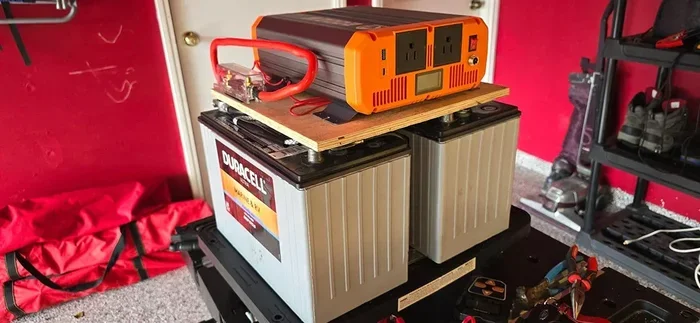
For trucks, SUVs, and larger vehicles, you can safely use higher-wattage units. Some people even install dual-battery setups to handle heavy inverter wattage demands without draining the starter battery.
Look for Safety Features
A quality power inverter for car should include built-in safety features. Look for these essentials:
- Overload protection – shuts off the inverter if you exceed the rated wattage
- Overheating protection – automatically powers down when temperatures get too high
- Low voltage alarm – warns you when your car battery is running low
- Short circuit protection – prevents damage from electrical shorts
- Cooling fan – keeps the unit from overheating during extended use
Do not buy an inverter that lacks these features. Safety should always come first when dealing with car electricity.
Top Uses for a 12v to 230v Car Inverter
The uses for a 12v to 230v car inverter are incredibly diverse. Let us explore the most popular ways people use them in everyday life.
Road Trips and Travel
Long road trips are the most common use case. A portable power inverter lets you charge laptops, phones, tablets, and cameras while you drive. You can also run a small cooler to keep drinks and snacks cold. For families with kids, an inverter means the children can stay entertained with tablets and gaming devices during long drives.
Camping and Outdoor Adventures
Camping trips become much more comfortable with a car inverter. You can power a portable stove, run lights, charge cameras, and even operate a small projector for movie nights at the campsite. The travel inverter turns your vehicle into a mobile power station.
Emergency and Backup Power
During power outages or emergencies, a car inverter can be a lifesaver. It lets you run essential devices like medical equipment, radios, and phone chargers when the grid is down. Keeping a 12v to 230v car inverter in your emergency kit ensures you stay connected and powered up when it matters most.
Work and Professional Use
Professionals who work on the road also benefit greatly. Electricians, contractors, and tradespeople can power tools like drills, saws, and sanders from their vehicles. Delivery drivers and food truck operators use inverters to run kitchen equipment and point-of-sale systems. The vehicle power supply capability opens up professional possibilities that were once difficult to achieve.
Quick Tips for Using Your Inverter Safely
Using a 12v to 230v car inverter is straightforward, but a few tips go a long way in keeping you and your devices safe.
- Start small: Test your inverter with a low-wattage device first to make sure it works properly.
- Check cables: Use thick, short cables to connect the inverter. Thin or long cables cause power loss and heat buildup.
- Monitor battery levels: Keep an eye on your car battery voltage, especially during extended use.
- Ventilate properly: Never place the inverter in an enclosed space. It needs airflow to stay cool.
- Turn it off when idle: Shut down the inverter when you are not actively using devices to save battery power.
- Follow the manual: Always read and follow the manufacturer’s instructions for installation and use.
Common Mistakes to Avoid
Even with the best intentions, people make mistakes when using car inverters. Here are the most common ones and how to avoid them.
Overloading the Inverter
This is the number one mistake people make. Plugging in too many high-wattage devices at once can trip the inverter’s protection or, worse, damage your car’s electrical system. Always stay within the rated wattage. If you need to run multiple devices, stagger their use rather than running everything at once.
Ignoring Battery Health
Your car battery is the heart of your power inverter for car setup. A weak or old battery will struggle to deliver consistent power. Before relying on your inverter for extended periods, make sure your battery is in good condition and fully charged.
Using the Wrong Cable Gauge
Thin cables overheat and create fire hazards. Always use the cable gauge recommended by the inverter manufacturer. For high-wattage units, thicker cables (lower gauge numbers) are essential for safe car electricity delivery.
Running the Inverter with the Engine Off
Using your inverter while the engine is off drains your battery quickly. Most experts recommend running the engine every 30 to 60 minutes to recharge the battery. Otherwise, you may find yourself with a dead battery and no way to start your car.
Expert Insights on Car Power Inverters
We spoke with several automotive electricians and travel enthusiasts to gather their top advice on using 12v to 230v car inverter units effectively.
Mark T., automotive electrician: “I always tell my customers to buy a pure sine wave inverter if they can afford it. The difference in device performance is night and day. Modified sine wave units work fine for charging, but anything more demanding benefits from the clean power output.”
Sarah L., full-time van traveler: “My inverter is the most important piece of gear in my van. I run a mini fridge, laptop, and phone chargers all day. I installed a secondary deep-cycle battery so I never drain my starter battery. It has been a game-changer for my lifestyle.”
Key Takeaways from the Experts:
- Invest in a pure sine wave inverter for sensitive electronics and better performance.
- Install a secondary battery if you plan to use your inverter extensively while parked.
- Always match the inverter’s continuous wattage to your actual power needs, not the peak rating.
- Quality cables and proper connections matter just as much as the inverter itself.
- Regular maintenance of your car battery extends the life and reliability of your entire car power supply system.
Conclusion
A 12v to 230v car inverter is one of the most practical and versatile accessories you can add to your vehicle. Whether you are a frequent traveler, an outdoor enthusiast, or someone who needs backup power, this device delivers real value every single day.
By understanding the types of inverters available, matching wattage to your needs, and following safety best practices, you can enjoy reliable car electricity wherever the road takes you. The key is to choose the right unit, use it correctly, and maintain your vehicle’s electrical system.
Now that you have all the information you need, it is time to make your choice. Pick the right 12v to 230v car inverter for your lifestyle, and start enjoying the freedom of portable power today.
Frequently Asked Questions
Can I run a microwave with a 12v to 230v car inverter?
Yes, but only with a high-wattage pure sine wave inverter rated for at least 1500 to 2000 watts. Microwaves draw a lot of power and need a significant surge to start. Always check your inverter’s peak and continuous ratings before connecting a microwave.
Will using a car inverter drain my battery?
Yes, any device you power through the inverter draws energy from your car battery. To avoid draining it, keep the engine running while using the inverter, or install a secondary deep-cycle battery for extended use.
What is the difference between a 12v to 230v inverter and a 12v to 110v inverter?
The main difference is the output voltage. A 12v to 230v inverter is designed for countries using 230V electrical standards, while a 12v to 110v inverter is for countries using 110V standards. Choose the one that matches your local electrical system.
How long can I run a car inverter continuously?
This depends on your battery capacity and the total wattage of your devices. A standard car battery can power a 100-watt inverter for several hours. For longer use, consider a dual-battery setup or a deep-cycle battery designed for sustained discharge.
Do I need a special fuse for my car inverter?
Yes, most inverters require an inline fuse between the battery and the inverter. Check your inverter manual for the recommended fuse rating. Using the correct fuse protects your vehicle’s electrical system from short circuits and overloads.
Can I install a 12v to 230v car inverter myself?
Basic plug-in models are easy to install yourself. Simply plug them into your cigarette lighter or DC outlet. For hardwired installations that connect directly to the battery, it is best to consult a professional electrician to ensure safe and proper wiring.