Can a Car Run on Alcohol and Is It Actually Possible
Can a car run on alcohol? The short answer is yes, but it depends on your vehicle, the type of alcohol fuel, and your engine setup. Alcohol fuels like ethanol and methanol have powered cars for decades, especially in racing and flex fuel vehicles. This guide covers everything you need to know about using alcohol as a car fuel, from how it works to whether your car can handle it.
You have probably seen those race cars blazing down the track with incredible speed and wondered what kind of fuel powers them. Many of those engines run on alcohol-based fuels. The idea of putting alcohol in your car might sound strange, but it is not as far-fetched as it seems.
The question “can a car run on alcohol” comes up more often than you might think. People want to know if alcohol can replace gasoline, save money, or reduce emissions. The truth is that alcohol fuel has been used in cars for over a century. From early racing engines to modern flex fuel vehicles, alcohol has proven it can power a car engine. But there are important details you need to understand before you pour ethanol into your tank.
In this article, we will break down everything you need to know. We will cover how alcohol fuel works, the different types available, which cars can use it, and the pros and cons. By the end, you will have a clear answer to whether your car can run on alcohol.
Key Takeaways
- Alcohol fuel is real: Cars can indeed run on alcohol, including ethanol and methanol, under the right conditions.
- Flex fuel vehicles are designed to handle alcohol blends like E85 right out of the factory.
- Regular cars need modifications such as upgraded fuel lines, seals, and tuning to run on pure alcohol safely.
- Alcohol fuel offers higher octane and cleaner combustion, but it delivers lower fuel economy than gasoline.
- Not all cars are compatible with alcohol fuel, especially older models with rubber components and standard fuel systems.
- Cost savings vary depending on local fuel prices, availability, and how much you drive.
📑 Table of Contents
How Alcohol Works as Car Fuel
Alcohol is a combustible liquid that can power an internal combustion engine. Just like gasoline, alcohol fuel ignites inside the engine cylinders to create energy. But the way it burns is quite different from traditional fuel. Alcohol has a much higher octane rating than regular gasoline, which means it can handle more compression before igniting. This is why race cars love it.
The Science Behind Alcohol Combustion
When alcohol enters the engine, it mixes with air and gets compressed by the piston. The spark plug then ignites the mixture, creating a controlled explosion. This explosion pushes the piston down and turns the crankshaft. The process is the same as gasoline, but alcohol burns cleaner and cooler. It produces fewer harmful emissions like carbon monoxide and unburned hydrocarbons.
One key difference is that alcohol contains oxygen in its molecular structure. This means it burns more completely than gasoline. More complete combustion leads to better efficiency and fewer pollutants. However, alcohol also contains less energy per gallon than gasoline. This means you will likely notice a drop in fuel economy when using alcohol-based fuels.
Why Octane Rating Matters
Octane rating measures how well a fuel resists knocking or pinging in the engine. Gasoline typically has an octane rating of 87 to 93. Alcohol fuels score much higher. Methanol has an octane rating of about 109, and ethanol sits around 108. This high octane allows engines to run at higher compression ratios, which can produce more power. Many high-performance and racing engines are specifically built to take advantage of alcohol fuel’s high octane.
Types of Alcohol Used in Cars
Not all alcohol is the same when it comes to fueling a car. There are three main types of alcohol fuel used in vehicles. Each one has its own properties, benefits, and limitations.
Ethanol
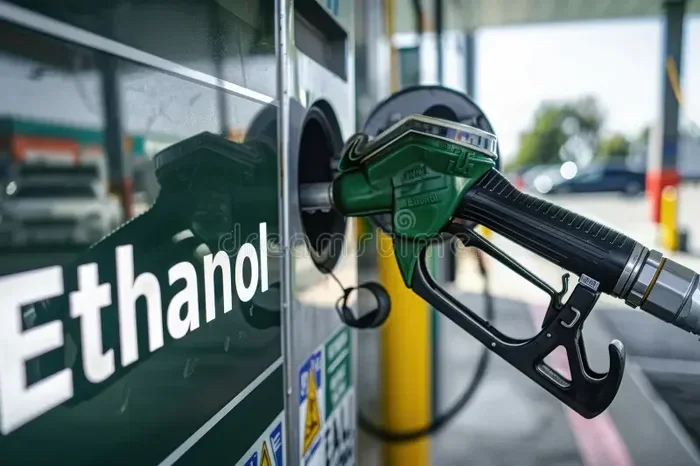
Ethanol is the most common alcohol fuel used in cars today. It is made by fermenting sugars from crops like corn, sugarcane, and wheat. In the United States, most gasoline contains up to 10% ethanol, known as E10. Some states sell blends with 15% ethanol, called E15. The highest common blend is E85, which contains 51% to 83% ethanol depending on the season and location.
Ethanol is also known as bioethanol because it comes from renewable plant sources. It is the primary alcohol fuel used in flex fuel vehicles, which can run on any blend of gasoline and ethanol. Ethanol is widely available at gas stations across the country, especially in the Midwest where corn production is high.
Methanol
Methanol, also called wood alcohol, is another alcohol fuel used in cars. It is made from natural gas, coal, or biomass. Methanol has a lower energy content than ethanol, which means you need more of it to travel the same distance. However, it has an even higher octane rating and burns very cleanly.
Methanol is most commonly used in professional racing, especially in NASCAR and drag racing. It is not as widely available for everyday drivers as ethanol. You will rarely find methanol at regular gas stations. It is primarily used in specialized racing environments where its high octane and cooling properties give drivers a competitive edge.
Butanol
Butanol is the least common alcohol fuel for cars, but it has some interesting advantages. It has a higher energy content than ethanol, which means better fuel economy. Butanol is also less corrosive and more compatible with existing fuel systems. However, producing butanol is more expensive and complex than producing ethanol or methanol. Butanol is still largely in the research and development phase and is not widely available for consumer vehicles.
| Fuel Type | Octane Rating | Energy Content | Availability | Common Use |
|---|---|---|---|---|
| Ethanol | 108 | Lower than gasoline | Widely available | Flex fuel vehicles, E10, E15, E85 |
| Methanol | 109 | Lower than ethanol | Limited, racing only | Professional racing, specialized engines |
| Butanol | 96 | Closest to gasoline | Very limited | Research and development |
| Gasoline | 87-93 | Baseline | Universal | Standard vehicles |
Benefits of Running a Car on Alcohol
There are several reasons why people consider using alcohol fuel in their cars. From environmental benefits to performance gains, alcohol has some real advantages worth considering.
Environmental Benefits
One of the biggest advantages of alcohol fuel is its reduced environmental impact. Alcohol burns cleaner than gasoline, producing fewer greenhouse gases and harmful pollutants. Ethanol, in particular, is considered carbon-neutral because the plants used to make it absorb carbon dioxide as they grow. This creates a cycle that is much friendlier to the environment than burning fossil fuels.
Using alcohol fuel also reduces our dependence on imported oil. Countries that produce their own alcohol fuel can strengthen their energy independence. This is a major reason why many governments around the world have invested heavily in biofuel production and alcohol fuel infrastructure.
Performance and Power
Alcohol fuel’s high octane rating allows engines to produce more power. Race teams have known this for decades. When you switch a car to alcohol fuel, you can often gain significant horsepower and torque. This is especially true when combined with engine modifications like higher compression pistons and upgraded fuel injection systems.
Alcohol also has a cooling effect on the engine. Because it evaporates quickly and absorbs heat, it helps keep engine temperatures lower. This can reduce the risk of overheating and engine knock, especially under heavy load or high-performance driving conditions.
Renewable and Sustainable
Unlike gasoline, which comes from finite petroleum reserves, alcohol fuel is renewable. Crops can be grown, harvested, and converted into fuel year after year. This makes alcohol a sustainable fuel source that does not deplete natural resources in the same way fossil fuels do. As technology improves, the process of converting biomass into alcohol fuel becomes more efficient and cost-effective.
Challenges and Downsides of Alcohol Fuel
Alcohol fuel is not perfect. There are several real challenges that come with using it as a car fuel. Understanding these downsides is just as important as knowing the benefits.
Lower Fuel Economy
The biggest complaint about alcohol fuel is its lower energy content. Because alcohol contains less energy per gallon than gasoline, your car will burn more fuel to travel the same distance. E85 typically delivers 15% to 27% lower fuel economy compared to regular gasoline. This means you will be visiting the gas station more often, which can offset some of the cost savings.
Availability and Access
While E10 gasoline is available almost everywhere, E85 and pure alcohol fuel are much harder to find. E85 is primarily available in the Midwest and in areas with high concentrations of flex fuel stations. If you live in a rural area or a region without flex fuel infrastructure, accessing alcohol fuel can be difficult and inconvenient.
Corrosion and Material Compatibility
Alcohol is corrosive to certain materials commonly found in standard fuel systems. Rubber seals, gaskets, and hoses in older cars can degrade when exposed to alcohol fuel over time. The fuel can also dissolve certain types of paint and coatings. This is why older vehicles and non-flex fuel cars need significant modifications before they can safely run on alcohol.
Cold Weather Starting
Alcohol fuel can be difficult to start in cold weather. Ethanol, in particular, has a harder time vaporizing at low temperatures. This can make starting your car a struggle during winter months. Flex fuel vehicles have systems to address this, but older or modified cars may need additional heating or fuel system adjustments to start reliably in cold climates.
Can Any Car Run on Alcohol?
This is the question most people really want answered. The short answer is no, not every car can run on alcohol. Whether your car can use alcohol fuel depends on several factors, including the vehicle’s age, engine design, and fuel system components.
Flex Fuel Vehicles
Flex fuel vehicles are the easiest and most direct answer to the question “can a car run on alcohol.” These cars are specifically designed from the factory to run on any blend of gasoline and ethanol up to E85. They have special fuel systems that include stainless steel fuel lines, alcohol-compatible seals and gaskets, and sensors that automatically adjust the fuel mixture based on the ethanol content.
Popular flex fuel vehicles include many models from Ford, Chevrolet, and other major manufacturers. If you own a flex fuel car, you can simply pull into any E85 station and fill up. No modifications are needed. Just make sure your owner’s manual confirms your vehicle is flex fuel compatible.
Modified Classic Cars
Vintage cars and classic vehicles can run on alcohol, but they require significant modifications. The original fuel systems in these cars were designed for gasoline and contain rubber components that alcohol will destroy over time. To convert a classic car to alcohol fuel, you will need to replace rubber fuel lines with stainless steel or nylon lines, upgrade seals to alcohol-compatible materials, and modify the carburetor or fuel injection system.
Many car enthusiasts have successfully converted classic cars to run on ethanol or methanol. The process requires knowledge of fuel systems and engine tuning. It is not a simple weekend project for most people, but it is absolutely doable with the right expertise and parts.
Modern Gasoline Cars
Most modern gasoline cars are not designed to run on alcohol fuel, especially at high concentrations. While they can technically handle E10 gasoline (which contains 10% ethanol), using E15 or E85 in a non-flex fuel vehicle can cause damage. The fuel system components, including fuel pumps, injectors, and sensors, may not be compatible with high ethanol blends.
Some car manufacturers have stated that using E15 or E85 in non-flex fuel vehicles can void the warranty. This is a serious consideration if you are thinking about experimenting with alcohol fuel in a regular car. Always check your owner’s manual and consult with a trusted mechanic before making any fuel changes.
Racing and Performance Cars
In the world of motorsports, alcohol fuel is the norm. Many racing series require or strongly prefer alcohol-based fuels. The high octane, cooling properties, and power output of alcohol make it ideal for racing applications. Professional race cars are specifically built or extensively modified to handle alcohol fuel, and they perform exceptionally well on it.
Expert Tips for Using Alcohol Fuel
If you are considering making the switch to alcohol fuel, here are some practical tips from experts who have been working with alcohol fuel systems for years.
Start with E10 or E15 blends if your car is not a flex fuel vehicle. These low-ethanol blends are safe for most modern cars and can help you test how your vehicle responds to alcohol fuel without risking damage.
Inspect your fuel system regularly if you use alcohol fuel. Look for signs of corrosion, cracking, or degradation in rubber components. Replace any worn parts immediately to prevent fuel leaks or system failures.
Invest in a quality fuel filter designed for alcohol use. Alcohol fuel can loosen deposits and contaminants in your fuel lines, which can clog filters and injectors faster than gasoline would.
Monitor your fuel economy closely when using alcohol fuel. Keep track of your miles per gallon so you can accurately calculate whether the cost savings justify the switch.
Consult a professional mechanic before making any fuel system modifications. A qualified technician can assess your vehicle’s compatibility and recommend the right upgrades for safe and efficient alcohol fuel use.
Common Mistakes People Make with Alcohol Fuel
There are several common mistakes that people make when experimenting with alcohol fuel. Avoiding these errors can save you time, money, and potential engine damage.
Putting E85 in a non-flex fuel car is the most common mistake. Some drivers assume that because their car can run on regular gasoline, it can handle any fuel blend. This is not true. Using E85 in a car not designed for it can cause serious fuel system damage and engine problems.
Ignoring cold weather starting issues is another mistake. Alcohol fuel does not vaporize as easily in cold temperatures. If you live in a cold climate, you need to plan for starting difficulties and consider auxiliary heating solutions.
Using the wrong fuel system components during a conversion is a costly error. Not all rubber hoses and seals are created equal. Using non-alcohol-compatible materials will lead to rapid deterioration and potential fuel leaks, which are dangerous.
Assuming alcohol fuel always saves money is a misconception. While alcohol fuel can be cheaper per gallon in some areas, the lower fuel economy means you may spend more overall. Always do the math before committing to a switch.
Conclusion
The answer to “can a car run on alcohol” is a clear yes, but with important caveats. Alcohol fuel works in flex fuel vehicles, racing engines, and modified classic cars. It offers real benefits like higher octane, cleaner combustion, and renewable sourcing. However, it also comes with challenges like lower fuel economy, material compatibility issues, and limited availability.
If you own a flex fuel vehicle, you are already set up to use alcohol fuel. Simply look for E85 at participating stations and enjoy the benefits. If you have a regular gasoline car, the decision to switch requires more thought and potentially some investment in modifications.
Alcohol fuel is not a perfect replacement for gasoline, but it is a viable alternative that continues to grow in popularity and availability. As biofuel technology improves and infrastructure expands, we can expect to see more cars running on alcohol in the years ahead. Whether your goal is to reduce emissions, boost performance, or explore renewable energy, alcohol fuel deserves your attention.
Take the time to research your specific vehicle, understand the requirements, and make an informed decision. With the right approach, running a car on alcohol is not only possible but can be a rewarding experience.
Frequently Asked Questions
Can I put alcohol in my regular car?
Most regular gasoline cars can handle small amounts of ethanol, such as E10 gasoline, which is widely available. However, putting E85 or pure alcohol in a non-flex fuel car can damage the fuel system. Always check your owner’s manual before using any alcohol fuel blend.
What happens if you put alcohol in a gas car?
If your car is not designed for alcohol fuel, it can cause damage to rubber seals, gaskets, and fuel lines over time. The engine may also run poorly due to improper fuel mixture. Flex fuel vehicles are the exception and can handle alcohol blends without issues.
Is alcohol fuel cheaper than gasoline?
Alcohol fuel can be cheaper per gallon in some regions, but because it has lower energy content, you will use more of it. This often means the overall cost savings are minimal or even negative. Compare local prices and calculate your expected fuel economy before making the switch.
Can a car run on pure alcohol?
Yes, a car can run on pure alcohol like pure ethanol or methanol, but it requires significant modifications. The fuel system must be upgraded with compatible materials, and the engine must be tuned for the different combustion properties of pure alcohol.
Is alcohol fuel better for the environment?
Yes, alcohol fuel generally burns cleaner than gasoline and produces fewer harmful emissions. Because it is made from renewable plant sources, it is considered more sustainable and carbon-neutral over its lifecycle compared to fossil fuel-based gasoline.
Which cars can run on E85 alcohol fuel?
Flex fuel vehicles from manufacturers like Ford, Chevrolet, and others can run on E85. These vehicles have special fuel systems designed for alcohol fuel compatibility. Always verify your specific vehicle model is flex fuel certified before using E85.