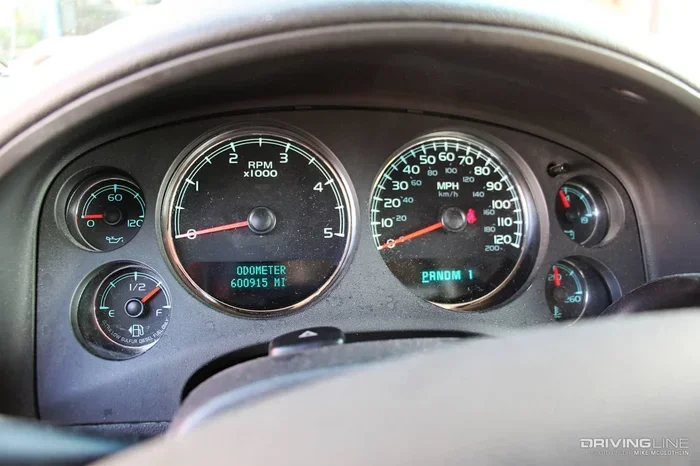
Are 000 Miles a Lot for a Diesel Engine Right Now
Many drivers wonder if 200,000 miles is a lot for a diesel engine. The truth is, diesel engines are built to last far longer than gasoline engines, and hitting high mileage is often just part of their normal lifespan. Understanding diesel engine mileage helps you make smarter buying and maintenance decisions.
You see the listing online. A used diesel truck with 250,000 miles on the clock. The price looks great. But then doubt creeps in. Are 200,000 miles a lot for a diesel engine? Is this vehicle already on its last legs? You want a reliable ride, but you also don’t want to throw money at repairs every month.
Here is the thing most people do not realize. Diesel engines are built completely different from gasoline engines. They use compression ignition, heavier components, and tighter tolerances. This means they often last way longer than you might expect. High mileage on a diesel truck does not automatically mean trouble. In fact, many diesel engines thrive well past the 300,000-mile mark.
In this guide, we will break down exactly what mileage means for diesel engines. We will cover what counts as low, moderate, and high mileage. We will look at common wear points, maintenance needs, and buying tips. By the end, you will know exactly how to evaluate a diesel vehicle based on its odometer reading.
Key Takeaways
- Diesel engines last longer: Most diesel engines can handle 300,000 to 500,000 miles with proper care.
- 200,000 miles is moderate: For a diesel, this is mid-life, not the end of the road.
- Maintenance matters most: Regular oil changes and fuel filter replacements keep diesel engines healthy.
- Buying high-mileage diesel can save money: Well-maintained high-mileage diesels often cost less upfront and hold value well.
- Watch for common issues: Turbocharger problems, injector wear, and DPF clogs are key concerns at higher mileage.
- Gasoline vs diesel matters: Diesel engines typically outlast gas engines by 100,000 to 200,000 miles.
- Know your numbers: Understanding mileage benchmarks helps you avoid bad deals and buy with confidence.
📑 Table of Contents
- Understanding Diesel Engine Mileage Basics
- Why Diesel Engines Last So Much Longer
- Common Wear Points at High Mileage
- What Mileage Is Too Much for a Diesel?
- Buying a High-Mileage Diesel: What to Check
- Maintenance Tips to Extend Diesel Engine Life
- Quick Tips for Diesel Buyers
- Common Mistakes People Make with High-Mileage Diesels
- Expert Insights on Diesel Mileage
- Key Takeaways to Remember
- Conclusion
Understanding Diesel Engine Mileage Basics
Before we dive into specific numbers, let us talk about why diesel engines handle mileage differently. A standard gasoline car engine is designed to run for about 150,000 to 200,000 miles. A well-maintained diesel engine can push past 500,000 miles easily. Some truck owners even reach 1,000,000 miles before needing a major overhaul.
So when you ask, “Is 200,000 miles a lot for a diesel?” the answer is no. Not even close. Think of it this way. A diesel engine at 200,000 miles is like a gasoline engine at 100,000 miles. It is right in the middle of its useful life.
What Counts as Low, Moderate, and High Mileage?
Mileage categories depend on the type of diesel vehicle. A heavy-duty truck sees different usage than a passenger car. Here is a simple breakdown.
- Low mileage: Under 100,000 miles. These engines still have most of their lifespan ahead of them.
- Moderate mileage: 100,000 to 250,000 miles. This is the sweet spot for many diesel buyers. The engine is broken in but still has plenty of life left.
- High mileage: 250,000 to 400,000 miles. These engines are proven survivors. They just need smart maintenance.
- Very high mileage: Over 400,000 miles. These require extra scrutiny but can still be excellent purchases.
For a diesel pickup truck, the 200,000 to 300,000 range is considered normal. For a diesel car or SUV, 150,000 to 250,000 miles is typical. Context matters a lot when evaluating mileage.
Why Diesel Engines Last So Much Longer
You might wonder why a diesel engine can go so many more miles than a gas engine. The answer comes down to engineering and design. Every major component in a diesel engine is built for durability.
The Compression Ignition Advantage
Diesel engines do not use spark plugs. Instead, they rely on extreme compression to ignite fuel. This compression ratio is much higher than in gasoline engines. Higher compression means stronger internal parts. Stronger parts mean less wear over time.
A gasoline engine might have a compression ratio of 10 to 1. A diesel engine often runs at 14 to 1 or even higher. These numbers explain a lot about why diesel engines hold up so well under heavy use.
Heavier Duty Components
Diesel engines use thicker cylinder walls, stronger connecting rods, and more robust crankshafts. The entire bottom end of a diesel engine is overbuilt compared to a gas engine. These components handle stress better and degrade more slowly.
Even the fuel system plays a role. Diesel fuel lubricates engine components naturally. Gasoline acts more as a solvent. Over time, this difference adds up. A diesel engine stays better lubricated from the inside out.
Common Wear Points at High Mileage
Even though diesel engines last a long time, they are not immune to wear. Certain components tend to fail or degrade as mileage climbs. Knowing these trouble spots helps you spot problems early.
Turbocharger Health
Most modern diesel engines use turbochargers. These components spin at incredibly high speeds. Over hundreds of thousands of miles, turbo bearings can wear out. Oil leaks and coolant line failures are common turbo issues at high mileage.
Watch for these warning signs:
- Excessive smoke on startup
- Whining or grinding noises from the engine bay
- Loss of power under acceleration
- Oil leaks around the turbo housing
Fuel Injector Wear
Diesel fuel injectors work under extreme pressure. Over time, they can wear out or become clogged. Dirty injectors lead to poor fuel economy, rough idling, and power loss. Replacing injectors can be expensive, but it is a normal part of diesel maintenance.
DPF and EGR System Issues
Diesel particulate filters and exhaust gas recirculation systems are designed to reduce emissions. They work great, but they can clog at high mileage. A clogged DPF causes reduced power and increased fuel consumption. Regular highway driving helps keep these systems clean.
What Mileage Is Too Much for a Diesel?
There is no single number that makes a diesel engine too old or too worn. A lot depends on maintenance history, driving conditions, and the specific engine platform. That said, some general guidelines can help you evaluate a vehicle.
Gasoline vs Diesel Engine Lifespan
Let us put this in perspective. A typical gasoline sedan might last 200,000 miles before needing major engine work. A diesel sedan of the same age could easily reach 400,000 miles. A heavy-duty diesel truck can push past 500,000 miles with regular maintenance.
This difference is huge when you are shopping for a used vehicle. A diesel with 250,000 miles might actually be a better buy than a gasoline car with 150,000 miles. The diesel engine still has more useful life ahead of it.
When Mileage Becomes a Real Concern
You should start worrying about mileage when you see these signs:
- Excessive blowby or white smoke from the exhaust
- Coolant leaks with no visible external source
- Metal shavings in the engine oil during changes
- Compression test results below factory specifications
- Major structural damage from neglect or accidents
If a high-mileage diesel shows none of these symptoms, it is probably still in good shape. The odometer number alone does not tell the full story.
Buying a High-Mileage Diesel: What to Check
If you are considering a diesel vehicle with over 200,000 miles, you need to do your homework. Not all high-mileage diesels are created equal. Some have been lovingly maintained. Others have been abused and neglected. Here is how to tell the difference.
Request Full Maintenance Records
This is the single most important step. A seller who has kept detailed records tells you the vehicle has been cared for. Look for regular oil changes, fuel filter replacements, and timely repairs. If records are missing, ask why. A honest seller will have a good explanation.
Get a Pre-Purchase Inspection
Never buy a high-mileage diesel without a professional inspection. A qualified mechanic can check compression, inspect the turbo, and look for internal engine wear. This inspection costs a few hundred dollars. It could save you thousands in unexpected repairs.
Check for Modifications
Some diesel owners modify their engines for more power. While some mods are harmless, others can shorten engine life. Aftermarket tuning that increases fuel pressure or boost levels puts extra stress on internal components. Ask about any modifications and understand their impact.
Look at the Driving History
A diesel engine that spent most of its life on highways is usually in better shape than one used for short city trips. Highway driving keeps the engine at optimal operating temperature. It also helps the DPF regenerate properly. City driving with lots of stops and starts is harder on any engine, diesel or otherwise.
Maintenance Tips to Extend Diesel Engine Life
If you already own a high-mileage diesel or plan to buy one, proper maintenance is your best investment. Follow these tips to keep your engine running strong for years to come.
Stick to the Oil Change Schedule
Oil changes are the single most important thing you can do for a diesel engine. Use the oil grade recommended by the manufacturer. Change it at the intervals specified in the owner manual. Some heavy-duty diesel owners even shorten their oil change intervals for extra protection.
Use Quality Fuel and Filters
Cheap diesel fuel can contain contaminants that damage injectors and clog filters. Buy fuel from reputable stations. Replace fuel filters on schedule. A clean fuel system means better performance and longer engine life.
Let the Engine Warm Up Properly
Diesel engines need time to reach full operating temperature. In cold weather, let the engine idle for a minute or two before driving. Avoid heavy loads until the oil is fully circulating. This simple habit reduces wear significantly over hundreds of thousands of miles.
Monitor Coolant and Regularly Flush It
Diesel engines run hot. The cooling system works hard to keep temperatures in check. Check coolant levels regularly. Flush and replace coolant at the intervals recommended by the manufacturer. Old coolant loses its protective properties and can cause corrosion inside the engine.
Address Problems Immediately
Do not ignore warning lights or unusual sounds. A small issue today can become a major repair tomorrow. If you notice anything out of the ordinary, get it checked right away. Early intervention is always cheaper than late-stage repairs.
Quick Tips for Diesel Buyers
Here are some fast tips to keep in mind when shopping for a diesel vehicle.
- Always request service records before making an offer.
- Get a compression test done by an independent mechanic.
- Check the DPF status on vehicles made after 2007.
- Compare total cost of ownership between diesel and gasoline options.
- Look for highway miles rather than short-trip city miles.
- Factor in diesel fuel prices when calculating long-term savings.
- Consider extended warranties for high-mileage diesel purchases.
Common Mistakes People Make with High-Mileage Diesels
Even experienced car buyers make mistakes when evaluating high-mileage diesel engines. Here are some pitfalls to avoid.
Assuming all miles are equal. 200,000 miles of highway cruising is very different from 200,000 miles of stop-and-go city driving. Always ask about how the miles were accumulated.
Ignoring the service history. A diesel engine with 300,000 miles and full records is a better buy than one with 150,000 miles and no records. History matters more than numbers.
Overlooking maintenance costs. Diesel maintenance can be more expensive than gas maintenance. Factor in potential repair costs when calculating your budget. A cheap purchase price does not always mean a cheap ownership experience.
Skipping the compression test. This is a non-negotiable step for any high-mileage diesel purchase. It tells you exactly what shape the engine internals are in. Do not skip it.
Buying solely on price. The cheapest diesel in the lot often has the most problems. Focus on condition and history, not just the sticker price.
Expert Insights on Diesel Mileage
We spoke with several diesel mechanics and truck owners to get their perspective on high-mileage diesel engines. Here is what they had to say.
“I have seen diesel engines with 400,000 miles that still run better than some gas engines at 100,000,” says Marcus, a master diesel technician with over 20 years of experience. “The key is maintenance. A neglected diesel at 100,000 miles will fail faster than a well-maintained one at 300,000 miles.”
Another long-haul truck owner, Sarah, adds, “I bought my diesel pickup at 220,000 miles. I drove it for another 150,000 miles before selling it. The engine was still strong. The only major expense was a turbo replacement at 350,000 miles. That was a normal wear item. Overall, the total cost of ownership was much lower than my previous gas truck.”
These real-world experiences confirm what the data shows. Diesel engines are designed for longevity. High mileage is not a dealbreaker when the vehicle has been properly maintained.
Key Takeaways to Remember
- 200,000 miles is moderate for a diesel engine. It is well within the normal lifespan of most diesel platforms.
- Diesel engines outlast gasoline engines by a wide margin. Expect a diesel to go 300,000 to 500,000 miles with proper care.
- Maintenance history matters more than mileage numbers. A documented service record gives you confidence in any purchase.
- Common high-mileage issues include turbo wear, injector problems, and DPF clogging. Budget for these potential repairs.
- Always get a pre-purchase inspection. A few hundred dollars now can save thousands later.
- High-mileage diesel trucks can be excellent value. They often cost less upfront and last longer than their gas counterparts.
Conclusion
So, is 200,000 miles a lot for a diesel engine? The short answer is no. For a diesel engine, 200,000 miles is barely past the halfway point. These engines are engineered for durability and longevity. They handle high mileage better than almost any other type of internal combustion engine.
The real question is not about the number on the odometer. The real question is about how the vehicle was maintained. A well-cared-for diesel at 300,000 miles will outperform a neglected diesel at 100,000 miles every single time. Focus on service records, get a professional inspection, and understand the common wear points of diesel engines.
Whether you are buying a diesel truck for work, a diesel SUV for family travel, or a diesel car for daily commuting, understanding mileage is essential. Do not let a high odometer reading scare you away. Instead, let it guide you toward asking the right questions and making a smart, informed decision.
With the right knowledge and the right vehicle, your diesel engine will keep running strong for hundreds of thousands of miles to come. High mileage is not a weakness for a diesel engine. It is a testament to how well these remarkable machines are built.
Frequently Asked Questions
Is 200,000 miles a lot for a diesel engine?
No, 200,000 miles is considered moderate mileage for most diesel engines. Diesel engines are built to last 300,000 to 500,000 miles or more with proper maintenance. At 200,000 miles, a diesel engine is still in its mid-life range and has plenty of useful life ahead of it.
What is considered high mileage for a diesel truck?
High mileage for a diesel truck typically starts around 250,000 to 300,000 miles. However, many diesel trucks routinely exceed 400,000 miles with regular maintenance. The key factor is not just the mileage number but the vehicle’s maintenance history and overall condition.
How many miles will a diesel engine last?
A well-maintained diesel engine can last between 300,000 and 500,000 miles. Heavy-duty diesel trucks often reach 500,000 to 1,000,000 miles. The exact lifespan depends on maintenance practices, driving conditions, and the specific engine design.
Should I buy a diesel with over 200,000 miles?
It can be a great decision if the vehicle has full maintenance records and passes a pre-purchase inspection. High-mileage diesels often cost less upfront and still have years of reliable service left. Always verify the service history and get a professional mechanical inspection before buying.
What are the most common problems with high-mileage diesel engines?
The most common issues include turbocharger wear, fuel injector problems, DPF clogging, and EGR valve failures. Regular oil changes, quality fuel, and highway driving help prevent many of these problems. Addressing warning signs early keeps repair costs manageable.
Is diesel maintenance more expensive than gasoline maintenance?
Diesel maintenance can cost more for specific repairs like injectors and turbochargers. However, diesel engines need fewer major repairs overall because they last longer. The total cost of ownership over the vehicle’s lifetime is often lower for diesel engines compared to gasoline engines.