2 Channel Car Amplifier The Ultimate Guide for Buyers
A 2 channel car amplifier is one of the most popular upgrades for car audio enthusiasts. It powers your front speakers with cleaner, louder, and more detailed sound. This guide covers everything from how these amps work to choosing the right one for your vehicle and budget.
Key Takeaways
- Power boost: A 2 channel car amplifier delivers cleaner, louder sound to your front speakers.
- Better sound quality: You get improved clarity, deeper bass, and reduced distortion compared to factory stereos.
- Easy installation: Most setups can be done at home with basic tools and a wiring kit.
- Key specs matter: RMS power, impedance, and frequency response are the most important specs to compare.
- Avoid common mistakes: Matching your amp to your speakers and using proper wiring prevents damage.
- Budget-friendly options exist: Great 2 channel amps are available at various price points for every buyer.
📑 Table of Contents
- What Is a 2 Channel Car Amplifier?
- How Does a Two Channel Amp Work?
- Benefits of Adding a 2 Channel Car Amplifier
- How to Choose the Right 2 Channel Car Amplifier
- Installation Tips for Your Car Amplifier
- Common Mistakes to Avoid
- 2 Channel Car Amplifier vs. Other Options
- Expert Insights: Getting the Most from Your Amp
- Final Thoughts
What Is a 2 Channel Car Amplifier?
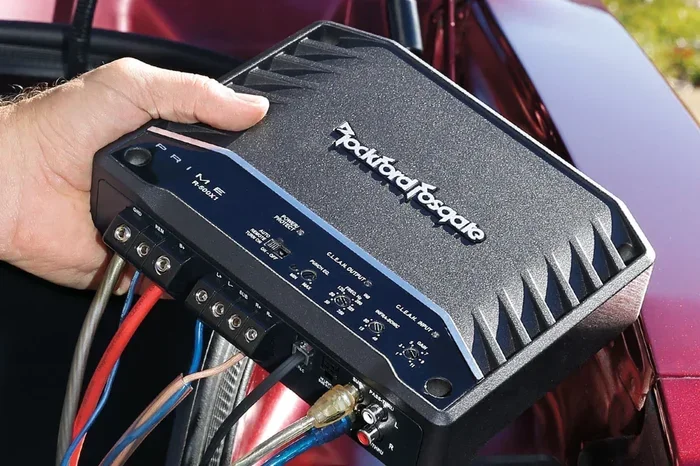
A 2 channel car amplifier is an audio device that boosts the signal from your head unit to your speakers. It has two channels, which means it can power two speakers independently. Most people use it for their front left and right speakers.
Think of it like a volume knob on steroids. Your factory stereo sends a weak signal. The amplifier takes that signal and makes it stronger. The result is cleaner, louder, and more detailed sound.
These amps are called “two channel” because each channel handles one speaker. So channel one powers your left speaker, and channel two powers your right speaker. This setup gives you stereo sound, which is essential for a great listening experience in your car.
You will find 2 channel amps in many shapes and sizes. Some are compact and fit behind your seat. Others are larger and need a dedicated mounting space. The key is finding one that fits your car and your audio goals.
How Is It Different from Other Amplifier Types?
A mono amplifier powers one speaker, usually a subwoofer. A four channel amplifier can power four speakers at once. A 2 channel amp sits right in the middle. It offers flexibility without taking up too much space.
Many car audio lovers start with a 2 channel amp. It is the perfect first upgrade. You get noticeable sound improvement without spending a fortune or dealing with complex wiring.
How Does a Two Channel Amp Work?
Understanding how a car audio amplifier works helps you make better buying decisions. The process is simpler than it sounds.
First, your head unit sends a low-voltage audio signal. This signal travels to the amplifier. The amp then uses power from your car battery to boost that signal. The boosted signal goes to your speakers, producing louder and clearer sound.
Each channel works independently. Channel one processes the left speaker signal. Channel two processes the right speaker signal. This separation ensures each speaker gets the exact power it needs.
The Role of RMS Power
RMS power is the most important spec to understand. RMS stands for “Root Mean Square.” It measures the continuous power an amplifier can deliver. Do not confuse this with peak power. Peak power is just a short burst. RMS power is what matters for real-world listening.
When shopping for a 2 channel car amplifier, always look at the RMS rating. A 50-watt RMS amp per channel will sound better and last longer than a 100-watt peak amp.
Frequency Response and Sound Quality
A good car amplifier handles a wide range of frequencies. Most 2 channel amps cover 20 Hz to 20,000 Hz. This range covers everything from deep bass to crisp highs. The wider the frequency response, the more detailed your sound will be.
Look for amps with low total harmonic distortion (THD). A THD below 0.1% means your sound stays clean even at high volumes. This is a key factor in audio quality.
Benefits of Adding a 2 Channel Car Amplifier
Upgrading to a 2 channel car amplifier transforms your driving experience. Here are the main benefits you will notice.
Improved Sound Clarity
Factory stereos often sound muddy. They struggle to produce clean sound at higher volumes. A two channel amp fixes this problem. It sends a clean, powerful signal to each speaker. You will hear details in your music you never noticed before.
Vocals become clearer. Instruments sound more defined. The overall sound clarity improves dramatically.
Louder Volume Without Distortion
One of the biggest advantages is volume. A 2 channel car amplifier lets you turn up the music without that annoying crackling sound. Distortion happens when your factory stereo pushes too much power. An amp solves this by providing clean power.
Whether you are driving on the highway or cruising through town, your music stays clean and full.
Better Bass Response
Even though a 2 channel amp powers your front speakers, it still improves bass. Your front door speakers handle midrange and bass frequencies. A dedicated amp gives them the power they need to produce deeper, richer bass.
You do not need a subwoofer to enjoy good bass. A quality 2 channel amp with your existing speakers can deliver impressive low-end response.
Protection for Your Speakers
Factory stereos often send uneven power to speakers. This can damage them over time. A car audio amplifier delivers consistent, clean power. This protects your speakers and helps them last longer.
Think of it as insurance for your speaker investment. If you are spending money on good speakers, an amp ensures they perform at their best.
Easy Integration with Your Existing System
A 2 channel car amplifier works with almost any car stereo system. Whether you have a factory head unit or an aftermarket one, the amp will improve performance. You do not need to replace your entire system.
This makes it a smart, budget-friendly upgrade. You get huge sound improvements without replacing everything.
How to Choose the Right 2 Channel Car Amplifier
Shopping for a 2 channel car amplifier can feel overwhelming. There are many brands, models, and specs to consider. Here is a simple guide to help you choose the right one.
Match the Amp to Your Speakers
The most important rule is matching power. Check your speaker’s RMS power rating. Then choose an amp that delivers close to that power. For example, if your speakers handle 60 watts RMS each, look for an amp with 50 to 75 watts RMS per channel.
Mismatching power causes problems. Too little power means you will clip the signal and distort the sound. Too much power can blow your speakers. Always aim for a close match.
Check the Impedance Rating
Speaker impedance is measured in ohms. Most car speakers are 4 ohms. Some are 2 ohms. Make sure your car amplifier can handle the impedance of your speakers.
Running a 2 ohm load on an amp not designed for it can cause overheating. Always check the amp’s minimum impedance rating before purchasing.
Consider the Size and Mounting Options
Compact amplifiers for car speakers fit almost anywhere. Some models are small enough to mount behind your seat or under a seat. Larger amps need more space, often in the trunk.
Measure your available space before buying. A tight fit can cause overheating issues. Give your amp room to breathe.
Look for Useful Features
Modern 2 channel car amplifiers come with helpful features. Look for these when shopping:
- Built-in crossovers: These filter frequencies to send the right sounds to the right speakers.
- Remote turn-on wire: This ensures the amp turns on and off with your ignition.
- Gain control: This lets you adjust the input level for optimal performance.
- Thermal protection: This shuts down the amp if it gets too hot, preventing damage.
- High-level inputs: These allow easy connection to factory stereos without a harness adapter.
Set a Realistic Budget
Car amplifier prices range from $50 to $500 or more. You do not need to spend a fortune to get great sound. A quality 2 channel amp in the $100 to $250 range delivers excellent performance for most setups.
Spend more if you have high-end speakers or demanding audio needs. But for most car audio upgrades, a mid-range amp hits the sweet spot between price and performance.
Popular Brands to Consider
Several brands stand out in the car audio amplifier market. Here are some reliable options:
- Pioneer: Known for affordable, reliable amps with solid sound quality.
- Rockford Fosgate: A premium brand with excellent build quality and performance.
- Alpine: Offers clean, refined sound with user-friendly features.
- JBL: Great mid-range amps with strong bass response.
- Kicker: Popular for bass-heavy setups and durable construction.
Installation Tips for Your Car Amplifier
Installing a 2 channel car amplifier is easier than most people think. With the right tools and a little patience, you can do it yourself.
What You Will Need
Before you start, gather these items:
- Amplifier wiring kit: This includes power wire, ground wire, and remote turn-on wire.
- Ring terminals: These ensure secure connections.
- Wire stripper: For preparing wire ends.
- Fuse and fuse holder: Always fuse your power wire close to the battery.
- Basic hand tools: Screwdrivers, wire cutters, and a drill if needed.
Step-by-Step Installation Process
Follow these steps for a safe and successful amplifier installation:
- Disconnect your car battery. Always start by removing the negative terminal. This prevents electrical shorts.
- Run the power wire. Route it from the battery to the amp location. Use a wire gauge appropriate for your amp’s power rating.
- Connect the ground wire. Attach it to a clean, bare metal surface near the amp. Sand away any paint or rust for a good connection.
- Connect the remote turn-on wire. This wire comes from your head unit and tells the amp when to turn on.
- Run the RCA cables. These carry the audio signal from your head unit to the amp. Route them away from power wires to avoid interference.
- Connect speaker wires. Run wires from the amp to each speaker. Pay attention to positive and negative terminals.
- Reconnect the battery. Double-check all connections before turning the power on.
- Test the system. Turn on the radio and listen for clean sound. Adjust the gain if needed.
Quick Tips for a Clean Installation
- Use zip ties to keep wires neat and secure.
- Avoid running wires near heat sources or moving parts.
- Use dielectric grease on connections to prevent corrosion.
- Take photos during the process to help with future troubleshooting.
- Always use the correct fuse size for your power wire.
Common Mistakes to Avoid
Even with the best 2 channel car amplifier, mistakes can ruin your experience. Here are common errors to watch out for.
Mismatching Power Ratings
The biggest mistake is pairing the wrong amp with your speakers. Too much power blows speakers. Too little power causes clipping and distortion. Always match the RMS ratings between your amp and speakers.
Using Incorrect Wire Gauge
Thin wires cause power loss and overheating. A 4-gauge wire works well for most 50 to 100 watt RMS amps. For higher-powered systems, use 2-gauge or even 0-gauge wire. Using the wrong gauge is a common and costly mistake.
Poor Grounding
A bad ground causes buzzing and static in your audio. Always scrape paint and rust away from the ground point. Use a dedicated bolt or screw for the best connection.
Ignoring the Fuse
Never skip the fuse. A power wire without a fuse can cause a fire. Always install a fuse within 18 inches of the battery terminal.
Overlooking Speaker Impedance
Connecting the wrong impedance can damage your amp. If your speakers are 4 ohms, make sure your car amplifier supports 4-ohm loads. Check the amp’s specifications before connecting anything.
2 Channel Car Amplifier vs. Other Options
Not sure if a 2 channel car amplifier is right for you? Here is how it compares to other amplifier types.
| Feature | 2 Channel Amp | Mono Amp | 4 Channel Amp |
|---|---|---|---|
| Number of Speakers | 2 (front) | 1 (subwoofer) | 4 (full range) |
| Best For | Front speaker upgrade | Bass and subwoofers | Complete system upgrade |
| Installation Complexity | Easy | Easy | Moderate |
| Price Range | $50 – $400 | $40 – $350 | $80 – $600 |
| Space Required | Small to medium | Compact | Medium to large |
| Flexibility | High | Low | Very high |
A 2 channel car amplifier offers the best balance of simplicity and versatility. It is the go-to choice for most car audio upgrades. Mono amps are great for bass lovers, and 4 channel amps cover the whole system. But for a focused front speaker upgrade, nothing beats a 2 channel amp.
Expert Insights: Getting the Most from Your Amp
Car audio experts recommend a few extra steps to get the most out of your 2 channel car amplifier.
Tune your system with an SPL meter. This tool helps you set the gain correctly. Proper gain setting prevents distortion and protects your equipment. You can pick up an SPL meter for under $20.
Consider a sound deadening material. Products like Dynamat reduce road noise and vibration. This lets your speakers perform at their best without interference. It is a simple upgrade that makes a noticeable difference.
Upgrade your head unit if needed. A better head unit sends a cleaner signal to your amp. If your factory stereo has a lot of built-in EQ processing, it can muddy the sound. An aftermarket head unit improves the input signal quality.
Use high-quality speaker wire. Cheap speaker wire can limit your amp’s performance. Oxygen-free copper wire provides better conductivity and signal transfer. It is a small investment with big returns.
Let your amp break in. New car amplifiers sound slightly different after 20 to 50 hours of use. The internal components settle in, and the sound often improves. Give your amp some time before making a final judgment.
Final Thoughts
A 2 channel car amplifier is one of the best upgrades you can make to your vehicle’s audio system. It delivers louder, cleaner, and more detailed sound without breaking the bank. Whether you are a casual listener or a car audio enthusiast, this upgrade makes a real difference.
Choose the right amp for your speakers, install it properly, and enjoy the improved audio quality every time you drive. The process is straightforward, and the results are worth the effort.
Start with the basics. Match your amp to your speakers. Use proper wiring. Avoid the common mistakes outlined in this guide. Follow these steps, and your car audio system will sound better than ever.
Your ears will thank you. Every time you turn the key and hear that clean, powerful sound filling your car, you will know the upgrade was worth it. A 2 channel car amplifier is a simple change that delivers a big impact.
Frequently Asked Questions
What is the best wattage for a 2 channel car amplifier?
The best wattage depends on your speakers. Match the amp’s RMS power to your speaker’s RMS rating. For most factory speakers, a 50 to 75 watt RMS per channel amp works perfectly. For aftermarket speakers, you may want 75 to 150 watts RMS per channel.
Can I install a 2 channel car amplifier myself?
Yes, most people can install a 2 channel amp at home. You need basic tools, a wiring kit, and about one to two hours. Follow the installation steps carefully, and always disconnect the battery before starting. If you feel unsure, a professional installer can help.
Do I need a capacitor with my car amplifier?
A capacitor helps stabilize power delivery. It is most useful for amplifiers over 100 watts RMS per channel. For smaller 2 channel amps, a capacitor is usually not necessary. Your car’s electrical system can handle the power draw.
Can I bridge a 2 channel car amplifier?
Yes, many 2 channel amps can be bridged to power a single subwoofer. Bridging combines both channels into one with more power. Check your amp’s manual to see if bridging is supported and what impedance it requires.
Will a 2 channel car amplifier improve my factory speakers?
Absolutely. Even budget factory speakers sound significantly better with a dedicated amplifier. The amp provides clean power that your factory head unit cannot. You will notice improved clarity, volume, and bass response immediately.
How long does a 2 channel car amplifier last?
A quality 2 channel amp can last 10 years or more with proper care. Keep it well-ventilated, avoid overpowering it, and use the correct gauge wiring. Regular maintenance and proper installation are the keys to long amplifier life.
=== CONCLUSION ===
A 2 channel car amplifier is a simple yet powerful upgrade that transforms your car audio experience. It delivers cleaner sound, louder volume, and better protection for your speakers. Whether you are upgrading factory speakers or building a more serious audio system, this amp type offers the perfect balance of performance and ease.
Choose the right amp by matching power to your speakers, checking impedance, and considering your budget. Install it carefully using the tips in this guide. Avoid common mistakes like mismatched power and poor grounding. And enjoy the ride with music that sounds incredible every time you turn the key.
Start your car audio upgrade today. A 2 channel car amplifier is the single best investment you can make for better sound in your vehicle.