How to Choose the Best 500 Watt Car Inverter for Your Needs
A 500 watt car inverter lets you power everyday devices from your vehicle. Whether you need it for road trips, camping, or emergency backup, choosing the right one matters. This guide breaks down everything you need to know to make a confident, smart purchase.
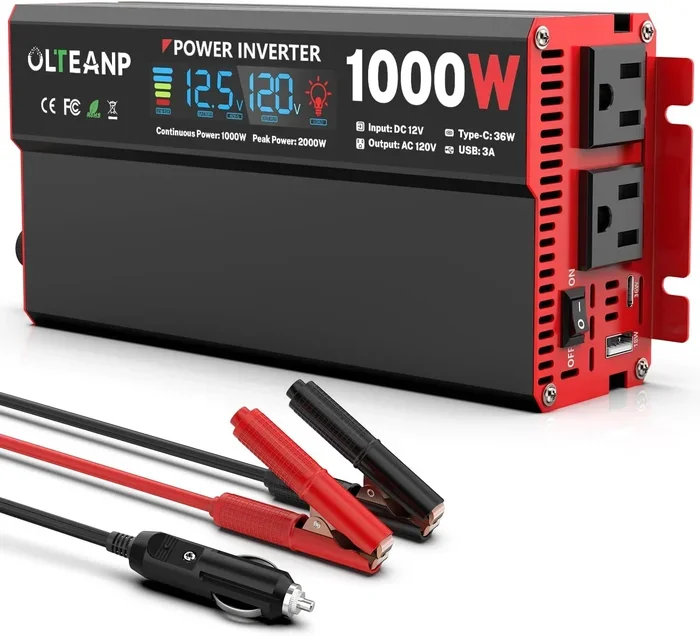
A 500 watt car inverter is one of the most practical automotive accessories you can own. It converts your car’s 12-volt DC power into 110-volt AC power, letting you run household devices on the go. Whether you are commuting, camping, or facing a roadside emergency, this compact device opens up a world of possibilities.
But here is the thing. Not all inverters are created equal. Some deliver clean, stable power. Others are cheap and risky. The difference between a great inverter for car and a poor one can mean the life or death of your favorite electronics. That is exactly why this guide exists.
By the time you finish reading, you will know exactly what to look for, what to avoid, and how to get the best value from your 500 watt car inverter. Let us dive in.
Key Takeaways
- Match wattage to your devices: A 500 watt car inverter handles laptops, phones, small TVs, and more without strain.
- Choose pure sine wave for sensitive electronics: It delivers clean power and protects your gear better than modified sine wave models.
- Check your vehicle’s battery and alternator: A weak electrical system can limit what your inverter can do safely.
- Safety features matter: Look for built-in fuses, overheating protection, and low-voltage shutoff.
- Avoid common mistakes: Never exceed the rated wattage and always turn off the inverter when the engine is off.
- Maintenance extends lifespan: Keep vents clear, inspect cables, and store the unit properly when not in use.
📑 Table of Contents
- What Is a 500 Watt Car Inverter and Why Do You Need One?
- Types of 500 Watt Car Inverters
- Key Features to Look For in a 500 Watt Car Inverter
- Top Things to Consider Before Buying
- Common Mistakes to Avoid When Using a 500 Watt Car Inverter
- How to Get the Most Out of Your 500 Watt Car Inverter
- Final Thoughts: Finding the Best 500 Watt Car Inverter for You
What Is a 500 Watt Car Inverter and Why Do You Need One?
A 500 watt car inverter is a compact power unit that plugs into your vehicle’s electrical system. It draws power from your car battery and converts it from direct current (DC) into alternating current (AC). This is the same type of electricity you get from wall outlets at home.
The number 500 watts refers to the maximum continuous power the unit can deliver safely. That means you can run devices that draw up to 500 watts without overloading the car power inverter. Anything beyond that risks tripping a safety shutoff or damaging the unit.
How a Car Power Inverter Works
Inside every inverter for car is a circuit board and a transformer. The transformer takes the 12-volt DC input from your battery and steps it up to 110 or 120 volts AC. The circuit board controls the waveform, which determines how clean and stable the output power is.
There are two main types of waveforms. Modified sine wave inverters are affordable and work fine for basic devices. Pure sine wave inverters deliver smooth, hospital-grade power that is safe for sensitive electronics like laptops and medical devices. We will compare these in detail shortly.
Who Benefits Most from a 500 Watt Car Inverter?
Almost anyone who spends time in a vehicle can benefit. Road trippers use a portable power inverter to charge laptops and run small coolers. Van lifers rely on them for daily power. Parents keep one in the SUV to entertain kids on long drives. Freelancers who work from their cars need reliable AC power from car to stay productive.
Even if you do not fit these categories, a 500 watt car inverter is useful for emergencies. During power outages, you can run a lamp, charge your phone, or power a small fan. It is a small investment that pays off in many situations.
Types of 500 Watt Car Inverters
Not all 500 watt car inverter models are the same. The two biggest differences lie in the waveform type and the way they connect to your vehicle. Understanding these differences helps you choose the right one for your specific needs.
Modified Sine Wave vs Pure Sine Wave
A modified sine wave inverter produces a stepped, choppy waveform. It works well for simple devices like phone chargers, fans, and incandescent lights. However, it can cause humming or interference in sensitive equipment. Some motors and audio devices may run hotter or less efficiently on modified waveforms.
A pure sine wave inverter produces a smooth, consistent wave that mirrors the power from your home outlets. This is the gold standard for car electrical accessories. It runs laptops, TVs, and medical devices safely. It also reduces noise and heat in motors, which means your devices last longer.
If you plan to power anything sensitive or expensive, invest in a pure sine wave 500 watt car inverter. The extra cost is worth the protection and performance.
Plug-In vs Hardwired Models
Most 500 watt car inverter units plug directly into the cigarette lighter or 12-volt accessory outlet. This is the easiest setup. You just plug it in and start using it. These models are perfect for people who want portability and simplicity.
Hardwired models connect directly to your car’s battery with cables. They offer a more permanent and robust connection. This is ideal for van conversions, trucks, or vehicles that need heavy, continuous use. A hardwired power inverter for vehicle also reduces the strain on the cigarette lighter socket, which can melt under heavy loads.
For most everyday users, a plug-in model is the way to go. But if you are pushing the limits, hardwiring is the smarter long-term choice.
Key Features to Look For in a 500 Watt Car Inverter
When shopping for a 500 watt car inverter, the spec sheet can be overwhelming. But you do not need to be an electrical engineer to make a smart choice. Focus on these key features, and you will find a great unit.
Power Output and Efficiency Rating
The continuous wattage is the most important number. A 500 watt car inverter should deliver a steady 500 watts without shutting down. But pay attention to the surge or peak wattage too. This is the extra power the unit can handle for a short burst, usually a few seconds.
Efficiency rating tells you how much power is lost during the DC-to-AC conversion. A good car battery inverter runs at 85 to 95 percent efficiency. The higher the efficiency, the less heat it generates and the longer your battery lasts.
Quick Tip: Always check both the continuous and surge wattage before buying. A unit rated at 500 watts continuous with 1000 watts surge gives you breathing room for devices that draw extra power at startup.
Safety Features You Should Never Skip
Safety is non-negotiable when dealing with car power inverters. A quality unit should include multiple layers of protection. Look for these features:
- Overload protection: Shuts the unit down if you exceed the wattage limit.
- Overheating protection: Automatically powers off when internal temperatures get too high.
- Low-voltage shutoff: Prevents your car battery from draining completely.
- Built-in fuse: Protects against short circuits and electrical surges.
- Ground fault protection: Reduces the risk of electrical shock.
If a 500 watt car inverter lacks these features, keep looking. No price savings is worth the risk to your devices or your vehicle.
Cooling System and Physical Design
Inverter cooling fan design matters more than most people realize. A 12v to 110v converter generates heat during operation. Without proper cooling, it can overheat and shut down, or worse, become a fire hazard.
Look for inverters with quiet, effective fans and well-ventilated housing. Some models use aluminum casings that act as heat sinks. Others rely on internal fans alone. The best units combine both approaches for reliable, long-lasting performance.
Size and portability also matter. A compact 500 watt car inverter that fits in your glove box or under a seat is far more convenient than a bulky unit that takes up half your trunk. Consider where you will store it before you buy.
Top Things to Consider Before Buying
Buying a 500 watt car inverter is easy. Buying the right one takes a little thought. Use these questions to guide your decision.
Matching Your Power Needs
Start by listing the devices you want to power. A laptop draws about 50 to 65 watts. A phone charger uses around 10 to 20 watts. A small TV can pull 80 to 150 watts. A mini fridge might use 100 to 200 watts.
Add up the wattage of all the devices you plan to run at the same time. If the total stays under 500 watts, a 500 watt car inverter will handle the load. If you plan to run multiple high-wattage devices, you may need to stagger their use or consider a higher-wattage unit.
Quick Tip: Write down the wattage on each device’s label or check the user manual. This simple step prevents surprises and keeps your inverter for car running safely.
Vehicle Compatibility and Battery Health
Not every vehicle handles a 500 watt car inverter the same way. Older cars with small alternators may struggle to keep up. Modern vehicles with robust electrical systems handle them with ease.
Check your alternator’s output rating. Most cars produce between 60 and 150 amps. A 500-watt inverter draws about 42 amps from a 12-volt system. This is well within the range of most vehicles. But if your car is older or has a weak battery, the inverter may strain the system.
Also consider the condition of your car battery. A worn-out battery will not deliver consistent power. Have it tested before relying on a car power inverter for regular use. A healthy battery is the foundation of a reliable power inverter for vehicle setup.
Cable Quality and Connection Type
The cable that comes with your 12v to 110v converter matters. Thin, cheap cables create resistance and heat. They can also limit the power output. Look for units that include thick, short cables with secure clamps or a quality plug connector.
If you are going the hardwired route, use cables sized for the amperage. A 4-gauge or 6-gauge cable is typically sufficient for a 500 watt car inverter. Always follow the manufacturer’s recommendations for cable length and gauge.
Common Mistakes to Avoid When Using a 500 Watt Car Inverter
Even the best 500 watt car inverter can cause problems if used incorrectly. Avoid these common mistakes to keep your devices safe and your inverter running smoothly.
Overloading Your Inverter
This is the number one mistake people make. A 500 watt car inverter has a limit. Plugging in a 600-watt device will trip the overload protection at best. At worst, it can fry the inverter or damage your vehicle’s electrical system.
Always stay below the rated continuous wattage. If you need to run multiple devices, turn them on one at a time. Monitor the total draw and never push the unit to its absolute maximum for extended periods.
Ignoring the Cooling Ventilation
Inverter cooling fan systems need airflow to work. Placing your car power inverter under a seat with no ventilation or burying it in gear can cause overheating. This is one of the most common reasons inverters fail early.
Keep the unit on a flat, open surface where air can circulate freely. If your inverter has a fan, make sure nothing blocks the vents. A little attention to placement goes a long way.
Forgetting to Turn It Off When the Engine Is Off
A portable power inverter draws power from your car battery even when no devices are connected. If you leave it on overnight or while the engine is off, you may return to a dead battery.
Get in the habit of turning off the inverter for car when you park. Some models have an automatic shutoff for low battery voltage, but do not rely on this alone. A manual shutoff gives you control and peace of mind.
Using the Wrong Type of Inverter for Sensitive Devices
Plugging a laptop or TV into a modified sine wave 500 watt car inverter might work fine for a while. But over time, the choppy waveform can cause stress on sensitive components. This is especially true for devices with microprocessors or digital displays.
Expert Insight: Many electronics manufacturers recommend pure sine wave power for their products. Using a modified sine wave inverter with these devices may void your warranty. When in doubt, go with pure sine wave.
How to Get the Most Out of Your 500 Watt Car Inverter
Once you have chosen the right 500 watt car inverter, proper use and maintenance will keep it performing for years. Follow these best practices to maximize your investment.
Best Practices for Daily Use
Start by reading the user manual. Every car electrical accessories unit has specific instructions for safe operation. Follow them closely. Here are some daily-use tips that make a big difference:
- Plug the inverter in before turning on any devices.
- Unplug devices before turning off the inverter.
- Keep the unit dry and away from water or extreme heat.
- Do not leave the inverter plugged in for weeks without use.
- Use the inverter while the engine is running whenever possible.
These small habits add up. They keep your power inverter for vehicle safe, efficient, and ready when you need it most.
Maintenance Tips for Longevity
Like any 12v to 110v converter, your inverter benefits from regular care. Inspect the cables every few months for fraying or corrosion. Clean the vents to prevent dust buildup. Check the plug connection for looseness.
If you use the inverter frequently, give it a visual inspection once a month. Look for any discoloration, unusual smells, or strange noises. These can be early warning signs of a problem. Catching them early saves you from costly replacements.
Store your 500 watt car inverter in a cool, dry place when not in use. Extreme temperatures shorten the lifespan of electronic components. A simple storage routine keeps your unit in top shape.
Comparison: Top 500 Watt Car Inverter Types
| Feature | Modified Sine Wave | Pure Sine Wave |
|---|---|---|
| Price Range | $30 – $60 | $60 – $120 |
| Best For | Basic devices, chargers, lights | Laptops, TVs, sensitive electronics |
| Waveform Quality | Stepped, choppy | Smooth, clean |
| Motor Compatibility | May run hotter | Efficient, cooler operation |
| Noise Level | Some humming possible | Quiet operation |
| Efficiency | 80 – 85 percent | 90 – 95 percent |
The table above shows why pure sine wave models are worth the extra cost for most users. They are more efficient, quieter, and safer for a wider range of devices.
Final Thoughts: Finding the Best 500 Watt Car Inverter for You
Choosing the right 500 watt car inverter comes down to understanding your power needs, your vehicle, and your budget. A pure sine wave plug-in model works great for most daily users. A hardwired setup makes more sense for heavy or continuous use.
Focus on safety features, efficiency ratings, and build quality. Avoid the common mistakes that shorten inverter lifespan. And remember, the best car power inverter is the one that matches how you actually use it.
A 500 watt car inverter is a small investment that delivers big convenience. From road trips to emergency backup, it keeps you connected and powered up wherever the road takes you. Choose wisely, use it safely, and enjoy the freedom of AC power from car anytime you need it.
Frequently Asked Questions
Can a 500 watt car inverter run a microwave?
A typical microwave draws 600 to 1200 watts, which exceeds the capacity of a 500 watt car inverter. It is not recommended to run a microwave from a 500-watt unit. You would need a much higher-wattage inverter for that kind of appliance.
How long can a 500 watt car inverter run on a car battery?
This depends on your battery capacity and what devices you are running. A standard car battery has about 40 to 60 amp-hours. A 500 watt car inverter draws roughly 42 amps, so you could expect about 1 to 1.5 hours of continuous use before the battery is significantly drained. Always run the engine to keep the battery charged.
Is a pure sine wave inverter better than a modified sine wave inverter?
Yes, for most users. A pure sine wave inverter delivers cleaner power that is safer for sensitive electronics like laptops and TVs. It also runs motors more efficiently and quietly. While modified sine wave inverters are cheaper, the performance and safety benefits of pure sine wave models make them the better choice for a 500 watt car inverter.
Can I use a 500 watt car inverter while the engine is off?
You can, but only for short periods. Running a 500 watt car inverter with the engine off will drain your car battery. If you must use it while parked, limit the time and make sure your engine can start afterward. For extended use, keep the engine running.
What devices can I safely run on a 500 watt car inverter?
A 500 watt car inverter handles most everyday electronics comfortably. You can power laptops, smartphones, tablets, small TVs, LED lights, fans, and small coolers. Check the wattage of each device before plugging it in to make sure the total stays under 500 watts.
Do I need special cables to install a 500 watt car inverter?
Most plug-in models come with a standard cable that fits the cigarette lighter socket. For hardwired installations, you need appropriate gauge cables, typically 4 to 6 gauge, with secure ring terminals. Always use cables rated for the amperage your car battery inverter will draw to ensure safe, reliable performance.