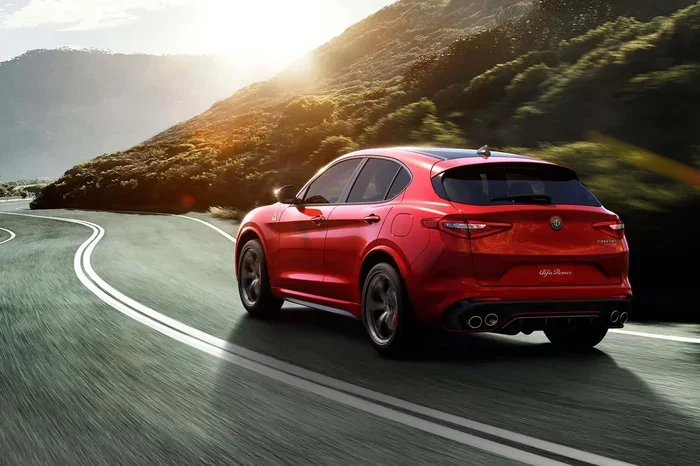
How Alfa Romeo Tackles Terrain Like a Pro on Any Road
Alfa Romeo combines Italian engineering with smart all-wheel drive and adaptive technology to handle any terrain with confidence. Whether you drive the Stelvio SUV or the Giulia sports sedan, these vehicles are built to adapt to gravel, wet roads, and rugged paths. This guide breaks down exactly how Alfa Romeo tackles terrain like a seasoned pro on every type of road you encounter.
When you think about Italian cars, sleek design and fast highways probably come to mind first. But Alfa Romeo has a secret weapon that many people overlook. How Alfa Romeo tackles terrain is a story of clever engineering, bold innovation, and a deep love for the driving experience. These cars do not just cruise on smooth pavement. They were built to handle gravel, rain-soaked roads, mountain switchbacks, and even light off-road trails with real confidence.
If you have ever wondered what makes an Alfa Romeo stand out when the road gets tough, you are in the right place. This guide walks you through every system, feature, and smart technology that helps these Italian machines conquer any surface. From the powerful Stelvio SUV to the agile Giulia sedan, Alfa Romeo brings a unique approach to terrain handling that few brands can match.
Key Takeaways
- Alfa Romeo vehicles use advanced AWD systems that distribute power to all four wheels for better grip and control on any surface.
- The Stelvio SUV excels at off-road adventures thanks to adaptive suspension and generous ground clearance designed for rough terrain.
- The Giulia sports sedan delivers surprising versatility on varied road surfaces through its Q4 all-wheel drive and torque vectoring technology.
- Multiple driving modes let you switch instantly between comfort, sport, and off-road settings to match the terrain ahead.
- Regular maintenance keeps your Alfa Romeo terrain-ready and ensures all systems perform at their best year-round.
- Italian engineering meets modern tech to give Alfa Romeo a unique edge in handling diverse driving conditions with style and precision.
📑 Table of Contents
- The Alfa Romeo DNA Built for Every Road
- The Alfa Romeo Stelvio: SUV Power Meets Adventure
- The Alfa Romeo Giulia: Sports Sedan Dominance
- Driving Modes That Adapt to Any Terrain
- Key Technologies Behind Alfa Romeo’s Terrain Mastery
- Tips for Maximizing Your Alfa Romeo’s Terrain Performance
- Expert Insights on Alfa Romeo’s Terrain Advantage
- Common Mistakes That Hurt Your Alfa Romeo’s Terrain Performance
- Key Takeaways
- Final Thoughts
The Alfa Romeo DNA Built for Every Road
Alfa Romeo has been around since 1910. That is over a century of building cars with a soul. The brand started with racing roots, and that spirit lives on in every model today. When engineers design an Alfa Romeo, they think about performance first. But they also think about control. How Alfa Romeo tackles terrain starts with a philosophy that treats every road as a chance to deliver an exciting yet safe drive.
A Legacy of Italian Performance
Italian car makers have always pushed boundaries. Alfa Romeo is no different. The brand has won countless races on winding mountain roads and unpredictable tracks. That racing heritage feeds directly into their road cars today. Every curve, every suspension setting, and every gear shift reflects decades of experience.
What does this mean for you on a regular Tuesday commute? It means your Alfa Romeo carries that race-bred DNA into everyday driving. The chassis is tuned to absorb bumps. The steering responds quickly. The brakes bite with precision. These are not just luxury features. They are tools that help the car adapt to any terrain you throw at it.
Engineering That Defies Expectations
Most people expect sports cars to be fragile on rough roads. Alfa Romeo flips that idea upside down. The brand uses a front-engine, rear-wheel-drive layout in many models. This gives the car a natural balance that feels planted and stable. When you add all-wheel drive to the mix, the result is a vehicle that feels confident whether you are on a highway or a dirt path.
The engineers at Alfa Romeo focus on something called weight distribution. By placing the engine low and central, the car stays flat through corners. This is crucial when you are navigating a wet highway exit or a gravel forest road. The car stays planted. It does not wander or slide. That is the magic of thoughtful engineering.
The Alfa Romeo Stelvio: SUV Power Meets Adventure
The Stelvio is Alfa Romeo’s flagship SUV. It combines the comfort of a luxury SUV with the handling of a sports car. Many people buy SUVs for the height and the view. The Stelvio gives you those things and so much more. How Alfa Romeo tackles terrain through the Stelvio is genuinely impressive, and here is why.
Stelvio Off-Road Capabilities
The Stelvio comes with a generous ground clearance of about 8.6 inches in standard trim. That might not sound like a lot, but for a sports SUV, it is excellent. This clearance lets the Stelvio clear rocks, ruts, and uneven dirt roads without scraping the undercarriage. You can take it on forest trails, beach access roads, and mountain passes with real peace of mind.
Underneath, the Stelvio features a reinforced underbody. Protective skid plates guard the engine and transmission from damage. This is not just a car that looks tough. It is built to actually go places where regular sedans would struggle. The Stelvio proves that you do not need to sacrifice style for off-road ability.
Adaptive Suspension in Action
One of the Stelvio’s best features is its adaptive suspension system. This system constantly adjusts the dampers based on road conditions. If you hit a pothole, the suspension softens to absorb the impact. If you are carving through a mountain pass, the suspension firms up for better control.
Here is a quick look at what the adaptive suspension does for you:
- Smooths out rough pavement so your ride stays comfortable on highways.
- Firms up on gravel roads to reduce body roll and keep you stable.
- Adjusts for wet surfaces by optimizing tire contact for better grip.
- Handles speed bumps gracefully without bouncing or bottoming out.
Real-world drivers love this feature. One Stelvio owner on a popular car forum shared how he took his SUV on a camping trip through the Rockies. The roads were rough and full of loose gravel. He said the Stelvio handled every inch of the trail with surprising ease. That is the kind of real-world proof that speaks volumes.
The Alfa Romeo Giulia: Sports Sedan Dominance
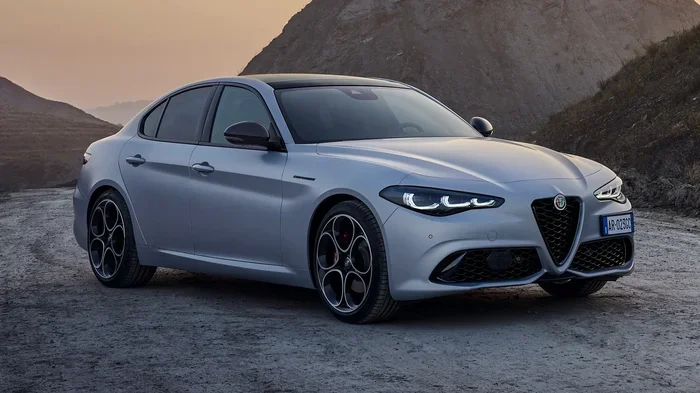
The Giulia is Alfa Romeo’s sports sedan. It is sleek, fast, and surprisingly capable on a variety of road surfaces. You might not think of a sports sedan as an off-road contender. But the Giulia proves that a low-slung car can still handle rough terrain with grace. How Alfa Romeo tackles terrain through the Giulia shows that performance and practicality can go hand in hand.
Giulia’s Handling on Varied Surfaces
The Giulia was designed with one goal in mind: to drive beautifully. The steering is sharp and responsive. The chassis is rigid yet lightweight. When you combine these traits with a well-designed all-wheel drive system, you get a car that feels at home on many different surfaces.
On wet highways, the Giulia stays stable thanks to its electronic stability control and traction management. On country roads with loose surfaces, the car grips confidently without feeling bulky or slow. It is a delicate balance. Alfa Romeo has clearly mastered it.
Q4 All-Wheel Drive System
The Giulia Q4 is Alfa Romeo’s all-wheel drive system. It sends power to all four wheels automatically. You do not need to lift a finger. The system constantly monitors wheel slip and adjusts power delivery in milliseconds.
Here is what makes the Q4 system special:
- Rear-biased power delivery gives the Giulia that classic rear-wheel-drive feel.
- Instant response when traction is lost on wet or icy roads.
- Torque vectoring sends extra power to the outer wheel during turns for sharper cornering.
- Lightweight design means the AWD system does not slow the car down.
The Q4 system is a big reason why the Giulia performs so well in variable conditions. It is not just a fair-weather system. It is designed to keep you moving when the road gets interesting.
Driving Modes That Adapt to Any Terrain
Modern cars need to be smart. Alfa Romeo understands this better than most. The brand offers multiple driving modes that change how the car behaves in real time. This is one of the cleverest features in the lineup, and it plays a huge role in how Alfa Romeo tackles terrain effectively.
Natural, Sport, and Off-Road Modes Explained
Each driving mode adjusts several systems at once. The throttle response changes. The steering feel shifts. The suspension settings update. Even the traction control behaves differently. Here is a breakdown of the key modes:
- Natural Mode: This is your everyday setting. The car balances comfort and performance. It is perfect for city driving and highway cruising. The car responds smoothly and predictably.
- Sport Mode: Throttle becomes more aggressive. Steering tightens up. The exhaust note gets more aggressive. This mode is ideal for open roads and spirited driving where you want maximum responsiveness.
- Off-Road Mode (on select models): This mode optimizes traction control and suspension for loose surfaces. It reduces the chance of wheel spin on gravel, mud, or sand. The car becomes more forgiving and stable on unpredictable terrain.
Switching between modes takes just a second. You can change your driving personality on the fly. This flexibility is what sets Alfa Romeo apart from many competitors. You are not stuck with one driving feel. You get the full range.
Torque Vectoring Explained Simply
Torque vectoring sounds complicated, but the idea is simple. When you turn a corner, the outside wheel needs to spin faster than the inside wheel. Torque vectoring sends extra power to the outside wheel during a turn. This helps the car rotate more smoothly and stay stable.
On rough terrain, this is a game-changer. If one wheel hits a loose rock or a patch of gravel, torque vectoring sends power to the wheels with better grip. The car stays on track. You stay in control. It is a subtle but powerful technology that makes a real difference when the road gets tricky.
Key Technologies Behind Alfa Romeo’s Terrain Mastery
Beyond driving modes and AWD systems, Alfa Romeo uses several other technologies that help the car handle any terrain. These systems work quietly in the background, keeping you safe and confident without you even noticing.
Adaptive Cruise and Traction Control
Adaptive cruise control adjusts your speed based on the traffic ahead. But it also plays a role in terrain handling. On steep downhill roads, the system helps maintain a steady speed without you riding the brakes. This reduces fatigue and improves safety on long mountain descents.
Traction control is equally important. It monitors each wheel’s speed and reduces power if a wheel starts to spin. On wet roads or loose gravel, traction control prevents you from sliding. It works with the all-wheel drive system to keep the car planted and moving in the right direction.
Brembo Brakes and Stability Systems
Alfa Romeo uses Brembo brakes on many of its models. Brembo is a world-renowned brake manufacturer. These brakes offer superior stopping power and fade resistance. When you are driving down a steep, winding mountain road, reliable brakes are not a luxury. They are a necessity.
The stability control system works alongside the brakes to keep the car on its intended path. If the car starts to oversteer or understeer, the system applies individual brakes to correct the slide. This keeps you safe without being intrusive. You can feel the confidence it gives you, especially on unfamiliar roads.
Tips for Maximizing Your Alfa Romeo’s Terrain Performance
Owning an Alfa Romeo comes with responsibilities. These are performance machines that reward proper care. Here are some practical tips to keep your car ready for any terrain.
Maintenance for All-Terrain Readiness
Regular maintenance is the foundation of great performance. Here are the key areas to focus on:
- Tire care: Check your tire pressure every two weeks. Proper pressure improves grip on all surfaces. Consider all-season tires if you drive in varied conditions.
- Suspension inspection: Have the shocks and struts checked at every service. Worn suspension parts reduce handling and comfort.
- Fluid changes: Keep your differential and transmission fluids fresh. These fluids affect how power is delivered to the wheels.
- Brake checks: Inspect brake pads and rotors regularly. Healthy brakes give you confidence on steep or slippery roads.
Common Mistakes to Avoid
Even the best cars can be misused. Here are common mistakes Alfa Romeo owners should avoid:
- Ignoring warning lights: If your traction or stability control light comes on, get it checked. These systems protect you on tricky terrain.
- Using the wrong tires: Summer tires on wet or icy roads are dangerous. Match your tires to your driving conditions.
- Skipping wheel alignments: A misaligned car pulls to one side and wears tires unevenly. This affects handling on all surfaces.
- Overloading the vehicle: Too much weight changes how the car handles. It affects braking, cornering, and suspension performance.
Expert Insights on Alfa Romeo’s Terrain Advantage
Automotive experts consistently praise Alfa Romeo for its driving dynamics. Car and Driver has highlighted the Stelvio’s surprising off-road ability. Motor Trend has called the Giulia one of the best-handling sedans in the world. These reviews confirm what owners already know: how Alfa Romeo tackles terrain is genuinely exceptional for a brand that also prioritizes style and luxury.
One expert from a well-known automotive publication noted that Alfa Romeo’s approach to all-wheel drive is different from competitors. While brands like Audi and BMW focus on luxury and refinement, Alfa Romeo keeps the driver engaged. The car feels alive. It responds to your inputs with a directness that makes every drive feel special, no matter the surface.
Another expert pointed to the brand’s use of torque vectoring as a standout feature. In a comparison test between the Stelvio and several rival SUVs, the Stelvio handled a mixed-terrain course with the best times. The judges praised its balance between comfort and sport. They noted that it felt equally at home on smooth highways and rough back roads.
Common Mistakes That Hurt Your Alfa Romeo’s Terrain Performance
Even the best machines need proper care. Here are some mistakes that can hurt your Alfa Romeo’s ability to handle any terrain.
Neglecting Tire Maintenance
Your tires are the only part of the car that touches the road. Worn tires or wrong tire pressure can make even the best AWD system struggle. Check your tread depth regularly. Replace tires when they wear down. Keep your pressure at the manufacturer’s recommended level.
Ignoring Software Updates
Modern Alfa Romeos have sophisticated computer systems that control driving modes, traction, and stability. These systems receive updates that improve performance and fix bugs. Keep your software up to date to ensure all systems work as intended.
Driving Aggressively on Rough Roads
It is tempting to push a powerful car hard on every road. But rough terrain requires a smoother touch. Ease off the throttle on loose surfaces. Brake gently before corners. Let the car’s systems do the work. You will get better results and protect your car from unnecessary wear.
Key Takeaways
- Alfa Romeo vehicles use advanced AWD systems that distribute power to all four wheels for better grip and control on any surface.
- The Stelvio SUV excels at off-road adventures thanks to adaptive suspension and generous ground clearance designed for rough terrain.
- The Giulia sports sedan delivers surprising versatility on varied road surfaces through its Q4 all-wheel drive and torque vectoring technology.
- Multiple driving modes let you switch instantly between comfort, sport, and off-road settings to match the terrain ahead.
- Regular maintenance keeps your Alfa Romeo terrain-ready and ensures all systems perform at their best year-round.
- Italian engineering meets modern tech to give Alfa Romeo a unique edge in handling diverse driving conditions with style and precision.
Final Thoughts
How Alfa Romeo tackles terrain is a story of passion, precision, and smart engineering. From the Stelvio’s rugged SUV capabilities to the Giulia’s surprising versatility, these Italian cars prove that performance and practicality can coexist beautifully. The adaptive suspension, Q4 all-wheel drive, torque vectoring, and intelligent driving modes all work together to give you confidence on any surface.
Whether you are cruising through city streets, navigating mountain passes, or exploring a forest trail, your Alfa Romeo is ready. It was designed with the driver in mind. It was engineered to adapt. And it was built to make every journey feel special.
So the next time the road gets rough or the weather turns bad, remember what your Alfa Romeo can do. Trust the technology. Respect the machine. And enjoy the ride. How Alfa Romeo tackles terrain is not just about getting from point A to point B. It is about enjoying every single mile of the journey.
Frequently Asked Questions
Can an Alfa Romeo really handle off-road terrain?
Yes, especially the Stelvio. With its adaptive suspension, decent ground clearance, and Q4 all-wheel drive, the Stelvio can handle gravel roads, forest trails, and light off-road conditions with real confidence. It is not a hardcore off-road vehicle, but it goes far beyond what most sports SUVs can manage.
What makes the Alfa Romeo Q4 system different from other AWD systems?
The Q4 system is rear-biased, which means it sends more power to the rear wheels under normal conditions. This gives the Giulia and Stelvio a sportier feel compared to front-biased AWD systems. It also uses torque vectoring to send power to the wheel with the most grip during turns.
Is the Alfa Romeo Giulia good in snow and ice?
Absolutely. The Q4 all-wheel drive system combined with electronic stability control and traction management makes the Giulia very capable in snow and ice. The driving modes also let you select settings that optimize the car for slippery conditions, giving you extra confidence on winter roads.
How often should I maintain my Alfa Romeo for optimal terrain performance?
Follow the manufacturer’s recommended service schedule. Check tire pressure every two weeks, inspect suspension components at each service, and keep all fluids fresh. Regular maintenance ensures that the AWD system, adaptive suspension, and traction controls work at their best whenever you need them.
What driving mode should I use on rough roads?
For rough or loose surfaces, use the off-road mode if your model has it. If not, the natural mode provides a balanced setting that works well on mixed terrain. Avoid sport mode on rough roads, as the firmer settings can make the ride harsh and reduce comfort.
Are Alfa Romeo cars reliable for all-weather driving?
Alfa Romeo has improved reliability significantly in recent years. The all-wheel drive systems and electronic stability features are designed to handle all weather conditions safely. Regular maintenance and proper tire choice are the best ways to ensure your Alfa Romeo stays reliable in rain, snow, and on rough roads year-round.