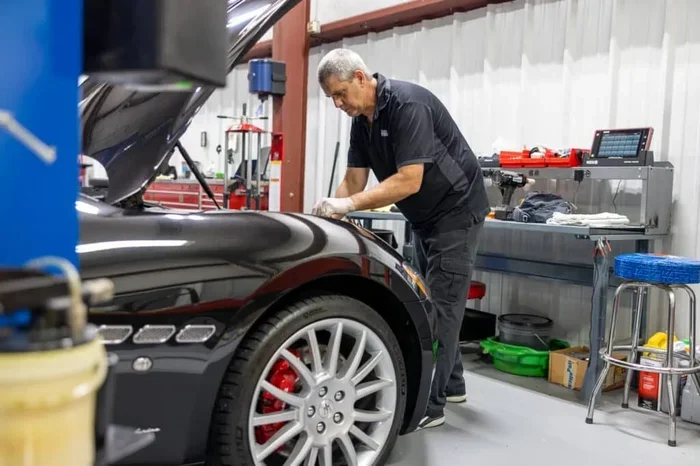
Can a Non-Maserati-Trained Mechanic Work on a Maserati
Can a non-Maserati-trained mechanic work on a Maserati? The short answer is yes, but with important caveats. Maserati repair demands specialized knowledge, advanced diagnostics, and luxury car maintenance expertise that not every shop offers. Choosing the right mechanic can save you thousands and keep your exotic car running at its best.
You just bought a Maserati. Maybe it is a sleek Quattroporte or a sporty Ghibli. Either way, you are grinning ear to ear. Then the check engine light flickers on. Or a strange noise creeps in from the engine bay. Your first thought? Who can fix this thing?
This is where the big question comes in. Can a non-Maserati-trained mechanic work on a Maserati? Many car owners face this exact dilemma. You do not want to spend a fortune at the dealership. But you also do not want to trust your luxury investment to just anyone. The good news is that the answer is not a simple yes or no. It depends on several factors that we will explore in depth.
In this article, we will break down everything you need to know. We will cover the unique challenges of Maserati repair, what skills a mechanic needs, and how to choose the right shop. By the end, you will feel confident making the best decision for your car and your wallet.
Key Takeaways
- Non-Maserati mechanics can work on Maseratis: With the right training and tools, independent shops can handle many repairs.
- Maserati diagnostics require specialized software: Standard OBD scanners often cannot read Maserati-specific error codes.
- Warranty considerations matter: Using a non-dealer mechanic may void certain factory warranties if not done carefully.
- Cost savings are real: Independent shops often charge 30-50% less than Maserati dealerships for the same work.
- European car repair skills transfer well: Mechanics experienced with Ferrari, Lamborghini, or Porsche often pick up Maserati work quickly.
- Always verify credentials: Look for ASE certification, Maserati-specific training, and positive owner reviews.
- Routine maintenance is safe at any quality shop: Oil changes, brake jobs, and tire rotations are straightforward for most trained mechanics.
📑 Table of Contents
- Understanding What Makes Maserati Repairs Unique
- The Skills a Non-Maserati Mechanic Needs
- Tools and Equipment for Maserati Work
- Pros and Cons of Using a Non-Specialist Mechanic
- Maserati Warranty and DIY Repair Risks
- How to Find a Reliable Mechanic for Your Maserati
- When to Stick with the Dealership
- Quick Tips for Maserati Owners
- Common Mistakes Maserati Owners Make
- Expert Insights on Maserati Maintenance
- Key Takeaways
- Conclusion
Understanding What Makes Maserati Repairs Unique
Maseratis are not ordinary cars. They are Italian luxury machines built with high-performance components and advanced technology. This sets them apart from everyday vehicles. Understanding these differences is the first step in answering whether a non-specialist mechanic can handle the work.
The Engineering Behind Maserati Vehicles
Maserati engines are engineering marvels. They use turbocharged V6 and V8 configurations that deliver incredible power. These engines require precise tuning and calibration. Even small adjustments can impact performance significantly. A mechanic unfamiliar with these systems might overlook critical details.
The transmissions in Maseratis are equally sophisticated. Most models use ZF eight-speed automatic transmissions. These units need specialized knowledge to diagnose and repair. Standard transmission work does not always apply here. The luxury vehicle repair process involves understanding how the engine and transmission work as a single system.
Maseratis also feature complex electronic systems. From the infotainment dashboard to the adaptive suspension, electronics play a huge role. These systems communicate through proprietary networks. A general mechanic may not have the tools to interface with them properly.
How Maseratis Differ from Other Luxury Brands
You might wonder how Maserati compares to BMW or Mercedes. The difference is significant. Maserati uses more exotic components than many mainstream luxury brands. Parts are often sourced from specialized Italian suppliers. The build quality is high, but this also means repairs are more intricate.
Compared to Porsche or Ferrari, Maserati sits in an interesting middle ground. It shares some DNA with Ferrari through the Fiat Chrysler ecosystem. This connection can actually help. A mechanic familiar with Ferrari performance car maintenance may find Maserati work more approachable. But it is not a guaranteed match.
The Skills a Non-Maserati Mechanic Needs
So what does a mechanic actually need to know? Let us break this down into specific skill areas. A non-Maserati-trained mechanic can certainly learn these skills. But it takes time, dedication, and the right resources.
Diagnostic Expertise
Modern Maseratis are loaded with sensors and computers. When something goes wrong, the car generates error codes. A mechanic needs to know how to read these codes accurately. Generic diagnostic tools often fall short here.
Maserati-specific diagnostic software is essential. Tools like Maserati Diagnostic System (MDS) provide deep access to the vehicle’s systems. Without these tools, a mechanic is essentially guessing. This is one of the biggest hurdles for independent mechanic shops that want to take on Maserati work.
Engine and Transmission Knowledge
A mechanic working on a Maserati must understand turbocharged engines deeply. These engines operate under extreme pressure and heat. They require specific maintenance intervals and premium fluids. Using the wrong oil or coolant can cause serious damage.
Transmission work on a Maserati is another specialized area. The ZF transmission needs software updates and recalibrations from time to time. A mechanic must know how to perform these procedures safely. This level of European car repair expertise goes beyond what a basic automotive program teaches.
Electrical System Proficiency
Maseratis have extensive wiring harnesses and electronic modules. The electrical system controls everything from the seats to the engine management. Troubleshooting electrical issues requires patience and a systematic approach.
Many non-Maserati mechanics struggle with electrical diagnostics. The wiring diagrams can be complex and proprietary. A mechanic needs access to official service manuals and wiring schematics. Without these resources, even simple electrical problems can turn into multi-hour mysteries.
Tools and Equipment for Maserati Work
Having the right tools is non-negotiable when working on a Maserati. A mechanic might be highly skilled, but without proper equipment, the work suffers. Let us look at what is needed.
Specialized Diagnostic Equipment
Standard OBD-II scanners will not cut it for Maseratis. These vehicles use proprietary communication protocols. A professional-grade diagnostic tool is essential. Brands like Autel, Launch, and Bosch offer equipment that supports Maserati systems.
The cost of this equipment can be significant. A quality diagnostic scanner can run several thousand dollars. This is a major investment for an independent repair shop. It explains why many general shops avoid Maserati work altogether.
Specialty Tools and Accessories
Beyond diagnostics, Maseratis require specific specialty tools. Torque wrenches with precise settings are needed for engine components. Certain bolts require unique socket sizes. Suspension components often need specialized alignment tools.
Fluid handling equipment is another consideration. Maseratis use specific types of brake fluid, transmission fluid, and engine oil. The mechanic needs proper equipment to bleed brakes and change fluids correctly. Cutting corners here can lead to serious safety issues.
Workspace and Environment
A clean, well-equipped workspace matters. Maseratis deserve a proper lift and a climate-controlled environment. Dirt and debris can damage sensitive components. A shop that takes care of its workspace shows respect for the vehicles it services.
Good lighting is also important. Many Maserati components are tucked into tight spaces. A mechanic needs clear visibility to work safely and accurately. These environmental factors are often overlooked but play a big role in repair quality.
Pros and Cons of Using a Non-Specialist Mechanic
Now let us weigh the advantages and disadvantages. This comparison will help you decide whether a non-Maserati mechanic is right for your situation.
The Advantages
Cost savings are the biggest advantage. Dealerships charge premium rates for labor and parts. An independent mechanic often costs 30 to 50 percent less for the same work. Over time, these savings add up significantly.
Flexibility is another benefit. Dealerships often have long wait times for appointments. Independent shops can usually fit you in faster. This means less time without your car and more convenience in your schedule.
Relationship building matters too. When you find a good independent mechanic, you develop a personal connection. They get to know your car and your driving habits. This familiarity can lead to better preventive care and early problem detection.
The Disadvantages
The biggest risk is incomplete repairs. A mechanic without Maserati-specific training might miss underlying issues. What seems like a simple problem could have deeper roots. This can lead to repeat visits and additional costs.
Parts availability is another concern. Maserati parts are not as widely stocked as parts for common brands. A non-specialist shop may not have the right connections to source genuine or high-quality aftermarket parts quickly.
There is also the risk of voiding your warranty. If your Maserati is still under factory warranty, using an unauthorized shop can be risky. The manufacturer might deny a warranty claim if they determine the work was not done correctly. Always check your warranty terms before choosing a shop.
Comparison Table: Dealership vs. Independent Mechanic
| Factor | Maserati Dealership | Independent Mechanic |
|---|---|---|
| Labor Cost | Higher ($150-$250/hour) | Lower ($80-$150/hour) |
| Specialized Training | Factory-certified | Varies widely |
| Diagnostic Equipment | Official Maserati tools | Depends on the shop |
| Parts Availability | Genuine Maserati parts | Genuine or aftermarket |
| Warranty Coverage | Maintains factory warranty | May void warranty if done incorrectly |
| Wait Time | Often longer | Usually shorter |
| Personal Attention | Less personal | More personalized service |
This table highlights the trade-offs clearly. Neither option is perfect for every situation. Your choice depends on your specific needs and the condition of your vehicle.
Maserati Warranty and DIY Repair Risks
Warranties are a critical consideration for any Maserati owner. Understanding how they work can save you from expensive mistakes.
How Factory Warranties Work
New Maseratis typically come with a 4-year or 50,000-mile warranty. This covers defects in materials and workmanship. It does not cover damage from improper maintenance or repairs. This distinction is important.
If you take your Maserati to a non-certified mechanic and something goes wrong, the manufacturer may refuse to cover the repair. They will investigate whether the previous work was done correctly. If they find fault, you could be stuck paying for expensive repairs out of pocket.
Extended Warranties and Aftermarket Coverage
Some owners purchase extended warranties from third-party providers. These policies have their own rules. Many require that all maintenance and repairs be documented by certified professionals. Always read the fine print before choosing where to service your car.
However, the Magnuson-Moss Warranty Act in the United States protects consumers. It states that a manufacturer cannot void your warranty simply because you used an independent shop. They must prove that the shop’s work directly caused the problem. This is an important legal protection that many Maserati owners do not know about.
Maintenance Records Matter
Keep detailed records of every repair and service visit. This includes receipts, invoices, and work orders. If a warranty dispute ever arises, these records are your best defense. A well-documented maintenance history shows that you took proper care of your vehicle.
For routine car maintenance like oil changes and tire rotations, using an independent shop is generally safe. These simple tasks do not typically trigger warranty issues. Just make sure the shop uses manufacturer-recommended parts and fluids.
How to Find a Reliable Mechanic for Your Maserati
Finding the right mechanic is a process. It takes research and due diligence. But the effort pays off in reliable service and peace of mind.
Certifications to Look For
Start with ASE certification. The National Institute for Automotive Service Excellence sets the standard for automotive technicians. An ASE-certified mechanic has passed rigorous testing in multiple areas. Look for the blue and white ASE seal in the shop.
Beyond ASE, look for additional credentials. Some mechanics pursue manufacturer-specific training programs. Others attend seminars on luxury car maintenance and exotic vehicle repair. These extra qualifications signal a commitment to staying current.
Questions to Ask Before Hiring
Do not be afraid to ask questions. A good mechanic welcomes them. Here are some important ones to ask:
- Do you have experience with Maserati vehicles?
- What diagnostic equipment do you use?
- Can you provide references from other Maserati owners?
- Do you offer a warranty on your repairs?
- Will you use OEM or aftermarket parts, and which do you recommend?
- Can you provide detailed estimates before starting work?
The answers to these questions tell you a lot about a shop’s capabilities. A mechanic who hesitates or gives vague answers is a red flag.
Building a Long-Term Relationship with Your Mechanic
Once you find a good mechanic, stick with them. Consistency builds trust. Your mechanic gets to know your car’s history and quirks. This familiarity leads to better service over time.
Regular communication is key. Let your mechanic know about any changes in how your car drives or sounds. Catching small issues early prevents big problems later. This proactive approach is the foundation of good Maserati upkeep.
When to Stick with the Dealership
There are times when the dealership is the right choice. Major engine or transmission work is one of them. If your Maserati is still under factory warranty, the dealership is usually the safest option.
Complex electrical issues also benefit from dealership expertise. Their technicians have access to the latest technical bulletins and software updates. They deal with Maserati-specific problems every day. This daily exposure gives them an edge in troubleshooting.
However, you do not need to use the dealership for everything. Routine maintenance and minor repairs are perfectly fine at a quality independent shop. The key is knowing where to draw the line.
Quick Tips for Maserati Owners
- Read your owner’s manual thoroughly. It contains maintenance schedules and fluid specifications specific to your model.
- Use only recommended fluids and parts. Cheap substitutes can cause long-term damage to high-performance engines.
- Keep a maintenance log. Track every service, repair, and inspection in one place.
- Listen to your car. Unusual sounds, vibrations, or smells are early warning signs. Do not ignore them.
- Budget for regular maintenance. Luxury cars cost more to maintain than average vehicles. Plan accordingly.
- Build a relationship with a trusted mechanic. Consistency leads to better care and early problem detection.
Common Mistakes Maserati Owners Make
Even the best Maserati owners can make mistakes when it comes to maintenance. Here are some common ones to avoid.
One mistake is neglecting routine maintenance. It is easy to skip an oil change when the car seems fine. But high-performance engines need regular oil changes to stay healthy. Skipping these services leads to accelerated wear and costly repairs down the road.
Another mistake is choosing a mechanic based solely on price. The cheapest option is not always the best. A low price often means the shop cuts corners. This can lead to poor-quality repairs and more expenses later. Always balance cost with quality and expertise.
Some owners also ignore warning lights. The check engine light might seem minor. But on a Maserati, it could signal a serious issue. Address warning lights promptly to prevent small problems from becoming big ones.
Finally, using non-recommended parts is a common pitfall. Aftermarket parts vary widely in quality. Some are excellent, while others are substandard. Always research parts thoroughly or ask your mechanic for recommendations.
Expert Insights on Maserati Maintenance
We spoke with several experienced mechanics who work on luxury and exotic vehicles regularly. Their advice is invaluable for Maserati owners considering non-dealership service.
One master technician with over 20 years of experience shared this insight. He said that Maseratis are actually more straightforward than many people think. The basic systems are similar to other European cars. A mechanic with experience in BMW, Audi, or Alfa Romeo work can often transition to Maserati with relative ease.
Another expert emphasized the importance of continuous education. The automotive industry changes rapidly. New Maserati models bring new technology. Mechanics who stay current through training and certification provide the best service. Owners should ask potential mechanics about their ongoing education efforts.
A third specialist pointed out that the Maserati community is surprisingly helpful. Online forums and owner groups share valuable information about reliable mechanics in different cities. Tapping into this community can save you a lot of trial and error.
Key Takeaways
- Non-Maserati-trained mechanics can work on Maseratis: With proper training, tools, and experience, independent shops can handle many Maserati repairs effectively.
- Specialized diagnostics are essential: Maserati vehicles require advanced diagnostic equipment that goes beyond standard OBD-II scanners.
- Warranty protection matters: Using a non-dealer mechanic can be safe, but understand your warranty terms to avoid coverage issues.
- Cost savings are significant: Independent shops typically charge 30-50% less than dealerships for comparable work.
- European car repair skills transfer well: Mechanics experienced with similar luxury brands can adapt to Maserati work more easily.
- Always verify credentials and references: Look for ASE certification, Maserati-specific experience, and positive reviews from other owners.
- Routine maintenance is generally safe anywhere: Oil changes, brake jobs, and tire rotations are straightforward tasks for most qualified mechanics.
Conclusion
Can a non-Maserati-trained mechanic work on a Maserati? The answer is yes, with the right qualifications and equipment. Maserati repair is not something every mechanic can do well. But many skilled independent mechanic shops are fully capable of handling your luxury vehicle.
The key is doing your homework. Research potential shops thoroughly. Ask the right questions. Verify certifications and experience. When you find a mechanic who understands your Maserati, you will enjoy excellent service at a fraction of dealership costs.
Your Maserati is more than just a car. It is a statement of style, performance, and engineering excellence. Treat it with the care it deserves. And remember, the best mechanic for your Maserati is one who knows your car, respects your investment, and delivers quality work every time.
Take the time to find that mechanic. Your Maserati will thank you with years of reliable, thrilling performance. And your wallet will thank you too.
Frequently Asked Questions
Is it safe to take my Maserati to a non-dealership mechanic?
Yes, it is generally safe as long as the mechanic has the right training, tools, and experience. Many independent shops specialize in luxury and exotic vehicles. Just make sure they use proper diagnostic equipment and manufacturer-recommended parts.
Will using an independent mechanic void my Maserati warranty?
Not necessarily. Under the Magnuson-Moss Warranty Act, manufacturers cannot void your warranty just because you used an independent shop. However, if the shop’s work directly causes a problem, the manufacturer may deny the claim. Always keep detailed records of all service work.
How much can I save by using an independent mechanic for Maserati repairs?
You can typically save 30 to 50 percent compared to dealership labor rates. Dealerships often charge $150 to $250 per hour, while independent shops usually charge $80 to $150 per hour. These savings can be substantial over time.
What tools does a mechanic need to work on a Maserati?
A mechanic needs a professional-grade diagnostic scanner that supports Maserati systems, specialty torque wrenches, and specific fluid handling equipment. They should also have access to official Maserati service manuals and wiring diagrams for accurate repairs.
Can a mechanic who works on Ferraris also work on Maseratis?
Often yes. Maserati and Ferrari share some engineering heritage, especially within the Fiat Chrysler ecosystem. A mechanic experienced with Ferrari performance car maintenance may find Maserati work quite familiar. However, each brand has unique systems, so specific Maserati training is still valuable.
What routine maintenance can I safely have done at any quality shop?
Oil changes, brake pad replacements, tire rotations, and fluid top-offs are routine tasks that most qualified mechanics can handle safely. These services do not typically affect your warranty and do not require Maserati-specific expertise beyond standard automotive knowledge.