Are Push-In Wire Connectors Reusable Lets Find Out
Push-in wire connectors can be reused in some cases, but it depends on the type, condition, and application. Many mechanics and DIYers wonder whether these handy little connectors are worth saving or if they need to be replaced. The short answer is that some push-in connectors are designed for reuse, while others are meant for single use only. In this guide, we will walk you through everything you need to know about push-in wire connectors reusable options and how to make the right call for your automotive wiring projects.
If you have ever worked on automotive wiring, you have probably used push-in wire connectors. They are those small, colorful plastic pieces that let you join wires quickly without twisting or soldering. They are fast, clean, and easy to use. But here is the question that comes up a lot: are push-in wire connectors reusable?
The answer is not as simple as yes or no. It depends on the connector type, the wire gauge, and how many times you have used it. Some push connectors can be pulled apart and reused safely. Others are designed for one-time use only. In this article, we will dig deep into the world of push-in wire connectors reusable options and give you all the information you need to make smart decisions.
Whether you are a weekend mechanic or a professional auto electrician, understanding the reuse potential of these connectors can save you time and money. More importantly, it can keep your electrical connections safe and reliable. Let us get into it.
Key Takeaways
- Not all push-in connectors are reusable: Some designs are meant for single use only.
- Visual inspection is key: Check for damage, deformation, or worn internal springs before reusing.
- Automotive wiring demands reliability: Reusing connectors in critical circuits can be risky.
- Proper removal technique matters: Using the wrong tool can ruin a connector.
- Wire gauge compatibility affects reuse: Connectors work best when matched to the correct wire size.
- Push connectors vs wire nuts: Each has its own reuse potential and application strengths.
- When in doubt, replace: Safety should always come first in automotive electrical work.
📑 Table of Contents
- What Are Push-In Wire Connectors?
- Can You Reuse Push-In Wire Connectors?
- Why Reusability Matters in Automotive Work
- How to Properly Remove and Reinstall Push-In Connectors
- When to Replace Instead of Reuse
- Push-In Connectors vs Other Connection Types
- Expert Insights on Push-In Connector Reuse
- Common Mistakes to Avoid
- Conclusion
What Are Push-In Wire Connectors?
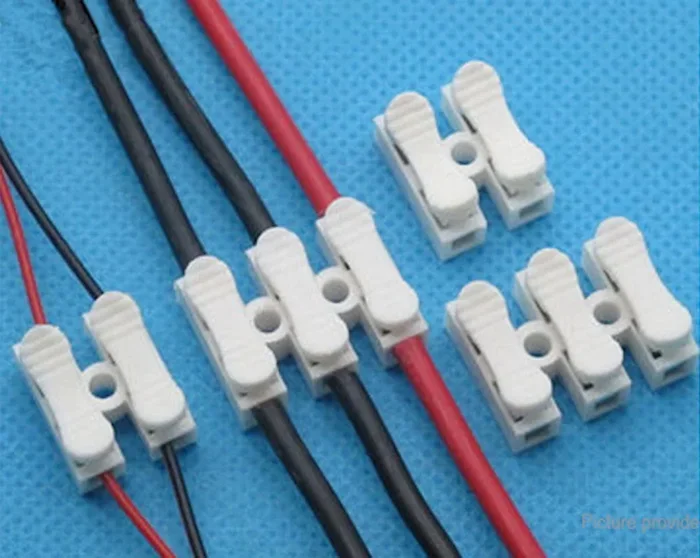
Before we talk about reuse, let us make sure we understand what these connectors actually are. Push-in wire connectors are small devices used to join two or more electrical wires together. They have a spring-loaded mechanism inside that grips the wire when you push it in. No special tools are needed. Just strip the wire, push it in, and you are done.
They come in many shapes and sizes. Some are small and round. Others are larger and rectangular. You will find them in different colors too. The color often tells you the wire size they are designed for. For example, yellow connectors usually work with 12 to 14 gauge wire. Blue ones handle 14 to 16 gauge. And red ones fit 16 to 18 gauge wire.
These connectors are widely used in automotive wiring because they are fast and easy. You see them in everything from tail light repairs to dashboard wiring. They are also popular in home electrical work. But their simplicity raises an important question: can you take them apart and use them again?
How Do Push-In Connectors Work?
Inside every push-in connector is a small metal spring. When you push a stripped wire into the connector, the spring presses against the wire. This creates a secure electrical connection. The plastic housing holds everything in place and insulates the connection from moisture and dust.
The spring mechanism is what makes these connectors so convenient. But it is also what determines whether they can be reused. Over time, the spring can lose its tension. When that happens, the connector may not grip the wire tightly enough. That is when connections can become loose or unreliable.
Can You Reuse Push-In Wire Connectors?
This is the big question, right? The truth is that push-in wire connectors reusable depends on several factors. Let us break it down.
Single-Use vs Reusable Designs
Not all push-in connectors are built the same way. Some are designed for one-time use only. These connectors have a sharp piercing element inside that bites into the wire. Once you remove the wire, the piercing element is damaged. The connection will not be as secure if you try to reuse it.
Other push-in connectors have a gentler grip mechanism. These are often designed to be pulled apart and reused a few times. The spring inside stays intact, and the internal contacts do not get damaged when you remove the wire. You can identify these by their design. Look for connectors with a smooth interior channel rather than sharp points.
Here is a quick way to tell the difference:
- Single-use connectors: Have sharp internal tabs or piercing elements. The wire holes often have small barbs inside.
- Reusable connectors: Have smooth internal channels. The spring mechanism is more robust and forgiving.
Factors That Affect Reusability
Several things determine whether a push-in connector can be reused safely. Let us look at each one.
Connector Quality: Cheap connectors from unknown brands often have weaker springs. They may not hold up to multiple uses. Name-brand connectors from reputable manufacturers tend to be more durable and designed for potential reuse.
Wire Gauge: If you used the connector with a wire that was too thick or too thin, the internal spring may be stretched or compressed beyond its normal range. This can affect its ability to grip properly on reuse.
Number of Uses: Even reusable connectors have a limit. After three or four cycles of removal and reinsertion, the spring tension starts to decline. You should inspect the connector carefully before each reuse.
Environmental Exposure: Connectors exposed to heat, moisture, or chemicals can degrade faster. In automotive applications, under-hood connectors face extreme temperatures. This can weaken the plastic housing and the internal spring over time.
Why Reusability Matters in Automotive Work
In automotive wiring, every connection matters. A loose or unreliable connection can cause flickering lights, blown fuses, or even electrical fires. This is why understanding push-in wire connectors reusable options is so important for anyone working on cars.
Safety First
When you are working on a vehicle, you are dealing with electrical systems that control everything from brakes to airbags. A failed connection in a critical circuit can be dangerous. This is why you should never reuse a connector that shows any signs of wear or damage.
Always check the connection after reusing a push-in connector. Gently tug on the wire to make sure it is held firmly. If the wire slides out easily, the connector is no longer reliable. Replace it with a new one.
Cost Savings
On the other hand, reusing connectors that are still in good condition can save you money. A box of push-in connectors is not expensive, but if you are working on a large wiring project, the costs add up. Being able to reuse good connectors means fewer trips to the auto parts store.
Just remember that cost savings should never come at the expense of safety. If a connector is questionable, replace it. The few cents you save are not worth the risk of an electrical failure.
Time Efficiency
Push-in connectors are popular because they save time. You do not need to twist wires together or apply solder. If you can reuse them, you save even more time on repairs and modifications. This is especially true in automotive work where you may need to disconnect and reconnect wiring harnesses multiple times during a project.
How to Properly Remove and Reinstall Push-In Connectors
If you want to reuse a push-in connector, you need to remove it correctly. Pulling the wire out by force can damage the internal spring. Here is how to do it the right way.
Step-by-Step Removal
- Disconnect the power: Always disconnect the battery before working on any electrical connection. This prevents short circuits and protects you from electrical shock.
- Locate the release tab: Many push-in connectors have a small tab or button on the side. Press or slide this tab to release the wire.
- Use a removal tool: Some connector brands come with a small removal tool. If you have one, use it. It slides into a small hole on the connector and pushes the wire out safely.
- Pull gently: Once the mechanism is released, pull the wire out slowly. Do not yank it.
- Inspect the connector: After removal, look at the internal spring and contacts. Check for any signs of damage or wear.
Reinstallation Tips
When putting the connector back in, follow these tips to ensure a solid connection.
- Strip the wire properly: Use a wire stripper to remove about half an inch of insulation. Do not nick the copper strands underneath.
- Check the wire gauge: Make sure the wire fits the connector size. A wire that is too thin will not be held securely.
- Push firmly until you feel it click: The connector should grip the wire tightly. Give it a gentle tug to test the hold.
- Match the color: Use the right color connector for your wire gauge. This ensures the internal spring applies the correct amount of pressure.
Quick Tips for Connector Removal
Here are some extra tips from experienced mechanics that can help you reuse push-in connectors more effectively.
- Keep a removal tool kit: A small set of release tools for different connector types can make your life much easier.
- Label your wires: Before disconnecting anything, take a photo or label the wires. This makes reinstallation faster and less confusing.
- Clean the contacts: If the connector has been exposed to corrosion, clean the internal contacts with electrical contact cleaner before reuse.
- Do not force it: If a wire does not go back in easily, do not force it. The connector may be damaged and should be replaced.
When to Replace Instead of Reuse
Knowing when to replace a connector is just as important as knowing when you can reuse it. Here are some clear signs that a push-in connector should be replaced rather than reused.
Visible Damage
If the plastic housing is cracked, melted, or discolored, the connector needs to be replaced. The plastic protects the internal spring and keeps the connection insulated. Any damage to the housing compromises both the mechanical strength and the electrical safety.
Weak Grip
If the wire slides out easily or feels loose inside the connector, the spring has lost its tension. This is a clear sign that the connector should not be reused. A loose connection can cause arcing, heat buildup, and eventually a fire.
Corrosion or Heat Damage
Connectors that have been exposed to extreme heat or corrosive environments may look fine on the outside but be damaged on the inside. The spring mechanism can weaken, and the internal contacts can corrode. When in doubt, replace the connector.
Multiple Previous Uses
Even if a connector looks fine, repeated use takes a toll. If you have already reused a connector two or three times, it is safer to just use a new one. The cost is minimal compared to the risk of an electrical failure.
Push-In Connectors vs Other Connection Types
To really understand the value of push-in connectors, it helps to compare them with other common connection methods. Let us look at how they stack up.
Push-In Connectors vs Wire Nuts
Wire nuts have been around for a long time. They twist onto the bare ends of wires to create a connection. Wire nuts can be reused in some cases, but they often damage the wires during removal. The twisting action can fray the copper strands, weakening the connection over time.
Push-in connectors are generally gentler on the wires. They do not twist or stress the copper strands the same way. However, wire nuts tend to handle a wider range of wire gauges and are often more robust for high-current applications.
| Feature | Push-In Connectors | Wire Nuts |
|---|---|---|
| Ease of Use | Very easy, no tools needed | Easy, requires twisting |
| Reusability | Limited, depends on type | Limited, damages wires |
| Space Required | Compact | Bulkier |
| Vibration Resistance | Good in automotive settings | Can loosen over time |
| Cost | Slightly higher per unit | Very affordable |
| Current Capacity | Good for moderate loads | Good for moderate loads |
Push-In Connectors vs Crimp Connectors
Crimp connectors require a special crimping tool. They create a very secure connection by deforming a metal sleeve around the wire. Crimp connectors are generally not reusable. Once crimped, they are meant to stay in place.
Push-in connectors are much easier to install and remove. This makes them ideal for applications where you need to disconnect and reconnect wires frequently. In automotive work, this is a big advantage. You often need to access wiring behind dashboards or under seats, and being able to quickly disconnect and reconnect is invaluable.
Push-In Connectors vs Soldered Connections
Soldered connections are permanent. You heat the wire and apply solder to create a solid electrical bond. These connections are very reliable but cannot be reused. If you need to modify the circuit later, you have to desolder and start over.
Push-in connectors offer flexibility that soldering does not. You can easily change your wiring layout or add new components without any special tools or skills. For DIYers and hobbyists, this flexibility is a major benefit.
Expert Insights on Push-In Connector Reuse
We reached out to several automotive electricians to get their take on reusing push-in connectors. Here is what they had to say.
Mike, ASE-certified mechanic: “I reuse push-in connectors all the time, but only if they pass my visual inspection. If the spring looks good and the wire fits snugly, I will reuse them. But if there is any doubt, I throw them away. I have seen too many electrical gremlins caused by bad connections.”
Sarah, auto electrical specialist: “The biggest mistake people make is reusing connectors in high-vibration areas. Under-hood connectors take a beating from engine vibration and heat. I always recommend fresh connectors for any connection that is exposed to harsh conditions.”
Tom, DIY car enthusiast: “I keep a small container of connectors that I have removed and still look good. I reuse them for non-critical circuits like interior lights or accessory wiring. For anything safety-related, I always use new connectors.”
These expert opinions reinforce the same message: reuse when it is safe, but never take chances with critical circuits. The cost of a new connector is nothing compared to the cost of an electrical failure on the road.
Common Mistakes to Avoid
Even experienced DIYers make mistakes when working with push-in connectors. Here are some common errors to watch out for.
- Reusing damaged connectors: A cracked housing or weak spring means the connector should be replaced, not reused.
- Mismatching wire gauges: Using a connector that is too large or too small for the wire will result in a poor connection.
- Over-tightening: Some people think pushing harder makes a better connection. It does not. It can damage the internal spring.
- Ignoring corrosion: If the connector or wire end shows signs of corrosion, clean it or replace it before reconnecting.
- Reusing connectors in high-heat areas: Under-hood connectors are exposed to extreme temperatures. These should almost always be replaced with new ones.
Quick Tips to Avoid Costly Mistakes
- Always inspect before reuse: Take 10 seconds to look at the connector. It is worth the time.
- Keep a supply of new connectors: Never rely solely on reused ones. Always have fresh connectors on hand.
- Use the right color for the right wire: The color coding exists for a reason. Respect it.
- Test after reconnecting: Once you have reinstalled a connector, test the circuit before closing everything up.
Conclusion
So, are push-in wire connectors reusable? The answer is yes, but with important caveats. Some designs are meant for reuse, while others are single-use only. The condition of the connector, the number of previous uses, and the application all play a role in determining whether reuse is safe.
The key is to always inspect the connector before putting it back in. Check the spring, the housing, and the internal contacts. If anything looks worn or damaged, replace it with a new one. In automotive applications, where vibrations, heat, and moisture are constant factors, it is often better to be safe than sorry.
Push-in wire connectors are a fantastic tool for quick and clean electrical connections. When used correctly, they make automotive wiring projects faster and easier. Understanding their reuse potential helps you get the most value out of every connector while keeping your vehicle’s electrical system safe and reliable.
Next time you are working on a wiring project and you need to disconnect a push-in connector, take a moment to evaluate it. If it is in good shape, you can reuse it with confidence. If it is not, grab a new one. Your electrical system will thank you.
Remember, the goal is not just to get the job done. The goal is to get it done right. And that means making every electrical connection count.
Frequently Asked Questions
Can you reuse push-in wire connectors in automotive applications?
Yes, you can reuse some push-in wire connectors in automotive applications, but only if they are in good condition. Inspect the internal spring and housing for any damage before reinstalling. For safety-critical circuits, it is always best to use a new connector.
How many times can a push-in wire connector be reused?
Most push-in connectors can be reused two to four times if they remain undamaged. After each removal, check the spring tension and the grip on the wire. If the connection feels loose or the spring looks weak, replace the connector with a new one.
What happens if you reuse a damaged push-in connector?
Reusing a damaged connector can lead to a loose or unreliable electrical connection. This may cause flickering lights, intermittent failures, or even electrical shorts. In worst cases, a bad connection can generate heat and pose a fire risk in your vehicle.
Are all push-in wire connectors the same?
No, push-in wire connectors come in different designs, sizes, and quality levels. Some are built for single use, while others are designed for multiple uses. Always check the manufacturer’s specifications to understand the reuse potential of a specific connector type.
Can you reuse push-in connectors after they have been exposed to water?
It is not recommended. Water exposure can cause internal corrosion and weaken the spring mechanism. Even if the connector looks fine on the outside, moisture damage may have compromised its reliability. Always replace connectors that have been exposed to water or moisture.
What is the best way to test if a reused push-in connector is still good?
After reinstalling a reused connector, gently tug on the wire to test the grip. The wire should stay firmly in place without sliding out. You can also use a multimeter to check for continuity and ensure the electrical connection is solid and stable.