12v DC to 220V AC Car Power Inverter Everything You Need
A 12v DC to 220V AC car power inverter lets you run household devices from your vehicle. Whether you need to charge laptops, power small appliances, or stay connected during road trips, this handy device makes it possible. In this guide, we cover how they work, what features matter, and how to pick the right one for your needs. You will also find safety tips, common mistakes, and expert advice to get the most from your inverter.
Have you ever been on a long road trip and wished you could plug in your laptop, coffee maker, or small TV? Maybe you have a camper van and need to run basic home appliances while parked in the woods. A 12v DC to 220V AC car power inverter solves this problem in a simple and effective way. It takes the power stored in your car battery and converts it into the same type of electricity you get from a wall outlet at home.
But not all inverters are the same, and choosing the wrong one can lead to frustration, wasted money, or even damage to your devices. That is exactly why we wrote this guide. We will walk you through everything you need to know, from the basic science behind how these inverters work to the features you should compare before buying. By the end, you will feel confident picking the right power inverter for car use and using it safely every time.
Key Takeaways
- A 12v DC to 220V AC car power inverter converts your car battery’s direct current into alternating current for home devices.
- Choose between modified sine wave and pure sine wave inverters based on your device needs and budget.
- Wattage rating matters a lot, so always check the power needs of your appliances before buying.
- Using the wrong inverter can damage sensitive electronics or drain your car battery quickly.
- Safety features like cooling fans, fuses, and automatic shutoff are essential for reliable performance.
- Portable inverters offer flexibility, while hardwired models deliver higher and more stable power output.
- Regular maintenance and proper usage habits will extend the life of your inverter and keep your vehicle safe.
📑 Table of Contents
- What Is a 12v DC to 220V AC Car Power Inverter?
- Types of Car Power Inverters
- Key Features to Look For
- Benefits of Using a Car Power Inverter
- How to Choose the Right Inverter for Your Needs
- Common Mistakes to Avoid
- Expert Tips for Getting the Most from Your Inverter
- Maintenance Tips for Long-Lasting Performance
- Conclusion
What Is a 12v DC to 220V AC Car Power Inverter?
Let us start with the basics. Your car battery stores energy as direct current, or DC. Most household devices, on the other hand, run on alternating current, or AC. A dc to ac inverter bridges this gap by changing DC power into AC power. The result is that you can plug in devices that normally need a wall outlet right into your car’s cigarette lighter or battery terminal.
A 12v to 220v converter is the most common type used in vehicles. The “12v” refers to the input, which matches most car batteries. The “220V” refers to the output, which matches the standard electrical supply in many countries around the world. If you live in the US or Canada, you may see models that convert to 110V or 120V instead, but the principle is the same.
How Does the Conversion Work?
Inside the inverter, there is a circuit board with electronic components that flip the DC power back and forth very quickly. This creates an AC waveform that your appliances can use. The process happens almost instantly, and the inverter keeps a steady flow of power as long as it is connected to the battery.
Some inverters also include a transformer that steps up the voltage from 12 volts to 220 volts. The transformer is the heavy part inside the unit, and it is what makes some inverters feel warm or even hot during use. A good inverter for vehicle use will manage heat well and keep your devices safe.
Types of Car Power Inverters
Not every car power inverter is built the same way. There are two main types that you will see on the market. Understanding the difference helps you make a smart choice.
Modified Sine Wave Inverters
A modified sine wave inverter is the most affordable option. It produces a stepped waveform that approximates AC power. This type works well for basic devices like phone chargers, laptops, fans, and lights. However, it may not be ideal for sensitive electronics like medical equipment or some audio devices because the waveform is not perfectly smooth.
Pure Sine Wave Inverters
A pure sine wave inverter produces a clean, smooth waveform that matches the electricity from your home outlets. This makes it safe for almost all devices, including laptops, TVs, refrigerators, and medical equipment. If you plan to run sensitive or high-end electronics, a pure sine wave model is the better choice. The price is higher, but the power output quality is worth it.
Key Features to Look For
When shopping for a 12v DC to 220V AC car power inverter, there are several features you should check. Here is what matters most.
Wattage Rating
The wattage rating tells you how much power the inverter can handle at one time. If you want to run a laptop (about 65 watts), a phone charger (about 15 watts), and a small fan (about 40 watts), you need at least 120 watts of continuous output. Always add up the power needs of all the devices you plan to use at the same time and choose an inverter with a higher rating to be safe.
USB Charging Ports
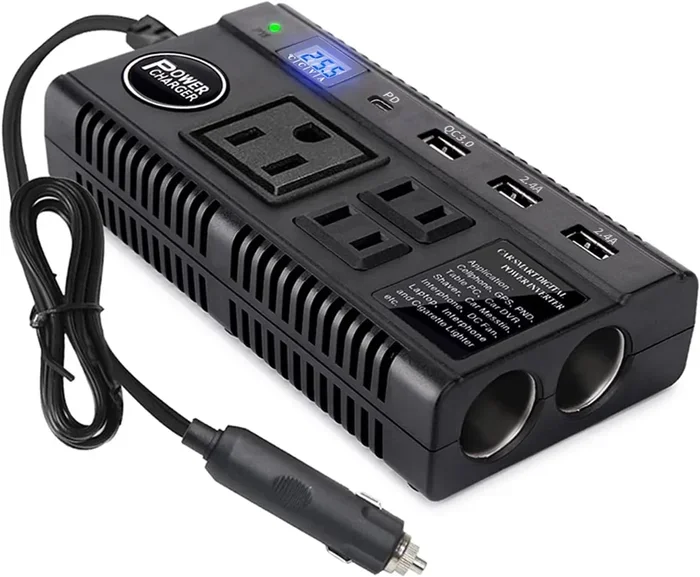
Many modern inverters come with built-in USB charging ports. These are great for charging phones and tablets without using a wall plug adapter. Some models even offer fast-charging USB-C ports, which is a nice bonus if you use newer devices.
Cooling Fan and Ventilation
Inverters generate heat, especially when running multiple devices at once. A built-in inverter fan helps keep the unit cool during extended use. Look for models with quiet fans and good ventilation design. Overheating is one of the most common causes of inverter failure.
Safety Features
A reliable portable power inverter should include safety protections such as:
- Overload protection — shuts the unit off if you exceed the wattage limit.
- Short circuit protection — prevents damage if a wire touches another wire.
- Overheating protection — automatically powers down if the unit gets too hot.
- Low voltage alarm — warns you when the car battery voltage drops too low.
Benefits of Using a Car Power Inverter
There are many reasons why people invest in a power inverter for car use. Here are the biggest benefits that make these devices so popular.
Stay Productive on the Road
If you work remotely or travel often, a car inverter keeps your laptop, monitor, and Wi-Fi hotspot running during long drives. You can work from a parking lot, a rest stop, or even a roadside campsite without worrying about battery life.
Power Home Appliances Anywhere
With a 12v to 220v converter, you can run small home appliances from your vehicle. Think of a portable blender for camping trips, a mini-fridge for a fishing excursion, or a hair dryer during a road trip. The possibilities are wide open when you have AC power from car battery available.
Emergency Preparedness
During power outages or natural disasters, a car inverter can be a lifesaver. You can charge medical devices, power emergency lights, or keep communication devices running when the grid is down. It is a simple but effective part of any home appliances on the road setup.
Family Road Trips Made Easier
Long car rides with kids become much more manageable when you can power tablets, gaming consoles, or a small TV in the back seat. A car appliance charger built into the inverter keeps everyone entertained without draining your phone’s battery.
How to Choose the Right Inverter for Your Needs
Picking the right inverter for vehicle use depends on what you plan to power. Here is a simple way to think about it.
Start by listing all the devices you want to run. Check the label on each device for its wattage. Add those numbers together and multiply by 1.5 to account for startup surges. This gives you the minimum wattage rating you should look for in an inverter.
Next, decide whether you need a portable model or a hardwired one. Portable inverters plug into the cigarette lighter and are easy to move between vehicles. They usually handle up to about 150 to 200 watts. Hardwired inverters connect directly to the battery and can handle much higher power loads, sometimes 1000 watts or more.
If you are on a tight budget, a modified sine wave model is a solid starting point. But if you want to protect sensitive electronics and get the best performance, invest in a pure sine wave inverter. The extra cost pays for itself in device safety and reliability.
Quick Tips for Choosing
- Always check the continuous wattage, not just the peak wattage.
- Buy from a trusted brand with good customer reviews.
- Look for inverters with at least a one-year warranty.
- Consider the size and weight if you plan to carry it around often.
- Check whether the model includes a remote control or display screen for easy monitoring.
Common Mistakes to Avoid
Even with a great 12v DC to 220V AC car power inverter, mistakes can happen. Here are the most common ones and how to avoid them.
Overloading the Inverter
Plugging in too many high-wattage devices at once is the fastest way to trip the overload protection or damage the inverter. Always stay within the rated wattage and never exceed the maximum limit, even for short bursts.
Ignoring Battery Drain
Running an inverter for hours without the engine running can drain your car battery completely. If you need to use the inverter while parked, start the engine every 30 minutes to recharge the battery. Better yet, use the inverter only while driving.
Using the Wrong Gauge Cables
If you are using a hardwired inverter, the cable thickness matters. Thin cables create resistance, which leads to heat buildup and power loss. Always use cables that match the inverter’s amperage requirements.
Skipping Safety Checks
Do not assume that because the inverter worked once, it will always work safely. Check the cables, fuses, and connections regularly. Replace any worn or damaged parts immediately. A 12v to 220v converter is a powerful tool, and treating it with respect keeps everyone safe.
Buying the Cheapest Option
It is tempting to go for the lowest price, but cheap inverters often lack proper safety features and may have poor inverter efficiency. A slightly higher price for a quality model saves you money in the long run by protecting your devices and lasting longer.
Expert Tips for Getting the Most from Your Inverter
Want to get the best performance and longest life from your power inverter for car? Here are some tips from experienced users and technicians.
Keep the Inverter in a Cool, Ventilated Spot
Heat is the enemy of electronics. Place your inverter on a flat, hard surface where air can flow around it. Never cover it with a cloth or leave it in direct sunlight for long periods.
Turn It Off When Not in Use
Even when no devices are connected, some inverters draw a small amount of power from the battery. Make it a habit to switch the inverter off when you are done. This simple habit prevents unnecessary battery drain and extends the life of the unit.
Match the Inverter to Your Vehicle
Not all cars have the same cigarette lighter output. Some older vehicles deliver less power through the lighter socket. If you notice the inverter shuts off randomly, the vehicle’s lighter socket may not be supplying enough current. In such cases, a hardwired connection to the battery is a better solution.
Use Surge Protectors for Sensitive Devices
Even with a pure sine wave inverter, plugging in a small surge protector adds an extra layer of protection for your electronics. It is a small step that can prevent costly damage.
Monitor Your Battery Health
The inverter draws power from your car battery, so a weak battery affects performance. If your battery is more than three to five years old, consider having it tested before relying on the inverter for extended use. A healthy battery means stable power output from your inverter.
Maintenance Tips for Long-Lasting Performance
Taking care of your car power inverter does not take much effort, but it makes a big difference over time.
- Wipe the exterior with a dry cloth to remove dust and dirt.
- Check the fan for dust buildup and clean it gently every few months.
- Inspect cables and connectors for wear or corrosion.
- Store the inverter in a dry place when not in use.
- Update firmware if your model has a digital display or smart features.
With proper care, a quality dc to ac inverter can last for many years and handle countless road trips, camping adventures, and emergency situations.
Conclusion
A 12v DC to 220V AC car power inverter is one of the most practical and versatile accessories you can own for your vehicle. Whether you use it for work, travel, or emergency backup power, the right inverter gives you AC power from car battery wherever you go. The key is to choose the right type, match the wattage to your needs, and follow basic safety guidelines.
Remember to avoid common mistakes like overloading the unit or ignoring battery drain. Invest in a quality model with good safety features, and take a few minutes to maintain it regularly. With the right power inverter for car setup, you will enjoy reliable electricity on the road and peace of mind knowing your devices are running safely.
Now that you know the ins and outs of car power inverters, you are ready to make an informed decision. Pick the model that fits your lifestyle, test it out on your next trip, and enjoy the freedom of having home appliances on the road whenever you need them.
Frequently Asked Questions
Can I run a microwave with a 12v DC to 220V AC car power inverter?
Microwaves require a lot of power, usually between 600 and 1200 watts. Most standard car inverters cannot handle this load. You would need a high-wattage hardwired inverter and a powerful vehicle battery system. It is possible but not practical for most setups.
Will using an inverter drain my car battery?
Yes, any inverter draws power from the battery. If you use it while the engine is off, the battery will drain faster. To avoid this, run the engine while using the inverter or limit usage to short periods when parked.
What is the difference between a modified sine wave and a pure sine wave inverter?
A modified sine wave inverter produces a stepped waveform and is more affordable. It works for basic devices but may not be suitable for sensitive electronics. A pure sine wave inverter produces a smooth, clean waveform that is safe for almost all devices, including laptops and medical equipment.
How do I know what wattage inverter I need?
Add up the wattage of all the devices you plan to run at the same time. Then multiply the total by 1.5 to account for startup surges. Choose an inverter with a continuous wattage rating that meets or exceeds this number.
Is it safe to leave an inverter plugged in when the car is off?
It is not recommended. Even in standby mode, some inverters draw power and can drain your car battery over time. Always turn off the inverter when you are not using it.
Can I install a car power inverter myself?
Yes, portable models that plug into the cigarette lighter are very easy to set up. Hardwired models that connect directly to the battery may require some basic electrical knowledge or professional installation, especially if you are not comfortable working with battery terminals and cables.
=== CONCLUSION ===
A 12v DC to 220V AC car power inverter opens up a world of possibility for anyone who spends time in or around their vehicle. From keeping your work devices charged to powering small appliances during camping trips, the right inverter makes your mobile lifestyle much more comfortable and convenient. By understanding the types, features, and safety considerations outlined in this guide, you are now equipped to choose the best power inverter for car use with confidence. Apply the tips and advice shared here, and you will enjoy reliable, safe, and efficient power wherever the road takes you.