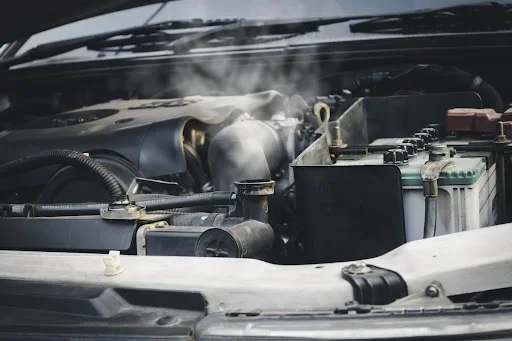
Can a Car Overheat in Cold Weather Surprising Facts
Yes, a car can absolutely overheat in cold weather — and it happens more often than most drivers realize. Your vehicle’s cooling system can malfunction in freezing temperatures due to thermostat failure, coolant issues, and blocked airflow. Understanding these surprising causes can save you from costly repairs and keep your engine running smoothly all winter long.
Key Takeaways
- Cold weather overheating is real: Several cooling system components can fail in low temperatures, causing your engine to overheat unexpectedly.
- Thermostat malfunction is a leading cause: A stuck-closed thermostat prevents coolant from flowing, even in freezing conditions.
- Coolant quality matters year-round: Old or incorrect coolant mixture can freeze and damage your cooling system, leading to overheating.
- Watch for warning signs: A rising temperature gauge, steam from the hood, or unusual smells are clear signals of engine overheating in cold weather.
- Prevention is simple: Regular maintenance, proper antifreeze levels, and seasonal checkups can prevent most cold-weather overheating issues.
📑 Table of Contents
- Can a Car Overheat in Cold Weather? The Surprising Truth
- Why Does a Car Overheat in Cold Weather?
- Surprising Symptoms of Cold-Weather Overheating
- Can Cold Weather Actually Help Prevent Overheating?
- How to Prevent Cold-Weather Overheating
- Common Mistakes Drivers Make in Winter
- What to Do If Your Car Overheats in Cold Weather
- Expert Insights on Cold-Weather Engine Care
- How Cold Weather Affects Other Car Systems
- Comparison: Summer vs. Winter Overheating Causes
- Long-Term Effects of Ignoring Cold-Weather Overheating
- Key Takeaways
- Conclusion
Can a Car Overheat in Cold Weather? The Surprising Truth
You might think overheating only happens on scorching summer days. But here is the truth — your car can overheat in cold weather too. It sounds strange. It feels wrong. But it happens more often than you would think.
Many drivers assume that low temperatures protect their engine from overheating. After all, the air is cold. The radiator should cool things down, right? Not always. Several hidden factors can cause your engine to run hot even when the thermometer reads below freezing. Understanding these factors is the first step to protecting your vehicle.
In this article, we will explore the surprising reasons your car can overheat in cold weather. We will look at the cooling system components that fail in winter. We will share real-world examples and practical tips you can use today. Whether you live in a snowy climate or just deal with chilly mornings, this guide will help you stay ahead of engine problems.
Can a car overheat in cold weather? The short answer is yes — and the reasons might surprise you. Let us dive in.
Why Does a Car Overheat in Cold Weather?
Your car’s cooling system works hard to maintain the right engine temperature. It does not matter if it is 100 degrees outside or 10 degrees below zero. The system must keep your engine running within a narrow temperature range. When something goes wrong, overheating can strike in any season.
Here are the most common reasons a car overheats in cold weather:
1. Thermostat Failure
Your thermostat controls coolant flow through the engine. It opens and closes based on temperature. When it works correctly, it keeps your engine at the perfect operating temperature. But when it fails, trouble follows.
A stuck-closed thermostat is the worst-case scenario. It blocks coolant from reaching the radiator. The engine heats up fast, even in freezing weather. This is one of the most common reasons for cold-weather overheating. And it can happen to any car, old or new.
Think of the thermostat as a gatekeeper. When the gate stays closed, heat has nowhere to go. The temperature gauge climbs. Steam may appear. And before you know it, you are pulling over with a serious problem.
2. Coolant Issues and Frozen Antifreeze
Coolant, also called antifreeze, plays a huge role in temperature regulation. It absorbs heat from the engine and carries it to the radiator. But coolant can cause problems too — especially when it is old or mixed incorrectly.
If your coolant mixture has too much water, it can freeze in cold temperatures. Frozen coolant cannot flow through the system. Heat builds up in the engine. The result? Overheating in the middle of a cold snap. This is a very common issue that catches drivers off guard every winter.
Always use the correct coolant-to-water ratio. A 50/50 mix is standard for most vehicles. It protects your system from both freezing and boiling. Check your owner’s manual for the exact recommendation for your car.
3. Blocked Radiator or Heater Core
Your radiator removes heat from the coolant. It relies on airflow and proper coolant circulation to work. But in cold weather, debris, ice, and sludge can block the radiator fins or heater core.
A blocked radiator restricts heat exchange. The coolant stays hot and cannot cool down. Your engine temperature rises even though the outside air is freezing. This is especially common in vehicles that have not had their cooling system flushed in a long time.
Similarly, a clogged heater core can trap hot coolant. The heater may blow cold air into the cabin. At the same time, the engine overheats because the coolant cannot circulate properly. These two problems often go hand in hand.
4. Faulty Water Pump
The water pump pushes coolant through the engine and radiator. It is the heart of your cooling system. When it fails, coolant stops moving. Heat accumulates fast.
Cold weather can worsen water pump problems. The seals and gaskets become brittle in low temperatures. A worn water pump may fail suddenly on a freezing morning. You might notice a whining noise or coolant leaks under the car. These are warning signs you should never ignore.
5. Broken Radiator Fan
Your radiator fan helps cool the coolant when the car is idling or moving slowly. In cold weather, you might not think you need the fan. But it still plays a role in maintaining safe engine temperatures.
If the fan motor or fan clutch fails, the radiator cannot cool the coolant effectively. This is especially problematic during winter traffic or when sitting at a drive-through. The engine heats up even though the outside air is cold. A broken radiator fan is a hidden culprit in many cold-weather overheating cases.
6. Low Coolant Levels from Leaks
Coolant leaks are dangerous in any season. But in cold weather, they can be even more problematic. A small leak might go unnoticed in summer. But in winter, low coolant levels can cause rapid overheating.
Common leak points include radiator hoses, the water pump, and the radiator itself. Cold temperatures make rubber hoses brittle and prone to cracking. A tiny crack can become a major leak overnight. Regular inspection of your coolant system can catch these issues early.
Surprising Symptoms of Cold-Weather Overheating
Detecting overheating in cold weather can be tricky. Many drivers do not expect it. They ignore early warning signs because they assume the cold air is keeping things cool. Here are the symptoms you should watch for:
- Temperature gauge reading high: This is the most obvious sign. If your gauge moves into the red zone, pull over safely and turn off the engine.
- Steam or smoke from the hood: Steam escaping from under the hood means your engine is running too hot. Do not open the hood immediately — wait for the engine to cool.
- Unusual smells: A sweet smell might indicate a coolant leak. A burning smell could mean oil or rubber is overheating. Both are serious warnings.
- Heater blowing cold air: If your heater suddenly stops producing warm air, the coolant may not be circulating properly. This can signal a blockage or low coolant level.
- Engine misfires or rough idling: Overheating can affect engine performance. You might notice stumbling, loss of power, or uneven idling.
- Coolant warning light: Many modern cars have a dedicated coolant temperature warning light. Never ignore this light — it means your engine is too hot.
These symptoms can appear suddenly or gradually. The key is to pay attention to your car. If something feels off, do not wait. Pull over and check the situation. Ignoring these signs can lead to severe engine damage.
Can Cold Weather Actually Help Prevent Overheating?
It is worth noting that cold weather does have some cooling benefits. The chilly air helps dissipate heat from the radiator more efficiently. In many cases, cold weather actually reduces the risk of overheating compared to hot summer days.
So why do cars still overheat in winter? The answer comes down to system failures. Cold weather exposes weaknesses in the cooling system. A thermostat that was barely functioning in summer may fail completely in winter. A radiator hose that was slightly worn may crack in freezing temperatures. Cold weather acts as a stress test for your vehicle.
Think of it this way. Cold weather does not cause overheating on its own. It reveals problems that were already there. The real culprit is always a component failure or maintenance lapse. Understanding this distinction is crucial for proper car care.
How to Prevent Cold-Weather Overheating
Prevention is always better than repair. Here are practical steps to keep your car from overheating in cold weather:
1. Check Your Coolant Regularly
Inspect your coolant level and condition at least once a month during winter. Look for signs of contamination, discoloration, or low fluid. If the coolant looks rusty or gritty, it is time for a flush and refill.
Use the correct type of coolant for your vehicle. Mixing different coolant types can cause chemical reactions that damage the system. Always refer to your owner’s manual for the recommended coolant specification.
2. Maintain the Proper Coolant Mix
A 50/50 mix of coolant and distilled water is the standard recommendation. This ratio protects against freezing down to about minus 34 degrees Fahrenheit. If you live in an extremely cold climate, you may need a 60/40 or 70/30 coolant-to-water ratio.
Never use plain water as a long-term coolant substitute. Water freezes at 32 degrees Fahrenheit and can cause catastrophic damage to your engine block and radiator. Always use proper antifreeze.
3. Inspect Hoses and Belts
Cold weather is tough on rubber components. Inspect all radiator hoses, heater hoses, and drive belts for cracks, bulges, or soft spots. Replace any worn parts before winter hits.
A hose failure can drain your coolant in minutes. Once the coolant is gone, the engine has no protection against overheating. This is one of the most preventable causes of cold-weather engine problems.
4. Flush the Cooling System
Over time, rust, sediment, and scale build up inside the cooling system. This buildup restricts coolant flow and reduces heat transfer. A professional cooling system flush removes these deposits and refreshes the system.
Most manufacturers recommend flushing the coolant every 30,000 to 50,000 miles. Check your owner’s manual for the specific interval for your vehicle. Staying on top of this maintenance task can prevent many overheating issues.
5. Monitor Your Temperature Gauge
Make it a habit to glance at your temperature gauge while driving. In winter, you might not feel the heat from the engine, but the gauge tells the real story. If the needle starts climbing, take action immediately.
Do not ignore a gauge that sits higher than normal. Even if it is not in the red zone, an unusually high reading could indicate a developing problem. Early detection saves money and prevents major repairs.
6. Keep the Radiator Clean
Your radiator needs good airflow to function properly. In winter, road salt, mud, and debris can accumulate on the front of the radiator. This blockage reduces cooling efficiency and can contribute to overheating.
Rinse the front of the radiator with water during winter months. Remove any ice, snow, or grime that builds up. A clean radiator works much better than a clogged one.
Common Mistakes Drivers Make in Winter
Many well-meaning drivers make mistakes that increase the risk of cold-weather overheating. Here are the most common ones:
- Ignoring the temperature gauge: Many drivers only look at the gauge when the warning light comes on. By then, the damage may already be done. Make it a habit to monitor the gauge continuously.
- Using the wrong coolant: Not all coolants are the same. Using the wrong type can cause corrosion, reduce cooling efficiency, and lead to overheating. Always use the manufacturer-recommended coolant.
- Topping off with water: It is tempting to add plain water when the coolant level is low. But water freezes and does not provide the same protection as proper coolant. Always use the correct coolant mixture.
- Skipping winter inspections: Many drivers only take their car to the shop in summer. A pre-winter inspection can catch cooling system problems before they cause overheating.
- Letting the engine warm up too slowly: In extreme cold, some drivers let the car idle for 20 minutes or more. While a brief warm-up is fine, excessive idling can cause the engine to run rich and overheat the catalytic converter.
- Neglecting the thermostat: The thermostat is a small, inexpensive part. But when it fails, it can cause serious overheating problems. Replace an old thermostat as part of regular maintenance.
What to Do If Your Car Overheats in Cold Weather
If you notice signs of overheating while driving in cold weather, follow these steps immediately:
- Turn off the air conditioning: The A/C puts extra load on the engine. Turning it off reduces heat generation immediately.
- Turn on the heater: This may seem counterintuitive, but the heater core acts as a secondary radiator. It pulls heat away from the engine. Crank the heat to full and open the windows.
- Pull over safely: Find a safe spot to stop. Turn off the engine and let the car cool down. Do not attempt to drive further.
- Do not open the radiator cap: The cooling system is under pressure. Opening the cap while the engine is hot can cause scalding coolant to spray out. Wait at least 15 to 20 minutes before checking.
- Check the coolant level: Once the engine has cooled, check the coolant reservoir. If it is low, you may have a leak. Do not add coolant to a hot engine — wait for it to cool.
- Call for help: If you cannot identify the problem or the engine continues to overheat, call a tow truck. Driving an overheating engine can cause catastrophic and expensive damage.
Remember, an overheating engine is a serious situation. The cost of a tow is far less than the cost of a new engine. When in doubt, stop and seek professional help.
Expert Insights on Cold-Weather Engine Care
We spoke with certified automotive technicians about their most common cold-weather overheating calls. Here is what the experts had to say:
“The number one surprise for drivers is that overheating is not just a summer problem. In winter, we see thermostat failures and frozen coolant issues all the time. Most people do not realize their cooling system needs just as much attention in the cold as it does in the heat.”
— Mark D., ASE Certified Master Technician with 18 years of experience
“I always tell my customers to check their coolant twice a year — once before winter and once before summer. A simple five-minute check can prevent a $3,000 engine repair. People are shocked that something as basic as coolant maintenance can make such a huge difference.”
— Sarah L., Independent Auto Repair Shop Owner
The experts agree on one thing: prevention through regular maintenance is the best defense against cold-weather overheating. A well-maintained cooling system can handle both extreme heat and extreme cold with ease.
How Cold Weather Affects Other Car Systems
Overheating is not the only concern in winter. Cold weather affects many other car systems too. Understanding these connections helps you maintain your vehicle more effectively.
Battery Performance
Cold weather reduces battery capacity significantly. At 32 degrees Fahrenheit, a battery loses about 35% of its strength. At zero degrees, that number jumps to 60%. A weak battery can leave you stranded, especially when combined with other cold-weather stressors.
Tire Pressure
Cold air causes tire pressure to drop. For every 10-degree drop in temperature, tire pressure decreases by about 1 PSI. Underinflated tires reduce fuel efficiency and increase the risk of blowouts. Check your tire pressure weekly during winter months.
Oil Viscosity
Engine oil thickens in cold weather. Thick oil does not flow as easily through the engine. This increases friction and can contribute to higher operating temperatures. Using the correct winter-weight oil helps maintain proper lubrication and cooling.
These interconnected systems all play a role in how your vehicle performs in cold weather. Taking care of the cooling system alone is not enough. A holistic approach to winter car care keeps everything running smoothly.
Comparison: Summer vs. Winter Overheating Causes
| Factor | Summer Overheating | Winter Overheating |
|---|---|---|
| Primary Cause | High ambient temperatures overwhelm the cooling system | Component failure or frozen coolant blocks heat dissipation |
| Thermostat Issues | Stuck open (engine takes too long to warm up) | Stuck closed (coolant cannot circulate) |
| Coolant Problems | Evaporation or boiling reduces coolant level | Freezing blocks coolant flow or causes leaks |
| Radiator Fan | Failure causes immediate overheating in traffic | Failure is less common but still possible at idle |
| Hoses and Belts | Heat degrades rubber over time | Cold makes rubber brittle and prone to cracking |
| Driver Awareness | High temperatures are expected; symptoms are obvious | Low temperatures create false sense of security |
As you can see from the comparison, the causes and mechanisms differ between summer and winter overheating. But the result is the same — potential engine damage if the problem is not addressed quickly. Awareness of these differences helps you diagnose and respond to overheating more effectively in any season.
Long-Term Effects of Ignoring Cold-Weather Overheating
Driving with an overheating engine, even briefly, can cause serious long-term damage. Here is what can happen if you ignore the warning signs:
- Blown head gasket: Excessive heat warps the cylinder head. This causes the head gasket to fail. A blown head gasket leads to coolant mixing with oil, white smoke from the exhaust, and loss of engine power.
- Cracked engine block: Extreme heat can cause the engine block to crack. This is often a terminal problem requiring a full engine replacement or a very expensive rebuild.
- Warped cylinder head: The cylinder head can warp under excessive heat. This ruins the seal between the head and the block, leading to compression loss and coolant leaks.
- Damaged catalytic converter: Overheating can melt the catalytic converter internally. Replacing a catalytic converter is one of the most expensive repairs on any vehicle.
- Worn water pump: When the engine runs hot repeatedly, the water pump bearings and seals degrade faster. A failed water pump leads to complete loss of coolant circulation.
These are not cheap repairs. A head gasket replacement alone can cost anywhere from $1,000 to $2,000. A cracked engine block can easily exceed $3,000 or more. The cost of prevention — regular coolant checks and seasonal maintenance — is a fraction of these repair bills.
Key Takeaways
- Yes, cars can overheat in cold weather: Thermostat failure, frozen coolant, blocked radiators, and water pump issues are all real causes of winter overheating.
- Cold weather exposes hidden problems: Low temperatures stress weak components and reveal maintenance issues that were overlooked in warmer months.
- Watch for warning signs: A rising temperature gauge, steam, unusual smells, and cold air from the heater all indicate potential overheating problems.
- Prevention is simple and affordable: Regular coolant checks, proper antifreeze mixture, hose inspections, and cooling system flushes go a long way in preventing cold-weather overheating.
- Act quickly if overheating occurs: Turn off the A/C, turn on the heat, pull over safely, and seek professional help. Do not continue driving an overheating engine.
- Long-term damage is expensive: Ignoring overheating signs can lead to head gasket failure, cracked engine blocks, and catalytic converter damage — all of which cost thousands to repair.
- Winter maintenance matters: A pre-winter inspection of your cooling system is one of the best investments you can make for your vehicle’s longevity and reliability.
Conclusion
So, can a car overheat in cold weather? Absolutely. The idea that cold weather protects your engine from overheating is a myth. In reality, freezing temperatures create their own set of challenges for the cooling system. Thermostat failures, frozen coolant, blocked radiators, and worn water pumps can all cause your engine to run dangerously hot — even when the snow is falling.
The good news is that most cold-weather overheating problems are entirely preventable. Regular maintenance, proper coolant management, and seasonal inspections keep your cooling system working at its best. You do not need to be a mechanic to take care of your car. A little knowledge and a few simple habits go a long way.
Remember the warning signs we discussed. Monitor your temperature gauge. Check your coolant regularly. Inspect your hoses and belts before winter sets in. These small actions can save you from expensive repairs and keep you safe on the road.
Your car works hard for you every day, in every season. It deserves the same care and attention in winter as it does in summer. Take the time to understand your vehicle’s cooling system. Stay alert to the signs of trouble. And when in doubt, trust a professional technician to give your car the care it needs.
Can a car overheat in cold weather? Now you know the answer — and more importantly, you know how to prevent it. Stay warm, stay safe, and keep your engine running cool no matter what the thermometer says.
Frequently Asked Questions
Can a car overheat in cold weather even when the heater is on?
Yes, it can. The heater helps pull some heat from the engine, but it is not a substitute for a properly functioning cooling system. If your thermostat, water pump, or radiator is failing, the heater alone cannot prevent overheating. The heater is a temporary aid, not a fix for underlying cooling system problems.
How cold is too cold for a car engine?
Most modern engines are designed to operate in temperatures well below freezing. However, extreme cold — below negative 20 degrees Fahrenheit — can strain the cooling system, especially if the coolant mixture is not correct. Always use the proper antifreeze ratio recommended by your vehicle manufacturer for your climate.
What should I do if my temperature gauge rises in winter?
If your temperature gauge starts climbing in cold weather, pull over safely as soon as possible. Turn off the engine and let it cool. Do not continue driving. Check the coolant level once the engine has cooled, and look for visible leaks. If you cannot identify the problem, call for a tow to a repair shop.
Is it normal for the engine to run warmer in cold weather?
No, it is not normal. A healthy engine should maintain a consistent operating temperature regardless of the outside temperature. If your engine runs warmer than usual in winter, it likely indicates a problem with the thermostat, coolant level, or another cooling system component. Have it checked by a professional as soon as possible.
How often should I check my coolant in winter?
You should check your coolant level at least once a month during the winter months. Additionally, inspect the coolant condition — it should be bright in color and free of debris. If the coolant looks dark, rusty, or contaminated, it is time for a flush and replacement.
Can a frozen radiator hose cause the engine to overheat?
Yes, absolutely. If a radiator hose freezes or becomes brittle and cracks in cold weather, it can leak coolant or completely block coolant flow. Either scenario leads to overheating. Inspect all hoses before winter and replace any that show signs of wear, cracking, or softening.