Can You Drive a Right-Hand Drive Car in the US Today
Yes, you can drive a right-hand drive car in the US, but there are important legal and safety factors to keep in mind. Each state has its own rules about vehicle registration and import laws, so checking your local DMV regulations before hitting the road is essential. Understanding road visibility challenges and how to navigate driving on the right side of the road with a right-side steering wheel will help you stay safe and confident.
Key Takeaways
- It’s generally legal: There is no federal ban on driving a right-hand drive car in the US, but state laws vary significantly.
- Safety is a real concern: Driver visibility and passing distances can be tricky when your steering wheel is on the wrong side.
- Import rules matter: Vehicles must meet EPA and DOT standards before you can register them.
- State DMV regulations differ: Some states are stricter than others about right-hand drive vehicle registration and inspections.
- Adaptation takes practice: Even experienced drivers need time to adjust to passing on the correct side and navigating drive-thrus.
- Insurance considerations: Insurers may view right-hand drive cars differently, so shop around for coverage.
- Conversion is possible: You can convert a right-hand drive car to left-hand drive, but it is costly and requires certified work.
📑 Table of Contents
- Can You Drive a Right-Hand Drive Car in the US Today?
- What Is a Right-Hand Drive Car?
- Is It Legal to Drive a Right-Hand Drive Car in the US?
- Safety Concerns When Driving RHD in the US
- How to Import a Right-Hand Drive Car Legally
- Tips for Driving a Right-Hand Drive Car on US Roads
- Common Mistakes to Avoid
- Converting a Right-Hand Drive Car to Left-Hand Drive
- Insurance and Registration for Right-Hand Drive Cars
- Conclusion
Can You Drive a Right-Hand Drive Car in the US Today?
If you have ever dreamed of cruising around America in a sleek Japanese domestic market car or a classic British sports car, you have probably asked yourself this question. The short answer is yes — you can drive a right-hand drive car in the US. But the longer answer involves a mix of federal regulations, state laws, safety considerations, and a good amount of common sense.
Driving a right-hand drive car in a country built around left-hand drive vehicles is not as simple as just hopping behind the wheel. You need to understand vehicle import laws, DMV regulations, and the unique road safety challenges that come with having your steering wheel on the wrong side. This guide covers everything you need to know before you take that right-hand drive car out on American highways.
Whether you are a car enthusiast importing a JDM vehicle or someone who recently moved from the UK with your daily driver, this article has you covered. We will walk through the legal requirements, safety tips, and practical advice you need to drive confidently and legally.
What Is a Right-Hand Drive Car?
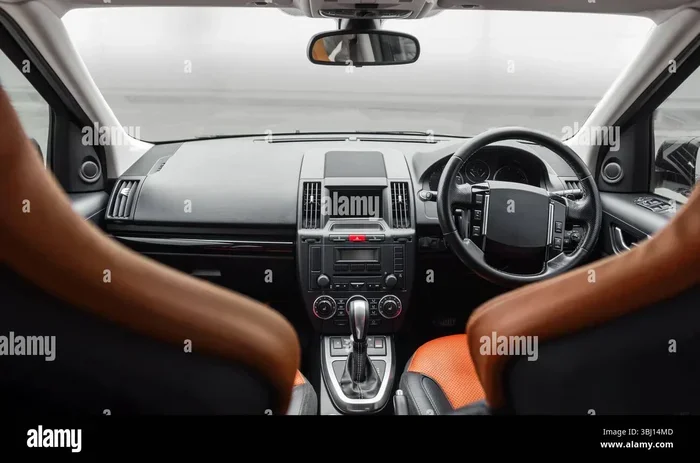
Before we dive into the legal side, let us cover the basics. A right-hand drive car is any vehicle where the steering wheel is located on the right side of the cabin. This setup is standard in countries like the United Kingdom, Japan, Australia, and many others that drive on the left side of the road.
Right-Hand Drive vs Left-Hand Drive
Most Americans are familiar with left-hand drive vehicles. The steering wheel sits on the left, and drivers sit closer to the center of the road. This design helps drivers see oncoming traffic more easily when driving on the right side of the road.
In a right-hand drive car, the opposite is true. The driver sits on the right side, which makes sense in countries where traffic flows on the left. But in the US, where cars drive on the right, this positioning creates some obvious challenges. Your view of the road ahead is shifted, and judging distances when passing other vehicles takes extra focus.
Common examples of right-hand drive vehicles include:
- Japanese domestic market (JDM) cars like the Nissan Skyline GT-R and Toyota Supra
- British sports cars such as the Lotus Elise and Morgan
- Australian vehicles like the Ford Falcon and Holden Commodore
- Certain military and specialty vehicles
Car enthusiasts love these vehicles for their unique driving feel and overseas heritage. But loving a car and driving it legally on US roads are two different things.
Is It Legal to Drive a Right-Hand Drive Car in the US?
Here is where things get a bit complicated. There is no federal ban on driving a right-hand drive car in the United States. However, that does not mean every state welcomes them with open arms. The legal landscape depends heavily on where you live and how the vehicle got into the country.
Federal Regulations
At the federal level, the National Highway Traffic Safety Administration (NHTSA) sets vehicle safety standards through the Federal Motor Vehicle Safety Standards (FMVSS). These rules apply to all vehicles on the road, regardless of steering wheel position. The key point is that a right-hand drive car must still meet the same safety and emissions standards as any other vehicle.
The Environmental Protection Agency (EPA) also enforces emissions standards. If your imported vehicle does not meet these requirements, you cannot legally register or operate it. This is a big hurdle for many people who want to bring in a foreign vehicle from overseas.
State-by-State Rules
State laws vary widely when it comes to right-hand drive vehicles. Some states are pretty relaxed, while others impose strict restrictions. Here is a general breakdown:
- California: The California DMV allows right-hand drive vehicles, but they must pass a smog check and meet all state emissions requirements. The state is strict about vehicle inspection.
- New York: You can register a right-hand drive car, but the process requires proving the vehicle meets federal safety standards.
- Texas: Texas tends to be more lenient. You can typically register a right-hand drive car as long as it passes the required inspections.
- Florida: Florida also allows right-hand drive vehicles. The state focuses more on standard vehicle inspections than steering wheel position.
Always check with your local DMV to confirm the specific legal requirements in your state. Rules change, and what was true last year might not apply today.
Safety Concerns When Driving RHD in the US
Let us be honest — the biggest challenge with driving a right-hand drive car in the US is not the paperwork. It is the safety factor. Sharing the road with millions of left-hand drive vehicles creates real risks that every RHD driver needs to understand.
Visibility Challenges
Driver visibility is the number one concern. When your steering wheel is on the right, your view of the lane directly next to you on the left is limited. This makes it harder to see cyclists, pedestrians, and other vehicles in adjacent lanes.
On highways, this problem becomes even more serious. Merging lanes, lane changes, and passing require extra caution. You simply cannot rely on mirrors the way a left-hand drive driver can. Many RHD drivers in the US install additional blind-spot mirrors or cameras to compensate for this issue.
Passing and Overtaking Risks
In the US, you pass on the left. But with a right-hand drive car, your body is positioned away from the vehicle you are passing. This makes it harder to judge the gap between your car and the car ahead. It also means your view of oncoming traffic is reduced during a pass.
This is why road safety experts strongly recommend extra practice before taking a right-hand drive car onto busy highways. Start in quiet neighborhoods and work your way up to busier roads. Give yourself time to build muscle memory and confidence.
Roundabouts and Drive-Thrus
Roundabouts are another tricky situation. In the US, you navigate them clockwise, which feels natural for a left-hand drive driver. For RHD drivers, the flow feels reversed and can be confusing. The same goes for drive-thru lanes, where you have to lean across the car to reach the window. It is a small thing, but it adds up over time.
How to Import a Right-Hand Drive Car Legally
For many people, the journey to driving a right-hand drive car starts with importing one. Whether you bought a JDM car from Japan or a classic British roadster from an overseas seller, the import process has several critical steps.
EPA and DOT Requirements
Before your right-hand drive car can even think about hitting US soil, it needs to clear two major hurdles:
- Environmental Protection Agency (EPA): Your vehicle must meet EPA emissions standards. Cars built for foreign markets may not have the right catalytic converters or emissions equipment.
- Department of Transportation (DOT): The DOT enforces federal motor vehicle safety standards. Your car needs compliant lighting, airbags, and other safety equipment.
Some vehicles are exempt from these requirements. Cars that are at least 25 years old fall under the “25-year rule” and can be imported without meeting modern standards. This is why many collectors import classic JDM cars that would otherwise fail inspection.
The Importation Process Step by Step
Here is a simplified look at how to bring a right-hand drive car into the US:
- Buy the vehicle from a licensed overseas dealer or private seller.
- Ship the car to a US port through a licensed importer.
- Clear customs and pay any applicable duties and taxes.
- Submit paperwork to the EPA and DOT for compliance review.
- Pass inspection at a certified facility, including vehicle inspection for safety and emissions.
- Register the vehicle at your local DMV and obtain vehicle registration.
Quick Tip: Work with a licensed importer who has experience handling foreign vehicles. They can guide you through the paperwork and save you a lot of headaches.
Tips for Driving a Right-Hand Drive Car on US Roads
Once your right-hand drive car is legal and registered, the real learning begins. Adjusting to a different steering wheel position takes time, patience, and a few practical strategies.
Adapting to Traffic Patterns
The most important thing to remember is that US traffic flows on the right. Your instinct will pull you toward the left side of the road at first. Fight that urge. Stay in the right lane unless you are passing, and use your mirrors constantly.
Many new RHD drivers find it helpful to think of the steering wheel as an anchor. It is on your right, so your body naturally gravitates right. Consciously correct your positioning, especially on multi-lane roads.
Parking and Merging Tips
Parking a right-hand drive car in the US takes practice too. You will enter parking spots from the left side, which feels backward at first. Parallel parking on the right side of the street requires you to approach the curb from further away than usual.
When merging onto highways, use your blind-spot mirrors and take your time. Do not rush. Expert drivers who have made the switch recommend at least 50 hours of practice on real roads before considering yourself fully adjusted.
Quick Tips for New RHD Drivers
- Start with short, low-traffic drives before attempting long highway trips.
- Install additional blind-spot mirrors on the left side of your windshield.
- Practice in empty parking lots to get a feel for the vehicle’s dimensions.
- Always check mirrors twice as much as you would in a left-hand drive car.
- Keep a larger following distance to compensate for reduced visibility.
Common Mistakes to Avoid
Even the most enthusiastic car enthusiasts make mistakes when they first start driving a right-hand drive car in the US. Avoiding these common errors can keep you safe and out of trouble.
Misjudging Lane Position
This is the most frequent mistake. RHD drivers often drift too far to the left because their body naturally follows the steering wheel. This puts you at risk of head-on collisions with oncoming traffic. Stay aware of your lane position and correct it early and often.
Ignoring State Laws
As we mentioned earlier, state driving laws differ. Some drivers assume that because a right-hand drive car is legal in one state, it is legal everywhere. That is not the case. Always verify DMV regulations before crossing state lines with your RHD vehicle. A quick phone call to the local DMV office can save you from a costly fine or registration issue.
Skipping the Inspection
Some owners try to skip the vehicle inspection process to save money. This is a bad idea. Not only is it illegal, but it also means your car may not meet basic road safety standards. Get the inspection done properly the first time.
Expert Insight
According to automotive safety experts, the transition to a right-hand drive car is manageable for most people, but it requires a mindset shift. “You have to unlearn years of driving habits,” says one driving safety instructor. “Give yourself grace, and do not expect perfection on day one.”
Converting a Right-Hand Drive Car to Left-Hand Drive
Some drivers choose to convert their right-hand drive car to left-hand drive instead of adapting. This is a legitimate option, but it comes with its own set of challenges.
What the Conversion Involves
A steering column conversion is not a simple weekend project. It involves moving the entire dashboard, steering assembly, pedals, and often the driver’s seat. You also need to rewire the instrument cluster and ensure all safety systems function correctly.
The conversion must be performed by a certified shop that specializes in steering column repositioning. DIY conversions are not safe and are unlikely to pass a vehicle inspection.
Cost and Time Considerations
Expect to pay anywhere from $2,000 to $8,000 or more for a professional conversion, depending on the vehicle. The process can take several weeks. For many drivers, it is more practical to simply adapt to the right-hand drive setup.
Comparison Table: Driving RHD vs Converting to LHD
| Factor | Driving RHD in the US | Converting to LHD |
|---|---|---|
| Cost | No additional cost | $2,000 – $8,000+ |
| Time | A few weeks to adjust | Several weeks for the shop |
| Legality | Varies by state | Requires certified work and re-inspection |
| Resale Value | May appeal to JDM fans | Broader buyer appeal |
| Safety | Requires extra caution | Feels natural for US roads |
| Reversibility | Fully reversible | Difficult and costly to reverse |
Insurance and Registration for Right-Hand Drive Cars
Getting vehicle registration and insurance for a right-hand drive car is another area that requires extra attention. Most major insurers will cover RHD vehicles, but you may face higher premiums or specialized policy requirements.
Some insurers consider right-hand drive cars higher risk because of the increased chance of accidents caused by visibility issues. Shop around and compare quotes from multiple providers. Let your insurer know about the steering wheel position upfront to avoid coverage disputes later.
For vehicle registration, you will need to provide proof of ownership, a title, and pass the required state inspections. Keep all documentation organized, especially if your car was imported. The DMV will want to see compliance paperwork from the EPA and DOT if applicable.
Quick Tip: If you are a car enthusiast who plans to drive RHD long-term, consider joining online communities and forums. Other RHD drivers share valuable tips about insurance, registration, and day-to-day driving tricks that can save you time and money.
Conclusion
So, can you drive a right-hand drive car in the US? Absolutely. There is no federal ban, and many states allow these vehicles on their roads. But the journey to legally and safely driving a right-hand drive car involves understanding import laws, navigating DMV regulations, and adapting to driving on the right side of the road with your steering wheel on the opposite side.
Safety should always be your top priority. The road visibility challenges, passing risks, and adjustment period are real. Take your time, practice in low-traffic areas, and do not rush the process. Whether you choose to drive as-is or convert to left-hand drive, the key is making an informed decision that keeps you and others safe.
The right-hand drive car lifestyle is rewarding for those who love unique vehicles and enjoy a challenge. Do your homework, follow the rules, and enjoy the ride. Your right-hand drive car is waiting.
Frequently Asked Questions
Is it legal to drive a right-hand drive car in every US state?
No, there is no single federal rule that covers all states. Most states allow right-hand drive vehicles, but each state has its own DMV regulations and requirements. Some states like California have stricter emissions and inspection rules. Always check with your local DMV before driving a right-hand drive car on public roads.
Can I register a right-hand drive car in the US?
Yes, you can register a right-hand drive car in most states. You will need to provide proof of ownership, pass a vehicle inspection, and ensure the car meets federal motor vehicle safety standards. Imported vehicles may also need EPA and DOT compliance paperwork before registration is approved.
What are the main safety risks of driving a right-hand drive car?
The biggest risks involve reduced driver visibility on the left side, difficulty judging distances when passing, and challenges with merging and lane changes. Driving on the right side of the road with a steering wheel on the opposite side takes practice. Adding blind-spot mirrors and taking extra caution can help reduce these risks significantly.
How do I import a right-hand drive car into the US?
You need to work with a licensed importer who can handle customs, shipping, and compliance paperwork. The vehicle must meet EPA emissions standards and DOT safety standards unless it is at least 25 years old and exempt. After clearing customs, you will need to pass a vehicle inspection and register the car at your local DMV.
Are right-hand drive cars more expensive to insure?
Some insurers may charge higher premiums for right-hand drive cars because of the perceived increase in accident risk due to visibility challenges. However, rates vary widely between providers. It is best to get multiple quotes and inform your insurer about the steering wheel position to ensure you have proper coverage.
Can I convert a right-hand drive car to left-hand drive?
Yes, you can convert a right-hand drive car to left-hand drive, but it is a complex and costly process. The conversion involves repositioning the steering column, dashboard, and pedals, and it must be done by a certified shop. Costs typically range from $2,000 to $8,000 or more, and the vehicle will need to be re-inspected after the work is completed.