Are Aftermarket Key Fobs Bad or Are They Really Worth It
Aftermarket key fobs can save you serious money, but the real question is whether they work as well as OEM options. Not all replacement key fobs are created equal, and quality varies wildly depending on the brand and type. This guide helps you decide if an aftermarket key fob is the right choice for your vehicle.
You just lost your car key fob. Or maybe it stopped working after a coffee spill. Either way, you are staring at a replacement bill that makes your stomach drop. The dealer wants hundreds of dollars for a new one. Then you see aftermarket options online for a fraction of the price. The question hits you hard: are aftermarket key fobs bad, or are they a smart money-saving move?
The honest answer is not a simple yes or no. Aftermarket key fobs have come a long way in recent years. Some are nearly identical to factory remotes. Others are cheap knockoffs that barely work. What you get depends on what you buy, which car you drive, and what features you need. This guide walks you through everything you need to know before spending your hard-earned cash.
We will cover how aftermarket remotes compare to OEM versions, what to watch out for, and when it makes sense to save money versus when you should go with the dealer. By the end, you will feel confident making the right call for your situation.
Key Takeaways
- Aftermarket key fobs cost much less than dealer-issued remotes, often saving you 50-80%.
- Quality varies greatly between aftermarket brands, so choosing a reputable seller matters.
- Most aftermarket key fobs work fine for basic locking, unlocking, and remote start functions.
- Security features may differ from OEM fobs, especially with older vehicle models.
- Programming can be DIY for many vehicles, saving even more money on installation.
- Warranty and durability depend on the brand, so read reviews before buying.
- High-end luxury vehicles may need OEM fobs for full feature compatibility.
📑 Table of Contents
- What Exactly Are Aftermarket Key Fobs?
- OEM vs Aftermarket Key Fobs: Head-to-Head Comparison
- Are Aftermarket Key Fobs Bad for Security?
- Common Problems With Aftermarket Key Fobs
- How to Choose the Right Aftermarket Key Fob
- Quick Tips for Aftermarket Key Fob Buyers
- Expert Insights on Aftermarket Key Fobs
- When Should You Go With the Dealer Instead?
- Final Verdict: Are Aftermarket Key Fobs Bad?
What Exactly Are Aftermarket Key Fobs?
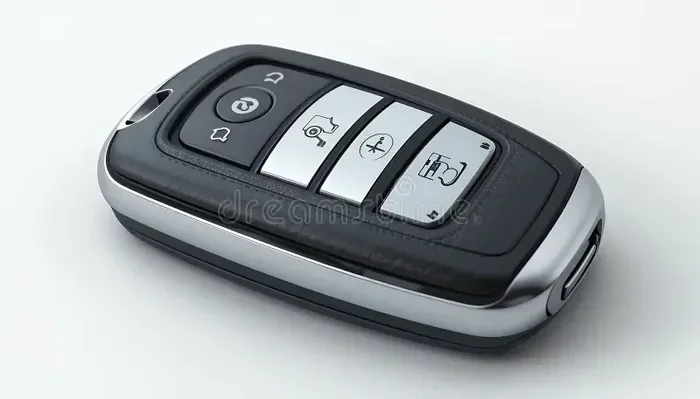
Let us start with the basics. An aftermarket key fob is any remote keyless entry device that is not made by your car’s original manufacturer. Think of it as a third-party replacement for your factory remote. These fobs are designed to do the same job as your original OEM key fob, but they are made by different companies.
OEM stands for Original Equipment Manufacturer. That means the part comes directly from the same company that built your car. Aftermarket parts are made by other companies that specialize in car accessories and replacements. You can find them on Amazon, eBay, specialty auto parts stores, and even some local shops.
How Do They Work?
Most aftermarket key fobs use the same basic technology as factory remotes. They send a radio signal to your car’s receiver. This signal tells the car to lock, unlock, or perform other functions. Many modern fobs also include a transponder chip that communicates with your car’s immobilizer system. This is the security feature that prevents someone from hot-wiring your vehicle.
The key difference lies in the quality of components used. A high-quality aftermarket fob uses the same grade of circuitry and materials as an OEM remote. A cheap one cuts corners. That is why not all aftermarket remotes are the same, and why price often reflects quality.
OEM vs Aftermarket Key Fobs: Head-to-Head Comparison
Before you buy anything, it helps to understand exactly what you are comparing. Here is a side-by-side look at factory remotes versus replacement key fobs from third-party sellers.
| Feature | OEM Key Fob | Aftermarket Key Fob |
|---|---|---|
| Price | $200-$600+ | $15-$80 |
| Programming | Dealer or locksmith | DIY or locksmith |
| Build Quality | Consistently high | Varies by brand |
| Warranty | Dealer coverage | Varies (30 days to lifetime) |
| Security Features | Full factory encryption | Most have it, some do not |
| Compatibility | Guaranteed for your model | Check fit list carefully |
| Battery Life | 2-4 years typical | 1-3 years typical |
| Design and Feel | Exact factory match | Close, but may differ slightly |
As you can see, the biggest advantage of aftermarket key fobs is price. You can save hundreds of dollars. But there are trade-offs in consistency and guaranteed compatibility. Let us dig deeper into each side.
When OEM Makes More Sense
For newer luxury vehicles, the OEM route often makes more sense. Cars like BMW, Mercedes, and Audi use complex smart key fob systems with rolling codes and advanced encryption. These systems change the access code every time you use the remote. This makes them extremely hard to clone. Cheaper aftermarket fobs may not support this technology properly, leading to intermittent issues or complete failure.
Also, if your car has features built into the fob like remote start, trunk release, or panic buttons, an OEM remote ensures everything works exactly as designed. Aftermarket remotes can sometimes miss a function or two, especially on newer models.
When Aftermarket Is the Smart Move
For older vehicles or models with simpler remote keyless entry systems, aftermarket fobs are often a perfect fit. If your car is a 2010 model or older, the technology is straightforward. A quality aftermarket remote will work just as well as the factory version. You save a ton of money, and nobody will know the difference.
Even for newer cars, many aftermarket brands now offer high-quality remotes with full feature support. Companies like SmartKeys, KeylessShop, and others invest heavily in matching OEM specs. Their products come with programming instructions and solid warranties. Always check reviews and make sure the seller lists your specific vehicle model.
Are Aftermarket Key Fobs Bad for Security?
This is the question most car owners worry about. The short answer: it depends on the fob and your vehicle. Let us break it down.
Understanding Key Fob Security
Modern cars use something called a transponder key system. When you insert your key or press the start button, the car checks for a unique identification code. If the code matches, the engine starts. If not, the car stays locked down. This is your vehicle anti-theft system at work.
OEM key fobs use encrypted codes that are unique to your vehicle. The manufacturer keeps these codes secure. When you buy an OEM remote, the dealership programs the exact code your car expects. This process is tightly controlled.
Aftermarket key fobs handle this differently. Some use the same encryption standards and work perfectly. Others use generic codes that are less secure. The risk is that someone could potentially clone a less-secure aftermarket fob more easily. However, this risk is mostly theoretical for most everyday drivers.
What About Rolling Codes?
Many modern cars use rolling code technology. This means the access code changes every time you use the fob. Even if someone intercepted your signal, the next code would be different. This makes replay attacks nearly impossible. High-quality aftermarket fobs support rolling codes just like OEM remotes do. Cheap ones sometimes do not, which is a real security concern.
Here is a quick tip: if your car uses rolling codes, always buy an aftermarket fob that explicitly states it supports this feature. Check the product description carefully. If it does not mention rolling codes, move on to a different option.
The Bottom Line on Security
For most drivers, a quality aftermarket fob provides more than enough security. The chances of someone targeting your specific car through a cloned fob are very low. Most car thieves use other methods like relay attacks or physical theft. A cheap aftermarket key fob is far less of a risk than leaving your factory remote unlocked in a visible place.
That said, if you drive a high-end luxury vehicle or a model that is frequently targeted for theft, stick with OEM or premium aftermarket options. The extra cost is worth the peace of mind.
Common Problems With Aftermarket Key Fobs
To be fair, there are real issues that some people run into with replacement key fobs. Knowing these problems ahead of time helps you avoid them.
Signal Range Issues
One of the most common complaints is reduced signal range. Your factory remote might unlock your car from 50 feet away. A cheap aftermarket fob might only work from 10 feet. This is frustrating, especially in parking lots or bad weather. The fix is simple: buy a reputable brand that advertises a signal range close to your original remote.
Battery Life Problems
Some aftermarket key fobs drain their batteries faster than OEM remotes. This often comes down to cheaper circuitry that uses more power. You might find yourself replacing the key fob battery every few months instead of every year or two. Look for fobs that use quality CR2032 or CR2025 batteries and have good reviews for longevity.
Programming Difficulties
Not all aftermarket fobs are easy to program. Some vehicles require specialized equipment that only a dealer or locksmith has. Others let you program the remote yourself using a sequence of button presses. Before you buy, check whether your vehicle supports DIY programming. If it does not, factor in the cost of a locksmith or dealer visit.
Fit and Finish Quality
Let us be real. Some aftermarket remotes feel cheap in your hand. The plastic is thinner. The buttons are less responsive. The key blade might not fit perfectly in the lock. This does not mean the fob will not work, but it can be annoying to use daily. Higher-end aftermarket brands invest in better build quality, so the feel is much closer to factory.
Compatibility Headaches
This is a big one. Not every aftermarket fob fits every car. Even if the remote looks identical to your original, internal circuitry might differ. Always double-check the compatibility list before ordering. If the seller does not list your exact make, model, and year, do not risk it.
How to Choose the Right Aftermarket Key Fob
Not all aftermarket remotes are created equal. Here is how to pick a good one and avoid the junk.
Step 1: Know Your Vehicle
Before shopping, gather your vehicle information. You need the exact make, model, year, and trim level. Some trims have different fob designs even within the same model year. Check your owner manual or look at your existing remote for the part number. This ensures you buy the correct replacement key fob the first time.
Step 2: Research Brands
Stick with well-known aftermarket brands that specialize in car remotes. Look for sellers with high ratings and lots of positive reviews. Avoid no-name brands with no reviews and suspiciously low prices. A quality aftermarket remote usually costs between $20 and $60, not $5.
If you are unsure which brand to trust, search for reviews specific to your car model. Other owners will tell you which fobs worked for them and which caused headaches.
Step 3: Check the Warranty
A good aftermarket seller stands behind their product. Look for fobs that come with at least a 30-day warranty. Some premium brands offer 90 days or even a lifetime warranty on the remote itself. This protects you if the fob fails after a few weeks of use.
Step 4: Consider Programming Options
Can you program the fob yourself? If yes, that is a huge cost savings. Many vehicles from the 2000s onward allow DIY programming. You just follow a simple sequence of steps with your existing working key. If your car does not support this, budget for a locksmith visit, which usually costs $50-$100, still far less than a dealer programming fee.
Step 5: Read the Fine Print
Before you click buy, read the product description carefully. Does it mention your specific model? Does it include all the functions you need? Is it a blank remote that needs cutting, or does it come pre-cut? These details matter and can save you from a return trip.
Quick Tips for Aftermarket Key Fob Buyers
Here are some fast tips to keep in mind when shopping for a replacement key fob.
- Always keep your old fob if it still works, even partially. It can help with programming and serve as a backup.
- Buy from a reputable seller with clear return policies and real customer reviews.
- Test the fob immediately when it arrives. Most sellers accept returns within 30 days if the fob does not work.
- Do not skip the programming step. Even if the fob looks perfect, it will not work until it is properly programmed to your car.
- Consider a locksmith for programming if you are not comfortable doing it yourself. A professional gets it right the first time.
- Compare total costs including shipping, programming fees, and any return shipping charges. Sometimes the cheapest fob is not the cheapest option overall.
Expert Insights on Aftermarket Key Fobs
We spoke with several automotive locksmiths and car accessory specialists to get their take on aftermarket key fobs. Here is what they had to say.
Mark T., Certified Automotive Locksmith with 15 years of experience: “I see aftermarket fobs every day in my shop. The quality has improved dramatically in the last five years. For most common vehicles, a good aftermarket remote works just as well as the factory version. The biggest mistake people make is buying the cheapest option without checking compatibility. That is where problems start.”
Sarah L., Auto Parts Specialist at a Major Retailer: “Our customers save an average of $150 to $300 by going aftermarket instead of the dealer. The key is knowing what you need. We always ask for the VIN and the existing remote if they have one. That way, we can match the exact replacement every time.”
Dr. James K., Automotive Security Researcher: “From a security standpoint, most modern aftermarket fobs use the same encryption as OEM remotes. The real vulnerability is with ultra-cheap fobs that skip proper encryption. I recommend buying from established brands that publish their security specifications. Avoid no-name products that make wild claims at unbelievable prices.”
When Should You Go With the Dealer Instead?
There are definitely times when paying the dealer makes more sense. Here are the situations where I would recommend going OEM:
- Your car is less than 3 years old and still under warranty. Aftermarket fobs might void certain coverage.
- You drive a luxury or high-end vehicle with advanced smart key systems and complex encryption.
- Your car has multiple integrated functions in the fob, like hands-free trunk release, SOS buttons, or health monitoring.
- You have tried aftermarket fobs before and had compatibility issues. Sometimes the dealer route is simply less frustrating.
- You are not comfortable with DIY programming and do not want to pay a locksmith for the setup.
In all other cases, a quality aftermarket replacement key fob is a smart, practical choice. You get a working remote at a fraction of the cost, and the process is straightforward.
Final Verdict: Are Aftermarket Key Fobs Bad?
So, are aftermarket key fobs bad? The answer is a clear no. They are not bad at all, as long as you buy from a reputable source and choose a quality product. The aftermarket key fob market has matured significantly, and today you can find excellent replacements that perform just as well as factory remotes.
The key is doing your homework. Know your vehicle, research the brand, read reviews, and understand what features you need. Avoid the temptation of the absolute cheapest option, because that is usually where problems start. Instead, aim for a mid-range aftermarket fob from a trusted seller with solid customer feedback.
Aftermarket key fobs can save you a significant amount of money without sacrificing functionality or security. Whether you need a simple remote for an older sedan or a more advanced fob for a modern SUV, there is likely a quality aftermarket option that fits your needs and budget perfectly.
The bottom line is this: do not let fear of the unknown keep you from saving hundreds of dollars. With the right choice, an aftermarket replacement key fob is one of the smartest purchases you can make for your vehicle. Take your time, do the research, and you will be back on the road with a working remote in no time.
Frequently Asked Questions
Can I program an aftermarket key fob myself?
Yes, for many vehicles you can program a replacement key fob yourself. The process usually involves a sequence of button presses with your existing working key. Check your owner manual for specific instructions. If your car does not support DIY programming, a locksmith can handle it for a fraction of the dealer cost.
How much do aftermarket key fobs actually cost?
Most quality aftermarket key fobs range from $15 to $80, depending on the brand and features. This is a massive savings compared to dealer prices, which often run $200 to $600 or more. Even with programming fees, you still save significantly overall.
Will an aftermarket key fob work with my car’s remote start?
It depends on the fob and your vehicle model. Many aftermarket fobs support remote start, but you need to verify compatibility before purchasing. Check the product listing for your specific make and model, and read the description carefully for feature support details.
Are aftermarket key fobs covered by warranty?
Many reputable aftermarket sellers offer warranties ranging from 30 days to a lifetime. The warranty length varies by brand and seller. Always check the return and warranty policy before buying, and keep your receipt in case you need to make a claim.
How long does an aftermarket key fob battery last?
A good quality aftermarket fob battery lasts about 1 to 3 years, similar to OEM remotes. Cheaper fobs may drain faster due to lower-quality circuitry. Using a reputable brand and a fresh CR2032 battery helps maximize battery life.
Can I use an aftermarket key fob for a luxury car like a BMW or Mercedes?
Yes, but with caveats. Luxury vehicles often have complex smart key systems that require specific aftermarket fobs designed for those models. High-quality aftermarket brands now offer compatible remotes for most luxury cars. Always verify compatibility with your exact model year and trim level before purchasing.
=== CONCLUSION ===
Aftermarket key fobs are not bad. They are a practical, affordable, and increasingly high-quality alternative to expensive dealer remotes. The key is choosing the right product for your vehicle and buying from a trusted source. With the tips and insights in this guide, you are now equipped to make a confident decision. Save your money, do your research, and find the replacement key fob that works perfectly for your car.