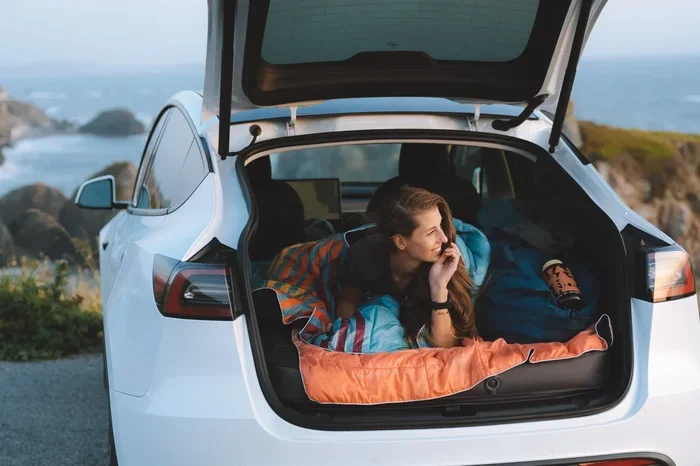
Can I Sleep in My Car at a Campsite and Not Get Caught
Sleeping in your car at a campsite is possible, but you need to know the rules, stay safe, and keep a low profile. This guide covers campsite regulations, legal considerations, and practical tips to help you enjoy a comfortable overnight stay without drawing attention. Whether you are car camping for the first time or looking for a budget-friendly alternative to tents, you will find everything you need right here.
There is something deeply appealing about pulling into a campsite, settling into your seat, and drifting off to sleep under the stars. Maybe you are on a road trip and ran out of daylight. Maybe you want to save money on lodging. Or perhaps you simply prefer the idea of waking up surrounded by nature without setting up a tent. Whatever your reason, the question Can I Sleep in My Car at a Campsite comes up a lot, and the answer is not as simple as yes or no.
The truth is, car camping has exploded in popularity over the last few years. Families, solo travelers, and adventure seekers alike are discovering that your vehicle can be a cozy, portable bedroom. But with that freedom comes responsibility. You need to understand campsite rules, local laws, and basic etiquette to make sure your overnight stay goes smoothly. This guide walks you through everything you need to know about sleeping in your car at a campsite without getting caught in trouble.
We will cover legal considerations, safety essentials, comfort hacks, and real-world tips from experienced car campers. By the end, you will feel confident and prepared for your next car camping adventure. Let us dive in.
Key Takeaways
- Know the Rules: Campsite policies vary widely, so always check local regulations before settling in for the night.
- Stay Stealthy: Keeping a low profile with tinted windows and covered vehicles helps you avoid unwanted attention.
- Prioritize Safety: Choose well-lit, legal spots and keep emergency supplies ready at all times.
- Maximize Comfort: The right bedding, ventilation, and window covers make car sleeping surprisingly cozy.
- Respect Fellow Campers: Following campground etiquette goes a long way in keeping your overnight stay trouble-free.
- Have a Backup Plan: Know what to do if you get asked to move or if conditions change overnight.
📑 Table of Contents
- Understanding Campsite Rules and Regulations
- Is It Legal to Sleep in Your Car at a Campsite?
- Best Practices for Sleeping in Your Car at a Campsite
- Safety Tips for Overnight Car Camping
- Making Car Sleeping Comfortable
- Common Mistakes to Avoid
- Expert Insights on Vehicle Camping
- Final Thoughts on Sleeping in Your Car at a Campsite
Understanding Campsite Rules and Regulations
Before you even think about turning off the engine and pulling up a blanket, you need to understand the rules. Not all campsites allow overnight parking in vehicles, and the ones that do often have specific conditions. Ignorance is not a valid excuse, and getting caught in violation of posted rules can lead to fines or being asked to leave.
Why Campsite Rules Matter
Campsites operate under a set of guidelines designed to protect the environment, ensure fairness among visitors, and maintain a safe atmosphere. These rules are not arbitrary. They reflect years of experience managing campgrounds and dealing with the challenges that come with high traffic and overnight stays. When you respect these rules, you contribute to a positive experience for everyone.
Here are some common reasons campsites restrict or regulate car sleeping:
- Environmental protection: Vehicles can leak fluids, disturb wildlife, and damage delicate ecosystems.
- Crowd management: Allowing too many vehicles to park overnight reduces space for tents and RVs.
- Noise control: Late-night activity can disturb other campers trying to sleep.
- Liability concerns: Campsite operators want to minimize risks associated with vehicles parked on their property.
How to Find Campsite-Specific Rules
The best way to know what is allowed is to check before you arrive. Most campsites publish their rules on their official website or at the entrance gate. If you cannot find the information online, call the ranger station or campground office directly. Ask specifically about overnight vehicle parking and any associated fees. Some sites allow it for free, while others charge a small overnight parking fee.
Do not rely on word of mouth or what you saw on social media. Regulations change frequently, and what was true last year may not apply today. Taking five minutes to verify can save you a lot of headaches later.
Is It Legal to Sleep in Your Car at a Campsite?
Legality is one of the biggest concerns for anyone considering sleeping in their car at a campsite. The short answer is that it depends on where you are and what the local rules say. Let us break this down.
Federal and State Camping Regulations
On federal lands like national forests and Bureau of Land Management areas, the rules are often more relaxed. Dispersed camping is generally allowed, which means you can park and sleep in your vehicle in many locations without a designated campsite. However, there are still restrictions. Some areas prohibit overnight vehicle habitation, and others limit how long you can stay in one spot.
State parks and national parks have their own sets of camping regulations. Most require you to stay in designated campsites, and many do not allow you to sleep in your car outside of those designated areas. Always check with the specific park or recreation area before planning your trip.
Private Campgrounds and Their Policies
Private campgrounds have the right to set their own rules. Some welcome car camping with open arms and even offer dedicated vehicle camping spots. Others are strictly tent-only or RV-only. If you are staying at a privately owned campground, read the terms and conditions carefully. Violating their policies can result in being asked to leave, and in some cases, you may lose your deposit or face additional charges.
Local Ordinances and Zoning Laws
Beyond the campsite itself, local city and county ordinances may also apply. Some municipalities have laws against overnight vehicle habitation, even on private property. These laws are often aimed at addressing homelessness but can affect recreational car campers too. A quick search of local ordinances or a call to the local sheriff’s office can clarify what is permitted in the area.
Best Practices for Sleeping in Your Car at a Campsite
If you have determined that sleeping in your car at a campsite is allowed, the next step is doing it right. These best practices will help you stay under the radar, keep safe, and actually enjoy the experience.
Choose the Right Spot
Location matters a lot. Look for a spot that is away from high-traffic areas like restroom buildings, campfire rings, and the main entrance. A secluded corner or a spot near the back of the lot gives you more privacy. Avoid parking directly under bright lights, as this draws attention and can make it harder to sleep.
When possible, choose a spot with a clear view of the road. This gives you a sense of security and allows you to notice if anyone approaches. Never park in emergency lanes, fire lanes, or areas marked as no-parking zones.
Keep a Low Profile
Stealth camping is all about blending in. Here are some tips to keep your car camping presence subtle:
- Use tinted or covered windows: Window shades or tinting prevent people from seeing inside your vehicle.
- Avoid setting up outside your car: Do not place chairs, tables, or tents outside the vehicle. This signals that you are camping, not just parking.
- Keep lights off: Turn off all interior and exterior lights after dark.
- Limit noise: Keep music, conversations, and engine idling to a minimum after quiet hours.
Practice Good Campground Etiquette
Being a respectful car camper goes a long way. Treat the campsite like it is your home and leave it better than you found it. Follow quiet hours, dispose of trash properly, and be courteous to neighboring campers. If you are upfront and polite, most people will not even realize you are sleeping in your car. And if someone does ask, a friendly, honest answer usually goes a long way.
Safety Tips for Overnight Car Camping
Safety should always come first when sleeping in your car. Even at a legitimate campsite, there are risks you need to manage.
Ventilation and Air Quality
This is arguably the most important safety consideration. Sleeping in a closed vehicle with the windows completely shut can lead to a dangerous buildup of carbon dioxide and reduced oxygen levels. Even with the engine off, your breath gradually reduces the air quality inside the cabin.
Always crack a window slightly on opposite sides of the vehicle to allow airflow. This creates a cross-breeze that keeps the air fresh. If you are using a sleeping bag that covers your head, make sure there is still adequate ventilation around your face.
Carbon Monoxide Awareness
Never run your car engine while sleeping. Exhaust fumes contain carbon monoxide, a colorless, odorless gas that can be fatal even in small concentrations. Make sure your tailpipe is not blocked by snow, mud, or debris before you start the engine, and never idle the engine for heat while you are inside the vehicle.
Emergency Preparedness
Keep a basic emergency kit in your car at all times. This should include:
- A first aid kit
- A flashlight or headlamp
- A portable phone charger
- A blanket or extra layers of clothing
- Water and non-perishable snacks
- A whistle for signaling help if needed
These items take up very little space but can make a significant difference in an emergency situation. Being prepared gives you peace of mind and allows you to relax and enjoy your overnight stay.
Making Car Sleeping Comfortable
Let us be honest. Sleeping in a car is not exactly the same as sleeping in your bed at home. But with the right setup, it can be surprisingly comfortable. Many experienced car campers swear by their vehicle sleeping setups and say they prefer it to tent camping.
Bedding and Sleep Comfort
Invest in a quality sleeping pad or air mattress that fits your vehicle. A thick sleeping pad provides cushioning and insulation from the cold floor of your car. Pair it with a sleeping bag rated for the expected temperature. On colder nights, a thermal blanket or a down comforter can make a world of difference.
Consider using a compact inflatable mattress that you can inflate and deflate easily. Some car campers also use yoga mats or foam pads as a budget-friendly alternative. The key is to have something between you and the hard surface of the car floor.
Temperature Control
Temperature management is critical for a good night sleep. In hot weather, crack windows and use a small battery-powered fan. In cold weather, dress in warm layers and use a sleeping bag rated for below-freezing temperatures. Some car campers also use portable propane heaters, but these must be used with extreme caution due to fire and carbon monoxide risks.
The safest approach is to dress warmly and use insulation. A reflective windshield cover placed on the inside of your windshield at night helps retain heat. During the day, it keeps the interior cooler by blocking direct sunlight.
Privacy Solutions
If you want to keep your car camping completely private, invest in good window covers. Blackout curtains, reflective sun shades, or custom-fit window covers all work well. They block light from coming in and prevent people from seeing inside. This is especially useful at campsites where vehicles are parked close together.
Some car campers also use a simple tarp or blanket draped over the vehicle to further obscure the interior. Just make sure you are not violating any fire codes or blocking visibility for other drivers.
Common Mistakes to Avoid
Learning from other people’s mistakes is one of the fastest ways to improve your car camping experience. Here are some common errors that beginners make and how to avoid them.
Assuming All Campsites Allow Car Sleeping
This is the number one mistake. Not every campsite permits overnight vehicle parking, and showing up without checking can lead to an awkward and stressful situation. Always verify the rules beforehand.
Leaving Valuables in Plain Sight
Even in a safe campground, leaving laptops, cameras, jewelry, or cash visible through your windows is asking for trouble. Store all valuables in the trunk or out of sight before you settle in for the night. A simple rule of thumb is to never leave anything visible that you would not want someone to take.
Ignoring Quiet Hours
Most campsites enforce quiet hours, typically between 10 PM and 6 AM. Playing music, talking loudly, or running a generator during these hours can draw complaints and attention. Respect the quiet hours and you will blend right in.
Overpacking the Vehicle
It is tempting to bring everything but the kitchen sink on a camping trip. But overpacking your vehicle makes it cramped and uncomfortable for sleeping. Pack only what you need and store bulky items in the trunk or in compression bags to maximize interior space.
Forgetting to Check Out on Time
Most campsites have a checkout time, usually between 10 AM and noon. If you sleep in your car, you might be tempted to stay in until the afternoon. But overstaying your welcome can result in extra fees or being asked to leave. Set an alarm and make sure you are up and moving before the checkout deadline.
Expert Insights on Vehicle Camping
We spoke with several experienced car campers and campground staff to get their take on sleeping in vehicles at campsites. Here is what they had to say.
Mark, a seasoned car camper from Colorado: “I have been sleeping in my car at campsites for five years now. The key is to be respectful and follow the rules. I always check the campsite policy before booking, and I never leave trash behind. It has never been an issue for me.”
Sarah, a campground manager in Oregon: “We do allow car camping at our site, but we ask guests to park in designated areas and keep their windows covered after dark. We want everyone to feel comfortable, and being upfront about it helps build trust among campers.”
Jake, an outdoor gear reviewer: “Invest in a good window shade system and a quality sleeping pad. These two items alone transform the experience from barely tolerable to genuinely enjoyable. Comfort is everything when you are sleeping in a vehicle.”
Final Thoughts on Sleeping in Your Car at a Campsite
So, can you sleep in your car at a campsite and not get caught? Absolutely. But it requires a little preparation, respect for the rules, and common sense. The key is to know the regulations of the campsite you are visiting, practice good etiquette, and prioritize safety and comfort at every step.
Can I Sleep in My Car at a Campsite without any issues? Yes, as long as you do your homework ahead of time. Check the rules, choose your spot wisely, keep a low profile, and always be considerate of the people around you. Car camping is a fantastic way to enjoy the outdoors on a budget, and with the right approach, it can become one of your favorite travel styles.
Now that you have all the information you need, it is time to plan your next trip. Pack your gear, find a campsite that allows vehicle overnight stays, and get ready for a memorable night under the stars. Happy car camping!
Frequently Asked Questions
Is it legal to sleep in your car at a campsite?
It depends on the specific campsite and local regulations. Many national forests and BLM land allow dispersed camping and overnight vehicle habitation, but state parks and private campgrounds often have their own rules. Always check the campsite policy before settling in for the night.
What are the safest ways to sleep in my car at a campsite?
Choose a well-lit, designated parking spot away from high-traffic areas. Crack your windows slightly for ventilation, keep valuables out of sight, and have an emergency kit with a first aid kit, flashlight, and phone charger. Never run your engine while sleeping to avoid carbon monoxide risks.
Do I need to pay extra to sleep in my car at a campsite?
Some campsites include overnight vehicle parking in the standard camping fee, while others charge an additional fee. Private campgrounds may have different pricing structures for car camping versus tent camping. Always check the pricing details before booking.
Can I sleep in my car at a campsite during winter?
Yes, but you need to take extra precautions for cold weather. Use a sleeping bag rated for freezing temperatures, insulate your vehicle with reflective windshield covers, and dress in warm layers. Be especially careful about ventilation to prevent condensation buildup inside the car.
What should I do if a ranger asks me to move?
Stay calm and polite. Ask the ranger to explain the specific rule you may have violated. If the campsite does not allow overnight vehicle parking, comply with their request and find an alternative location. Being respectful and cooperative will always lead to the best outcome.
How can I make sleeping in my car more comfortable?
Invest in a quality sleeping pad, a warm sleeping bag, and blackout window covers. Add a small pillow, a battery-powered fan for warm weather, or extra blankets for cold nights. Keeping your interior setup simple and organized also helps maximize the limited space inside your vehicle.
=== CONCLUSION ===
Sleeping in your car at a campsite is a practical, affordable, and increasingly popular way to enjoy the great outdoors. As long as you follow the rules, prioritize safety, and show respect for fellow campers, you can have a wonderful overnight experience without any issues. Remember to check campsite regulations, keep a low profile, and prepare your vehicle for comfort and warmth. With the right mindset and preparation, your next car camping trip could be one of the best outdoor experiences you have ever had. Get out there, explore, and enjoy the freedom of the open road and a good night sleep right where you park.