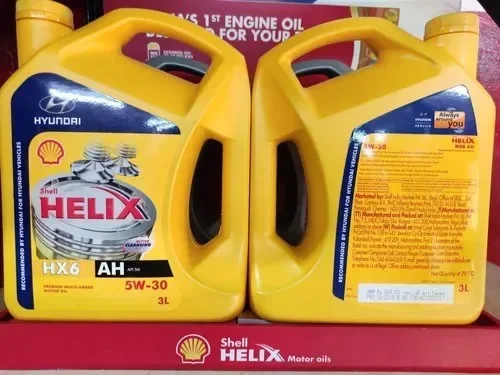
Can I Use 5W30 Instead of 5W20 in My Hyundai Engine
Using 5W30 instead of 5W20 in my Hyundai is a common question among owners. While it might seem like a minor swap, the wrong oil weight can affect engine performance and longevity. This guide breaks down the risks, manufacturer recommendations, and when it might be acceptable.
You’re standing in the auto parts aisle, holding a bottle of 5W30 oil, and wondering if it’s okay to use it in your Hyundai. Maybe the 5W20 you usually buy is out of stock, or a friend told you 5W30 is “better” for older engines. The question “Can I use 5W30 instead of 5W20 in my Hyundai?” comes up all the time in forums and shops. Using the wrong oil weight can seem like a small shortcut, but it can have real consequences for your engine’s health.
Hyundai designs its engines to run on a specific viscosity, and that number isn’t just a suggestion. The oil weight affects everything from cold-start protection to fuel economy. In this guide, I’ll walk you through exactly what happens when you swap 5W30 for 5W20, when it might be okay, and how to keep your Hyundai running strong for years.
Whether you drive a Sonata, Elantra, or Tucson, this article will give you the facts you need to make the right choice. I’ll break down the science in plain language and give you actionable tips you can use today.
Key Takeaways
- Always follow your Hyundai owner’s manual: The manufacturer specifies 5W20 for a reason, and deviating can void your warranty.
- 5W30 is thicker at operating temperature: It may reduce fuel economy and strain the oil pump.
- Short-term use might not cause disaster: But long-term use can lead to increased wear and sludge buildup.
- Some Hyundai models with turbo engines: May have different requirements; always double-check.
- Synthetic blend or full synthetic 5W20: Offers the best protection and performance.
- When in doubt, consult a Hyundai dealer: They can confirm the exact oil weight for your engine.
📑 Table of Contents
- What the Numbers 5W20 and 5W30 Actually Mean
- Manufacturer Recommendations for Hyundai Engines
- Can You Safely Use 5W30 Instead of 5W20 in My Hyundai?
- Risks of Using the Wrong Oil Weight
- When Might 5W30 Be Acceptable for a Hyundai?
- Expert Tips for Choosing the Right Oil for Your Hyundai
- Final Verdict: Should You Switch to 5W30?
What the Numbers 5W20 and 5W30 Actually Mean
The numbers on an oil bottle are not random. They describe the oil’s viscosity, which is its resistance to flow. Understanding this helps you see why Hyundai picks a specific weight for each engine.
Decoding the Viscosity Grade
The “5W” stands for the oil’s cold-temperature performance. The “W” means winter. A 5W oil flows well in freezing weather, protecting your engine during a cold start. The number after the W (20 or 30) tells you how thick the oil is when the engine is hot. Lower numbers mean thinner oil at operating temperature. So 5W20 is thinner when hot than 5W30.
Viscosity is the key to engine protection. Too thin, and the oil film breaks down under heat. Too thick, and the oil pump struggles to push it through tiny passages. Your Hyundai engine is built with tight tolerances that match a specific weight.
How Temperature Changes Oil Thickness
When you start your car on a winter morning, the oil is cold and thick. The “5W” rating ensures it moves quickly to the bearings and camshaft. As the engine warms up, the oil thins to its target weight. A 5W20 reaches its ideal thickness faster than a 5W30. This matters for fuel economy and wear.
Quick Tip: The number before the W measures cold-flow performance. The number after measures thickness at operating temperature. Never assume all 5W oils behave the same way once the engine is hot.
| Feature | 5W20 | 5W30 |
|---|---|---|
| Cold-temperature viscosity | Thinner, flows faster | Slightly thicker |
| Operating temperature thickness | Lighter film | Heavier film |
| Fuel economy impact | Better | Slightly lower |
| Engine protection (cold) | Excellent | Good |
| Best for | Modern Hyundai engines | Older or high-mileage engines |
Manufacturer Recommendations for Hyundai Engines
Hyundai spends millions engineering each engine. Part of that engineering includes selecting the right oil weight. The owner’s manual is your bible when it comes to oil changes.
What Your Owner’s Manual Says
Open your Hyundai owner’s manual and look for the “Lubrication” or “Maintenance” section. You will almost certainly see “5W20” listed as the required oil weight for recent models. This applies to the Sonata, Elantra, Tucson, Santa Fe, and many other vehicles. The manual also specifies the oil capacity, drain plug torque, and oil filter part number.
Manufacturer recommendation is not a suggestion. It’s a specification backed by years of testing. Using a different weight can affect warranty coverage if the engine fails.
Why Hyundai Chooses 5W20
Modern Hyundai engines use gasoline direct injection (GDI) and turbocharging. These technologies demand precise oil flow. A thinner 5W20 reduces drag on the crankshaft, which improves fuel economy. It also reaches critical components faster after a cold start.
Hyundai engineers balance protection, performance, and emissions. The 5W20 weight helps the engine meet strict fuel economy standards without sacrificing durability. Fuel economy gains from the correct oil weight can add up over time.
Can You Safely Use 5W30 Instead of 5W20 in My Hyundai?
The short answer is: it depends. Using 5W30 instead of 5W20 in my Hyundai for one emergency oil change is unlikely to cause immediate catastrophe. But making it a habit is risky.
Short-Term Use: What Could Happen
If you accidentally pour 5W30 into your Hyundai, don’t panic. The oil will still lubricate the engine. However, it may not flow as quickly through narrow passages. You might notice slightly reduced fuel economy or a minor drop in responsiveness. These effects are usually temporary.
Quick Tip: If you realize you used the wrong oil, have it drained and replaced with the correct 5W20 at the next oil change. Do not drive long distances with the wrong weight.
Long-Term Risks of Using 5W30
Over time, 5W30 can cause problems in an engine designed for 5W20. The thicker oil creates more drag on internal components. This can lead to:
- Increased engine wear: The oil film may not reach the tightest clearances as quickly.
- Oil pressure changes: The pump works harder to move the heavier oil.
- Sludge buildup: Thicker oil can trap contaminants instead of carrying them to the filter.
- Reduced fuel economy: Your engine works harder, burning more gas.
Common Mistake: Assuming all 5W oils are interchangeable. The difference between 20 and 30 is significant at operating temperature. Always match the weight specified by Hyundai.
Risks of Using the Wrong Oil Weight
Choosing the wrong oil weight is one of the most common maintenance mistakes. The consequences range from minor annoyances to serious engine damage.
Engine Wear and Oil Pressure
Oil pressure is the lifeblood of your engine. It ensures that a thin film of oil separates metal parts like the crankshaft and bearings. When the oil is too thick, pressure can drop during cold starts. When it’s too thin, the film breaks down under heat.
Engine wear accelerates when oil pressure is inconsistent. Over thousands of miles, this wear can lead to noisy valves, reduced compression, and eventual engine failure.
Impact on Fuel Economy and Performance
Hyundai designs its engines for efficiency. A heavier oil like 5W30 increases internal friction. The engine must burn more fuel to overcome this drag. You might notice a drop in your miles per gallon, especially in city driving where the engine cycles between cold and hot.
Performance can also suffer. Thicker oil can lag in reaching the valve train and camshaft during rapid acceleration. This makes the engine feel sluggish.
When Might 5W30 Be Acceptable for a Hyundai?
There are a few narrow scenarios where switching to 5W30 might make sense. But these exceptions require careful consideration.
High-Mileage Engines and Older Models
Some older Hyundai vehicles with over 150,000 miles develop slight oil consumption. In these cases, a slightly thicker oil like 5W30 can help reduce burning. However, this should only be done if the owner’s manual explicitly allows it or if a trusted mechanic recommends it.
High-mileage engines: Only switch to 5W30 if your manual permits it. Otherwise, stick with 5W20 and consider a high-mileage 5W20 formulation instead.
Extreme Driving Conditions
If you regularly tow heavy loads, drive in extreme heat, or operate in dusty environments, your engine experiences more stress. In these cases, the oil breaks down faster. Some drivers consider a heavier weight for extra protection. But the better solution is to use a high-quality full synthetic 5W20 and shorten your oil change interval.
Common Mistake: Using 5W30 because your engine is “burning oil.” Thick oil won’t fix worn piston rings; it can make the problem worse by increasing drag and reducing lubrication in tight spots.
Expert Tips for Choosing the Right Oil for Your Hyundai
Selecting the right oil goes beyond just the weight. The type of oil and its certifications matter just as much.
Synthetic vs. Conventional: What’s Better?
Full synthetic oil offers the best protection for modern Hyundai engines. It resists thermal breakdown, flows smoothly in cold weather, and lasts longer between changes. Synthetic blends are a good middle ground. Conventional oil is generally not recommended for newer GDI or turbo engines.
Quick Tip: Look for the API SP certification on the label. This ensures the oil meets the latest standards for engine protection and fuel economy. Also check for the “Resource Conserving” label, which confirms it meets Hyundai’s efficiency requirements.
How to Read Oil Labels Correctly
Oil labels can be confusing. You’ll see things like “5W-20,” “API SP,” and “ILSAC GF-6.” Here’s what matters:
- Viscosity grade: Must match your manual (5W20 for most Hyundais).
- API service category: SP is the current standard for gasoline engines.
- Certification: Look for “ILSAC GF-6” or manufacturer-specific approvals like “Hyundai Genuine Oil.”
Quick Tip: Stick with name-brand oils like Mobil 1, Castrol, or Valvoline that list 5W20 and meet Hyundai specifications. Avoid cheap off-brand oils that may not have the right additive package.
Final Verdict: Should You Switch to 5W30?
After reviewing the risks, benefits, and manufacturer guidelines, the answer is clear. You should not routinely use 5W30 instead of 5W20 in my Hyundai. The correct oil weight protects your engine, preserves your warranty, and keeps fuel economy on track.
If you find yourself in a pinch and only 5W30 is available, use it for one change and then switch back to 5W20. Never make 5W30 a long-term substitute. Your Hyundai engine deserves the precision engineering that comes with the right viscosity.
Take a moment to check your owner’s manual. Write down the correct oil weight and keep it in your glovebox. Share this article with a friend who might be wondering the same thing. Protecting your engine starts with the simplest choice: using the right oil.
Key Takeaways
- Always use 5W20 as specified: It’s the safest choice for your Hyundai engine.
- 5W30 is not a universal upgrade: It can reduce fuel economy and increase wear.
- Check the manual for exceptions: Some older or high-mileage models may allow 5W30.
- Synthetic 5W20 is the gold standard: It offers the best protection and longevity.
- When in doubt, ask a professional: A Hyundai dealer or certified mechanic can confirm the right oil for your specific engine.
Frequently Asked Questions
What happens if I accidentally put 5W30 in my Hyundai?
Don’t panic. A one-time mistake is unlikely to cause immediate damage. Have the oil drained and replaced with the correct 5W20 as soon as possible. Driving a short distance with the wrong oil is generally safe, but avoid long trips.
Can using 5W30 void my Hyundai warranty?
Yes, it can. If Hyundai determines that engine damage resulted from using the wrong oil weight, they may deny a warranty claim. Always follow the manufacturer’s recommendation to keep your coverage intact.
Is 5W30 better for high-mileage Hyundai engines?
Not necessarily. High-mileage 5W20 oils are specifically formulated for older engines with seal conditioners and extra detergents. Switching to 5W30 without checking the manual can do more harm than good.
Will 5W30 improve oil pressure in my Hyundai?
Thicker oil can raise oil pressure readings, but it doesn’t fix underlying issues like worn bearings. The correct 5W20 oil is engineered to maintain proper pressure throughout the engine’s operating range.
Can I use 5W30 in my Hyundai turbo engine?
Turbo engines often have even tighter tolerances. Most Hyundai turbo engines require 5W20. Using 5W30 can reduce turbo responsiveness and increase wear on the bearings. Always check the turbo-specific manual section.
How often should I change my oil if I accidentally used 5W30?
Have the wrong oil changed out immediately. Then resume your regular 5W20 oil change interval, typically every 7,500 to 10,000 miles for synthetic oil. Do not extend the interval after using the wrong weight.