Can I Wash My Car After Touch-Up Paint Heres the Truth
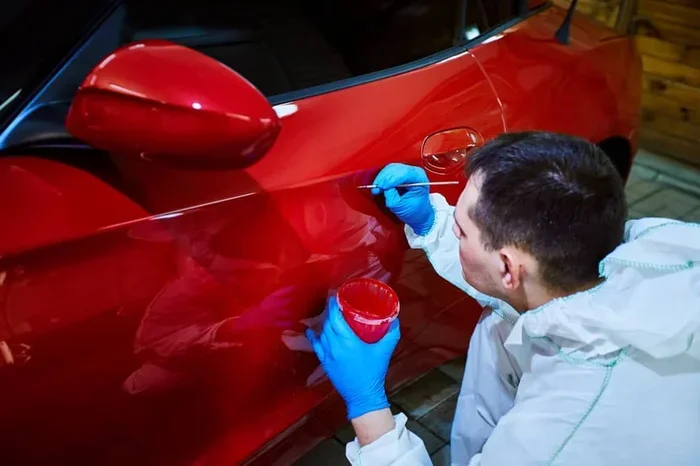
So, can I wash my car after touch-up paint? The answer depends on the type of paint, drying time, and weather conditions. Touch-up paint typically needs at least 24 to 48 hours to cure fully. Rushing the wash can ruin your repair and lead to paint damage. In this guide, you will learn everything about car paint cure time, safe washing practices, and expert tips to protect your finish.
Key Takeaways
- Wait 24-48 hours minimum: Most touch-up paints need full curing time before any water contact.
- Type of paint matters: Single-stage and clear-coat paints have different drying and curing timelines.
- Avoid high-pressure washes: Water pressure can peel away fresh touch-up paint before it sets.
- Use gentle washing techniques: Hand washing with pH-neutral soap is the safest method after a paint repair.
- Apply paint sealant later: Wait at least two weeks before applying any wax or sealant over touch-up areas.
- Weather plays a big role: Humidity, temperature, and direct sunlight all affect how quickly your paint cures.
- Test before you wash: Do a simple touch test to confirm the paint is fully dry before proceeding.
📑 Table of Contents
- Can I Wash My Car After Touch-Up Paint? Heres the Truth
- Why Timing Matters After Touch-Up Paint
- How Long to Wait Before Washing Your Car
- Safe Car Washing Techniques After Touch-Up Paint
- Protecting Your Touch-Up Paint Job
- Common Mistakes People Make After Touch-Up Paint
- Frequently Asked Questions
- Conclusion
Can I Wash My Car After Touch-Up Paint? Heres the Truth
You just finished applying touch-up paint to a scratch or chip on your car. It looks great. The color matches perfectly, and you feel proud of your automotive touch-up work. But now you are staring at your car wondering, “Can I wash my car after touch-up paint?”
Here is the truth. You should not rush it. Washing your car too soon after a paint repair can undo all your hard work. Fresh touch-up paint needs proper curing time before it can handle water, soap, and friction. In this guide, we will break down exactly how long to wait, why it matters, and how to wash your car safely without ruining the repair.
Whether you are a DIY enthusiast or just curious about car paint care, this article has you covered. We will cover drying times, safe washing techniques, common mistakes, and expert tips. By the end, you will know exactly when and how to wash your car after a touch-up job.
Why Timing Matters After Touch-Up Paint
Timing is everything when it comes to car paint repair. The paint you applied is not just drying. It is going through a chemical process called curing. During curing, the paint hardens and bonds to the surface. If you introduce water or friction too early, you can disrupt this process entirely.
Understanding the Curing Process
Touch-up paint goes through two main stages. The first stage is drying. This is when the solvent evaporates and the paint becomes dry to the touch. This usually takes about 30 minutes to a few hours. But drying is not the same as curing.
Curing is the second stage. During this phase, the paint reaches its full hardness and durability. Car paint cure time varies depending on the product. Most touch-up paints need at least 24 to 48 hours to fully cure. Some premium products may take up to a week. During this time, the paint is still vulnerable to water, dirt, and physical contact.
What Happens If You Wash Too Early?
If you wash your car before the paint has fully cured, several problems can occur. Water can seep under the fresh paint and cause bubbling or peeling. Soap residue can stick to the soft surface and leave marks. Friction from towels or sponges can scratch or smear the repair.
In short, washing too early can turn a small repair into a bigger problem. You may need to redo the entire touch-up. That is why patience is your best friend when it comes to paint correction and car maintenance.
How Long to Wait Before Washing Your Car
The short answer is 24 to 48 hours. But the real answer depends on several factors. Let us break it down so you can make the right call for your specific situation.
Touch-Up Paint Drying Time by Type
Different types of automotive paint have different touch-up paint drying time and curing requirements. Here is a quick look at the most common types:
- Single-stage paint: This type dries faster, usually within 1 to 2 hours. However, it still needs 24 hours of curing before washing.
- Clear-coat paint: This is the most common modern finish. It needs at least 24 to 48 hours to cure fully.
- Basecoat-clearcoat system: This two-part system requires the longest curing time. Wait at least 48 to 72 hours before any water contact.
Environmental Factors That Affect Curing
Weather and conditions play a huge role in car paint cure time. Here are the key factors to consider:
- Temperature: Ideal curing temperature is between 60°F and 80°F. Cold weather slows down curing significantly.
- Humidity: High humidity can extend drying and curing time. Avoid washing in foggy or damp conditions.
- Sunlight: Direct sunlight can speed up surface drying but may cause uneven curing. Park in the shade if possible.
- Airflow: Good ventilation helps solvents evaporate faster. A garage with airflow is better than a closed, damp space.
Quick Tips for Waiting the Right Amount of Time
- Always check the paint manufacturer’s instructions for specific cure times.
- Use the touch test. Gently press a clean finger on the paint. If it feels tacky or soft, it is not ready.
- Wait longer if the weather is cool, humid, or overcast.
- If possible, give your paint a full week before any aggressive cleaning.
Safe Car Washing Techniques After Touch-Up Paint
Once your touch-up paint has fully cured, you can wash your car. But even then, you need to be careful. The repaired area is still more vulnerable than the original factory paint. Here is how to wash safely.
Step-by-Step Safe Washing Guide
Follow these steps to clean your car without damaging the fresh repair:
- Rinse gently: Use a soft stream of water. Avoid high-pressure washers, especially near the touch-up area. High-pressure car wash can force water under the paint edges and cause lifting.
- Use pH-neutral soap: Harsh detergents can strip paint protectants and irritate fresh finishes. Choose a car wash soap designed for automotive paint.
- Wash by hand: Use a soft microfiber mitt or sponge. Avoid stiff brushes or abrasive pads. Work gently around the repaired area.
- Dry carefully: Use a clean, soft microfiber towel. Pat dry instead of rubbing. Do not drag the towel across the touch-up spot.
- Inspect the area: After drying, check the repaired section. Look for any lifting, bubbling, or smudging. If everything looks good, you are done.
What to Avoid During Car Wash
Even after curing, there are things you should avoid:
- Do not use automatic car washes with brushes. The friction can damage the repair.
- Do not apply any paint sealant or wax for at least two weeks after the touch-up.
- Do not use household cleaners like dish soap. They are too harsh for automotive finishes.
- Do not scrub the repaired area aggressively. Treat it with extra care.
Protecting Your Touch-Up Paint Job
Once your car is clean, you want to keep that car detailing after paint job looking great. Protecting the touch-up area is just as important as the initial repair. Here is how to maintain the finish.
When Can You Apply Wax or Sealant?
You should wait at least two weeks before applying any wax, ceramic coating, or paint sealant over the touch-up area. This gives the paint enough time to reach full hardness. Applying protection too early can trap solvents and cause cloudiness or adhesion problems.
Long-Term Paint Protection Tips
- Wash your car every two weeks to remove contaminants that can degrade paint.
- Park in the shade or use a car cover to protect against UV damage.
- Apply a quality wax or sealant to the entire car for uniform protection.
- Avoid parking near trees, construction sites, or areas with falling debris.
- Consider a paint protection film for high-impact areas like the hood, bumper, and mirrors.
How to Tell If Your Touch-Up Paint Is Cured
Here are a few simple tests to check if your automotive touch-up is fully cured:
- Touch test: Press your fingernail lightly on the paint. If it leaves an indent, it is not fully hardened.
- Color test: The paint should look fully matte and flat after curing. Any glossy spots may indicate incomplete curing.
- Adhesion test: Gently press a piece of masking tape on the paint and pull it off. If paint comes off, it needs more time.
Common Mistakes People Make After Touch-Up Paint
Many car owners make avoidable mistakes after a paint repair. These errors can compromise the finish and lead to costly fixes. Let us look at the most common ones.
Mistake 1: Washing Too Soon
This is the number one mistake. People get excited about their repair and wash the car within hours. As we discussed, this can ruin the curing process. Always wait at least 24 to 48 hours.
Mistake 2: Using the Wrong Products
Some people use household cleaners or rough towels on the fresh paint. These products are not designed for automotive surfaces. They can cause oxidation, staining, or scratching. Always use products made for car paint.
Mistake 3: Skipping Surface Preparation
Before applying touch-up paint, proper car surface preparation is critical. Skipping steps like cleaning, sanding, or priming can lead to poor adhesion. The repair may look fine at first but can fail quickly.
Mistake 4: Ignoring Weather Conditions
Applying or washing your car in extreme weather is a bad idea. Cold, rain, or high humidity can all interfere with curing. Always check the forecast before starting any paint work or car wash.
Expert Insight on Avoiding Common Errors
Professional detailers recommend taking your time and following the manufacturer’s guidelines. “Patience is the most underrated tool in car care,” says one experienced technician. “Let the paint do its job before you ask it to do yours.”
Frequently Asked Questions
How long should I wait to wash my car after touch-up paint?
You should wait at least 24 to 48 hours before washing your car. Car paint cure time varies depending on the paint type and weather conditions. Always check the manufacturer’s recommendations for the best results.
Can I use an automatic car wash after touch-up paint?
It is best to avoid automatic car washes for at least one week after a touch-up. The brushes and high-pressure water can damage the fresh repair. Hand washing with gentle soap and a microfiber mitt is much safer.
What happens if I wash my car too soon after touch-up?
Washing too soon can cause the paint to bubble, peel, or smear. Water can seep under the fresh layer and weaken adhesion. You may need to redo the entire repair if this happens.
How can I tell if my touch-up paint is fully dry?
Use the touch test. Press your fingernail on the paint gently. If it leaves a mark, it is still drying. The paint should also look flat and matte when fully cured. Avoid any water contact until it passes these checks.
Is it safe to wax over touch-up paint?
You can wax over touch-up paint, but wait at least two weeks. This ensures the paint has fully hardened. Applying wax too early can trap moisture and cause cloudiness or peeling around the repair area.
Does temperature affect touch-up paint drying time?
Yes, temperature has a big impact. The ideal range is 60°F to 80°F. Cold temperatures slow curing significantly. Hot temperatures can cause surface drying before the paint has cured underneath. Always aim for moderate conditions.
Conclusion
So, can I wash my car after touch-up paint? The truth is simple. You need to wait. Touch-up paint needs proper curing time, usually 24 to 48 hours or more. Washing too early can lead to peeling, bubbling, and a ruined repair. By following the right timeline and safe washing techniques, you can protect your automotive touch-up and keep your car looking its best.
Remember to be patient, use gentle cleaning methods, and avoid common mistakes. Protect your paint with proper car paint care and long-term maintenance. Your car deserves the best treatment, and now you know exactly how to give it.
Take your time, follow these tips, and enjoy a flawless finish. Your next car wash will be safe, effective, and worry-free. Happy detailing!