Can You Shoot Someone Stealing Your Car And Go To Jail
Can you shoot someone stealing your car? The answer is complicated. While your instinct may be to protect your property, using deadly force against a car thief can lead to serious legal consequences, including criminal charges and jail time. This article breaks down the self-defense laws, your rights, and smarter ways to protect your vehicle.
Key Takeaways
- Deadly force is rarely justified: Shooting a car thief is generally not legal unless your life is in immediate danger.
- Self-defense laws vary by state: Castle doctrine and stand your ground laws have strict conditions that must be met.
- Legal consequences are severe: You could face criminal charges, lawsuits, and jail time even if you were “right.”
- Better options exist: GPS trackers, alarms, and steering wheel locks are far more effective and legal.
- Your safety comes first: No property is worth risking your life or freedom over.
- Call the police: Reporting the theft promptly is always the best course of action.
- Consult a lawyer: If you’ve been involved in such an incident, seek legal counsel immediately.
📑 Table of Contents
- Can You Shoot Someone Stealing Your Car? The Hard Truth You Need to Know
- Understanding Self-Defense Laws in the US
- Can You Shoot Someone Stealing Your Car? The Legal Reality
- The Legal Consequences of Shooting a Car Thief
- When Can You Legally Use Force to Protect Your Vehicle?
- Smarter Ways to Protect Your Vehicle Without Breaking the Law
- What to Do If Your Car Is Being Stolen Right Now
- Expert Insights on Car Theft and Self-Defense
- Common Mistakes People Make During Vehicle Theft
- Key Takeaways
- Conclusion
Can You Shoot Someone Stealing Your Car? The Hard Truth You Need to Know
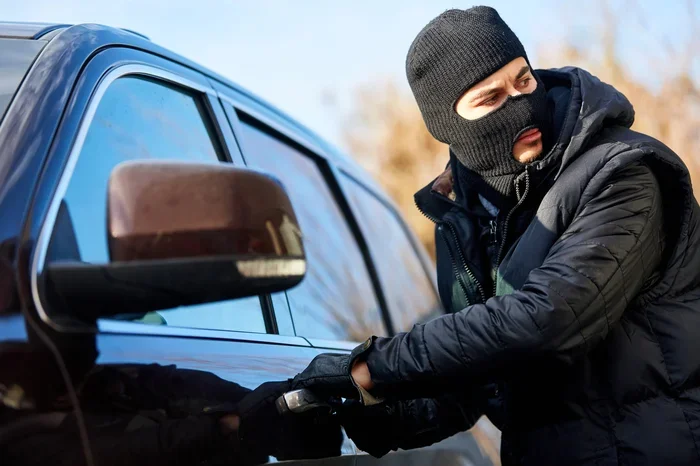
Imagine this. You step outside in the middle of the night. You see someone climbing into your car. Your heart races. Your hand reaches for something inside the house. The big question hits you hard: can you shoot someone stealing your car?
It is a natural reaction. You feel threatened. You feel angry. Your car is probably one of your most valuable possessions. But before you act, you need to understand something critical. The law does not always side with the property owner. In many cases, shooting a car thief can land you in prison, not them.
This article breaks down everything you need to know. We cover self-defense laws, legal consequences, your rights, and what you should actually do instead. Let us get into it.
Understanding Self-Defense Laws in the US
Self-defense is one of the oldest legal defenses in American law. But here is the thing most people get wrong. Self-defense is not a free pass. It has strict rules. And those rules change depending on your state.
The Basics of Self-Defense
At its core, self-defense means you can use reasonable force to protect yourself from harm. The key phrase here is reasonable force. This means the force you use must match the threat you face. If someone is grabbing your arm, you can push them. You cannot pull out a gun.
Now, when it comes to property, the rules get even tighter. Most states draw a clear line between protecting your body and protecting your things. Your life always matters more than your car. Period.
Castle Doctrine Explained
The castle doctrine is a legal principle that gives homeowners more rights to defend their property. It essentially says your home is your castle. In many states, this means you can use deadly force against an intruder in your home without a duty to retreat.
But here is where people get confused. The castle doctrine typically applies to your home. It does not usually extend to your car, your yard, or your driveway. Some states have expanded it slightly. But a car parked on the street? That is a different story entirely.
Only a handful of states allow castle doctrine protections in vehicles. Even then, there are conditions. The vehicle must be locked. The thief must be posing a direct threat to you. Simply seeing someone steal your car does not qualify.
Stand Your Ground Laws
Stand your ground laws remove the duty to retreat before using force. These exist in about 30 states. They sound powerful on paper. But they still require that you face an imminent threat of death or serious bodily harm.
A car thief running away with your vehicle? That is not an imminent threat to your life. Even in a stand your ground state, you would likely not meet the legal threshold to use deadly force in that situation.
Can You Shoot Someone Stealing Your Car? The Legal Reality
Let us cut to the chase. In most situations, the answer is no. You cannot legally shoot someone who is stealing your car. Here is why.
Why Deadly Force Is Usually Not Justified
Car theft, even at gunpoint, rarely involves a direct threat to your life. The law distinguishes between property crimes and violent crimes. Stealing a car is a property crime. Even if the thief threatens you during the act, you must prove that you feared for your life or serious injury.
Consider this. A thief jumps into your car and drives off. You are standing on the sidewalk. You are not being held at gunpoint. You are not being dragged into the vehicle. In this scenario, shooting the thief would almost certainly be considered excessive force.
Now, what if the thief points a weapon at you? What if they try to drag you into the car? Those situations change everything. That is when self-defense might apply. But simple car theft? No. The law does not work that way.
The Difference Between Car Theft and Carjacking
This is a critical distinction. Carjacking involves force or threats during a vehicle theft. It is a violent crime. Carjackers often use weapons. They may threaten the owner’s life.
If you are being carjacked at knifepoint or gunpoint, you have a much stronger case for using defensive force. Your life is directly in danger. But even then, you should try to escape first if possible. Only use force as a last resort.
Regular car theft, where someone just hops in and drives away, is a completely different situation. The thief is not targeting you personally. They are targeting your property. And the law protects people, not parking spots.
The Legal Consequences of Shooting a Car Thief
So what happens if you shoot someone stealing your car? The short answer is: trouble. Lots of it. Let us walk through the potential outcomes.
Criminal Charges You Could Face
Depending on your state and the circumstances, you could face several serious charges:
- Assault with a deadly weapon — Using a firearm during the incident can elevate charges significantly.
- Manslaughter or murder — If the thief dies, you could face homicide charges. Prosecutors will argue whether the force was justified.
- Illegal use of firearms — Even if you own the gun legally, using it in this context may violate state or federal laws.
- Reckless endangerment — If bystanders were nearby, you could be charged for putting others at risk.
These are not minor offenses. They carry penalties that include prison time, heavy fines, and a permanent criminal record. You could go from being a victim to being a defendant. That is a hard pill to swallow.
Civil Lawsuits and Financial Liability
Criminal charges are not the only problem. The thief — or their family — can sue you. This is called a civil lawsuit. Even if you are found not guilty in criminal court, you can still be held liable in civil court.
The standard of proof is lower in civil cases. In criminal court, the prosecution must prove guilt beyond a reasonable doubt. In civil court, the plaintiff only needs to show that you were likely at fault. So you could end up paying millions in damages even if you “won” the criminal case.
Think about that. You shot someone. They survived. Now they are suing you for medical bills, pain, and suffering. Your car is still stolen. You have lost your vehicle and possibly your financial stability. It is a nightmare scenario.
Jail Time and Sentencing
Going to jail is a very real possibility. Sentences vary widely. A non-lethal shooting could result in a few years in prison. A fatal shooting could result in decades. Mandatory minimum sentences in some states make the outcome even worse.
Judges also consider whether you showed remorse, whether you called for help, and whether you tried to de-escalate. If you simply opened fire without attempting any other option, expect the harshest possible outcome.
When Can You Legally Use Force to Protect Your Vehicle?
While the general answer is negative, there are narrow situations where force might be legally defensible. Let us look at those exceptions carefully.
Imminent Threat to Your Life
If someone is threatening your life during the theft, you may have legal grounds for self-defense. This includes situations where:
- The thief pulls out a weapon and points it at you.
- The thief tries to physically drag you into the vehicle.
- The thief is attacking you with fists, blades, or other tools in a way that could cause serious harm.
In these cases, your right to self-defense kicks in. But you still need to prove that you had a reasonable fear of death or serious injury. And you should still try to retreat or escape if it is safe to do so.
Defending Others
If you see someone being carjacked at knifepoint, you might be able to intervene with force. Defending another person follows similar rules to self-defense. The threat must be real and imminent. The force used must be proportional to the danger.
This is one of the few scenarios where shooting might be legally defensible during a vehicle-related crime. But again, it is a gray area. You need solid legal representation afterward.
Duty to Retreat vs. Stand Your Ground
Some states require you to retreat before using force. This is called the duty to retreat. If you can safely walk away or escape, you must do so before resorting to any physical confrontation.
In stand your ground states, you do not need to retreat. But that does not mean you can use force freely. The threat still must be imminent and serious. Stand your ground does not give you a license to shoot people over property.
Smarter Ways to Protect Your Vehicle Without Breaking the Law
Here is the good news. You do not need a gun to protect your car. There are much better, safer, and completely legal ways to deter theft. Let us look at the most effective options.
GPS Trackers
A GPS tracker is one of the best investments you can make for your vehicle. These small devices attach to the inside of your car. If it gets stolen, you can track its location in real time using your phone.
Many GPS trackers send instant alerts when your car moves. Some work even if the thief disables the battery. Popular options include Apple AirTag, LandAirSea Overdrive, and Optimus 2.0. These devices help police recover your vehicle quickly.
Steering Wheel Locks
A visible steering wheel lock is a strong deterrent. Thieves want easy targets. A big, bright lock on the wheel signals that your car is not an easy mark. The Club makes some of the most recognized models on the market.
These locks are affordable. They are simple to use. And they add a strong layer of protection without any legal risk whatsoever.
Car Alarms and Anti-Theft Systems
Modern car alarms do more than make noise. Many systems send alerts to your phone. Some immobilize the engine. Some even track your vehicle through built-in GPS.
If your car has a factory alarm, make sure it is activated. If not, consider installing an aftermarket system. Look for features like:
- Remote start with security features
- Glass break sensors
- Motion detectors that sense someone inside the car
- Two-way communication with your phone
Parking Strategies
Sometimes the best defense is common sense. Park in well-lit areas. Choose garages over street parking. Avoid dark alleys and isolated spots. The less visible your car is to potential thieves, the safer it stays.
Also, never leave valuables in plain sight. A laptop on the passenger seat is an open invitation. Take your stuff with you or hide it out of view.
Vehicle Identification Technology
Many modern vehicles come with advanced anti-theft technology. Keyless entry systems, immobilizers, and VIN etching make cars harder to steal. If you are buying a new car, prioritize models with strong security features.
For older vehicles, aftermarket immobilizers can be installed. These prevent the engine from starting without the correct key or fob. It is a simple but effective upgrade.
What to Do If Your Car Is Being Stolen Right Now
Panic is natural. But acting impulsively can make everything worse. Here is what you should actually do if you witness your car being stolen.
Step 1: Stay Calm and Assess the Situation
Take a breath. Your car can be replaced. Your life cannot. Do not rush toward the vehicle. Do not confront the thief. Your safety is always the number one priority.
Step 2: Call 911 Immediately
Report the theft as soon as possible. Give the police the following details:
- Your location and the location of the theft
- The thief’s physical description
- The direction the car is heading, if known
- Your vehicle’s make, model, color, and license plate number
- Any identifying features like bumper stickers or damage
The faster you report it, the faster police can respond. Many departments treat vehicle theft as a priority, especially if it just happened.
Step 3: Do Not Chase
This is crucial. Do not chase the thief. A high-speed chase puts you and others at risk. It also gives the police a harder time apprehending the suspect. Let the professionals handle it.
Step 4: Activate Your GPS Tracker
If you have a GPS tracker, start monitoring the vehicle’s location. Share the real-time data with the police. This can dramatically speed up recovery.
Step 5: Document Everything
After the incident, gather evidence. Take photos of your car. Write down everything you remember. Note the time, weather conditions, and any details about the thief. This information will be valuable for insurance claims and police reports.
Expert Insights on Car Theft and Self-Defense
We spoke with legal experts and law enforcement professionals to get their take on this issue. Here is what they want you to know.
What Lawyers Say
Most attorneys advise against using any force during a property crime. “You are opening yourself up to a world of legal problems,” says one criminal defense lawyer. “The thief has rights. Even a thief. And using deadly force over a car almost never ends well for the property owner.”
Lawyers also emphasize the importance of de-escalation. Talking to the thief, even in a firm tone, can sometimes prevent the situation from escalating. Yelling “Stop!” or “Call the police!” may be enough to scare the thief away.
What Law Enforcement Says
Police officers consistently advise against confronting car thieves. “We would rather respond to a stolen car report than a shooting,” one retired officer shared. “Your property is not worth someone getting hurt. Or someone going to prison.”
Officers also recommend investing in prevention. “The best theft deterrent is making your car hard to steal in the first place,” they say. “Locks, alarms, trackers. That is where your energy should go.”
Common Mistakes People Make During Vehicle Theft
People make mistakes in the heat of the moment. Here are the most common ones to avoid:
- Confronting the thief physically: This can escalate the situation quickly. You could get hurt or injured.
- Displaying a weapon: Even if you are legally allowed to carry, pulling out a gun during a property crime can be seen as aggressive and premeditated.
- Chasing on foot or by vehicle: This is dangerous and rarely effective. It also complicates the legal aftermath.
- Assuming the castle doctrine applies: It does not cover your car in most states. Do not bet your freedom on a misunderstanding.
- Not reporting to police promptly: A delayed report can weaken your case and slow down recovery.
- Posting details on social media: Sharing the incident publicly can compromise the investigation and alert the thief.
Key Takeaways
Let us wrap up the most important points to remember:
- Can you shoot someone stealing your car? In most cases, no. It is not legally justified and can lead to severe consequences.
- Self-defense laws protect people, not property. Your right to use force is tied to threats against your body, not your car.
- The legal consequences are brutal. Criminal charges, civil lawsuits, and jail time are all real possibilities.
- Better alternatives exist. GPS trackers, alarms, steering wheel locks, and smart parking are safer and more effective.
- Always call 911 first. Let the police handle it. Your job is to stay safe and provide accurate information.
- Never chase or confront. Your life is worth more than any vehicle. Period.
- Consult a lawyer if you are involved in any incident. Legal counsel is essential if force was used during a theft situation.
Conclusion
So, can you shoot someone stealing your car and not go to jail? For most people, in most situations, the honest answer is no. The law does not support using deadly force over a stolen vehicle. Even if you believe you were in the right, the legal system is complex, and the consequences can be devastating.
Your car is important. It gets you to work. It takes your family on road trips. It is part of your daily life. But it is still just a thing. No possession is worth your freedom or your life.
Instead of thinking about how to shoot a thief, focus on preventing the theft in the first place. Invest in security. Park smart. Install trackers. Use common sense. And if a theft happens, stay calm, call the police, and let them do their job.
Protect yourself. Protect your family. And leave the justice to the system. That is the safest and smartest path forward.
Frequently Asked Questions
Can I legally shoot someone stealing my car in my driveway?
In most states, the castle doctrine applies to your home, not your driveway or car. Even if the theft happens on your property, shooting a car thief is still likely illegal unless your life is in immediate danger. Some states have expanded castle doctrine protections slightly, but property crimes generally do not justify deadly force. Always check your specific state laws before making any assumptions.
What happens if I shoot a car thief and they survive?
If the thief survives, you could still face serious criminal charges. These may include assault with a deadly weapon, reckless endangerment, and illegal use of firearms. The thief or their family can also file a civil lawsuit against you for damages, medical bills, and pain and suffering. You may end up paying significant financial damages even if no criminal conviction occurs. Contact a defense attorney immediately if this happens.
Does stand your ground law protect me if I shoot a car thief?
Stand your ground laws do not give you permission to use deadly force over property. These laws remove the duty to retreat, but you still must face an imminent threat of death or serious bodily harm. A thief stealing your car is not typically posing that kind of threat. Stand your ground protections are narrow and specific. They do not apply to simple property theft situations in most cases.
What is the best way to protect my car from theft?
The most effective and legal methods include installing a GPS tracker, using a steering wheel lock, activating your car alarm, and parking in well-lit areas. Modern anti-theft technology like immobilizers and keyless entry systems also help significantly. These prevention tools are far better than any reactive measure. They protect your vehicle without putting your freedom or safety at risk. Prevention is always better than confrontation.
Is carjacking treated differently from regular car theft under the law?
Yes, carjacking is treated as a violent crime because it involves force or threats against a person. Regular car theft is a property crime. If you are being carjacked and face an imminent threat to your life, self-defense laws may apply. This is one of the few situations where using force might be legally justified during a vehicle-related incident. However, you should still try to escape or de-escalate before resorting to any physical response.
Should I confront a car thief to protect my property?
No. Experts including lawyers and law enforcement strongly advise against confronting a car thief. Your safety is always more important than your vehicle. Confrontation can escalate the situation quickly and put you at risk of physical harm. It can also lead to legal problems for you. Instead, call 911, report the theft, provide accurate details, and let the police handle the situation safely and professionally.