Can You Turn Off the Seatbelt Noise Once and For All
Yes, you can turn off the seatbelt noise using several safe and practical methods. Whether your seatbelt warning system won’t stop beeping or the chime drives you crazy on short drives, this guide covers seatbelt noise removal techniques that work for most car brands. We’ll walk you through disabling the seatbelt sound the right way without compromising safety.
Key Takeaways
- Understand the system first: The seatbelt warning system uses sensors and buzzers to remind you to buckle up. Knowing how it works helps you fix the problem correctly.
- Seatbelt switches exist: Many cars have a hidden switch or button that can turn off the seatbelt chime without disabling the entire system.
- DIY methods work but carry risks: Simple fixes like seatbelt sensor reset or adjusting the buckle position can stop the beeping, but improper methods may cause issues.
- Some methods are not legal everywhere: Tampering with seatbelt warning systems may violate road safety laws in certain regions. Always check your local regulations.
- Professional help is available: If DIY fixes fail, a certified mechanic or car audio technician can help disable the seatbelt sound safely.
- Seatbelt noise varies by car brand: Toyota, Honda, Ford, and European brands each have different approaches to their seatbelt reminder systems.
- Safety should come first: Always weigh the convenience of turning off the noise against the life-saving benefits of wearing your seatbelt.
📑 Table of Contents
- Can You Turn Off the Seatbelt Noise? Here’s What You Need to Know
- Why Does Your Seatbelt Make Noise?
- Can You Turn Off the Seatbelt Noise? Safe and Legal Methods
- DIY Methods to Disable the Seatbelt Beeping
- Seatbelt Noise Solutions by Car Brand
- When to See a Professional
- Keeping Your Seatbelt Warning System Safe
- Conclusion
Can You Turn Off the Seatbelt Noise? Here’s What You Need to Know
That constant seatbelt beeping is one of the most annoying sounds in any car. You’re just driving to the corner store. You’re not going far. But the moment you start the engine, the seatbelt noise begins. It won’t stop. It beeps. It chimes. It flashes a warning light on your dashboard. And it drives you absolutely crazy.
Can you turn off the seatbelt noise? The short answer is yes. But the real question is: should you? And more importantly, how do you do it without breaking anything or putting yourself at risk? This guide covers everything you need to know about disabling the seatbelt sound, from simple fixes to professional solutions.
We’ll explore why your car makes the seatbelt warning noise in the first place. You’ll learn about seatbelt switches, sensor resets, and brand-specific tricks. We’ll also talk about when to see a professional and what mistakes to avoid. By the end, you’ll have a clear plan to turn off the seatbelt noise for good.
Why Does Your Seatbelt Make Noise?
Before you try to fix the problem, it helps to understand it. Your car’s seatbelt warning system is not just a random annoyance. It is a carefully designed safety feature. The system uses sensors, wiring, and a buzzer or chime to remind you and your passengers to buckle up. When something goes wrong with this system, the noise can become a permanent headache.
How the Seatbelt Warning System Works
Every modern car has a seatbelt warning system. Here is a simple breakdown of how it works:
- Seatbelt buckle switch: When you click your seatbelt into place, a small switch inside the buckle sends a signal to the car’s computer. This tells the system that the seatbelt is fastened.
- Seatbelt sensor: A sensor detects whether the belt is latched properly. If the switch does not register a “closed” signal, the system assumes the belt is unbuckled.
- Warning chime: The car’s audio system triggers a beeping sound or voice message. This is the seatbelt chime you hear. It usually lasts for a few seconds or continues until the belt is buckled.
- Dashboard indicator: A warning light on your dashboard also flashes. This is the seatbelt indicator. It serves as a visual reminder alongside the audible alarm.
- Seatbelt reminder timer: Some cars run the seatbelt beeping on a timer. They beep for a set period and then pause. But if the sensor still shows the belt is unbuckled, the cycle starts again.
The entire process happens in milliseconds. It is a smart system. But sometimes, the system gets confused. And that is when the trouble starts.
Common Triggers for the Seatbelt Alarm
Why does your car keep beeping even when your seatbelt is buckled? Several common issues can trigger a false seatbelt alarm:
- Dirty or corroded seatbelt buckle: Dirt, dust, or rust inside the buckle can prevent the switch from making proper contact. The car thinks the belt is unbuckled even though it is latched.
- Loose seatbelt connection: If the seatbelt is not fully seated in the buckle, the sensor may not detect it. A slight click or shift while driving can cause this.
- Faulty seatbelt sensor: Over time, the sensor itself can wear out or malfunction. A bad sensor sends incorrect signals to the car’s computer.
- Seatbelt not fully retracted: Sometimes the seatbelt hangs partially out of the retractor. This can confuse the system and trigger the seatbelt beeping.
- Passenger seat sensor issues: Many cars have a sensor on the passenger seat as well. If an object sits on the passenger seat, the system may think someone is there who needs to be buckled up.
- Aftermarket seatbelt or buckle installation: If someone installed a new seatbelt or buckle and it does not match the original equipment, the system may not recognize it.
- Wiring problems: Damaged or loose wiring between the buckle and the car’s computer can send false signals. This is less common but can happen in older vehicles.
Now that you know what causes the problem, let’s talk about solutions.
Can You Turn Off the Seatbelt Noise? Safe and Legal Methods
Let’s get right to it. Can you turn off the seatbelt noise? Yes, there are several methods. Some are simple. Some require more effort. But all of them focus on either fixing the underlying issue or using built-in controls to silence the seatbelt warning.
Using a Seatbelt Switch to Silence the Beeping
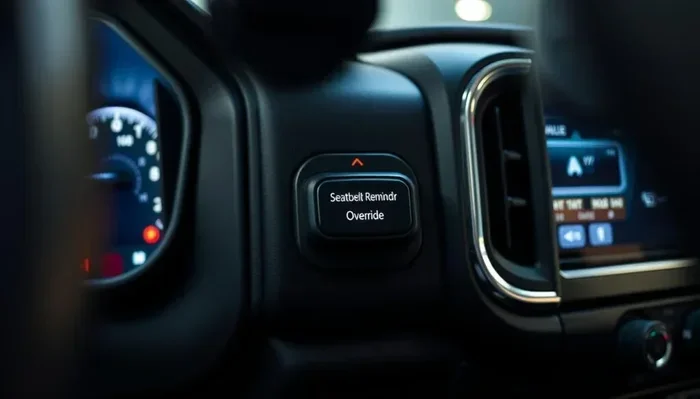
Many cars come with a hidden seatbelt switch. This is a small button or toggle that lets you turn off the seatbelt chime without disconnecting anything. Not every car has one, but many do. Here is how to find and use it:
- Check the center console: Look near the gear shifter, the handbrake, or the 12-volt outlet. Some manufacturers hide the seatbelt switch in these areas.
- Look under the dashboard: On some cars, the switch is located under the steering column or near the driver’s knee area. You may need to remove a plastic cover to access it.
- Inspect the seatbelt buckle: A few car models place the switch directly on or near the seatbelt buckle. It might be a tiny button next to the latch.
- Press and hold: In most cars, you simply press and hold the seatbelt switch for a few seconds. The seatbelt noise will stop. Some models require you to press it while the car is in a specific mode, like ignition on but engine off.
Quick Tip: Check your owner’s manual first. Search for “seatbelt warning” or “seatbelt switch.” The manual will tell you exactly where the switch is located and how to use it. This is the safest and easiest way to disable the seatbelt sound on most vehicles.
Resetting the Seatbelt Sensor
If your seatbelt keeps beeping because of a sensor issue, a reset might fix it. A seatbelt sensor reset clears the error and re-calibrates the system. Here is a general process that works for many car brands:
- Start by fully buckling and unbuckling your seatbelt five times slowly. This helps clean the contact points inside the buckle and resets the switch.
- Turn your ignition to the “on” position without starting the engine. Wait for the dashboard lights to come on fully.
- Buckling your seatbelt and wait for the warning light to turn off. Then unbuckle and wait a few seconds.
- Repeat this cycle three times. The car’s computer should re-register the seatbelt as properly connected.
- Start the engine and check if the seatbelt beeping has stopped.
This method works well when the problem is a minor sensor glitch. It is simple, free, and takes less than two minutes. If the beeping continues, you may need to move on to other methods.
Cleaning the Seatbelt Buckle and Sensor
Sometimes the fix is as simple as cleaning. A dirty seatbelt buckle is one of the most common reasons for seatbelt warning problems. Here is how to clean it:
- Remove any debris, crumbs, or dust from inside the seatbelt buckle. Use a small brush or compressed air.
- Spray a small amount of electrical contact cleaner inside the buckle. This removes corrosion and grime from the contact points.
- Move the seatbelt latch up and down several times to work the cleaner into the switch.
- Wipe the area clean with a dry cloth.
- Buckling and unbuckling the seatbelt a few times to test the connection.
You would be surprised how often this simple fix stops the seatbelt noise. It costs nothing and takes just a few minutes.
DIY Methods to Disable the Seatbelt Beeping
If the basic fixes above do not work, you might want to try a more direct approach. These DIY methods can silence the seatbelt beeping for good. But proceed with caution. Some of these methods may affect your car’s warranty or violate local traffic laws.
Quick Tips for Stopping the Seatbelt Chime
- Adjust the seatbelt position: Sometimes simply repositioning the seatbelt in the buckle stops the noise. Push it in firmly until you hear a solid click. Make sure the belt is not twisted or hanging loose.
- Remove objects from the passenger seat: If your car thinks there is a passenger who needs to buckle up, remove any bags or items from the seat. The pressure sensor may be triggering the seatbelt alarm.
- Check all seatbelts in the car: The warning system monitors every seatbelt. One unbuckled belt in the back seat can trigger the seatbelt chime even if you are buckled up in the front. Walk around and check every belt.
- Buckle the seatbelt slowly: Some sensors require a slow, deliberate click to register. Slamming the buckle in too fast can sometimes fail to trigger the switch properly.
- Use a seatbelt extender with care: Seatbelt extenders change the buckle geometry. They can sometimes interfere with the sensor. If you use one, make sure it is compatible with your car model.
Common Mistakes to Avoid
When trying to turn off the seatbelt noise, people make some common mistakes. Avoid these to protect your car and yourself:
- Do not cut the seatbelt wiring: Some people think cutting the wire to the buzzer is a quick fix. This is dangerous. It can damage the car’s electrical system and create fire risks. It also makes your car unsafe.
- Do not remove the seatbelt buckle entirely: Taking out the buckle to stop the noise defeats the entire purpose of the seatbelt. You need that buckle in a crash.
- Do not use a fake seatbelt weight: Some people place a weight on the passenger seat to trick the sensor. This is illegal in many places. It can also cause the airbag system to malfunction.
- Do not ignore dashboard warnings: If your seatbelt indicator stays on after you try to fix the noise, there may be a deeper problem. Ignoring it can lead to bigger issues down the road.
- Do not modify the system on a leased vehicle: If you lease your car, any modification to the seatbelt warning system could violate your lease agreement. Always check before making changes.
Seatbelt Noise Solutions by Car Brand
Not all cars are the same. Different manufacturers use different approaches to their seatbelt reminder systems. Knowing your car brand can help you find the right fix faster.
Toyota and Honda Approaches
Toyota and Honda vehicles often have a seatbelt switch built into the buckle assembly. For many Toyota models, pressing the small button on the seatbelt buckle while the ignition is on will disable the seatbelt chime. Honda vehicles sometimes require you to access the switch through the driver’s side kick panel. Both brands respond well to a seatbelt sensor reset if the issue is a false trigger.
Ford and GM Methods
Ford and General Motors vehicles often use a more complex seatbelt warning system. Ford vehicles may have a seatbelt warning module that can be reprogrammed by a dealer. GM cars sometimes allow you to disable the seatbelt beeping through the infotainment system settings. Check your car’s settings menu for “seatbelt alert” or “driver alerts.”
European Cars: BMW, Mercedes, Audi
European luxury cars tend to have the most persistent seatbelt noise. They also have the most sophisticated systems. BMW and Mercedes often require a diagnostic tool to access seatbelt warning settings. Audi vehicles sometimes allow you to turn off the seatbelt chime through the vehicle settings on the MMI or infotainment screen. However, some European cars tie the seatbelt warning to the airbag system. Disabling it may also affect airbag functionality. Proceed carefully with these vehicles.
| Car Brand | Common Fix | Difficulty Level |
|---|---|---|
| Toyota | Seatbelt buckle switch | Easy |
| Honda | Kick panel switch or reset | Easy to Medium |
| Ford | Warning module reprogramming | Medium |
| GM | Infotainment settings | Easy |
| BMW | Diagnostic tool required | Hard |
| Mercedes | Diagnostic tool required | Hard |
| Audi | MMI settings or dealer reset | Medium |
When to See a Professional
There is no shame in asking for help. Some seatbelt noise problems are beyond simple DIY fixes. Knowing when to call in a professional saves you time, money, and frustration.
Signs You Need Expert Help
- The seatbelt beeping continues after trying all DIY methods: If resetting, cleaning, and switching have not worked, there may be a deeper electrical issue. A certified mechanic can diagnose the problem with specialized tools.
- The seatbelt warning light stays on constantly: A persistent dashboard light suggests a fault in the seatbelt system. This could be a wiring issue, a bad sensor, or a control module failure.
- The noise sounds different: If your seatbelt alarm sounds like grinding, buzzing, or clicking instead of the normal chime, something mechanical may be wrong. This needs professional attention.
- The seatbelt does not retract properly: If the belt is stuck, jammed, or does not go back in smoothly, the retractor mechanism may need replacement. This is a job for a trained technician.
- You want a permanent, clean solution: If you want to disable the seatbelt sound the right way without risking damage, a professional can do it cleanly. They know the wiring, the modules, and the legal requirements.
When you visit a professional, ask for a full seatbelt system inspection. A good mechanic will check the buckle switch, the wiring, the sensor, and the control module. They can then recommend the best fix for your specific situation.
Keeping Your Seatbelt Warning System Safe
Here is the most important part of this entire discussion. The seatbelt warning system exists for a reason. It saves lives. Every year, thousands of people die in car crashes because they were not wearing a seatbelt. The beeping, the chime, the flashing light, they are all there to remind you to buckle up.
Expert Insights on Seatbelt Safety
Safety experts and automotive engineers strongly advise against permanently disabling the seatbelt alarm. The National Highway Traffic Safety Administration (NHTSA) reports that seatbelts reduce the risk of fatal injury by nearly 50 percent for front-seat passengers. The warning system is not just a nuisance. It is a critical layer of protection.
That said, there is a difference between a temporary silence and a permanent disable. If you are on a long road trip and the seatbelt chime is wearing on your nerves, turning it off for a while is understandable. Just remember to turn it back on when you are done. If you are dealing with a faulty sensor that won’t stop beeping, fixing the root cause is always better than simply muting the sound.
Quick Tip: If your car allows you to turn off the seatbelt noise with a switch, make it a habit to re-enable it after short trips. You might forget, and that habit could save your life someday.
Key Takeaways
Let’s wrap up everything we have covered. Here are the most important things to remember about turning off the seatbelt noise:
- Start with the basics: Clean the buckle, reset the sensor, and check all seatbelts before trying anything more involved.
- Use built-in switches: Many cars have a seatbelt switch designed to silence the chime. Find yours and use it correctly.
- Know your car brand’s approach: Different manufacturers handle the seatbelt warning differently. Your owner’s manual is your best friend.
- Avoid risky DIY methods: Cutting wires, removing buckles, or using fake weights can cause serious safety and legal problems.
- Consult a professional when needed: If simple fixes fail, a certified mechanic can diagnose and repair the issue properly.
- Never compromise safety: The seatbelt warning system is there to protect you. Always think twice before permanently disabling it.
- Stay informed about local laws: Tampering with safety systems may be illegal in your area. Know the rules before you make any changes.
Conclusion
So, can you turn off the seatbelt noise? Absolutely. Whether it is a simple seatbelt sensor reset, finding a hidden switch, or getting professional help, there are effective ways to silence that annoying seatbelt beeping. The key is to approach the problem carefully and intelligently.
Remember that the seatbelt warning system is one of the most important safety features in your car. It was designed to protect you and your loved ones. If you must disable the seatbelt sound, do it the right way. Fix the root cause whenever possible. Use built-in controls when available. And never compromise your safety for a few minutes of quiet.
We hope this guide has given you the knowledge and confidence to tackle the seatbelt noise problem head-on. Try the simple fixes first. Move to advanced methods only if needed. And when all else fails, trust the professionals. Your seatbelt is your best friend on the road. Treat it with respect, and it will keep you safe every single time.
Frequently Asked Questions
How do I turn off the seatbelt noise permanently?
The safest way to permanently silence the seatbelt beeping is to fix the underlying issue. Clean the seatbelt buckle, perform a sensor reset, or use a built-in seatbelt switch if your car has one. If these do not work, consult a certified mechanic for a professional diagnosis and repair.
Is it legal to disable the seatbelt warning sound?
It depends on where you live. In many places, tampering with the seatbelt warning system violates road safety laws. Some states and countries require the system to be fully functional. Always check your local traffic regulations before making any changes to your car’s seatbelt warning system.
Why does my seatbelt keep beeping even when it’s buckled?
This is usually caused by a dirty or corroded seatbelt buckle, a faulty seatbelt sensor, or a loose connection. The car’s system thinks the belt is unbuckled because the switch is not registering properly. Cleaning the buckle and performing a sensor reset often solves this problem.
Can I turn off the seatbelt noise on a Toyota or Honda?
Yes. Many Toyota and Honda vehicles have a small seatbelt switch built into the buckle or located on the dashboard area. Check your owner’s manual for the exact location. In most cases, pressing and holding the switch for a few seconds will silence the seatbelt chime.
Will disconnecting the seatbelt sensor affect my airbags?
In some cars, yes. The seatbelt warning system and the airbag system are often connected through the same control module. Disabling one can affect the other. This is especially common in European and luxury vehicles. Always consult a professional before disconnecting any safety-related components.
What is the easiest way to stop the seatbelt chime quickly?
The quickest method is to find and press the seatbelt switch if your car has one. If not, try fully unbuckling and rebuckling the seatbelt a few times to reset the sensor. Removing any objects from the passenger seat and checking all seatbelts in the car can also stop the chime immediately.