Can You Wash Your Car Too Much And Ruin The Clear Coat
Can You Wash Your Car Too Much? The short answer is yes. Washing your car too often can strip away the protective wax layer and cause clear coat erosion over time. This guide covers safe washing frequency, warning signs of damage, and expert-backed tips to keep your paint looking pristine without overdoing it.
You love your car. You want it to look shiny and clean all the time. So you wash it every few days, maybe even daily. But here is the question nobody talks about enough: Can You Wash Your Car Too Much?
The truth might surprise you. Washing your car is essential for paint protection. It removes dirt, bird droppings, tree sap, and other contaminants that eat away at your finish. But there is a fine line between keeping your car clean and damaging it. Too much of a good thing can actually hurt your paint job.
In this guide, we will explore the real risks of over washing. We will talk about clear coat damage, safe washing frequency, and how to keep your car looking its best. Whether you hand wash or use an automatic wash, this article has the answers you need.
Let us dive in and find out if your car washing habits are helping or hurting your vehicle.
Key Takeaways
- Over washing strips protective layers: Frequent washing removes wax and sealant, leaving your clear coat vulnerable to damage.
- Clear coat erosion is real: Too many washes can cause swirl marks, water spots, and paint oxidation.
- Frequency matters more than method: Washing every two weeks is usually safe, but daily washing can cause problems.
- Use the right products: pH balanced soap and microfiber cloths make a huge difference in paint protection.
- Automatic car washes can be harsh: Brush-based automatic washes are more likely to cause swirl marks than hand washing.
- Protect after washing: Always apply a fresh coat of wax or sealant after washing to maintain paint protection.
- Know the signs of over washing: Dullness, water spots, and reduced water bead action are clear warning signs.
📑 Table of Contents
- What Happens When You Wash Your Car Too Much?
- How Often Should You Wash Your Car?
- Signs You Are Washing Your Car Too Much
- The Right Way To Wash Your Car Without Damaging The Clear Coat
- Automatic Car Wash vs Hand Washing: Which Is Safer?
- Expert Insights on Car Washing and Clear Coat Protection
- Common Mistakes People Make When Washing Their Car
- How To Protect Your Clear Coat After Washing
- Conclusion
What Happens When You Wash Your Car Too Much?
Your car’s paint system has layers. The bottom layer is the primer. Above that is the base coat, which gives your car its color. The top layer is the clear coat. This is the hardest and most visible layer. It protects the paint underneath and gives your car that deep, glossy shine.
When you wash your car, you are not just cleaning the surface. You are also removing whatever protective layer sits on top. This could be wax, sealant, or ceramic coating. Each wash takes a little bit of that protection away.
So what happens when you remove too much protection?
Clear Coat Erosion
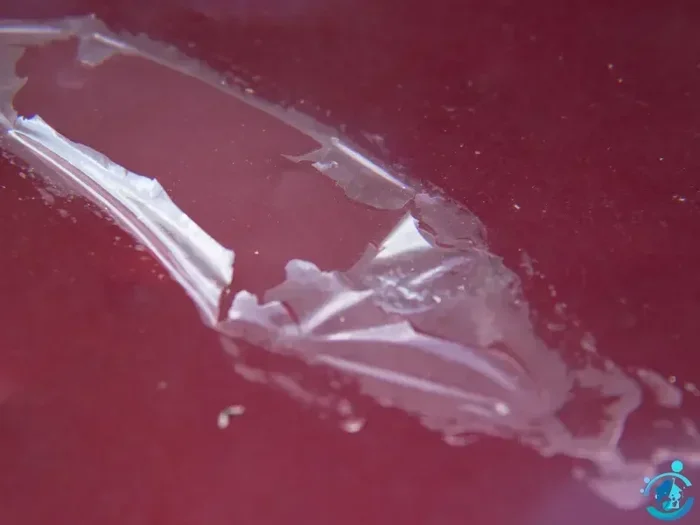
Clear coat erosion is one of the biggest risks of over washing. The clear coat is thin. On most cars, it is only about 1.5 to 2 mils thick. That is thinner than a piece of paper. Every wash removes a microscopic layer of clear coat. Over time, this adds up.
When the clear coat thins too much, it loses its ability to protect the base coat. You start to see dullness, haziness, and even tiny scratches. These are often called swirl marks. They are most visible in direct sunlight.
Paint Oxidation
Oxidation happens when the paint is exposed to the elements without protection. Washing strips away the wax and sealant that shield your paint. Without that shield, UV rays, rain, and air pollution attack the paint directly.
Over time, oxidation causes your paint to look chalky and faded. It is one of the most common signs of paint neglect. But ironically, it can also be caused by washing too much without reapplying protection.
Water Spots and Mineral Deposits
Every time water dries on your car, it leaves behind minerals. These minerals create water spots. A quick rinse after a wash helps prevent this. But if you wash your car frequently and let it air dry each time, water spots build up fast.
Water spots can etch into the clear coat if left untreated. They become harder to remove over time. In severe cases, you may need a paint correction or even a repaint.
Swirl Marks and Micro Scratches
Every time you wipe your car, there is a chance of creating swirl marks. These are tiny scratches that scatter light and make your paint look dull. The more you wash, the more you risk introducing swirl marks.
This risk increases if you use the wrong tools. A dirty sponge or a rough towel can cause damage with every pass. Over washing amplifies this risk because you are repeating the process more often.
How Often Should You Wash Your Car?
The right washing frequency depends on several factors. Where you live matters a lot. Do you park outside or in a garage? Do you drive on dusty roads or highways? These factors all play a role.
But here is a general rule of thumb. For most drivers, washing every two weeks is ideal. This keeps your car clean without stripping away protection too quickly.
Factors That Change Your Washing Frequency
Several things can change how often you should wash:
- Climate: If you live in a rainy area, you may need to wash more often. Acid rain can damage paint quickly. In dry, dusty areas, dust buildup also calls for more frequent cleaning.
- Parking location: Cars parked outdoors collect more dirt, bird droppings, and tree sap. They need more attention than garage-kept cars.
- Driving habits: Daily commuters collect more road grime than weekend drivers. Salt on roads in winter also demands more frequent washing.
- Car color: Dark cars show dirt and water spots more easily. They may need more frequent washing to look their best.
Seasonal Washing Guide
Your washing schedule should change with the seasons:
- Spring: Wash every two weeks. Pollen and rain can build up quickly.
- Summer: Wash every one to two weeks. UV rays and bug splatter are harsh on paint.
- Fall: Wash every two weeks. Falling leaves and sap need regular removal.
- Winter: Wash every one to two weeks if you drive on salted roads. Road salt is one of the biggest enemies of car paint.
Following a seasonal schedule helps you stay ahead of paint damage. It keeps your car wash routine consistent and effective.
Signs You Are Washing Your Car Too Much
How do you know if you are over washing? Your car will tell you. Here are the most common warning signs to watch for.
Dull or Foggy Paint
If your car used to have a deep, glossy shine but now looks flat, something is wrong. Dullness is often the first sign of clear coat thinning. The protective layers have been stripped away, and the paint is losing its ability to reflect light properly.
Water No Longer Beads
One of the best ways to check your paint protection is the water bead test. Spray your car with water. If the water beads up into nice round drops, your wax or sealant is still intact. If the water spreads out into flat sheets, your protection is gone. This could mean you are washing too often without reapplying a protective layer.
Visible Swirl Marks
Swirl marks look like a spiderweb pattern on your paint. They are most visible when light reflects off the surface. If you notice new swirl marks appearing after every wash, your method or frequency may be the problem.
Increased Paint Sensitivity
When the clear coat is thin, the paint becomes more sensitive. You might notice that water spots appear faster than before. Or that minor scratches seem to show up out of nowhere. These are signs that your paint needs a break from washing.
Rust or Corrosion Spots
In extreme cases, over washing can expose bare metal to moisture. This leads to rust spots. If you see small rust patches forming, your clear coat may be too thin to protect the paint anymore.
The Right Way To Wash Your Car Without Damaging The Clear Coat
Washing your car the right way makes all the difference. You can keep your car clean without sacrificing paint protection. The key is using the proper car washing techniques and the right products.
Use pH Balanced Car Wash Soap
Not all soaps are created equal. Household dish soap is too harsh for car paint. It strips away wax and sealant quickly. Instead, use a pH balanced car wash soap. These products are designed to clean effectively without damaging your paint or removing protective coatings.
A good pH balanced soap cleans dirt and grime while preserving your wax layer. Look for soaps labeled as “safe for wax” or “paint friendly.”
Use the Two-Bucket Method
The two-bucket method is one of the best car detailing techniques you can use. Here is how it works:
- Fill one bucket with soapy water.
- Fill a second bucket with clean rinse water.
- Dip your wash mitt in the soap bucket.
- Wash one section of the car.
- Rinse the mitt in the clean water bucket before dipping it back into the soap.
This method prevents you from dragging dirt back across your paint. It dramatically reduces the risk of swirl marks and micro scratches.
Use Microfiber Cloths and Soft Wash Mitts
The tools you use matter just as much as the soap. Avoid using old towels or rough sponges. Instead, use high-quality microfiber cloths and soft lambswool wash mitts. These materials are gentle on paint and trap dirt instead of pushing it around.
Quick Tip: Always wash your mitts and cloths after each use. Dirty tools are the number one cause of swirl marks during hand washing.
Dry Your Car Properly
How you dry your car is just as important as how you wash it. Never let your car air dry. Water evaporation leaves behind mineral deposits and water spots.
Use a clean, soft microfiber drying towel. Pat the car dry gently. Do not rub aggressively. Work in sections to make sure you dry each area before water spots form.
Reapply Protection After Every Wash
This is the step most people skip. After washing, you should always reapply some form of protection. This could be a quick detailer spray, a spray wax, or a full wax application. Reapplying protection replaces what the wash removed.
If you wash every two weeks, a spray wax after each wash is usually enough. For deeper protection, apply a full carnauba wax or ceramic coating every few months.
Automatic Car Wash vs Hand Washing: Which Is Safer?
This is one of the most debated topics in car care. Both methods have pros and cons. Let us break them down.
Automatic Car Washes
Automatic car washes are convenient. They save time and effort. But not all automatic washes are created equal.
Brush-based automatic washes use rotating brushes to clean your car. These brushes can carry dirt and debris from previous washes. They can create swirl marks and fine scratches. Over time, repeated brush washing can wear down your clear coat.
Touchless automatic washes use high-pressure water and chemicals instead of brushes. They are gentler on paint. But the harsh chemicals used in some touchless washes can strip away wax and sealant quickly.
Hand Washing
Hand washing gives you more control over the process. You choose the soap, the tools, and the pressure. When done correctly, hand washing is the safest method for your paint.
But hand washing also carries risks. If you use the wrong sponge or towel, you can introduce swirl marks. If you wash too frequently, you strip protection faster.
Comparison Table
| Factor | Automatic Wash | Hand Wash |
|---|---|---|
| Convenience | Very high | Moderate |
| Risk of Swirl Marks | High (brush wash) | Low (if done correctly) |
| Paint Protection | Low to moderate | High (with right products) |
| Cost Per Wash | $5 to $15 | $2 to $5 (DIY) |
| Control Over Process | Low | High |
| Time Required | 5 to 10 minutes | 30 to 60 minutes |
The best approach combines both methods. Hand wash your car every two weeks for deep cleaning. Use an automatic touchless wash occasionally for quick clean-ups between hand washes.
Expert Insights on Car Washing and Clear Coat Protection
We asked professional detailers about the most common mistakes they see. Here is what they had to say.
Expert Insight 1: Over Washing Is the Number One Mistake
“I see people wash their cars every single day,” says professional detailer Mike Roberts. “They think more washing means better protection. But the opposite is true. Every wash removes a layer of protection. Without reapplying wax or sealant, you are leaving your clear coat exposed.”
Expert Insight 2: The Water Spot Danger
“Water spots are the silent killer of clear coats,” explains detailer Sarah Chen. “People wash their car and let it sit in the sun to dry. By the time they come back, spots have already formed. Always dry your car immediately after washing.”
Expert Insight 3: Not All Soaps Are Equal
“Household soap is one of the worst things you can put on your car,” says detailer Tom Harris. “It strips wax and sealant in seconds. Invest in a quality pH balanced car wash soap. Your paint will thank you.”
Common Mistakes People Make When Washing Their Car
Avoiding common mistakes can save your clear coat and extend the life of your paint job. Here are the most frequent errors people make.
Using Dirty Wash Tools
A dirty wash mitt or sponge is the fastest way to introduce swirl marks. Always rinse your tools thoroughly between uses. Replace them when they start to look worn.
Washing in Direct Sunlight
Washing your car in direct sunlight causes soap and water to dry too quickly. This leads to water spots and soap residue. Always wash in the shade or on a cloudy day.
Skipping the Pre-Rinse
A pre-rinse loosens dirt and debris before you start scrubbing. Skipping this step means you are rubbing dirt against your paint. Always rinse your car thoroughly before applying soap.
Using Too Much Soap
More soap does not mean cleaner. Excess soap is harder to rinse off and can leave a filmy residue. Use the recommended amount and dilute properly.
Ignoring the Undercarriage
Road salt, mud, and grime build up on your car’s undercarriage. This is especially important in winter. Ignoring the undercarriage can lead to rust and corrosion over time.
Not Waxing After Washing
This is the mistake that turns a good wash into a bad one. Washing without reapplying protection leaves your paint vulnerable. Always follow up a wash with wax, sealant, or a quick detailer.
How To Protect Your Clear Coat After Washing
Protection after washing is just as important as the wash itself. Here are the best ways to keep your clear coat safe and strong.
Apply a Quality Wax
Carnauba wax is the gold standard for paint protection. It creates a hard, glossy barrier that shields your clear coat from UV rays, acid rain, and contaminants. Apply a coat of quality carnauba wax after every hand wash for the best results.
Consider a Ceramic Coating
Ceramic coatings offer longer-lasting protection than traditional wax. A professional ceramic coating can last six months to two years. It creates a hydrophobic surface that repels water and dirt. This makes future washes easier and safer for your paint.
Use a Quick Detailer Between Washes
Quick detailer sprays are perfect for maintaining protection between full washes. They add a thin layer of protection and enhance shine. Spray a quick detailer after every wash and use it to spot-clean between wash days.
Apply Paint Protection Film
For maximum protection, consider paint protection film (PPF). This clear, durable film is applied to high-impact areas like the hood, fenders, and bumper. PPF shields your clear coat from rock chips, bug splatter, and road debris. It is the ultimate defense for your paint.
Conclusion
Can You Wash Your Car Too Much? Absolutely. Over washing is a real and common problem that can ruin your clear coat over time. But the good news is that it is entirely preventable.
By following a sensible washing schedule, using the right products, and always reapplying protection after each wash, you can keep your car looking amazing for years. The key is balance. Wash often enough to remove harmful contaminants, but not so often that you strip away your paint’s natural defenses.
Take a look at your current washing habits. Are you washing too frequently? Are you using the right soap and tools? Are you reapplying protection after each wash? If you answered no to any of these questions, it is time for a change.
Your car’s clear coat is its first line of defense against the elements. Treat it well, and it will keep your paint looking flawless for years to come. Start today by adjusting your wash routine and investing in quality car washing supplies. Your car will thank you every time you drive it.
Frequently Asked Questions
How often is too often to wash your car?
Washing your car more than once a week is generally too frequent for most drivers. Unless your car is covered in heavy dirt or road salt, every two weeks is the sweet spot. Daily or even every-other-day washing strips away protective layers and increases the risk of clear coat damage.
Does washing your car too much cause rust?
Yes, over washing can indirectly cause rust. When you wash too frequently without reapplying wax or sealant, the clear coat thins and becomes vulnerable. Once the protective barrier is compromised, moisture reaches the bare metal, leading to rust and corrosion spots over time.
Can a car wash ruin a clear coat?
Yes, especially brush-based automatic car washes. The rotating brushes create swirl marks and can wear down the clear coat over time. Even hand washing can damage the clear coat if you use the wrong tools, dirty sponges, or wash too frequently without reapplying protection.
What is the safest way to wash a car at home?
The safest method is the two-bucket hand wash technique using pH balanced car wash soap, a soft lambswool mitt, and clean microfiber towels. Always pre-rinse, wash in the shade, dry immediately, and reapply wax or sealant afterward. This approach minimizes the risk of swirl marks and clear coat damage.
Should I wax my car after every wash?
You do not need a full wax after every wash. A spray wax or quick detailer is sufficient for regular washes. Apply a full carnauba wax or ceramic sealant every one to three months for deeper protection. The key is to always restore some form of protection after washing.
Are touchless car washes safe for clear coats?
Touchless car washes are generally safer than brush washes because they do not use physical contact. However, the harsh chemicals used in some touchless systems can strip wax and sealant. If you use a touchless wash frequently, make sure to reapply protection afterward to maintain your clear coat’s integrity.