Does an Audi A4 Have a Catalytic Converter Yes or No
Yes, every Audi A4 comes equipped with a catalytic converter. This essential emissions component reduces harmful exhaust gases before they exit the vehicle. Understanding how it works, where it sits, and what signs of failure to watch for can save you time and money. Whether you own a newer model or a classic, the catalytic converter plays a vital role in your car’s performance.
You just popped the hood of your Audi A4 and noticed something rattling underneath. Or maybe your check engine light has been glowing for a few days now, and you are wondering what is going on. One question keeps running through your mind: does an Audi A4 have a catalytic converter? The answer is a simple yes. Every single Audi A4 on the road comes with a catalytic converter built right into the exhaust system. But there is so much more to know about this critical component, and understanding it can save you a lot of headaches down the road.
Whether you are a new Audi owner or have been driving your A4 for years, knowing how the catalytic converter works is essential. It is not just some random metal box under your car. It is a sophisticated emissions control device that keeps your engine running cleanly and keeps the air we breathe healthier. In this article, we will walk through everything you need to know. We will cover exactly where the converter sits on your Audi A4, how to spot signs of failure, what replacement costs look like, and how to protect this expensive part from theft. Let us dive in.
Key Takeaways
- Every Audi A4 Has One: All Audi A4 models come standard with a catalytic converter as part of the emissions system.
- Location Varies by Model Year: The converter sits along the exhaust system, typically near the engine or under the vehicle depending on the design.
- Failure Symptoms Are Noticeable: Reduced power, rattling noises, and a check engine light are common signs your converter may be failing.
- Replacement Costs Can Be High: Expect to pay anywhere from $1,000 to $3,000 or more depending on the model year and converter type.
- Theft Is a Growing Risk: Audi A4 catalytic converters contain precious metals that make them targets for thieves, especially in parked vehicles.
- Regular Maintenance Helps: Keeping your exhaust system in good shape extends the life of your catalytic converter significantly.
📑 Table of Contents
- What Is a Catalytic Converter and How Does It Work?
- Does an Audi A4 Have a Catalytic Converter?
- Where Is the Catalytic Converter Located on an Audi A4?
- Signs Your Audi A4 Catalytic Converter Is Failing
- Catalytic Converter Replacement Cost for Audi A4
- How to Protect Your Audi A4 Catalytic Converter From Theft
- How Long Does a Catalytic Converter Last on an Audi A4?
- Conclusion
What Is a Catalytic Converter and How Does It Work?
Before we get into the specifics of the Audi A4, let us talk about what a catalytic converter actually does. Think of it as a mini factory inside your exhaust system. Its job is to clean up the nasty gases your engine produces during combustion. Without it, harmful pollutants like carbon monoxide, nitrogen oxides, and hydrocarbons would pour straight into the air every time you drive.
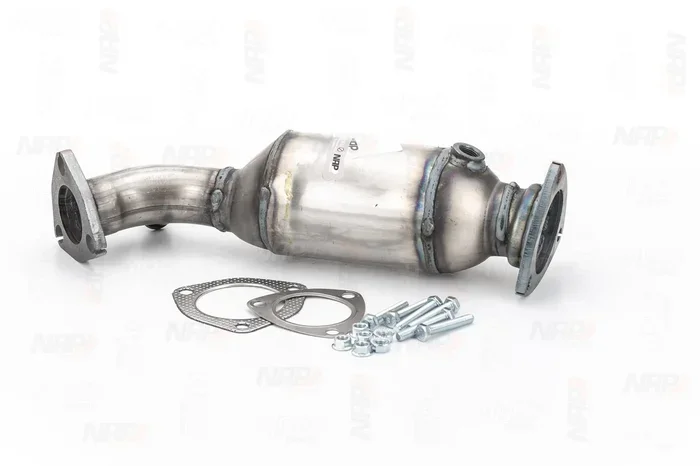
Inside the converter, you will find a honeycomb-like structure coated with precious metals such as platinum, palladium, and rhodium. When hot exhaust gases flow through this structure, a chemical reaction takes place. The harmful pollutants get transformed into less harmful substances like carbon dioxide, nitrogen, and water vapor. It is a pretty amazing piece of engineering, and it happens in seconds every time you drive.
The catalytic converter needs to reach a specific temperature to work properly. This is why your car produces more emissions during cold starts. Once the converter heats up, it begins doing its job efficiently. Most converters need to hit around 600 degrees Fahrenheit to function at full capacity. This is also why exhaust systems are designed to place the converter relatively close to the engine in many vehicles.
Why the Catalytic Converter Matters for Your Audi A4
Audi builds their cars to high standards, and the A4 is no exception. The catalytic converter is a key part of meeting strict emissions regulations in the United States and around the world. Without a working converter, your Audi A4 would not pass emissions testing. It would also run poorly, waste fuel, and potentially damage other parts of the engine over time. So this little component does a lot of heavy lifting for your car.
Does an Audi A4 Have a Catalytic Converter?
The short answer is absolutely yes. The Audi A4 catalytic converter has been a standard feature on every generation of the A4 since the model was introduced. Whether you drive a first-generation 1995 model or the latest 2024 A4, there is a catalytic converter doing its job in the exhaust system. This is not something Audi skimps on or offers as an optional extra. It is a required component for the vehicle to meet legal emissions standards.
Over the years, Audi has refined the design of the catalytic converter used in the A4. Newer models often use advanced close-coupled catalytic converters that are positioned closer to the engine. This design helps the converter reach operating temperature faster, which means cleaner emissions from the moment you start driving. Some higher-performance A4 variants, like the S4 and RS4 models, also feature specialized converters designed to handle greater exhaust flow while still meeting emissions requirements.
If you are ever unsure whether your specific Audi A4 has a catalytic converter, the answer is still yes. There is no A4 model that was ever produced without one. Even older models from the early 1990s included converters when Audi first brought the A4 to market. So no matter what year your A4 is, you can count on having this essential component in your exhaust system.
Audi A4 Model Years and Catalytic Converter Design
The design of the catalytic converter has evolved alongside the Audi A4 over the years. Here is a quick look at how things have changed:
- 1995-2001 (B5 Generation): Early A4 models used a standard single catalytic converter positioned in the exhaust manifold area.
- 2002-2008 (B6 and B7 Generations): Audi improved the converter design and added more efficient oxygen sensors to monitor emissions more precisely.
- 2009-2015 (B8 Generation): The B8 A4 introduced a more compact converter design and tighter emissions controls to meet evolving regulations.
- 2016-Present (B9 Generation): Modern A4 models use advanced close-coupled converters and sophisticated sensor networks for optimal emissions control.
Where Is the Catalytic Converter Located on an Audi A4?
Knowing where the catalytic converter sits on your Audi A4 can be really helpful, especially if you are dealing with a problem. On most Audi A4 models, the converter is located in the exhaust system between the engine and the muffler. On older B5 and B6 generation models, you will typically find it mounted near the engine, close to the exhaust manifold. This is sometimes called a close-coupled or header-mount position.
On newer B8 and B9 generation Audi A4 models, the converter is still positioned relatively close to the engine but may be integrated slightly differently into the exhaust piping. The exact location can vary depending on whether your A4 has a turbocharged or naturally aspirated engine, and whether it is a front-wheel drive or all-wheel drive configuration.
To physically locate the converter on your Audi A4, you will want to look underneath the vehicle. The exhaust system runs from the engine at the front, down along the underside of the car, and out to the rear. The catalytic converter is usually one of the first large components you will see along this path. It is typically a round or oval-shaped metal component that feels warm or hot after driving.
Tips for Locating Your Audi A4 Converter
- Always let the car cool down before looking underneath. The exhaust system gets extremely hot.
- Use a jack and jack stands for safe access if you need to get a closer look.
- The converter is usually larger in diameter than the regular exhaust pipe sections.
- On some A4 models, there may be more than one converter in the system.
- If you are unsure, a quick look under the car while the engine is off will reveal the exhaust path and the converter’s position.
Signs Your Audi A4 Catalytic Converter Is Failing
A failing catalytic converter is not something you want to ignore. The longer you wait, the worse the problem can get, and the more expensive the repair becomes. So how do you know when something is wrong with your Audi A4 exhaust system? There are several clear signs that your catalytic converter may be on its way out.
1. Check Engine Light
This is the most common early warning sign. When the catalytic converter is not working properly, the oxygen sensors in your Audi A4 detect irregularities in the exhaust gases. This triggers the check engine light on your dashboard. If you see this light, do not ignore it. Have a mechanic run a diagnostic scan to read the error codes. Codes like P0420 or P0430 often point to catalytic converter efficiency issues.
2. Reduced Engine Performance
A clogged or failing converter can restrict exhaust flow, which makes your engine work harder. You might notice a loss of power when accelerating, sluggishness at highway speeds, or difficulty maintaining speed going uphill. If your once-zippy Audi A4 feels like it is dragging, the catalytic converter could be the culprit.
3. Rattling Noise from Underneath
Inside the catalytic converter, the honeycomb structure can break apart over time. When this happens, you will often hear a rattling sound, especially when starting the car or idling. This noise comes from the broken pieces rattling around inside the converter housing. It is a clear sign that the converter needs to be replaced.
4. Dark or Smelly Exhaust
Healthy exhaust should be relatively clear and odorless. If you notice dark smoke coming from your exhaust pipe, or a smell that resembles rotten eggs or sulfur, your catalytic converter is likely not doing its job. These are signs that harmful gases are not being properly converted before leaving the vehicle.
5. Failed Emissions Test
If your Audi A4 fails an emissions inspection, a bad catalytic converter is one of the most common reasons. The converter is specifically designed to reduce harmful emissions, so when it fails, the test will reflect that. This is often the first clue owners get that something is wrong with their converter.
Catalytic Converter Replacement Cost for Audi A4
Here is the part nobody wants to hear: replacing a catalytic converter on an Audi A4 can be expensive. The cost varies quite a bit depending on the model year, the type of converter, and where you take your car for service. On average, you are looking at anywhere from $1,000 to $3,000 for parts and labor combined. For some newer models with advanced close-coupled converters, the price can climb even higher.
The high cost comes from the precious metals used inside the converter. Platinum, palladium, and rhodium are all expensive materials, and they are essential for the converter to work properly. When you also factor in labor costs at a dealership or independent shop, the total bill can add up quickly.
Breakdown of Replacement Costs by Audi A4 Generation
Here is a general idea of what you might expect to pay:
- B5 Generation (1995-2001): $800 to $1,500 for converter and labor.
- B6 and B7 Generations (2002-2008): $1,000 to $2,000 depending on the engine option.
- B8 Generation (2009-2015): $1,200 to $2,500, with higher costs for the turbocharged variants.
- B9 Generation (2016-Present): $1,500 to $3,000 or more due to advanced converter technology.
These are just estimates, and actual prices will vary based on your location, the shop you choose, and whether you go with an OEM or aftermarket converter. Always get a detailed quote before committing to the repair.
Can You Clean Instead of Replace?
Some people wonder if a catalytic converter cleaning can save them money. In mild cases of contamination, a specialized cleaner additive added to the fuel tank might help restore some function. However, this is not a guaranteed fix. If the converter is physically damaged, clogged beyond recovery, or has internal breakdown, cleaning will not help. Replacement is the only real solution in those situations.
How to Protect Your Audi A4 Catalytic Converter From Theft
You might have heard about catalytic converter theft on the rise, and unfortunately, Audi A4 owners are not immune. The reason is simple: catalytic converters contain precious metals like platinum and palladium that are worth a lot of money on the black market. Thieves can steal a converter in minutes, often without being noticed.
Why Audi A4 Converters Are Targeted
The Audi A4 sits at a comfortable ride height, which makes it easy for a thief to slide underneath and cut the converter off the exhaust system. Additionally, the precious metal content in modern Audi converters makes them attractive targets. The quick and quiet nature of the theft means it can happen in parking lots, driveways, or even garages without the owner realizing it until they start the car and hear a loud roar.
Tips to Prevent Catalytic Converter Theft
- Park in Well-Lit Areas: Thieves prefer dark, secluded spots. Parking in a well-lit area or a garage dramatically reduces your risk.
- Install an Anti-Theft Device: Catalytic converter guards and cages are available that make it much harder for thieves to cut the converter off.
- Engrave Your VIN: Some owners etch their vehicle identification number onto the converter. This makes it harder for thieves to sell a stolen converter.
- Use Security Cameras: If you park at home, a camera pointed at your vehicle can deter thieves and help identify suspects if theft does occur.
- Stay Alert: If you hear cutting sounds near your car or notice your car suddenly sounds much louder, check immediately.
Taking a few simple precautions can save you from the hassle and expense of a stolen converter. It is always better to be proactive than to deal with the aftermath of a theft.
How Long Does a Catalytic Converter Last on an Audi A4?
Under normal driving conditions, a catalytic converter on an Audi A4 should last the lifetime of the vehicle. That means you can typically expect 100,000 miles or more of service from a properly maintained converter. However, several factors can shorten that lifespan significantly.
Engine misfires are one of the biggest enemies of the catalytic converter. When unburned fuel enters the exhaust system, it can overheat and damage the converter’s internal structure. Similarly, oil or coolant leaks into the exhaust can contaminate the converter and cause it to fail prematurely. Regular maintenance of your Audi A4’s engine is one of the best ways to protect the catalytic converter.
Driving habits also play a role. If you frequently tow heavy loads, drive in stop-and-go traffic, or expose your car to extreme temperatures, the converter may experience more wear and tear. Keeping up with your Audi’s recommended service schedule and addressing engine problems promptly will go a long way in ensuring your converter lasts as long as it should.
Common Mistakes That Shorten Converter Life
- Ignoring engine misfires or rough running conditions.
- Delaying oil changes, which can lead to oil entering the exhaust system.
- Using low-quality fuel that leaves more deposits in the exhaust.
- Neglecting exhaust system leaks that allow excess oxygen into the system.
- Driving with a rich fuel mixture for extended periods.
Avoiding these mistakes and staying on top of regular maintenance will keep your Audi A4’s catalytic converter working properly for many years to come.
Conclusion
So, does an Audi A4 have a catalytic converter? The answer is a definitive yes. Every Audi A4 ever produced comes standard with this essential emissions component. It plays a crucial role in keeping your car running cleanly, passing emissions tests, and protecting the environment. Understanding where it is located, how to spot signs of failure, and what replacement costs look like puts you in a much better position as an Audi A4 owner.
Take care of your Audi A4 catalytic converter by staying on top of regular maintenance, addressing engine issues promptly, and taking steps to prevent theft. A little attention goes a long way toward avoiding expensive repairs and keeping your car running at its best. If you ever notice the warning signs we discussed, do not wait to get it checked out. The sooner you address a problem, the easier and less costly the fix will be.
Your Audi A4 is a well-engineered machine, and the catalytic converter is just one of many components that make it run smoothly. By understanding how it works and what to look for, you are setting yourself up for a better ownership experience. Keep this information handy, and you will be well prepared to handle whatever comes your way with your Audi A4.
Frequently Asked Questions
How much does it cost to replace a catalytic converter on an Audi A4?
The average cost ranges from $1,000 to $3,000, depending on the model year and engine type. Newer models with advanced converters tend to cost more. Always get quotes from multiple shops before deciding on a repair.
Can I drive my Audi A4 without a catalytic converter?
Technically yes, but you should not. Driving without a converter will cause your car to fail emissions tests, run poorly, and potentially trigger the check engine light. It is also illegal in most areas to remove or disable a catalytic converter.
How do I know if my Audi A4 catalytic converter is stolen?
You will notice a very loud exhaust sound when you start the car, almost like a roaring engine. You may also see a hole or cut in the exhaust pipe underneath your vehicle. If this happens, do not drive the car and contact a mechanic immediately.
Can a dirty catalytic converter be cleaned?
In some mild cases, a fuel additive cleaner may help restore partial function. However, if the converter is physically damaged or severely clogged, cleaning will not fix the problem and replacement is necessary.
What causes an Audi A4 catalytic converter to fail?
Common causes include engine misfires, oil or coolant leaks into the exhaust, old age, and physical damage from road debris. Ignoring these issues can lead to premature converter failure.
Is catalytic converter theft covered by car insurance?
It depends on your policy. Comprehensive auto insurance typically covers catalytic converter theft, but you should check with your insurance provider to confirm your specific coverage and deductible.