Does One-Way Mirror Tint Work at Night Heres the Truth
One-way mirror tint relies on light differences to create its privacy effect. At night, the magic fades because interior lights overpower exterior darkness. This means your reflective window film will not work the same way after sunset unless you manage lighting carefully.
Have you ever parked your car at night and noticed something odd? Your one-way mirror tint looks amazing during the day, but at night, it seems to disappear. You can see straight through it from the outside. This leaves a lot of car owners confused and frustrated.
The short answer is no. One-way mirror tint does not work the same way at night. But the full story is more interesting than that. Let us break down exactly why this happens, what you can do about it, and whether this type of car window tinting is still worth it for your vehicle.
If you are considering reflective window film for your ride, you need to understand how it behaves in different lighting conditions. This guide covers everything you need to know. From the science behind the tint to practical tips for nighttime driving, we have you covered.
Key Takeaways
- One-way mirror tint needs bright light on one side: It works by comparing light levels between the inside and outside of your car.
- Nighttime changes everything: When it gets dark outside, the tint loses its one-way effect and becomes more like a regular dark tint.
- Interior lighting is the key factor: Turning off lights inside your car at night can partially restore the one-way look.
- VLT matters a lot: The Visible Light Transmission rating of your tint film affects how well it performs at night.
- Night driving safety can be affected: Dark tints reduce visibility, which matters more after dark.
- There are workarounds: You can use dimmer interior lights or choose a different tint type for better nighttime performance.
- Know your local laws: Tint darkness laws vary by state and can affect what you legally install.
📑 Table of Contents
- What Is One-Way Mirror Tint and How Does It Work?
- Why One-Way Mirror Tint Fails at Night
- Can You Make One-Way Mirror Tint Work at Night?
- How Does One-Way Mirror Tint Compare to Other Tint Types?
- Common Mistakes People Make with One-Way Mirror Tint
- Expert Insights on Nighttime Tint Performance
- Quick Tips for Best Results with One-Way Mirror Tint
- Is One-Way Mirror Tint Worth It for Your Car?
- Final Thoughts on One-Way Mirror Tint at Night
What Is One-Way Mirror Tint and How Does It Work?
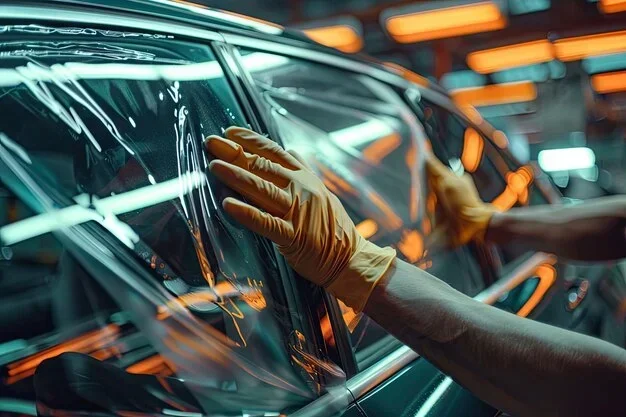
One-way mirror tint goes by several names. People call it reflective film, mirror finish tint, or one-way vision film. No matter what you call it, the concept is the same. This type of window tint creates a mirror-like reflection on one side while allowing light to pass through on the other.
The Science Behind the Magic
Here is how it works in simple terms. The film has a thin reflective coating, usually made of metal or ceramic particles. During the day, the outside of your car is bright. The inside is darker. Light from the bright side reflects off the coating. This creates the mirror effect. People on the bright side see a reflection. People on the dark side see through the glass.
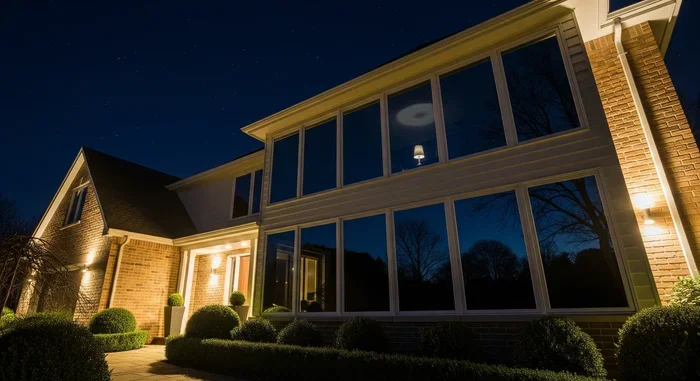
Think of it like a window in a brightly lit room. You can see outside during the day. But at night, when the room is lit up, people outside can see in. The same principle applies to your car windows.
The key factor is the difference in light between both sides. This is called the luminance ratio. When the ratio is high, the one-way effect is strong. When it is low, the effect weakens or disappears completely.
Why People Love This Type of Tint
There are many reasons car owners choose privacy tint for their vehicles. Here are the most common ones:
- Privacy: You cannot see inside your car from the outside during the day.
- Style: The mirror finish gives your car a sleek, dark look.
- Heat reduction: Reflective film blocks a lot of solar energy and keeps your car cooler.
- Glare reduction: It cuts down on harsh sunlight and glare from other vehicles.
- UV protection: Many reflective films block harmful ultraviolet rays.
All of these benefits sound great. But here is where things get tricky when the sun goes down.
Why One-Way Mirror Tint Fails at Night
This is the part most tint shops do not tell you upfront. At night, the lighting conditions flip. Your car interior becomes the bright side. The outside becomes the dark side. Now the reflective coating works in reverse. It reflects the light from inside your car back at you.
People outside can now see into your car easily. The one-way effect is gone. Instead, your windows look like regular dark tinted windows. You lose the privacy benefit that made you choose this film in the first place.
The Role of Interior Lighting
Your dashboard lights, dome light, and even the glow from your phone screen all contribute. When these lights are on at night, they make the inside of your car brighter than the dark outside. This completely reverses the one-way effect.
Even with the dome light off, there is still enough ambient light inside the car from the streetlights and headlights of other vehicles. This is enough to ruin the mirror effect.
How VLT Affects Nighttime Performance
VLT stands for Visible Light Transmission. It measures how much light passes through your window film. A lower VLT means a darker tint. A higher VLT means more light gets through.
Here is why this matters at night. Dark tints with low VLT already reduce visibility. When you add darkness from the outside, driving becomes harder. You need more light to see the road clearly. A one-way mirror tint with very low VLT can make nighttime driving dangerous.
Most states have legal limits on how dark your tint can be. These laws usually specify a minimum VLT percentage. For example, many states require at least 70% VLT on front side windows. Check your local automotive tint laws before installing any film.
Can You Make One-Way Mirror Tint Work at Night?
The good news is there are ways to improve the nighttime performance of your reflective window film. None of these are perfect, but they can help.
Tip 1: Keep Interior Lights Off
This is the simplest fix. Turn off your dome light and dashboard lights when parked at night. The darker your interior, the closer you get to the daytime one-way effect. It is not a complete solution, but it helps.
If you often park in well-lit areas, this tip alone will not be enough. Streetlights and passing headlights still create enough light on the outside to reduce the effect.
Tip 2: Use a Dimmer or Warm-Tone Lighting
Some car owners install dimmable interior lights. These produce less light overall. Warm-tone LED lights are less harsh and create a smaller contrast difference between the inside and outside. This can help maintain a partial one-way effect.
Tip 3: Choose a Lighter Tint Shade
If you know you need nighttime visibility, consider a lighter shade of mirror finish tint. A medium VLT film will still give you privacy during the day but will not block as much light at night. This is a smart compromise for people who drive often after sunset.
Tip 4: Apply Tint Only to Rear Windows
Many drivers choose to tint only the rear windows. This keeps the front windows clear for safe night driving. You still get privacy tint for passengers in the back seat. And your front windows stay fully transparent for nighttime visibility.
How Does One-Way Mirror Tint Compare to Other Tint Types?
Not all window tints behave the same way at night. Let us compare one-way mirror tint with other popular options so you can make an informed choice.
Comparison Table
| Tint Type | Daytime Privacy | Nighttime Privacy | Heat Rejection | Night Visibility |
|---|---|---|---|---|
| One-Way Mirror Tint | Excellent | Poor | High | Reduced |
| Dyed Window Film | Moderate | Moderate | Low | Good |
| Carbon Window Film | Good | Good | High | Good |
| Ceramic Window Film | Good | Good | Very High | Excellent |
| Hybrid Tint | Good | Moderate | Moderate | Good |
As you can see, one-way mirror tint offers the best daytime privacy but the worst nighttime performance. Ceramic and carbon films provide a more balanced experience across all lighting conditions.
Common Mistakes People Make with One-Way Mirror Tint
Avoid these mistakes if you want the best results from your window film application.
Mistake 1: Assuming It Works Like a One-Way Mirror All the Time
This is the biggest mistake. People install the film expecting it to work exactly like a bathroom mirror. It does not. The effect depends entirely on lighting conditions. At night, it will not perform the same way.
Mistake 2: Choosing the Darkest Shade Available
Darker is not always better. A very dark mirror finish tint looks great in photos during the day. But at night, it can make driving nearly impossible. You need enough light to pass through your windows to see the road, pedestrians, and other vehicles.
Mistake 3: Ignoring Local Tint Laws
Every state has different rules about how dark your tint can be. Some states ban reflective tint entirely. Others limit it to certain windows. Installing a tint that violates automotive tint laws can lead to fines and even require you to remove the film.
Mistake 4: Skipping Professional Installation
DIY tint kits are tempting. But window tinting is a precision job. Poor installation leads to bubbles, peeling, and uneven coverage. These issues only get worse at night because they create glare and distort your view of the road.
Expert Insights on Nighttime Tint Performance
Professional installers and tint experts agree on one thing. One-way mirror tint is best suited for vehicles that are primarily parked or driven during daylight hours. If you drive a lot at night, you should consider a different type of film.
Carbon-based tints are a popular alternative. They offer excellent heat rejection without the mirror effect. They also maintain consistent privacy both day and night. Ceramic tints are the premium option. They provide top-tier heat rejection, UV protection, and clarity at any time of day.
If you love the look of reflective film but need nighttime performance, look for a dual-reflective tint. These films have a reflective side and a matte side. The matte side faces the interior of your car. This reduces the mirror effect at night while still giving you a stylish look during the day.
Quick Tips for Best Results with One-Way Mirror Tint
- Test the tint before committing: Place a sample piece on your window and observe it at different times of day.
- Consider your driving habits: If you drive mostly during the day, one-way mirror tint is a great choice.
- Keep your windows clean: Dirt and grime on the film reduce clarity and worsen nighttime visibility.
- Use a quality installation kit: Good equipment makes a big difference in how the film looks and performs.
- Ask your tint shop about night-performance options: Many shops offer films specifically designed to work better in low-light conditions.
- Check your warranty: A good window film warranty protects you against peeling, bubbling, and fading.
Is One-Way Mirror Tint Worth It for Your Car?
The answer depends on your needs. If you want maximum privacy during the day and do not mind losing that effect at night, one-way mirror tint is a solid choice. It looks great, keeps your car cool, and blocks UV rays effectively.
If you drive frequently at night or need consistent privacy around the clock, you should explore other tint options. Carbon window film and ceramic window film offer a better balance of performance across all lighting conditions.
Think about where you park your car most often. If it is always in a garage or a dark parking lot, the nighttime limitation of one-way mirror tint matters less. If you park on the street in well-lit areas, the lack of nighttime privacy could be a real concern.
Budget is another factor. One-way mirror tint is often more affordable than ceramic or high-end carbon films. If cost is a concern, this can be a practical choice for daytime privacy and heat rejection.
Final Thoughts on One-Way Mirror Tint at Night
So, does one-way mirror tint work at night? The honest answer is no, not really. The effect depends on a difference in light between both sides of the glass. At night, that difference shrinks or disappears entirely. Your reflective window film will still provide some darkening and UV protection. But the signature one-way mirror look will be gone.
This does not mean one-way mirror tint is a bad choice. It just means you need to go in with realistic expectations. Understand how the film works, plan for its limitations, and choose the right shade for your driving habits.
If nighttime performance is important to you, consider alternative tint types. Carbon and ceramic films offer great all-around performance. Dual-reflective tints give you the best of both worlds. Whatever you choose, make sure it fits your lifestyle, your local laws, and your budget.
The key is to be informed before you make a decision. Now you know the truth about how one-way mirror tint behaves after dark. You can walk into any tint shop with confidence and ask the right questions. That is how you get the best results for your car and your needs.
Frequently Asked Questions
Can you see through one-way mirror tint at night from the outside?
Yes, to a large extent. When the interior of your car is lit up and the outside is dark, the one-way effect reverses. People outside can see into your car fairly clearly. This is the main reason one-way mirror tint does not provide nighttime privacy.
What is the best tint for nighttime driving?
Carbon and ceramic window films are the best choices for nighttime driving. They provide good heat rejection and UV protection without heavily reducing visibility. They also maintain consistent privacy both day and night.
Does turning off all lights inside the car restore the one-way effect at night?
It helps, but it does not fully restore the effect. Even with all lights off, ambient light from streetlamps and other vehicles is enough to reduce the one-way mirror look. The effect will be much weaker than during the day.
Are there any tints that work as a true one-way mirror at night?
No tint can create a true one-way mirror effect in equal lighting conditions. The principle of one-way mirror tint always requires a difference in brightness between both sides. Some dual-reflective tints reduce the nighttime mirror effect, but they do not eliminate it entirely.
Is reflective tint legal in all states?
No, reflective tint is not legal everywhere. Some states ban reflective or mirror-finish tint on certain windows or entirely. Check your state’s automotive tint laws before installing any reflective film to avoid fines or removal requirements.
How much does one-way mirror tint cost compared to other tint types?
One-way mirror tint is generally affordable, often costing less than ceramic or premium carbon films. Prices vary based on the brand, quality, and whether you choose professional installation. Expect to pay between $100 and $400 for a full car installation, depending on your location and the film quality.
=== CONCLUSION ===
One-way mirror tint is a popular choice for car owners who want daytime privacy and a sleek look. But the truth is, it does not work the same way at night. The reflective mirror effect depends on bright light on one side and darkness on the other. At night, that balance shifts, and the privacy benefit disappears.
If you understand this limitation, you can make a smarter choice. Consider your driving habits, your parking situation, and your privacy needs before selecting a tint. There are many great alternatives that work well both day and night. Whether you choose a lighter shade of reflective tint or switch to a carbon or ceramic film, the right choice depends on your lifestyle.
Take your time, do your research, and talk to a professional installer. The right window tint can transform your driving experience. Just make sure it works for you around the clock, not just in the daytime.