Can a Blown Fuse Cause the Airbag Light to Come On
Can a Blown Fuse Cause the Airbag Light to Come On? Yes, absolutely. A blown fuse disrupts the electrical circuit that powers your airbag system, triggering the warning light. This article explains the direct connection, how to check your fuse box, and what else might be causing the problem. You’ll learn simple steps to diagnose the issue and keep your safety system in top shape.
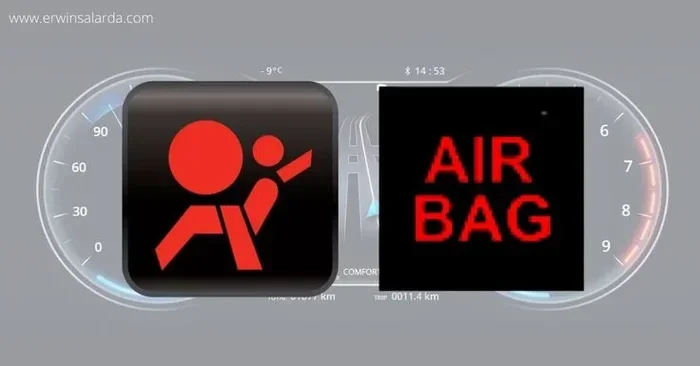
So you’re driving to the store and you glance at the dashboard. There it is — that little red or yellow light shaped like a person sitting in a seat with a circle in front of it. The airbag light is on. Your stomach drops a little. You wonder, Can a Blown Fuse Cause the Airbag Light to Come On? The answer is a clear yes. A blown fuse can absolutely trigger the airbag warning light, and it’s one of the most common reasons this light appears. In this guide, we’ll walk through exactly why that happens, how to check the fuse, and what to do next. I’ll keep things simple and practical, just like a chat with a friend who knows cars.
Your vehicle’s safety system depends on a steady flow of electricity. The airbag system, also known as the Supplemental Restraint System or SRS, has its own fuse to protect the circuit. When that fuse blows, the power stops. The airbag control module detects the loss and turns on the dashboard light to warn you. This is a safety feature, not a random glitch. It tells you that your airbags might not work in a collision. Understanding this connection is the first step to fixing the problem and staying safe.
Key Takeaways
- A blown fuse is a common reason for the airbag light: It cuts power to the safety system and immediately triggers the dashboard warning.
- You can often check the fuse yourself: Locate the fuse box, find the SRS fuse, and inspect it with a visual or multimeter test.
- Replacing the fuse is simple but not always the fix: If the new fuse blows again, you likely have a deeper wiring or module issue.
- Other causes can mimic a blown fuse: Faulty crash sensors, a bad airbag control module, or a damaged wiring harness can all light up the airbag warning.
- Never ignore the airbag light: A lit light means your airbags may not deploy in a crash, putting you and your passengers at serious risk.
- Professional help is wise when in doubt: A mechanic can run diagnostic trouble codes and safely inspect the entire airbag circuit.
- Regular fuse checks prevent surprises: A quick look at your fuse panel during routine maintenance can catch problems early.
📑 Table of Contents
- What Does the Airbag Warning Light Mean?
- How Fuses Protect Your Airbag System
- Can a Blown Fuse Cause the Airbag Light to Come On
- Common Causes of a Blown Airbag Fuse
- How to Check and Replace the Fuse Safely
- When the Fuse Isn’t the Problem
- Comparison: Blown Fuse vs. Other Airbag Light Triggers
- Expert Insights: Keeping Your Airbag System Healthy
- Conclusion
What Does the Airbag Warning Light Mean?
The airbag warning light is part of your car’s onboard diagnostics. When you start the engine, the light usually stays on for a few seconds and then turns off. That’s the system running a self-check. If the light stays on or flashes, something is wrong. The SRS light can come on for many reasons. A blown fuse is a frequent culprit, but it’s not the only one. The light is your car’s way of saying, “Hey, check me out.” Ignoring it is never a good idea.
Here are a few things the light might be telling you:
- The SRS fuse has blown and cut power to the airbag circuit.
- A crash sensor is faulty or has lost its connection.
- The airbag control module has stored a diagnostic trouble code.
- The wiring harness is damaged or corroded.
- The airbag clock spring in the steering wheel is worn out.
Each of these issues can cause the same warning. That’s why a quick fuse check is always a smart first step. It’s easy to do and it rules out the simplest problem.
How Fuses Protect Your Airbag System
A fuse is a small, simple device that acts as a shield for your electrical circuits. It sits in the fuse box, which is usually under the dashboard on the driver’s side or in the engine bay. Inside the fuse is a tiny metal strip. When too much current flows through, the strip melts and breaks the circuit. This is what we call a blown fuse. It stops the flow of electricity to protect more expensive parts, like the airbag control module or the wiring harness.
The airbag system draws a specific amount of current. The fuse is rated for that exact amperage. If there’s a short circuit or a power surge, the fuse blows before damage can happen. Think of it like a valve that closes when pressure gets too high. Without the fuse, a electrical fault could fry the entire airbag system. So the fuse is a hero, not a villain. When it blows, it’s doing its job. The problem is that it also stops the airbag system from working, which is why the light comes on.
Where Is the SRS Fuse Located?
Finding the SRS fuse is usually straightforward. Open the driver’s door and look at the side of the dashboard. There’s often a panel that pops off or slides out. That’s the interior fuse box. On the inside of the lid, you’ll find a diagram. It’s a map that shows which fuse does what. Look for a fuse labeled “SRS,” “Airbag,” or “Supplemental Restraint.” In some vehicles, it might be listed as “Airbag Control” or just “Airbag.” The fuse is typically a standard blade fuse with a specific color and amperage rating, often 10, 15, or 20 amps. Check your owner’s manual if you can’t find the diagram. It will give you the exact location and rating.
Can a Blown Fuse Cause the Airbag Light to Come On
The direct answer to Can a Blown Fuse Cause the Airbag Light to Come On is yes. When the fuse blows, the electrical path to the airbag system is broken. The airbag control module immediately detects this loss of voltage and turns on the warning light. This happens because the module constantly monitors the circuit. It expects a certain voltage level. If the voltage drops to zero, it assumes a fault has occurred. The light is the result of that fault detection.
Here’s what typically happens step by step:
- A power surge, short circuit, or age-related wear causes the fuse to blow.
- The electrical circuit to the airbag system is interrupted.
- The airbag control module loses power or detects a voltage drop.
- The module sets off the dashboard warning light.
- The system is now disabled until the fuse is replaced and the circuit is restored.
Sometimes the airbag light will flash instead of staying solid. A flashing pattern can indicate a specific type of fault. But a steady light often points to a power loss, which a blown fuse can cause directly. If you’ve recently had a power issue, like a dead battery or a jump start, a blown fuse is a very likely suspect.
The Direct Connection Between Fuses and Airbags
The airbag circuit is a closed loop. Electricity flows from the battery, through the fuse, to the control module, and then to the various sensors and activators. A blown fuse breaks that loop. The module can’t send or receive signals properly. Even if the crash sensors and the airbag bags themselves are perfectly fine, they won’t deploy without power. That’s why a blown fuse is such a serious issue. It doesn’t just light up a warning; it disables a life-saving system. Replacing the fuse restores the circuit, but only if nothing else is damaged.
What Happens When the Fuse Blows
When a fuse blows, you lose the entire circuit it protects. In the case of the airbag system, this means:
- The airbag warning light turns on immediately.
- The airbags will not deploy in a collision.
- Seat belt pretensioners may also fail to activate.
- The vehicle may not pass a safety inspection.
- A diagnostic trouble code is stored in the control module’s memory.
These are not just inconveniences. They are real safety risks. That’s why I always tell people to take the airbag light seriously. Even if you think it’s just a blown fuse, you need to confirm it and make sure the underlying cause didn’t damage anything else.
Common Causes of a Blown Airbag Fuse
A fuse doesn’t just blow out of nowhere. There’s always a reason. Understanding the cause helps you prevent it from happening again. Here are the most common reasons a blown fuse affects your airbag system.
Power Surges and Short Circuits
A short circuit is the number one cause of a blown fuse. A short happens when a hot wire touches a ground wire or a metal part it shouldn’t. This creates a sudden surge of current. The fuse melts to protect the system. Short circuits can occur in the wiring harness under the seats or behind the dashboard. Water leaks, rodent damage, or accidental pinching during a repair can all cause a short. If you’ve recently had work done under the dash, a wire might have been disturbed.
Old or Corroded Fuse Boxes
Over time, the fuse box itself can develop problems. The contacts inside can become corroded, especially in older vehicles or those exposed to moisture. Corrosion increases resistance, which generates heat. That heat can weaken the fuse and cause it to blow. A corroded fuse box is a hidden danger that can cause repeated fuse failures. If you replace a fuse and it blows again a few days later, the fuse box itself might be the issue.
Aftermarket Accessories and Improper Installations
Adding aftermarket electronics, like a new stereo, extra lights, or a dash cam, can put extra strain on the electrical system. If the installation taps into the wrong circuit or uses incorrect wiring, it can cause a power surge that blows the SRS fuse. Always have accessories installed by a professional who understands your vehicle’s wiring diagram. A cheap install can cost you your airbag system’s reliability.
Battery Issues and Jump Starts
A weak battery or a jump start gone wrong can send voltage spikes through the system. These spikes are enough to blow a sensitive fuse. If you’ve had a dead battery or needed a jump start recently, check the SRS fuse as part of your follow-up. A simple fuse check can save you a lot of trouble.
How to Check and Replace the Fuse Safely
Checking the fuse is one of the easiest things you can do. You don’t need to be a mechanic. With a few basic tools and a little care, you can find out if a blown fuse is the culprit. Here’s how to do it step by step.
Tools You’ll Need
- Your vehicle owner’s manual
- A flashlight
- A fuse puller (often included in the fuse box)
- A multimeter (optional, for a more precise test)
- A replacement fuse with the correct amperage
Step 1: Turn Off the Ignition
First, turn the key to the off position and remove it. You want zero electrical current flowing while you work. This protects you and the vehicle’s computer. Wait a minute after turning it off. Capacitors can hold a small charge, and you want that to dissipate.
Step 2: Locate the Fuse Box
Open the driver’s door and look for a panel on the side of the dashboard. It might have a small cover that pops off or a screw holding it in place. Inside, you’ll find the fuse diagram. The SRS fuse is usually clearly labeled. If you’re not sure, check the manual. It will tell you the exact fuse number and location. Some vehicles also have a second fuse box in the engine bay, but the SRS fuse is almost always inside the cabin.
Step 3: Remove and Inspect the Fuse
Use the fuse puller to gently pull the fuse straight out. Don’t wiggle it or use pliers, as that can damage the socket. Hold the fuse up to the light. Look at the tiny metal strip inside the plastic body. If the strip is broken or melted, the fuse is blown. A good fuse has a continuous metal strip from one end to the other. A blown fuse will have a visible gap or a black smear inside. If you’re unsure, you can test the fuse with a multimeter set to continuity. A beep means the fuse is good. No beep means it’s blown.
Step 4: Replace with the Correct Fuse
Replace the blown fuse with a new one that has the exact same amperage rating. The rating is printed on the side of the fuse. Never put in a higher amperage fuse. A 20-amp fuse in a slot that calls for 10 amps will not blow fast enough and could damage the wiring. Push the new fuse in firmly until it clicks into place. Then turn the ignition on and watch the dashboard. If the airbag light goes off after a few seconds, the fuse was the problem.
Quick Tip
Keep a small pack of assorted blade fuses in your glove box. You never know when you’ll need a quick replacement. It’s a tiny investment that can save you a lot of hassle.
Common Mistakes When Checking Fuses
Here are a few things people often get wrong. Avoiding these will save you time and frustration:
- Guessing the fuse location: Always use the diagram or the manual. The wrong fuse won’t fix the problem.
- Using a fuse with the wrong amperage: This is dangerous and can cause a fire.
- Not checking the fuse visually: Sometimes the metal strip looks intact but is actually cracked. A multimeter test is more reliable.
- Replacing the fuse and ignoring the light: If the new fuse blows immediately or the light stays on, you have a deeper problem. Don’t just keep swapping fuses.
When the Fuse Isn’t the Problem
You’ve replaced the fuse, but the airbag light stays on. That’s frustrating, but it’s also a clue. If a new fuse blows right away or the light doesn’t turn off, the root cause is deeper than a simple fuse. The airbag system is complex, and several other components can trigger the warning light.
Faulty Crash Sensors
Your vehicle has crash sensors placed around the car, usually in the front, sides, and sometimes the rear. These sensors detect a sudden deceleration or impact. They send signals to the airbag control module. If a sensor is faulty, has a loose connection, or its wiring is damaged, the module will set a fault code and turn on the light. A bad sensor doesn’t mean the airbags won’t deploy in a real crash, but it does mean the system is in a warning state. The sensor itself might need replacement.
Damaged Wiring Harness
The wiring harness is the network of wires that connects all the airbag components. It runs under the seats, behind the dashboard, and through the doors. Over time, these wires can chafe, break, or corrode. A seat that slides back and forth can pinch a wire. A rodent can chew through insulation. A broken wire in the harness breaks the circuit just like a blown fuse would. The control module sees an open circuit and lights the warning. Diagnosing a wiring issue often requires a professional with specialized tools.
Airbag Clock Spring Failure
The airbag clock spring is a spiral ribbon of wire inside the steering column. It allows the steering wheel to turn while maintaining an electrical connection to the driver’s airbag. When the clock spring wears out or breaks, the driver’s airbag circuit opens. The airbag light comes on. This is a common issue in older vehicles or those with high mileage. Replacing a clock spring requires careful work because you must disable the airbag system first to avoid accidental deployment.
Airbag Control Module Issues
The airbag control module is the brain of the system. It monitors all the sensors and circuits. Sometimes the module itself fails. This can happen due to water damage, a power surge, or internal wear. A failed control module will keep the light on even if all the fuses and wiring are perfect. In many cases, the module needs to be repaired or replaced. A mechanic can run a diagnostic scan to read the trouble codes and determine if the module is at fault.
Seat Belt Pretensioner Problems
The airbag system includes seat belt pretensioners that tighten the belts during a crash. These pretensioners have their own circuits and fuses. A problem with a pretensioner, such as a faulty connector or a worn mechanism, can also trigger the airbag warning light. The system sees a fault in the pretensioner circuit and alerts you.
Comparison: Blown Fuse vs. Other Airbag Light Triggers
It’s helpful to see how a blown fuse compares to other common causes. This table breaks down the key differences so you know what to expect.
| Cause | Typical Symptom | Can You Fix It Yourself? | Urgency Level |
|---|---|---|---|
| Blown fuse | Airbag light comes on steadily; no other symptoms | Yes, simple fuse replacement | High — fix immediately |
| Faulty crash sensor | Light stays on, often after a minor impact or no impact at all | No, requires sensor replacement | High — get it checked |
| Damaged wiring harness | Light may flicker or stay on; sometimes intermittent | No, needs professional repair | High — safety risk |
| Bad airbag clock spring | Light on, horn may also stop working | No, professional replacement needed | Medium-High |
| Failed control module | Light on, often with stored trouble codes | No, module repair or replacement | High — professional diagnosis |
| Corroded fuse box contact | Fuse blows repeatedly, light stays on | Maybe, cleaning contacts or box replacement | High — recurring issue |
Expert Insights: Keeping Your Airbag System Healthy
I’ve seen a lot of people ignore the airbag light because they think it’s just a fuse. Sometimes it is, but sometimes it’s a warning of something more serious. Here’s what I’ve learned from working with vehicles and talking to experienced technicians.
Always run a diagnostic scan after replacing a fuse. Even if the light goes off, the control module may still have stored a fault code. That code can point to the real problem. A simple fuse swap might clear the light temporarily, but the underlying issue could still be there. A diagnostic trouble code reader is an affordable tool that every car owner should have or know how to use.
Don’t delay repairs. The airbag system is designed to protect you in a fraction of a second. A disabled airbag system means that protection is gone. In a crash, you rely on that system completely. The cost of a fuse or a sensor is tiny compared to the cost of an injury that could have been prevented.
Keep your fuse box dry and clean. Moisture is the enemy of electrical connections. If you notice water under your seats or a damp smell near the dashboard, check the fuse box for corrosion. A little preventive care can save you from repeated fuse failures and airbag light issues.
Conclusion
Can a Blown Fuse Cause the Airbag Light to Come On? Yes, it absolutely can, and it’s one of the simplest reasons to check first. A blown fuse breaks the electrical circuit that your airbag system needs to work. It triggers the warning light and disables the safety system. The good news is that checking and replacing a fuse is something you can often do yourself with just a little time and the right tools. However, if the new fuse blows again or the light stays on, you know there’s a deeper problem that needs professional attention. Never ignore that little red or yellow light. It’s your car’s way of telling you that your safety system needs care. Take it seriously, act quickly, and you’ll keep your airbag system ready to protect you when it matters most.
Frequently Asked Questions
What other symptoms come with a blown airbag fuse?
Besides the dashboard light, you might notice that the seat belt pretensioners don’t engage during a test, or the horn might stop working if the clock spring shares a circuit. In most cases, the only clear sign is the airbag warning light staying on after the self-check. The system is completely disabled, so you won’t get any airbag deployment in a crash.
Is it safe to drive with the airbag light on?
No, it is not safe. The airbag system is designed to deploy in a collision and reduce serious injury. With the light on, the system is turned off or in a fault state. If you get into an accident, the airbags may not deploy. You should have the vehicle inspected and repaired as soon as possible.
Can a blown fuse cause the SRS light to flash?
Yes, a blown fuse can cause the SRS light to flash. The airbag control module detects the loss of voltage and may flash the light in a specific pattern. The pattern often indicates a power loss or circuit interruption. However, a flashing light can also point to other issues like a faulty sensor or a wiring problem. A diagnostic scan will reveal the exact cause.
How much does it cost to replace an airbag fuse?
The fuse itself is very cheap, usually under a few dollars. If you replace it yourself, the cost is just the price of the fuse. If you visit a mechanic or dealership, you’ll pay for labor, which might range from $50 to $150 depending on the shop. The real cost comes if the underlying issue damaged other parts, which can be much more expensive.
Will the airbag light reset after replacing the fuse?
In many cases, yes. If the blown fuse was the only problem, replacing it with the correct amperage fuse should turn the light off after a few ignition cycles. The airbag control module runs a self-check and clears the fault if the circuit is restored. If the light stays on, you need to check for other faults or clear the stored codes with a diagnostic tool.
What fuse amperage is used for the airbag system?
The amperage varies by vehicle, but common ratings are 10, 15, or 20 amps. Always check your owner’s manual or the fuse box diagram for the exact rating. Never substitute a higher amperage fuse. Using the wrong rating can cause a fire or damage the airbag module. The correct fuse amperage is printed on the fuse itself and in the vehicle documentation.