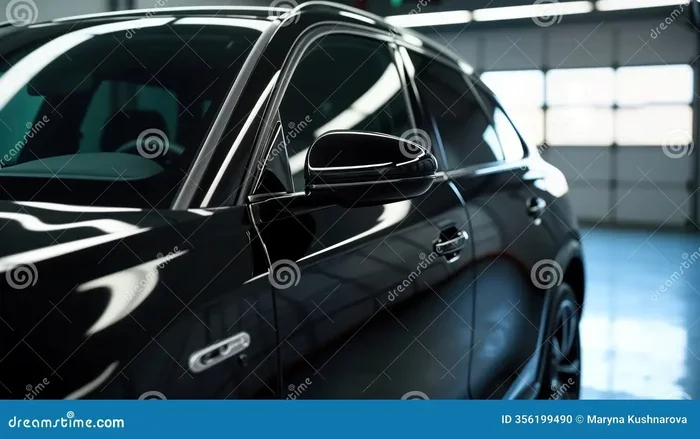
Everything You Need To Know About 27 Percent Window Tint
27 percent window tint is a popular car window tinting choice that balances style and function. It offers solid heat rejection, UV protection, and glare reduction without going too dark. This guide covers everything from legal limits to maintenance tips so you can make an informed decision. Whether you are a first-timer or replacing old tinted windows, you will find practical advice here.
If you are considering 27 percent window tint for your car, you are making a smart move. This shade has become one of the most popular choices among car owners. But what exactly does it mean? And why do so many people choose it? Let us walk you through everything you need to know.
27 percent window tint refers to a window tint percentage that allows 27% of visible light to pass through your car windows. The rest is blocked. This means your vehicle gets a noticeably darker look compared to lighter tints, but it is not as dark as some of the more extreme shades on the market. It hits a sweet spot between aesthetics, comfort, and legality.
In this guide, we will cover the benefits, laws, film types, costs, and maintenance tips for 27 percent tint. By the end, you will have a clear picture of whether this shade is the right fit for your vehicle. Let us dive in.
Key Takeaways
- Balanced Performance: 27 percent tint delivers strong heat rejection and UV protection while remaining legal in most states.
- Legal Awareness Matters: Tint laws vary by state, so always check your local legal tint limit before purchasing.
- Multiple Film Types: You can choose from ceramic tint, carbon tint, and dyed films depending on your budget and needs.
- Easy Maintenance: Proper cleaning and care extend the life of your window film significantly.
- Cost-Effective Upgrade: Window tint cost for 27 percent film is reasonable and offers long-term value.
- Privacy and Comfort: A 27 percent shade provides excellent privacy tint for drivers and passengers alike.
📑 Table of Contents
- What Is 27 Percent Window Tint?
- Benefits of 27 Percent Window Tint
- 27 Percent Tint Laws and Legal Limits
- How Does 27 Percent Tint Compare to Other Shades?
- How to Choose the Right 27 Percent Window Tint
- Tips for Maintaining Your 27 Percent Window Tint
- How Much Does 27 Percent Window Tint Cost?
- Common Mistakes People Make When Choosing Window Tint
- Final Thoughts on 27 Percent Window Tint
What Is 27 Percent Window Tint?
Understanding Visible Light Transmission
The visible light transmission (VLT) percentage tells you how much light passes through your tinted windows. A 27 percent VLT means only 27% of outside light enters your car. The remaining 73% is blocked by the window film. This is measured using a special device called a tint meter.
Think of it like sunglasses for your car. The lower the VLT number, the darker the tint. A 50 percent tint is lighter and lets in more light. A 5 percent tint is very dark and blocks almost all light. A 27 percent window tint falls in the middle, offering a balanced look and performance.
How Does 27 Percent Tint Look?
A 27 percent shade gives your car a sleek, refined appearance. It is dark enough to add a stylish finish but not so dark that it looks overly aggressive. From the outside, your windows will have a smooth, uniform look. From the inside, you will still have good visibility during the day.
At night or in low-light conditions, visibility can be slightly reduced. This is something to keep in mind, especially if you do a lot of nighttime driving. However, most drivers find that 27 percent tint does not significantly impact their ability to see the road after dark.
Benefits of 27 Percent Window Tint
There are many reasons why car window tinting with a 27 percent shade is a top choice. Let us look at the biggest benefits.
Heat Rejection and Comfort
One of the top reasons people choose 27 percent tint is heat rejection. The film blocks a significant amount of solar heat from entering your vehicle. On a hot summer day, this can make a huge difference inside your car.
Instead of stepping into a scorching hot interior, you will find a much cooler cabin. This means less reliance on your air conditioning, which can also improve fuel efficiency over time. The heat rejection capability depends on the type of film you choose, but most quality 27 percent tints perform very well.
UV Protection for Your Skin and Interior
Did you know that the sun’s UV rays can damage your skin and your car’s interior? Prolonged exposure can cause fading on your dashboard, seats, and trim. It can also increase your risk of skin damage over the years.
A good 27 percent window tint blocks up to 99% of harmful UV rays. This protects both you and your vehicle. If you spend a lot of time driving, this UV protection is a real health benefit. Your leather seats and dashboard will also last longer with less sun damage.
Glare Reduction for Safer Driving
Glare from the sun and headlights can be distracting and even dangerous. 27 percent tint significantly reduces glare, making your driving experience more comfortable and safer.
You will notice less eye strain during long drives, especially on sunny days or when driving toward the setting sun. This glare reduction is one of the most appreciated benefits among drivers who invest in quality window tint.
Privacy and Security
A darker shade like 27 percent provides a natural level of privacy tint. People outside your car cannot easily see into the cabin. This adds a layer of security for your belongings and gives you and your passengers more privacy.
Whether you are parking in a busy lot or simply prefer a more private driving experience, this shade delivers. It is one of the reasons many families and professionals choose 27 percent window tint for their vehicles.
27 Percent Tint Laws and Legal Limits
Tint laws are one of the most important things to understand before you get your windows tinted. The legal tint limit varies from state to state, and getting it wrong can lead to fines or even having to remove your tint.
State-by-State Tint Regulations
Every state has its own rules about how dark your tinted windows can be. Some states allow 27 percent tint on all windows, while others restrict it to certain windows only. For example, some states allow darker tint on rear windows but require lighter tint on the front side windows.
Here are some general guidelines to keep in mind:
- Front Side Windows: Many states require a VLT of 35% or higher on front side windows. Check if 27% is legal for your front windows.
- Rear Side Windows: Most states allow darker tint on rear side windows, so 27 percent is often legal here.
- Rear Windshield: Many states allow tint on the top portion of the rear windshield, but full rear windshield tint rules vary.
- Reflectivity: Some states also regulate how reflective your tint can be. Metallic or mirrored finishes may be restricted.
Always check your specific state’s tint laws by state before scheduling your tint installation. You can usually find this information on your state’s Department of Motor Vehicles website.
What Happens If You Break Tint Laws?
Driving with illegal aftermarket tint can result in fines, citations, and even requirements to remove the tint. In some states, repeated violations can lead to higher penalties. It is simply not worth the risk.
If you are unsure about your local laws, ask your tint installer. A professional will know the regulations for your area and can recommend a compliant shade. This is one of the best reasons to work with an experienced installer rather than attempting a DIY job.
How Does 27 Percent Tint Compare to Other Shades?
Not all tints are the same. Different window tint percentages serve different purposes. Let us compare 27 percent to some other popular shades.
27 Percent vs. 35 Percent Tint
A 35 percent tint is lighter than 27 percent. It allows more light in, so visibility is better, especially at night. However, it also provides less heat rejection and UV protection compared to a darker shade.
If you want a subtle look and maximum daytime visibility, 35 percent may be a better choice. If you want a darker, more dramatic look with stronger performance, 27 percent wins.
27 Percent vs. 5 Percent Tint
A 5 percent tint is extremely dark. It is often called “limo tint” because it is commonly used on limousines. Visibility from the inside is very low, especially at night.
5 percent tint is usually illegal on front side windows in most states. It also makes it harder to see out of your car, which can be a safety concern. 27 percent tint offers a much better balance of darkness and visibility.
Comparison Table
| Feature | 5% Tint | 27% Tint | 35% Tint | 50% Tint |
|---|---|---|---|---|
| Darkness | Very Dark | Moderate-Dark | Moderate | Light |
| Heat Rejection | High | High | Moderate | Low |
| UV Protection | Excellent | Excellent | Good | Moderate |
| Night Visibility | Poor | Fair | Good | Excellent |
| Legal on Front Windows | Rarely | Sometimes | Usually | Usually |
| Privacy Level | Very High | High | Moderate | Low |
As you can see, 27 percent window tint sits in a very favorable position. It offers strong performance and a great look while remaining legal in many areas.
How to Choose the Right 27 Percent Window Tint
Not all window tint products are created equal. Choosing the right film for your 27 percent tint project makes a big difference in performance and longevity.
Types of Tint Films Available
There are several types of tint films on the market. Each has its own advantages and trade-offs.
- Dyed Film: The most affordable option. It provides basic heat rejection and a dark look. However, it may fade over time and offers less UV protection than higher-end options.
- Metallic Film: Contains tiny metallic particles that improve heat rejection. It has a shiny finish and is more durable than dyed film. However, it can interfere with cell phone and GPS signals.
- Carbon Film: A premium option that offers excellent heat rejection without a metallic shine. It does not interfere with electronics and has a matte finish that many people prefer.
- Ceramic Film: The top-tier choice. It provides the best heat rejection, UV protection, and clarity. It is also the most expensive, but it delivers unmatched performance.
For a 27 percent window tint, ceramic and carbon films are the best choices if your budget allows. They offer superior performance and longevity.
Factors to Consider Before Buying
Before you commit to a 27 percent tint, consider these factors:
- Your Local Climate: If you live in a hot, sunny area, prioritize heat rejection and choose a ceramic or carbon film.
- Your Driving Habits: If you drive a lot at night, consider how the darker shade will affect your visibility.
- Your Budget: Window tint cost varies widely. Dyed films are the cheapest, while ceramic films can cost significantly more.
- Your State’s Laws: Make sure 27 percent is legal on the windows you plan to tint.
- Warranty: Always ask about the warranty offered by the installer or manufacturer. A good warranty gives you peace of mind.
Expert Insight
Many experienced installers recommend going with a ceramic or carbon 27 percent tint for the best long-term value. While the upfront cost is higher, the performance and durability make it worth the investment. A quality film can last 10 to 15 years with proper care.
Tips for Maintaining Your 27 Percent Window Tint
Proper care keeps your tinted windows looking great and performing well for years. Here are some essential maintenance tips.
Cleaning Your Tinted Windows
How you clean your tinted windows matters more than you might think. Harsh chemicals and abrasive tools can damage the film and reduce its effectiveness.
- Use a mild, ammonia-free glass cleaner.
- Wipe with a soft microfiber cloth or squeegee.
- Avoid paper towels or rough fabrics that can scratch the film.
- Clean gently, especially during the first 30 days after tint installation while the film is still curing.
Following these simple steps will keep your 27 percent window tint looking clear and vibrant for years.
Common Mistakes to Avoid
Here are some mistakes that can shorten the life of your tint:
- Using Ammonia-Based Cleaners: These can break down the adhesive and cause bubbling or peeling.
- Rolling Down Windows Too Soon: Wait at least 3 to 5 days after tint installation before rolling your windows down. This allows the film to fully cure.
- Using Sharp Objects Near Windows: Seat belts, pet claws, and sharp accessories can scratch or damage the film.
- Ignoring Bubbles or Peeling: If you notice bubbles or edges lifting, address the issue early. Small problems can become big ones if left untreated.
Quick Tips
- Wait 3 to 5 days before rolling down windows after installation.
- Use a microfiber cloth for all window cleaning.
- Park in shaded areas when possible to reduce sun exposure.
- Ask your installer about a ceramic tint if you want maximum heat rejection.
- Keep a small kit of ammonia-free cleaner and microfiber cloths in your car.
How Much Does 27 Percent Window Tint Cost?
The window tint cost for a 27 percent shade depends on several factors. These include the type of film, the size of your vehicle, and where you live.
On average, you can expect to pay between $100 and $400 for a full vehicle tint job. Dyed films tend to be on the lower end, while ceramic films are at the higher end. A professional installation typically includes the film, labor, and a warranty.
Keep in mind that the cheapest option is not always the best. A poorly installed 27 percent tint can bubble, peel, or fade quickly. Investing in quality film and a skilled installer saves you money in the long run.
Is 27 Percent Tint Worth the Cost?
Absolutely. The benefits of 27 percent window tint go far beyond looks. You get better heat rejection, UV protection, glare reduction, and privacy. These benefits improve your daily driving experience and protect your vehicle’s interior. For most car owners, the cost is well worth the value.
Common Mistakes People Make When Choosing Window Tint
Even experienced car owners sometimes make mistakes when selecting a window tint percentage. Here are a few to watch out for.
- Choosing Based on Looks Alone: A dark tint may look great, but it might not be legal in your state. Always prioritize compliance.
- Skipping the Warranty: A warranty protects you against bubbling, peeling, and fading. Never skip this step.
- Going Too Dark: Tint that is too dark can reduce visibility and create safety issues. 27 percent is a great middle ground.
- Ignoring Film Quality: Not all films are the same. A cheap dyed film may look fine at first but fade and peel within a year or two.
- DIY Installation Without Experience: While DIY kits are available, professional installation ensures a bubble-free, long-lasting result.
Avoiding these mistakes will help you get the best results from your 27 percent tint investment.
Final Thoughts on 27 Percent Window Tint
27 percent window tint is one of the best choices you can make for your vehicle. It offers a perfect blend of style, comfort, and protection. Whether you want to beat the heat, protect your interior from UV damage, reduce glare, or simply give your car a sleek new look, this shade delivers.
Just remember to check your local laws, choose a quality film, and work with a trusted installer. With the right approach, your 27 percent tint will look great and perform well for many years to come.
Take the time to research your options, compare film types, and ask questions before you commit. A well-chosen 27 percent window tint is an investment that pays off every time you get behind the wheel.
Frequently Asked Questions
Is 27 percent window tint legal in all states?
No, tint laws vary by state. Some states allow 27 percent tint on all windows, while others restrict it to rear windows only. Always check your state’s specific regulations before getting your windows tinted to avoid fines or removal requirements.
How dark does 27 percent tint look?
A 27 percent tint is moderately dark. It gives your car a sleek, refined look that is noticeably darker than a 35 percent tint but not as dark as a 5 percent or 10 percent shade. It strikes a great balance between style and visibility.
Can I see through 27 percent tint at night?
Visibility is reduced at night compared to daytime, but most drivers find it manageable. If you do a lot of nighttime driving in poorly lit areas, you may want to consider a slightly lighter shade or ensure your headlights are in good condition.
What is the best film type for 27 percent tint?
Ceramic and carbon films are the best choices for 27 percent tint. They offer superior heat rejection, UV protection, and durability without interfering with electronics. Dyed films are more affordable but may fade over time.
How long does 27 percent window tint last?
With proper care and quality installation, a 27 percent tint can last between 5 and 15 years. Ceramic and carbon films tend to last longer than dyed films. The lifespan also depends on climate, exposure to direct sunlight, and how well you maintain the tint.
Does 27 percent tint affect my car’s resale value?
Yes, in a positive way. Many buyers appreciate tinted windows because they offer UV protection, heat rejection, and added privacy. A professionally installed 27 percent tint can make your vehicle more appealing to potential buyers.
=== CONCLUSION ===
27 percent window tint is a versatile, practical, and stylish choice for any vehicle. It delivers strong heat rejection, excellent UV protection, effective glare reduction, and a privacy boost that enhances your daily driving experience. Whether you are tinting your car for the first time or replacing old film, this shade offers a balanced solution that works for most drivers.
By understanding the laws, choosing the right film type, and following proper maintenance practices, you can enjoy your 27 percent tint for many years. Take the time to research, ask questions, and work with a professional installer. Your car and your comfort will thank you.