Can You Add Remote Start to a Push-Button Start Car
Yes, you can add remote start to a push-button start car. Whether your vehicle came with factory remote start or you want to install an aftermarket system, the process is straightforward with the right tools and knowledge. This guide walks you through every option, from DIY kits to professional installation, so you can enjoy the comfort of starting your car from a distance.
You love the convenience of your push-button start car. You tap the key fob, press the engine button, and you are ready to roll. But there is one thing missing on hot summer days or freezing winter mornings. You want to start your car from a distance. The question is simple but important: can you add remote start to a push-button start car?
The short answer is yes. The longer answer is that it depends on your vehicle, your budget, and how much DIY work you are willing to do. Remote start technology has come a long way in recent years. Today, most push-button start vehicles can be fitted with a remote start system. Whether you want a basic key fob or a full smartphone-controlled setup, there is an option for you.
In this guide, we will break down everything you need to know. We will cover how push-button start systems work, what remote start options exist, installation methods, costs, and whether it is worth the investment. By the end, you will have a clear picture of your choices and the confidence to move forward.
Key Takeaways
- Push-button start cars can absolutely support remote start: Both factory and aftermarket options are available for most modern vehicles.
- Aftermarket remote start kits are widely compatible: Brands like Compustar, Viper, and DroneMobile offer systems designed for push-button ignition vehicles.
- Professional installation is recommended: A trained technician ensures proper wiring and avoids damage to your vehicle’s security and ignition systems.
- Smartphone-based remote start offers the most convenience: Many modern systems let you start your car from anywhere using a mobile app.
- Watch for warranty implications: Adding a remote start system may affect your dealer warranty, so check with your manufacturer first.
- Two-way remotes provide confirmation: These remotes send a signal back to confirm your car has started, giving you peace of mind.
- Installation cost ranges from $200 to $800: The price depends on the system type, vehicle make and model, and whether you choose DIY or professional setup.
📑 Table of Contents
- Understanding Push-Button Start Systems
- Can You Add Remote Start to a Push-Button Start Car?
- How Remote Start Installation Works
- Top Remote Start Systems for Push-Button Start Cars
- Pros and Cons of Adding Remote Start
- Is Adding Remote Start Worth It?
- Common Mistakes to Avoid When Adding Remote Start
- Frequently Asked Questions About Remote Start and Push-Button Start Cars
- Final Thoughts on Adding Remote Start to Your Push-Button Start Car
Understanding Push-Button Start Systems
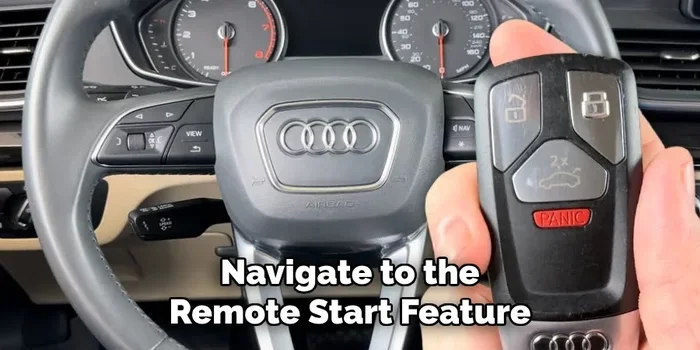
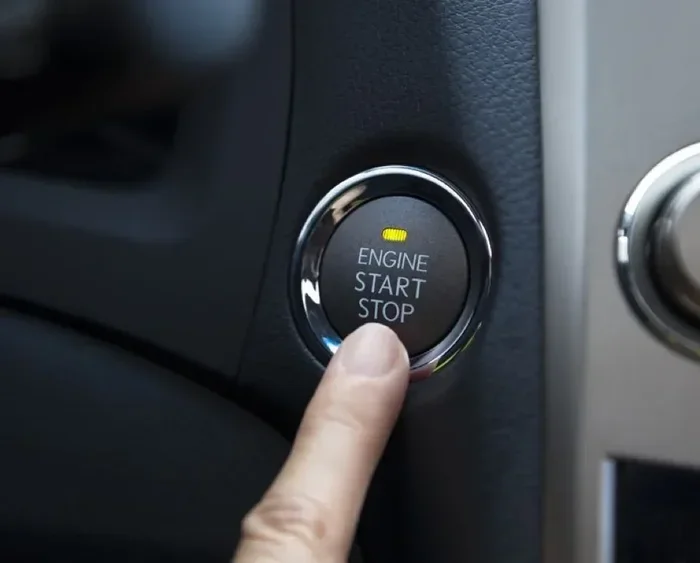
Before we dive into remote start, it helps to understand how push-button start works in the first place. Most modern cars use a smart key system. The key fob communicates with your car through a radio signal. When you press the engine start button, the car verifies the fob is nearby. If it is, the ignition system engages and the engine starts.
How the Immobilizer Works
Every push-button start car has an immobilizer. This is a security feature that prevents the engine from starting without the correct key fob present. The immobilizer reads a unique code from your fob. If the code matches, the car allows the engine to run. If it does not match, the car stays locked and the engine will not start.
This security layer is important. It means that adding remote start is not as simple as wiring into the ignition. You need a system that can communicate with the immobilizer properly. A bypass module handles this communication. It tricks the car into thinking the key fob is inside the vehicle, even when it is not.
Factory Remote Start vs. Aftermarket Remote Start
Some vehicles come with factory remote start from the manufacturer. This means the feature is built into the car’s computer system. You can usually activate it through the key fob or a smartphone app. If your car has factory remote start, you are already set.
However, many push-button start cars do not include this feature. In those cases, you need an aftermarket remote start system. Aftermarket systems are third-party devices that add remote start functionality to your vehicle. They work with almost any make and model. The key is finding the right kit for your specific car.
Can You Add Remote Start to a Push-Button Start Car?
The short answer is yes, you can add remote start to a push-button start car. But the process is not one-size-fits-all. Different vehicles require different types of remote start systems. The type of system you need depends on your car’s year, make, model, and whether it has a factory alarm or security system.
What You Need for a Successful Installation
Adding remote start to a push-button start vehicle requires a few key components. First, you need a remote start module. This is the brain of the system. It controls the start, stop, and run functions of your engine. Second, you need a bypass module. This device communicates with the immobilizer and tricks the car into allowing a remote start.
You will also need a remote control or a smartphone interface. Basic kits come with a handheld remote. More advanced kits include Bluetooth or Wi-Fi modules that connect to your phone. The smartphone option is incredibly convenient. You can start your car from anywhere with a cell signal.
Here is a quick look at what most kits include:
- Remote start module – Controls engine start and stop functions
- Bypass module – Works with the immobilizer system
- Remote control or smartphone interface – Lets you trigger the start from a distance
- Wiring harness and installation hardware – Connects everything to your car’s electrical system
- Two-way remote (optional) – Sends a confirmation signal back to you
Compatibility by Vehicle Type
Not all push-button start cars are the same when it comes to remote start compatibility. Luxury brands like BMW, Mercedes-Benz, and Audi often have more complex security systems. These may require a specific bypass module or a more advanced installation kit.
Japanese and Korean brands like Toyota, Honda, and Hyundai tend to be more straightforward. Their systems are often easier to interface with aftermarket remote start modules. American brands like Ford, Chevrolet, and Jeep also have good aftermarket support. Most major remote start brands offer vehicle-specific installation guides.
Here is a quick comparison of popular brands and their remote start compatibility:
- Toyota and Lexus: Excellent aftermarket support. Many kits plug and play with minimal wiring.
- Honda and Acura: Good compatibility. Some models require a specific bypass module.
- Ford and Lincoln: Very compatible. Ford’s SYNC system can integrate with smartphone remotes.
- Chevrolet and GMC: Strong support. Many kits work with OnStar connectivity for added features.
- BMW and Mercedes: More complex. Requires a high-end bypass module and professional installation.
- Hyundai and Kia: Good compatibility. Most kits work well with these brands.
How Remote Start Installation Works
Installing a remote start system on a push-button start car involves connecting the remote start module to your vehicle’s wiring. The bypass module is also wired into the ignition and immobilizer circuits. Once everything is connected, the system is programmed to recognize your remote or smartphone app.
DIY Installation vs. Professional Installation
Some people choose to install remote start kits themselves. If you have experience working with car electronics, this can save you money. DIY kits are available from brands like Compustar and Viper. They come with detailed wiring diagrams and instructions.
However, professional installation is the safer choice for most people. A trained technician knows how to wire into your car without damaging the electrical system. They also ensure the bypass module is programmed correctly. A bad installation can cause problems with your ignition, alarm, or even your car’s computer.
Here are some factors to consider when deciding between DIY and professional:
- Your experience level: If you have never wired a car before, go with a professional.
- Your vehicle’s complexity: Luxury or European cars with complex wiring benefit from professional work.
- Warranty concerns: Professional installation is less likely to void your warranty.
- Time and effort: A professional can usually finish the job in a few hours.
Step-by-Step Overview of the Installation Process
While every installation is different, here is a general overview of what happens during a professional remote start install:
- Vehicle assessment: The technician checks your car’s wiring diagram and identifies the correct access points.
- Remote start module installation: The main module is mounted in a hidden location, usually under the dashboard.
- Bypass module wiring: The bypass module is connected to the ignition and immobilizer circuits.
- Power and ground connections: The module is wired to a constant power source and a proper ground.
- Remote or app programming: The system is programmed to work with your remote control or smartphone.
- Testing: The technician tests the system multiple times to ensure it works properly and safely.
The entire process typically takes two to four hours. Most shops will also test the system over the next few days to make sure everything holds up.
Top Remote Start Systems for Push-Button Start Cars
Not all remote start systems are created equal. Some are basic and affordable. Others come with smartphone control, two-way communication, and advanced security features. Here are some of the best options available for push-button start cars.
Compustar
Compustar is one of the most popular aftermarket remote start brands. Their systems are known for reliability and wide compatibility. The Compustar Pro R5 model supports two-way remote control and works with most push-button start vehicles. It also has a long range of up to 3,000 feet with the extended antenna option.
Compustar kits range from about $200 to $500 for the basic setup. Professional installation typically adds another $100 to $300 depending on your vehicle. Their customer support is strong, and they offer a wide range of vehicle-specific installation guides.
Viper
Viper has been in the car alarm and remote start game for decades. Their SmartStart Pro system is a top choice for push-button start cars. It offers smartphone control through the Viper SmartStart app. You can start your car from your phone, set schedules, and even control climate features remotely.
Viper systems tend to run $250 to $600 for the kit. Installation costs are similar to Compustar. Viper also offers a one-way remote option for budget-conscious buyers and a two-way option for those who want confirmation that their car started.
DroneMobile
DroneMobile is a premium option that focuses heavily on smartphone connectivity. Their system works through a cellular connection, meaning you can start your car from anywhere with cell service. This is ideal for people who want to start their car from work or while running errands.
The DroneMobile system is more expensive, usually starting around $500 for the hardware. The subscription-based app service adds a monthly fee of about $25 to $30. However, the convenience and range are hard to beat. If you want the ultimate remote start experience, DroneMobile is worth considering.
Avital
Avital offers more budget-friendly remote start options. Their systems are simple to install and work well with most push-button start cars. Avital is a great choice if you just want the basics without spending a lot of money. Their range is shorter than premium brands, but for most daily use, it works perfectly fine.
Avital kits typically cost between $100 and $250. Installation is straightforward and many people choose the DIY route with Avital systems. This brand is perfect for first-time installers who want a simple, no-fuss setup.
Pros and Cons of Adding Remote Start
Like any car upgrade, adding remote start comes with advantages and disadvantages. It is important to weigh both sides before making a decision. Here is a balanced look at what you gain and what you might lose.
The Pros
- Comfort in extreme weather: You can warm up your car on cold mornings or cool it down in the summer before you get in.
- Convenience: You do not have to stand outside in the rain or snow to start your car.
- Engine health: Letting your car warm up before driving can reduce engine wear, especially in cold climates.
- Increased resale value: Remote start is a desirable feature that many buyers look for when purchasing a used car.
- Security benefits: Many remote start systems include alarm features that can deter theft.
- Smartphone control: Modern systems let you start your car from anywhere with a phone signal.
The Cons
- Installation cost: Professional installation can add $200 to $500 to the total cost.
- Warranty concerns: Some dealers may void parts of your warranty if they discover an aftermarket remote start system.
- Battery drain: Leaving your car idling remotely can drain the battery over time, especially if done frequently.
- Complexity with advanced vehicles: Luxury and European cars may require more expensive and complex installation kits.
- Range limitations: Basic remotes have a limited range of about 1,000 to 3,000 feet. Smartphone systems need a cell signal.
Is Adding Remote Start Worth It?
The answer depends on your lifestyle and where you live. If you live in a place with harsh winters or hot summers, remote start is a game-changer. There is nothing like walking into a warm car on a freezing January morning. The comfort alone can make it worth the investment.
Remote start also adds a layer of convenience to your daily routine. You can start your car while you finish your coffee, grab your bag, or check your phone. For people with busy schedules, those few extra minutes add up over time.
From a financial perspective, remote start can also be a smart move. It helps preserve your engine in cold weather by allowing proper warm-up time. It can also increase your car’s resale value. Many buyers specifically look for vehicles with remote start already installed.
However, if you live in a mild climate and your car already has a comfortable interior, the benefits may feel less impactful. In that case, you might want to weigh the cost against the convenience. A professional consultation with a local installer can help you decide if it makes sense for your specific situation.
Common Mistakes to Avoid When Adding Remote Start
Installing a remote start system is not difficult, but there are common mistakes that can cause problems. Avoiding these pitfalls will save you time, money, and frustration.
Skipping the Bypass Module
The most common mistake is trying to install a remote start system without a bypass module. On push-button start cars, the immobilizer will prevent the engine from starting remotely without it. Skipping this component means your remote start will not work at all, or it could cause error codes and warning lights on your dashboard.
Choosing the Wrong Kit
Not every remote start kit works with every vehicle. Some kits are designed for traditional key ignition cars and will not function properly with push-button start systems. Always verify that the kit you buy is compatible with your specific make, model, and year.
Ignoring Warranty Implications
Many car owners forget to check their warranty before installing an aftermarket device. If your dealer finds a non-OEM remote start system during a warranty claim, they may deny the claim. Always check with your dealer or read your warranty terms carefully before proceeding with any installation.
Poor Wiring and Grounding
Bad wiring is the number one cause of remote start problems. Loose connections, incorrect wire splicing, or poor grounding can lead to intermittent failures, battery drain, or even electrical shorts. If you are not confident in your wiring skills, pay a professional to do the job right.
Frequently Asked Questions About Remote Start and Push-Button Start Cars
Can I add remote start to any push-button start car?
Most push-button start cars can support aftermarket remote start. However, compatibility depends on your vehicle’s year, make, model, and security system. Luxury and European vehicles may require more advanced bypass modules. Always check with the remote start manufacturer or a professional installer to confirm your specific car is compatible before purchasing a kit.
Will adding remote start void my car’s warranty?
This depends on your warranty terms and how the installation is done. Under federal law in the United States, a dealer cannot void your entire warranty just because you added an aftermarket part. However, if the remote start system directly causes a problem with another component, the dealer may deny the claim for that specific issue. Professional installation and high-quality kits reduce this risk significantly.
How much does it cost to add remote start to a push-button start car?
The total cost varies based on the system you choose and whether you install it yourself or hire a professional. Basic DIY kits start around $100 to $200. Mid-range systems with two-way remotes cost $250 to $500. Premium smartphone-controlled systems can run $500 to $800 or more. Professional installation typically adds $100 to $300 to the total cost.
How far can I start my car with a remote start system?
Basic handheld remotes typically have a range of 1,000 to 3,000 feet. Smartphone-controlled systems can work from anywhere with a cellular signal, which means virtually unlimited range. Two-way remotes send a confirmation signal back to you, so you know your car has started successfully.
Is it safe to leave my car running with remote start?
Yes, modern remote start systems are designed with safety in mind. Most systems will automatically shut off the engine after a set period, usually 10 to 15 minutes. The car also remains in gear with the brakes engaged, so it cannot roll away. However, you should never leave a remote-started car unattended in an enclosed space like a garage due to carbon monoxide risks.
Can I control the climate with a remote start system?
Many modern remote start systems allow you to control your car’s climate settings remotely. This works especially well with vehicles that have automatic climate control. Some systems can even pre-condition the battery in electric and hybrid vehicles, which is a great feature for cold weather. Check your specific system’s features to see if climate control integration is available.
Final Thoughts on Adding Remote Start to Your Push-Button Start Car
Adding remote start to a push-button start car is absolutely doable. Whether you choose a simple key fob system or a full smartphone-controlled setup, the technology is mature and widely available. The key is choosing the right system for your vehicle, your budget, and your needs.
If you are comfortable with car electronics, a DIY kit can save you money and give you a great sense of accomplishment. If you prefer a hands-off approach, professional installation ensures everything works perfectly and safely from day one.
Think about your daily routine and what you want from a remote start system. Do you need basic comfort in winter? A budget-friendly one-way remote might be all you need. Do you want maximum convenience and smartphone control? Invest in a premium system with a cellular connection.
Whatever you decide, remote start is one of the most satisfying car upgrades you can make. It adds real value to your daily driving experience and can even improve your vehicle’s long-term health. Do your research, choose a quality system, and enjoy the comfort of starting your car from anywhere.