Do You Have to Pay a Monthly Fee for Navigation Systems
Do you have to pay a monthly fee for navigation systems? The answer depends on the type of system you own. Some built-in GPS units require ongoing map subscriptions, while others offer free updates for life. Smartphone apps and offline map tools can also replace costly car navigation plans. Understanding your options helps you avoid unnecessary expenses and choose the best fit for your driving needs.
Do you have to pay a monthly fee for navigation systems? It is a question many car owners ask when they buy a new vehicle or upgrade their current GPS setup. The short answer is: it depends. Some systems ask for a recurring fee every month, while others let you use maps and directions completely free. Understanding how these systems work can save you hundreds of dollars over time.
Navigation has come a long way from the old days of unfolding paper maps in the passenger seat. Today, most cars come with some form of GPS navigation built right into the dashboard. But behind the convenience, there is often a cost hidden in the fine print. Whether you are planning a daily commute or a cross-country road trip, knowing what you are paying for matters.
This guide breaks down everything you need to know about car navigation system costs. We will look at the different types of systems, which ones charge fees, and how you can avoid paying more than you need to. By the end, you will have a clear picture of your options and feel confident making the right choice for your wallet and your driving habits.
Key Takeaways
- Not all navigation systems require monthly fees. Many modern cars include free map updates or lifetime subscriptions.
- Built-in car GPS units from brands like BMW and Audi often charge for map data and live traffic updates.
- Smartphone navigation apps like Google Maps and Waze offer free turn-by-turn directions with live traffic.
- Offline GPS devices from Garmin and TomTom can work without any recurring costs.
- Annual map subscriptions typically cost between $50 and $200 per year, depending on the brand.
- You can save money by using free alternatives or choosing systems with lifetime map updates.
📑 Table of Contents
- What Is a Car Navigation System and How Does It Work?
- Types of Navigation Systems That Charge Monthly Fees
- Navigation Systems That Do Not Require Monthly Payments
- How to Decide if a Paid Navigation Subscription Is Worth It
- Common Mistakes People Make with Navigation Subscriptions
- Expert Tips for Saving Money on Navigation
- Comparison: Free vs Paid Navigation Systems
- The Future of Car Navigation and Monthly Fees
- Conclusion
What Is a Car Navigation System and How Does It Work?
A car navigation system is a tool that helps drivers find their way from one place to another. It uses satellite navigation signals from orbiting satellites to pinpoint your exact location on Earth. From there, it calculates the best route and gives you turn-by-turn directions to your destination.
Most systems also include features like live traffic updates, speed camera alerts, and points of interest searches. Some even let you search for gas stations, restaurants, and hotels along your route. The more features a system has, the more it may cost you in monthly or annual fees.
How GPS Navigation Works in Your Car
Here is how it works in simple terms. A small receiver inside your car talks to a group of satellites high above the Earth. Those satellites send signals down to your car. The navigation system uses those signals to figure out where you are. Then it compares your location to a digital map stored inside the system or downloaded from the cloud.
If your system has a data connection, it can pull in live traffic data and weather alerts. This makes your route smarter and more accurate. But that data connection often comes with a price tag. Systems that rely on cellular data usually require some kind of map subscription or service plan.
Types of Navigation Systems That Charge Monthly Fees
Not all navigation systems are created equal. Some brands charge a monthly or annual fee for map data, traffic updates, or premium features. Here are the most common types of systems that come with ongoing costs.
Factory-Built-In Navigation Units
Many new cars come with a navigation system already installed. Brands like BMW, Audi, Mercedes-Benz, and Lexus often include these systems. But they usually come with a catch. The maps and traffic features may only work for a limited time before you need to pay for a navigation subscription.
For example, some manufacturers offer free map updates for the first three to five years. After that, you must pay an annual or monthly fee to keep getting new maps and live traffic data. These fees can range from $50 to $200 per year, depending on the brand and the features included.
Premium Navigation Features
Some systems offer a basic navigation package for free but charge extra for premium features. These might include:
- Live traffic rerouting that adjusts your route based on current road conditions
- Voice-guided navigation with natural-sounding directions
- Points of interest recommendations tailored to your preferences
- 3D map views and landmark recognition
- Weather alerts and road condition warnings
If you use these features often, the monthly cost can add up. It is important to weigh whether the convenience is worth the ongoing expense.
Connected Car Services
Modern cars are becoming more like smartphones on wheels. Many connected car services include navigation as part of a broader subscription package. These packages might cover Wi-Fi hotspots, remote start, and vehicle diagnostics. The navigation feature is just one part of a larger monthly bill.
Companies like OnStar from GM and BMW ConnectedDrive offer these bundled services. The fees can range from $15 to $80 per month depending on the level of service you choose.
Navigation Systems That Do Not Require Monthly Payments
The good news is that you do not have to pay a monthly fee to get reliable directions. There are plenty of options that work without any recurring costs.
Smartphone Navigation Apps
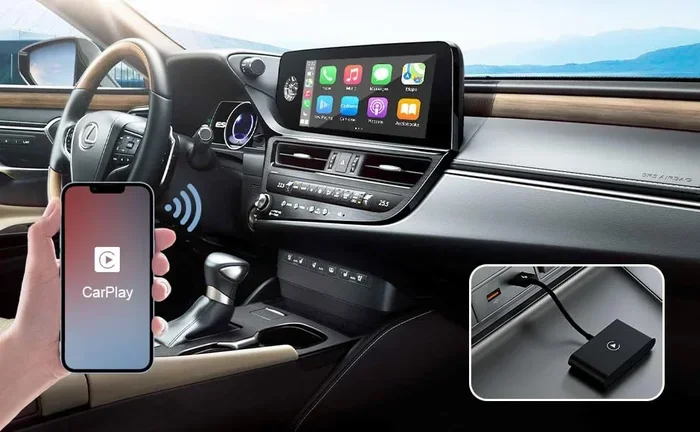
Your smartphone is one of the best free navigation tools available. Apps like Google Maps, Waze, and Apple Maps offer full GPS tracking and turn-by-turn directions at no cost. These apps use your phone’s data connection to provide live traffic updates and rerouting.
Google Maps is one of the most popular free navigation apps in the world. It covers millions of roads and businesses across the globe. Waze is another great option that relies on community-driven traffic reports from other drivers. Both apps work well for daily commutes and long road trips alike.
One downside to using your phone is that it can drain your battery quickly. It helps to invest in a good car charger or a mount that keeps your phone visible and powered up during your drive.
Offline GPS Devices
If you do not want to rely on your phone, standalone GPS devices are a great alternative. Brands like Garmin and TomTom make devices that store maps directly on the unit. You do not need a data connection or a monthly subscription to use them.
These devices are especially useful for road trips in areas with poor cell service. They also tend to have better battery life and larger screens than phones. You buy the device once and use it for years without any additional costs.
Lifetime Map Updates
Some car navigation systems come with a lifetime map subscription. This means you get free map updates for as long as you own the vehicle. Brands like Ford, Toyota, and some Tesla models offer this feature on certain trim levels.
A lifetime subscription is one of the best values you can get in a car. You never have to worry about paying for map updates again. When shopping for a new car, look for this feature if avoiding monthly fees matters to you.
How to Decide if a Paid Navigation Subscription Is Worth It
Before you commit to a monthly navigation fee, take a step back and evaluate your needs. Ask yourself a few simple questions.
How Often Do You Use Navigation?
If you use GPS directions every day for work or school, a paid subscription might be worth it. Live traffic data and smart rerouting can save you significant time. But if you only use navigation a few times a year, a free app on your phone will do the job just fine.
What Features Do You Actually Need?
Not everyone needs premium navigation features. Many drivers just want basic directions and a clear map. If that sounds like you, a free app or an offline GPS device will cover your needs without any extra cost.
On the other hand, if you frequently travel through unfamiliar cities or handle delivery routes, live traffic updates and advanced routing can be a game-changer. In that case, a paid subscription might be a smart investment.
Can You Use a Free Alternative?
Always check if a free alternative exists before paying for a subscription. Most people are surprised to learn how powerful free navigation apps have become. Google Maps, for example, offers street view, business hours, and reviews alongside its directions. That is a lot of value for zero dollars.
Common Mistakes People Make with Navigation Subscriptions
There are several mistakes car owners make when it comes to navigation fees. Avoiding these pitfalls can save you money and frustration.
Not Reading the Fine Print
Many people sign up for a car with a built-in navigation system without reading the details. They assume everything is included for free. Then, a year or two later, they get a bill for map updates or a service fee. Always ask the dealer about ongoing costs before you sign the paperwork.
Paying for Features You Never Use
If you never use live traffic updates, there is no reason to pay for them. Many subscriptions bundle features together, so you might be paying for things you do not need. Look for plans that let you customize what you pay for.
Ignoring Free Phone Apps
Some drivers pay for a built-in navigation system when a free app on their phone would work just as well. Before you spend money, try the free options first. You might be surprised at how well they work.
Forgetting to Cancel Unused Subscriptions
If you had a trial period or a short-term subscription, make sure you cancel it before the billing period starts. It is easy to forget, and those small charges can pile up over time.
Expert Tips for Saving Money on Navigation
Saving money on navigation is easier than you might think. Here are some practical tips from experts and experienced drivers.
Use Your Phone as Your Primary Navigator
Most people already carry a powerful GPS device in their pocket: their smartphone. Apps like Google Maps and Waze offer free, reliable navigation with live traffic updates. Pair your phone with a car mount and a Bluetooth connection to your car’s audio system, and you have a full-featured navigation setup for free.
Look for Lifetime Subscription Deals
When buying a new car, ask the dealer about lifetime map update options. Some manufacturers offer this feature for free or at a one-time low cost. It is a great way to avoid monthly fees while still getting up-to-date maps.
Compare Navigation Apps Before You Pick One
Not all free navigation apps are the same. Google Maps is great for general driving, but Waze is better for avoiding traffic jams. Apple Maps has improved a lot in recent years and works well for iPhone users. Try a few apps and see which one fits your driving style best.
Download Offline Maps for Travel
Both Google Maps and Waze let you download maps for offline use. This is a great trick for road trips through areas with weak cell service. You get directions without using any data, and you do not need a paid subscription to do it.
Set a Reminder to Review Your Subscriptions
If you do pay for a navigation subscription, set a calendar reminder to review it every six months. Check whether you are still using the features you are paying for. If not, cancel and switch to a free option. Small actions like this can add up to big savings over the years.
Comparison: Free vs Paid Navigation Systems
Here is a quick look at how free and paid navigation systems compare.
- Cost: Free apps cost nothing. Paid subscriptions can range from $10 to $80 per month.
- Map Updates: Free apps update automatically. Paid systems may require manual updates or a subscription.
- Traffic Data: Most free apps offer live traffic. Paid systems may include more detailed traffic insights.
- Offline Use: Free apps can work offline with downloaded maps. Paid built-in systems usually need a data connection.
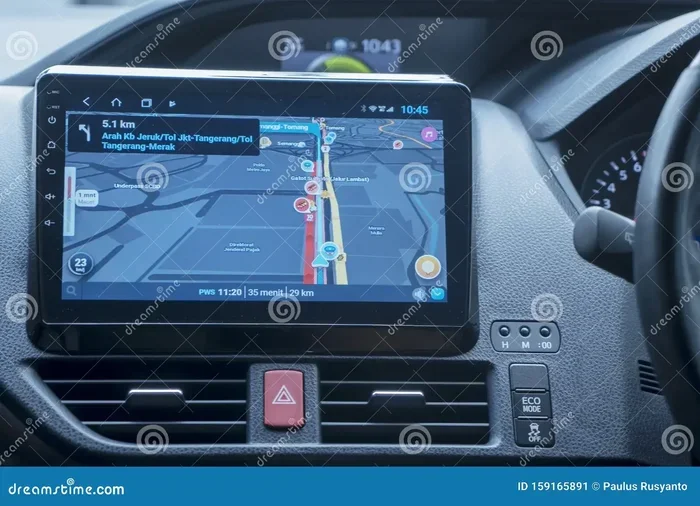
- Screen Size: Phone screens are smaller than built-in car displays. But phone mounts make them easy to see while driving.
- Voice Guidance: Both free and paid systems offer voice-guided navigation with clear directions.
The Future of Car Navigation and Monthly Fees
The car navigation industry is changing fast. Many manufacturers are moving toward free map updates and fewer subscription requirements. Tesla, for example, includes navigation with no monthly fee in all of its vehicles. Other brands are following suit as competition from free phone apps grows.
In the coming years, we can expect even more car makers to drop monthly navigation fees. The rise of offline navigation and improved phone apps is pushing the industry toward more affordable options. For consumers, this is great news. It means more choices and lower costs for getting from point A to point B.
That said, premium features like real-time traffic, advanced routing, and integrated dashcam feeds may still come with a price. The key is to understand what you are paying for and whether those features genuinely improve your driving experience.
Conclusion
So, do you have to pay a monthly fee for navigation systems? The answer is not a simple yes or no. It depends on the system you choose, the car you drive, and the features you need. Many drivers can get excellent navigation for free using smartphone apps. Others prefer the convenience of a built-in system with a map subscription or lifetime updates.
The most important thing is to know your options before you commit. Read the details, compare free and paid alternatives, and choose the option that fits your budget and driving habits. With the right approach, you can enjoy reliable GPS navigation without paying more than you need to. Take control of your navigation costs today and drive smarter, not harder.
Frequently Asked Questions
Do all built-in car navigation systems require a monthly fee?
No, not all built-in systems charge monthly fees. Some car brands offer free map updates for the life of the vehicle. Others include a free trial period before requiring a subscription. Always check the details with the manufacturer or dealer before buying.
Can I use my phone instead of paying for a car navigation system?
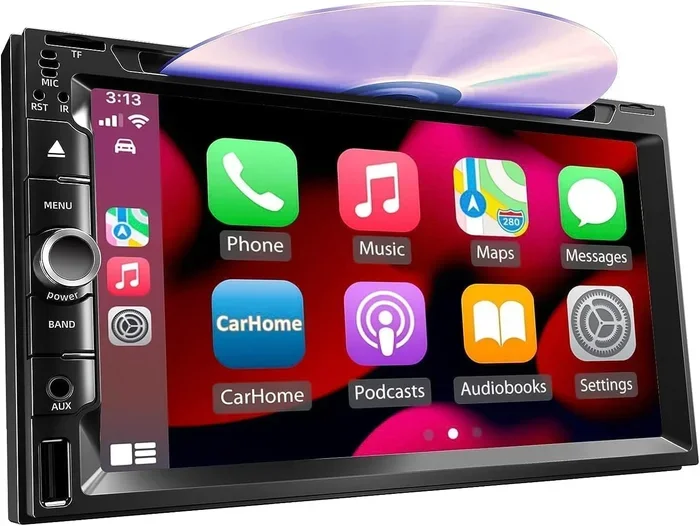
Yes, you can. Free apps like Google Maps, Waze, and Apple Maps provide reliable directions, live traffic updates, and voice-guided navigation. All you need is a phone mount and a car charger. Many drivers find that phone apps work just as well as built-in systems.
How much do navigation subscriptions typically cost per month?
Navigation subscription costs vary widely. Some plans start at around $10 per month for basic map updates. Premium plans with live traffic and advanced features can cost $50 or more per month. Annual plans often offer better value than monthly payments.
What is a lifetime map subscription for navigation systems?
A lifetime map subscription means you pay once and receive map updates forever. You do not need to make any recurring monthly or annual payments. Some car manufacturers include this feature for free, while others offer it as an add-on purchase at the time of buying the vehicle.
Do offline GPS devices require any monthly fees?
No, offline GPS devices from brands like Garmin and TomTom do not require any monthly fees. You buy the device upfront, and it works independently without a data connection. Maps are stored directly on the device, and you can update them periodically for free or a one-time fee.
Are free navigation apps as reliable as paid car systems?
For most drivers, free navigation apps are just as reliable as paid systems. They offer live traffic data, turn-by-turn directions, and millions of points of interest. The main difference is screen size and integration with the car’s display. For everyday driving, free apps are more than sufficient.