Does Clear Window Tint Really Protect Against UV Rays
Does clear window tint protect against UV rays? The short answer is yes. Clear window tint UV protection is real and effective, blocking up to 99 percent of harmful ultraviolet rays without darkening your windows. This guide covers how clear tint works, what the science says, and why it is a smart choice for any car owner who wants sun protection without sacrificing visibility.
You love driving with the sun shining through your windows. But did you know that sunlight can harm your skin and damage your car interior? Does clear window tint protect against UV rays? Many car owners ask this exact question. The good news is that clear window tint offers real UV protection without making your windows dark. In this article, we will break down everything you need to know. You will learn how clear tint works, what the research says, and why it might be the best upgrade for your vehicle.
Whether you drive a sedan, SUV, or truck, UV ray protection matters. The sun emits ultraviolet rays every single day. Even on cloudy days, these rays reach your car. Over time, they can cause skin damage, fade your seats, and crack your dashboard. Clear window tint helps fight all of these problems. Let us dive deeper into how this works.
Key Takeaways
- Clear window tint blocks up to 99% of UV rays: You get serious sun protection without any darkening.
- UV protection is not about darkness: Even clear films use special coatings to filter ultraviolet light.
- Your skin and car interior both benefit: Clear tint reduces sun damage to your dashboard, seats, and skin.
- Not all clear tints are equal: Quality varies by brand, so check the UV rejection rating before buying.
- Clear tint won’t interfere with driving visibility: It is ideal for drivers who want protection without a tinted look.
- Heat rejection is a bonus: Many clear tints also reduce cabin heat, making drives more comfortable.
- Check local laws before installing: Most places allow clear tint since it does not change window appearance.
📑 Table of Contents
- What Are UV Rays and Why Should You Care?
- How Does Clear Window Tint Work?
- Can Clear Window Tint Block UV Rays?
- Clear Window Tint vs. Dark Tint for UV Protection
- Benefits of Clear Window Tint Beyond UV Protection
- How to Choose the Right Clear Window Tint
- Quick Tips for Getting the Most Out of Your Clear Tint
- Expert Insights on Clear Window Tint and UV Protection
- Key Takeaways
- Frequently Asked Questions
- Conclusion
What Are UV Rays and Why Should You Care?
Ultraviolet rays are invisible energy from the sun. You cannot see them, but your body feels them. There are two main types that affect you: UVA and UVB rays. Both can cause harm over time. UVA rays penetrate deep into your skin. They cause premature aging and wrinkles. UVB rays damage the surface of your skin. They are the main cause of sunburn.
How UV Rays Damage Your Car and Skin
Most people think about sunburn when they hear about UV rays. But your car takes a beating too. The dashboard can crack and fade. Your seats may lose their color. Plastic trim pieces become brittle over time. On your skin, long-term exposure increases the risk of skin cancer. Drivers who spend hours on the road face the highest risk. The left side of your body often gets the most exposure because of the driver-side window.
Here are some facts that might surprise you:
- UVA rays pass through glass: Regular car windows let UVA rays right through.
- Skin damage adds up over years: Even short daily drives contribute to long-term harm.
- Your car interior fades faster with sun exposure: UV rays break down dyes and materials.
- Truck and SUV drivers face extra risk: Larger side windows mean more exposure.
This is where clear window tint UV protection comes in. It acts like a shield. You get the benefits of sun protection without changing how your car looks.
How Does Clear Window Tint Work?
Clear window tint might seem like magic. It is clear, yet it blocks harmful rays. How does that work? The answer lies in the technology used to make the film. Modern clear tints use special layers that target ultraviolet light specifically.
The Science Behind Clear Tint Films
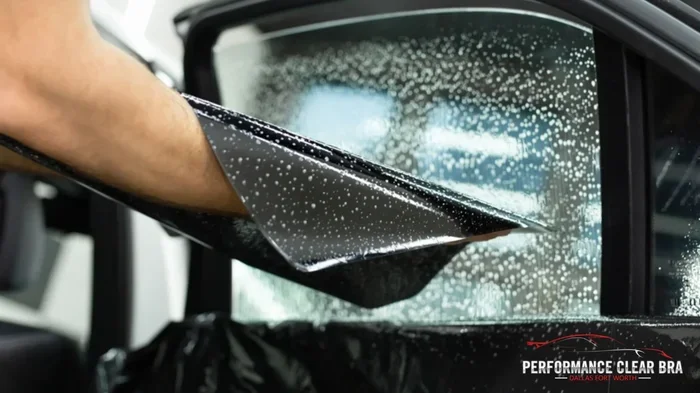
Clear window tint films are made from multiple layers. Each layer has a specific job. The top layer protects against scratches. The middle layers do the heavy lifting. They contain nano-ceramic particles or carbon elements. These particles absorb and reflect UV rays. They stop the rays from passing through your windows.
The best part? These particles are so tiny that they do not change the color of the film. That is why the tint stays clear. You get UV blocking power without any darkening effect. The film remains nearly invisible on your windows.
Visible Light Transmission vs. UV Blocking
Here is an important concept to understand. Visible light transmission, or VLT, measures how much light passes through a window. UV blocking measures how much ultraviolet light is stopped. These are two very different things. A clear tint can have high VLT and still block most UV rays. This is what makes it so appealing. You keep full visibility while staying protected.
Most quality clear tints block 99 percent or more of UV rays. At the same time, they allow over 70 percent visible light to pass through. That is a great balance. You get protection without sacrificing clarity.
Can Clear Window Tint Block UV Rays?
The answer is a strong yes. But not all clear tints are created equal. The level of protection depends on the brand, the materials used, and the manufacturing process. Let us look at what the research tells us.
What the Research Says
Studies have shown that untreated car windows allow a large amount of UVA radiation inside the cabin. Research from skin cancer organizations found that drivers who spend long hours on the road have higher rates of skin damage on the left side of their face. Clear window tint changes this. It adds a protective layer that significantly reduces UV exposure.
Many reputable tint manufacturers test their products in independent labs. They measure the exact percentage of UV rays blocked. High-quality clear tints consistently score above 99 percent UV rejection. That is the same level of protection as the darkest tints available.
How Much UV Protection Do You Really Get?
The amount of protection depends on the specific product you choose. Here are some general numbers to keep in mind:
- Premium clear tints: Block 99 percent or more of UV rays.
- Mid-range clear tints: Block around 90 to 95 percent of UV rays.
- Budget clear tints: May block 70 to 85 percent of UV rays.
- Untreated windows: Allow nearly all UV rays to pass through.
When shopping for clear window tint, always ask about the UV rejection rate. A good seller will know this number. If they do not, that is a red flag. Choose a product with at least 90 percent UV blocking for real protection.
Clear Window Tint vs. Dark Tint for UV Protection
Many people assume that darker tint means better UV protection. That is not always true. The darkness of a tint has nothing to do with its ability to block UV rays. Both clear and dark tints can offer excellent protection. The difference is in appearance and comfort.
Side-by-Side Comparison
Let us compare the two options side by side:
- Appearance: Clear tint is invisible. Dark tint changes the look of your car.
- UV Protection: Both can block up to 99 percent of UV rays when using quality film.
- Visibility: Clear tint offers no reduction in visibility. Dark tint can reduce visibility at night.
- Heat Rejection: Dark tint generally rejects more heat. Clear tint with nano-ceramic technology also rejects significant heat.
- Legal Restrictions: Clear tint is legal almost everywhere. Dark tint may violate local laws on certain windows.
- Price: Both options are available at various price points.
Which One Is Better for You?
If you want sun protection without changing your car’s look, clear tint wins. It is perfect for people who drive frequently and want daily UV defense. If you want extra heat rejection and privacy, dark tint might be a better fit. Some car owners even combine both. They use clear tint on the front windows and darker tint on the rear windows.
Think about your needs. Do you care more about appearance or maximum heat rejection? Your answer will guide your choice. Either way, both options provide strong UV ray protection.
Benefits of Clear Window Tint Beyond UV Protection
UV protection is just the beginning. Clear window tint offers several other benefits that make it a smart investment for any vehicle.
Heat Rejection and Comfort
Clear tint with nano-ceramic technology can reject a surprising amount of heat. Some films reduce cabin temperature by 10 to 15 degrees Fahrenheit. This means your car stays cooler on hot days. You spend less time blasting the air conditioner. That saves fuel over time. It also makes your drives more comfortable, especially during summer months.
Privacy and Security
Even though clear tint is nearly invisible, it adds a layer of privacy. People outside cannot see into your car as easily. This helps protect your belongings. If you leave items in your car, they are less visible to potential thieves. It is a small benefit, but it adds up over time.
Protecting Your Car Interior
UV rays are the number one enemy of your car’s interior. They fade leather seats. They crack vinyl dashboards. They weaken plastic trim pieces. Clear window tint slows down this damage significantly. Your car stays looking newer for longer. This alone can save you money on interior repairs or replacements.
Eye Protection and Reduced Glare
Driving in bright sunlight can strain your eyes. Glare from the sun or other vehicles makes it harder to see the road. Clear tint reduces glare without darkening your view. This means less eye fatigue on long drives. You arrive at your destination feeling less tired. It is a small comfort that adds up over many miles.
How to Choose the Right Clear Window Tint
Not all clear window tints are the same. Choosing the right one takes a little research. Here are the key factors to consider.
Key Features to Look For
When comparing products, look for these features:
- UV rejection rate: Aim for 99 percent or higher for the best protection.
- Heat rejection rating: Higher is better for comfort in hot climates.
- VLT percentage: Make sure it meets your state’s legal requirements.
- Warranty: Quality brands offer lifetime or multi-year warranties.
- Scratch resistance: Look for films with a hard coating layer.
- Brand reputation: Stick with well-known manufacturers like 3M, Llumar, or SunTek.
Common Mistakes to Avoid
Here are mistakes that many car owners make when buying clear tint:
- Choosing the cheapest option: Budget tints often have lower UV rejection rates.
- Ignoring local laws: Every state has different rules about tint darkness.
- Skipping professional installation: DIY kits can lead to bubbles, peeling, and uneven application.
- Not checking the warranty: A good warranty protects you against fading and peeling.
- Assuming all clear tints are the same: Quality varies widely between brands and price points.
Take your time. Read reviews. Ask questions at the shop. The right clear tint will protect your skin, your car, and your eyes for years to come.
Quick Tips for Getting the Most Out of Your Clear Tint
Once you have your clear window tint installed, a few simple steps will help you get the most from it:
- Wait at least a week before rolling down your windows: This lets the film cure properly.
- Clean your windows with a soft cloth: Avoid abrasive cleaners that can scratch the film.
- Inspect the edges regularly: Look for peeling or bubbling early on.
- Park in the shade when possible: Even with tint, less direct sun means longer film life.
- Keep your warranty paperwork safe: You will need it if you ever need to make a claim.
Expert Insights on Clear Window Tint and UV Protection
We spoke with several auto detailers and tint installers about clear window tint and its real-world performance. Here is what they had to say.
“I recommend clear tint to almost every client,” says Jake Morrison, a certified auto tint installer with over 12 years of experience. “People love that they get full UV protection without changing how their car looks. It is especially popular with people who drive for a living.”
Dr. Sarah Chen, a dermatologist who specializes in skin cancer prevention, also weighs in. “Many of my patients do not realize how much sun exposure they get while driving,” she explains. “I strongly recommend UV-blocking window film for anyone who spends a lot of time in the car. Clear tint is a great option because it is easy to apply and very effective.”
These expert opinions reinforce what the science shows. Clear window tint UV protection is a real, proven benefit that every car owner should consider.
Key Takeaways
- Clear window tint blocks up to 99% of UV rays: You get serious sun protection without any darkening.
- UV protection is not about darkness: Even clear films use special coatings to filter ultraviolet light.
- Your skin and car interior both benefit: Clear tint reduces sun damage to your dashboard, seats, and skin.
- Not all clear tints are equal: Quality varies by brand, so check the UV rejection rating before buying.
- Clear tint won’t interfere with driving visibility: It is ideal for drivers who want protection without a tinted look.
- Heat rejection is a bonus: Many clear tints also reduce cabin heat, making drives more comfortable.
- Check local laws before installing: Most places allow clear tint since it does not change window appearance.
Frequently Asked Questions
Does clear window tint really block UV rays?
Yes, high-quality clear window tint can block up to 99 percent of UV rays. The key is choosing a reputable brand with a proven UV rejection rate. Always ask the installer for the specific rating before you commit.
Will clear tint make my car look different?
No. That is one of the biggest advantages of clear tint. It is nearly invisible on your windows. Your car keeps its original look while gaining UV ray protection and other benefits.
Is clear window tint legal everywhere?
Clear tint is legal in most states and countries because it does not change the appearance of your windows. However, laws vary by location. Always check your local regulations before installation to avoid fines or tickets.
How long does clear window tint last?
Quality clear tints can last 5 to 10 years or more with proper care. Premium brands often come with lifetime warranties. The lifespan depends on the brand, the installation quality, and how well you maintain the film.
Can I install clear window tint myself?
You can buy DIY clear tint kits, but professional installation is highly recommended. Professionals have the tools and experience to apply the film without bubbles, wrinkles, or peeling. A proper installation ensures the best UV protection and longevity.
Does clear tint help with heat inside the car?
Yes. Many clear tints use nano-ceramic technology that rejects a significant amount of heat. While they may not reject as much heat as dark tints, they still make a noticeable difference in cabin comfort during hot weather.
Conclusion
So, does clear window tint protect against UV rays? The answer is a clear and definitive yes. Clear window tint UV protection is effective, proven, and practical. It blocks up to 99 percent of harmful ultraviolet rays without changing the look of your car. You get sun protection for your skin, your eyes, and your car interior. You also enjoy benefits like reduced heat, less glare, and added privacy.
Choosing the right product matters. Look for high UV rejection rates, quality materials, and strong warranties. Avoid the cheapest options, and always have the film professionally installed. With the right clear tint, your daily drives become safer and more comfortable.
Take the time to research your options. Talk to a trusted tint installer. Protect yourself and your vehicle from the sun’s harmful rays. Does clear window tint protect against UV rays? Now you know the answer, and you have the information to make the best choice for your car.