Georgia Window Tint Law Everything You Need to Know
Georgia window tint law sets clear rules on how dark or reflective your car windows can be. The state measures tint darkness using Visible Light Transmission (VLT) percentages, and each window has its own legal limit. Understanding these rules helps you avoid costly fines and keeps your vehicle street legal.
Key Takeaways
- Windshield tint: Only non-reflective tint is allowed above the AS-1 line in Georgia.
- Front side windows: Must allow more than 32% of light through (VLT).
- Rear side windows and rear windshield: Can be any darkness level on most vehicles.
- Medical exemptions: Georgia allows darker tint with a valid medical exemption certificate.
- Reflective tint: Not allowed on any window in Georgia.
- Tint tickets: Violations can result in fines up to $1,000 and points on your license.
- Certified film: Tint installers must use certified window film that meets Georgia standards.
📑 Table of Contents
- What Is the Georgia Window Tint Law?
- Legal Tint Darkness Limits for Each Window
- Medical Exemptions and Special Exceptions
- Common Mistakes That Lead to Tint Tickets
- What Happens If You Violate Georgia Tint Law?
- Tips for Choosing the Right Tint for Your Vehicle
- Frequently Asked Questions About Georgia Window Tint Law
- Conclusion
What Is the Georgia Window Tint Law?
Georgia window tint law governs how dark or reflective you can make your car windows. These rules exist for safety and visibility reasons. The state wants drivers to see clearly, especially at night and in bad weather.
The law uses a measurement called Visible Light Transmission, or VLT. VLT tells you what percentage of light passes through your window film. The lower the number, the darker the tint. For example, a 5% VLT tint lets through only 5% of light. A 70% VLT tint looks almost clear.
Georgia also has rules about reflective tint. You cannot use mirror-like or metallic finishes on any window. These rules apply to passenger cars, SUVs, and vans. The goal is simple: keep drivers safe and prevent accidents caused by dark or shiny windows.
If you have ever wondered about tint darkness limits or what legal tint percentages mean for your vehicle, this guide covers it all. Let us break down every rule you need to know.
Why Does Georgia Have Window Tint Laws?
Window tint laws exist for several important reasons. First, dark windows reduce a driver’s ability to see the road. This is especially true at dusk, dawn, and nighttime. Second, tint laws help law enforcement officers see inside vehicles during traffic stops. Third, overly dark windows can hide criminal activity from public view.
Georgia balances personal style with public safety. You can still enjoy the benefits of window film. But you must stay within the legal limits. Knowing these limits protects you from fines and keeps your car compliant.
Legal Tint Darkness Limits for Each Window
Georgia assigns different tint limits to different windows. The front windows have stricter rules than the rear windows. Here is a clear breakdown of what the law allows.
Windshield Tint Rules
The windshield has the most restrictions. You can only apply non-reflective tint to the top portion of the windshield. This tint must sit above the AS-1 line, which is usually printed on the windshield itself. The AS-1 line marks the area where tinting is permitted.
You cannot tint the entire windshield. The tint must not extend more than five inches down from the top. This rule ensures the driver has a clear view of the road ahead. Reflective or mirrored tint is completely banned on windshields in Georgia.
Front Side Window Tint Rules
Front side windows must allow at least 32% of visible light to pass through. This is the VLT requirement. In practical terms, this means your front windows cannot be too dark. The tint must feel relatively light and transparent.
Many popular tint films fall within this range. A 35 percent window tint is actually darker than Georgia allows for front windows. So if you want front windows tinted, you need to stay at 32% VLT or lighter.
This rule applies to both the driver and passenger front doors. There are no exceptions unless you have a medical exemption (more on that below).
Rear Side Windows and Rear Windshield Tint Rules
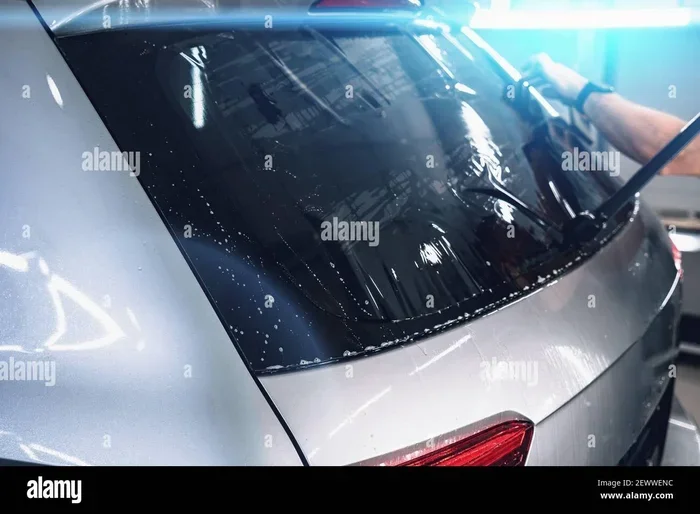
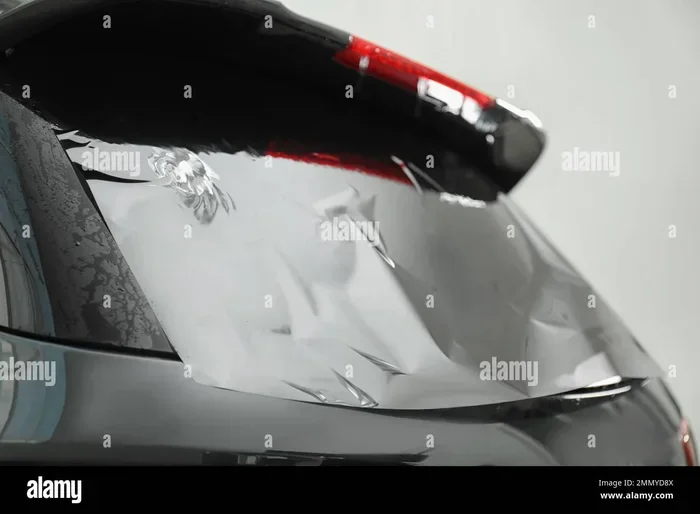
Here is where Georgia window tint law gives you more freedom. The rear side windows and rear windshield can be tinted to any darkness level. You can go as dark as 5% VLT if you want. There is no legal limit on how dark these windows can be.
However, there is one catch. If your rear windows are tinted darker than 32% VLT, your vehicle must have dual side mirrors. This ensures you can still see the sides and rear of your car. Without mirrors, even legal rear tint could get you pulled over.
Quick Reference: Georgia Tint Darkness Limits
- Windshield: Non-reflective tint only, above AS-1 line, max 5 inches down.
- Front Side Windows: Must allow more than 32% VLT.
- Rear Side Windows: Any darkness allowed.
- Rear Windshield: Any darkness allowed.
- Reflective Tint: Not allowed on any window.
Medical Exemptions and Special Exceptions
Georgia understands that some people need darker window tint for health reasons. The state offers a medical exemption program for individuals with specific conditions. This exemption allows you to tint your windows darker than the standard legal limits.
Who Qualifies for a Medical Exemption?
People with certain medical conditions that make them sensitive to sunlight may qualify. Conditions like lupus, porphyria, and severe photosensitivity disorder are common reasons for exemption. If sunlight causes skin damage or severe health problems, you may be eligible.
You cannot self-certify for this exemption. A licensed physician must complete the application form. The doctor must explain why darker tint is medically necessary. The form goes to the Georgia Department of Public Safety for approval.
What Does the Exemption Allow?
Once approved, the exemption lets you tint your front side windows darker than 32% VLT. The exact darkness depends on your doctor’s recommendation. However, even with an exemption, reflective tint is still not allowed.
You must keep the exemption certificate in your vehicle at all times. If you get pulled over, show the certificate to the officer. Without it, you will be treated like any other tint violation. The exemption must be renewed periodically, so keep track of the expiration date.
How to Apply for the Exemption
The application process is straightforward. Visit your doctor and explain your condition. Ask them to fill out the Georgia window tint medical exemption form. Submit the form to the Department of Public Safety. Once approved, you will receive a certificate that must be displayed in your vehicle.
Common Mistakes That Lead to Tint Tickets
Many car owners get tint tickets because of simple mistakes. These errors are easy to avoid if you know what to watch for. Here are the most common problems people run into with Georgia window tint law.
Choosing the Wrong VLT Percentage
The biggest mistake is buying tint that is too dark. Some tint shops sell films without checking if they meet Georgia standards. Always ask your installer about the VLT percentage before they apply the film. If they cannot tell you the exact number, find a shop that can.
Remember, front side windows must be above 32% VLT. Even a small difference matters. A tint that reads 30% VLT will fail inspection and could result in a ticket.
Ignoring the AS-1 Line on the Windshield
Some people tint too far down on the windshield. The law only allows tint above the AS-1 line, which is typically five inches from the top. Going beyond this line is a violation, even if the tint is light.
Make sure your installer knows where the AS-1 line is on your specific vehicle. Not all windshields have the line printed on them, but the five-inch rule still applies.
Using Reflective or Metallic Tint
Reflective tint looks cool but is illegal in Georgia. Any tint with a mirrored or metallic appearance will get you pulled over. This includes gold, silver, and blue reflective finishes. Stick to matte or satin finishes that do not reflect light like a mirror.
Skipping Dual Side Mirrors for Dark Rear Tint
If you tint your rear windows darker than 32% VLT, Georgia law requires dual side mirrors. Many people forget this requirement. If your car only has standard mirrors, dark rear tint is not allowed.
Not Keeping Your Exemption Certificate
If you have a medical exemption, you must carry the certificate in your vehicle. Forgetting the paper can lead to a ticket even though your tint is legal. Keep a copy in your glove box at all times. Some people also take a photo of the certificate on their phone as a backup.
What Happens If You Violate Georgia Tint Law?
Getting caught with illegal window tint in Georgia comes with real consequences. The state takes these violations seriously, and the penalties can add up quickly.
Fines and Penalties
A first-time tint violation in Georgia can result in a fine of up to $1,000. The exact amount depends on the county and the severity of the violation. Some counties may charge less for a first offense, but you should expect a significant fine.
Repeat offenders face even steeper penalties. A second or third violation can lead to higher fines and additional points on your driving record. Points on your license can increase your insurance rates and even lead to license suspension in extreme cases.
Vehicle Inspection Failures
Illegal tint will cause your vehicle to fail its annual safety inspection in Georgia. If your tint does not meet the VLT requirements, you will not receive a passing inspection sticker. You must remove or replace the tint before you can pass inspection.
This can be costly. You will pay for the inspection fee, the tint removal, and the new tint installation. It is much cheaper to follow the law from the start.
Can You Fight a Tint Ticket?
You can contest a tint ticket in court, but it is not easy. You will need to prove that your tint meets Georgia standards. Bring your tint certificate, VLT measurement, and any medical exemption paperwork. Without proper documentation, your chances of winning are low.
Hiring a traffic attorney can help if you plan to fight the ticket. They understand the local court system and can present your case effectively. However, the best approach is always to stay compliant in the first place.
Tips for Choosing the Right Tint for Your Vehicle
Now that you know the rules, let us talk about how to choose the right tint. You want to stay legal while still getting the benefits of window film. Here are some practical tips to help you make the best choice.
Work with a Reputable Installer
The installer you choose matters a lot. A professional shop will know Georgia window tint law inside and out. They will recommend films that meet the legal VLT requirements for each window. A good installer will also provide you with a certification sticker showing the tint percentage.
Ask questions before you commit. Find out the VLT of every film they offer. Ask if the film is certified for Georgia use. A reputable shop will be happy to answer these questions and show you the documentation.
Consider Your Climate and Driving Habits
Georgia gets hot and sunny, especially in the summer. You want tint that blocks heat and UV rays effectively. Clear window tint can block harmful UV rays without darkening your windows at all. This is a great option if you want protection without changing your window appearance.
Think about how you use your car. If you drive long commutes, a lighter tint keeps you more alert. If your car is parked outside most of the day, a darker rear tint protects your interior from sun damage. Balance your needs with the legal requirements.
Understand the Difference Between Tint Types
Not all window tint is created equal. Here are the most common types available:
- Dyed film: Basic and affordable. Blocks some heat but can fade over time.
- Metalized film: More durable and blocks more heat. But reflective film is illegal in Georgia.
- Carbon film: Non-reflective and fade-resistant. A great choice for Georgia drivers.
- Ceramic film: The premium option. Blocks the most heat and UV rays without interference with electronics.
For Georgia, carbon and ceramic films are your best choices. They look great, perform well, and stay within legal limits. Avoid metalized or reflective films that will get you pulled over.
Get a Tint Certificate
After installation, ask for a tint certificate. This document proves your tint meets Georgia standards. Keep it in your glove box. If you ever get pulled over, showing this certificate can save you from a ticket. Some tint shops include the certificate for free, while others charge a small fee.
Check Your Local County Rules
While Georgia sets the statewide rules, some counties may have additional enforcement policies. Always check with your local Department of Motor Vehicles or law enforcement agency if you have questions. Staying informed keeps you compliant and ticket-free.
Frequently Asked Questions About Georgia Window Tint Law
Can I tint my front windshield in Georgia?
You can apply non-reflective tint to the top portion of your windshield, but only above the AS-1 line. The tint cannot extend more than five inches down from the top. Any tint below the AS-1 line or any reflective tint on the windshield is illegal in Georgia.
What is the darkest legal tint for front side windows in Georgia?
The darkest legal tint for front side windows in Georgia allows more than 32% of visible light to pass through. This means a 32% VLT tint is the minimum allowed. Anything darker than 32% on your front windows is a violation and could result in a ticket.
Do I need dual side mirrors if my rear windows are tinted?
Yes, if your rear side windows and rear windshield are tinted darker than 32% VLT, Georgia law requires dual side mirrors. If your vehicle only has standard mirrors, you must keep your rear tint at 32% VLT or lighter. This rule ensures you have adequate visibility when driving.
How much is a tint ticket in Georgia?
A tint ticket in Georgia can cost up to $1,000 for a first offense. The exact fine depends on the county and the severity of the violation. Repeat offenses can result in higher fines, additional license points, and increased insurance premiums. It is much cheaper to stay compliant with the law.
Can I get a medical exemption for darker window tint in Georgia?
Yes, Georgia offers a medical exemption for individuals with conditions that make them sensitive to sunlight. You need a licensed physician to complete the exemption application form. Once approved by the Department of Public Safety, you can tint your front windows darker than the standard 32% VLT limit. You must carry the exemption certificate in your vehicle at all times.
Is reflective or mirrored tint allowed on any window in Georgia?
No, reflective or mirrored tint is not allowed on any window in Georgia. This includes gold, silver, blue, and any other metallic or mirror-like finishes. Only non-reflective, matte, or satin finishes are permitted. Using reflective tint will result in a citation and a requirement to remove the film.
Conclusion
Georgia window tint law is clear and straightforward once you understand the basics. The rules protect driver safety while still allowing you to enjoy the benefits of window film. Know your VLT limits for each window, avoid reflective finishes, and keep your exemption paperwork handy if you have a medical need.
Working with a certified installer is the easiest way to stay compliant. They will know the exact VLT of their films and can guide you toward a legal, great-looking result. Always ask for a tint certificate after installation, and keep it in your vehicle.
Following these guidelines means you will never have to worry about a tint ticket. You can enjoy your tinted windows with confidence, knowing you are within the law. Take the time to understand the rules, choose the right film, and drive safely in Georgia.