How Do You Turn On Rain-Sensing Wipers on a Hyundai
Rain-sensing wipers on a Hyundai make driving in wet conditions safer and more convenient. This guide shows you exactly how to activate and adjust the auto wiper system on your Hyundai vehicle. You will learn the step-by-step process, common settings, troubleshooting tips, and maintenance advice to keep your rain-sensing wipers working flawlessly.
Driving in the rain can be stressful. You are focused on the road, and your hands should not be busy constantly adjusting your wipers. This is exactly where rain-sensing wipers on a Hyundai shine. They detect moisture on your windshield and activate automatically. The result is a safer, more relaxed drive when the weather turns bad.
If you own a Hyundai and have never used this feature, you are missing out on real convenience. This guide walks you through everything you need to know. We cover how to turn on the system, adjust settings, troubleshoot problems, and maintain the components. By the end, you will feel confident using your rain-sensing wipers every time it rains.
Many Hyundai owners do not even realize their car has this feature. It is often standard on newer models or available as part of a convenience package. Whether you drive a Sonata, Tucson, Santa Fe, or another Hyundai model, there is a good chance your vehicle supports automatic wiper activation. Let us dive in and explore how it all works.
Key Takeaways
- Easy Activation: Turning on rain-sensing wipers is simple and usually involves a toggle on the steering column or infotainment screen.
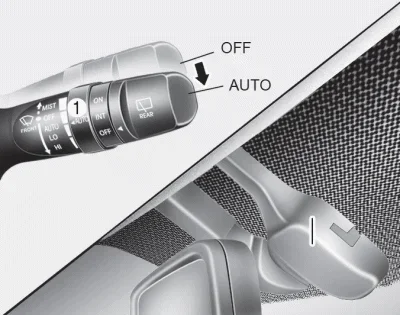
- Sensor Location: The rain sensor is typically mounted behind the rearview mirror on the windshield.
- Adjustable Sensitivity: You can control how sensitive the system is to rainfall intensity.
- Common Issues: Dirty sensors or blown fuses are the most frequent causes of malfunction.
- Maintenance Matters: Regular cleaning and proper wiper blade care keep the system performing at its best.
- Hyundai Smart Features: Many newer Hyundai models come with connected features that complement the auto wiper system.
- OEM Parts Help: Using genuine Hyundai parts like wiper blades ensures the sensor system works as designed.
📑 Table of Contents
- What Are Rain-Sensing Wipers on a Hyundai?
- How to Turn On Rain-Sensing Wipers on a Hyundai
- Adjusting Rain-Sensing Wiper Sensitivity
- Troubleshooting Rain-Sensing Wipers on Your Hyundai
- Maintaining Your Rain-Sensing Wiper System
- Rain-Sensing Wipers vs. Manual Wipers: Which Is Better?
- Common Mistakes to Avoid with Rain-Sensing Wipers
- Final Thoughts
What Are Rain-Sensing Wipers on a Hyundai?
Rain-sensing wipers are an advanced driver assistance feature found on many modern Hyundai vehicles. Instead of manually flipping a switch every time it starts to drizzle, the system handles everything for you. A sensor detects water droplets on the windshield and signals the wiper motor to turn on. The wipers then adjust their speed based on how hard it is raining.
The technology behind this system is surprisingly simple. A small sensor sits behind the rearview mirror, mounted on the inside of the windshield. It emits infrared light that bounces off the glass. When raindrops hit the windshield, they scatter the light. The sensor picks up this scattered light and calculates how much moisture is present. Based on that data, it activates the wipers at the right speed and interval.
This is not just a luxury feature. It genuinely improves safety. When your hands stay on the wheel and your eyes stay on the road, reaction times improve. You do not have to fumble with a wiper stalk during a sudden downpour. The system responds in real time, making it one of the most practical Hyundai smart features available.
Most Hyundai models with rain-sensing wipers also include an auto light feature. This means your headlights turn on and off automatically based on ambient light conditions. Together, these two systems create a very hands-free driving experience during inclement weather. Some drivers pair this with Hyundai infotainment system controls for an even more connected cabin experience.
Which Hyundai Models Support Rain-Sensing Wipers?
Not every Hyundai model comes standard with rain-sensing wipers. The feature is more common on higher trim levels and newer model years. Here are some Hyundai models that typically offer this feature:
- Hyundai Sonata – Available on mid-to-upper trims, especially the Limited and Ultimate editions.
- Hyundai Tucson – Often included in the Limited and Calligraphy trims.
- Hyundai Santa Fe – Commonly found on higher trims like the Limited and Calligraphy.
- Hyundai Kona – Available on the Ultimate trim level.
- Hyundai Palisade – Standard on most trims, making it widely accessible.
If you are unsure whether your specific Hyundai has this feature, check your owner’s manual. You can also look for a wiper stalk with a sensor icon or an auto setting. The Hyundai dashboard controls will usually display a wiper symbol with a raindrop when the system is active.
How to Turn On Rain-Sensing Wipers on a Hyundai
Turning on rain-sensing wipers is straightforward, but the exact steps vary slightly depending on your model year and trim. Below, we cover the most common methods used across Hyundai vehicles.
Method 1: Using the Wiper Stalk
Most Hyundai vehicles with rain-sensing wipers use the steering column stalk. Here is how to activate it:
- Start your Hyundai and make sure the ignition is on.
- Locate the wiper stalk on the right side of the steering column.
- Push the stalk upward to the auto position. You will usually feel a slight click.
- Look at the dashboard display. A wiper icon with a raindrop should appear, confirming the system is active.
Once activated, the wipers will turn on automatically whenever the sensor detects moisture. They will also turn off when the windshield is dry. You can still manually activate the wipers at any time by moving the stalk up or down for different speed settings.
Method 2: Using the Infotainment Screen
Some newer Hyundai models allow you to control the rain-sensing wiper system through the touchscreen display. Here is the general process:
- Press the Settings button on the infotainment screen.
- Navigate to the Vehicle Settings or Driver Assistance menu.
- Look for the Wiper Settings or Auto Wipers option.
- Toggle the switch to turn the feature on.
- Adjust the sensitivity level if your model supports it.
This method gives you more control over the system. You can fine-tune how sensitive the wipers are and even set them to activate only above a certain rainfall intensity. It is especially useful if you live in an area with light, frequent drizzle rather than heavy downpours.
Method 3: Voice Commands (Select Models)
If your Hyundai has the Hyundai infotainment system with voice command capabilities, you may be able to activate rain-sensing wipers hands-free. Simply say a command like “Turn on auto wipers” or “Activate rain-sensing wipers.” This feature works best when the system is connected and the microphone is active. It is a great option when you want to keep both hands on the wheel at all times.
Adjusting Rain-Sensing Wiper Sensitivity
One of the best things about rain-sensing wipers is that you are not stuck with a one-size-fits-all setting. Most Hyundai models let you adjust the sensitivity of the sensor. This means you can customize how the system responds to different rainfall conditions.
Sensitivity settings typically range from low to high. A low sensitivity setting means the wipers only activate when there is a significant amount of rain on the windshield. A high sensitivity setting triggers the wipers even with light mist or dew. Here is how to adjust them:
- Low Sensitivity: Best for light rain or when the sensor might get triggered by splashes from other vehicles.
- Medium Sensitivity: A balanced setting for everyday driving in moderate rain.
- High Sensitivity: Ideal for heavy downpours where you want the wipers to respond immediately.
To change the sensitivity, go to the wiper settings through the infotainment screen or the steering column controls. Some models also allow you to adjust the wiper interval, which controls how frequently the wipers sweep across the windshield when activated automatically.
Keep in mind that the sensor works best when the windshield is clean. Dirt, dust, and water spots can interfere with the infrared signal. This is why regular windshield cleaning is so important for the system to work properly. If you notice the wipers activating when it is not raining, a dirty sensor is often the culprit.
Troubleshooting Rain-Sensing Wipers on Your Hyundai
Like any electronic system, rain-sensing wipers can sometimes malfunction. The good news is that most common issues are easy to fix. Here are the most frequent problems and their solutions.
Wipers Not Activating Automatically
If your rain-sensing wipers are not turning on when it rains, check the following:
- Is the system turned on? Make sure the auto setting on the wiper stalk or infotainment screen is activated.
- Is the sensor dirty? The sensor sits behind the rearview mirror. Wipe the windshield in that area with a clean, damp cloth.
- Is the windshield clean? Dirt and grime can block the infrared signal. A thorough wash often solves the problem.
- Are the wiper blades worn? Old or damaged blades can prevent the system from working correctly. Consider replacing them with OEM parts to ensure proper fit and function.
Wipers Activating When It Is Not Raining
Sometimes the system activates the wipers even when the windshield is dry. This is usually caused by:
- A dirty or foggy sensor area on the windshield.
- Water spots or residue that scatters the infrared light.
- A sensor calibration issue that requires a reset.
- In rare cases, a faulty sensor that needs replacement.
Try cleaning the sensor area first. If that does not work, turn the system off and back on to reset it. If the problem persists, a visit to a service center may be needed. When replacing any components, always consider whether Are Hyundai OEM Parts Legit for your specific vehicle, as using genuine parts ensures compatibility and reliability.
Wiper Blades Moving Slowly or Not at All
If the wipers turn on but move slowly or make unusual noises, the issue may not be the sensor itself. Check the wiper fluid level, inspect the blades for wear, and make sure the wiper motor is functioning. Sometimes cold weather can cause the blades to stick. In that case, gently lifting the blades away from the windshield when parked can help.
Maintaining Your Rain-Sensing Wiper System
Proper maintenance keeps your rain-sensing wipers working reliably for years. The system depends on a clean sensor, good wiper blades, and a functioning motor. Here is a simple maintenance routine you can follow.
Clean the Sensor Regularly
The rain sensor is the brain of the system. Keep the area around it clean by wiping the windshield near the rearview mirror during your regular car wash. Use a gentle glass cleaner and a soft cloth. Avoid abrasive materials that could scratch the sensor area.
Replace Wiper Blades on Schedule
Wiper blades wear out over time. Most experts recommend replacing them every six to twelve months. When the blades become brittle, cracked, or miss the windshield, they can interfere with the rain-sensing system. Always use the correct size and type for your Hyundai model. If you are considering aftermarket options, verify that they meet quality standards and fit properly.
Keep the Windshield Clean Inside and Out
Both the inside and outside of your windshield affect sensor performance. Interior fogging and exterior dirt can scatter the infrared light. Use a quality glass cleaner and a microfiber cloth for the best results. Some drivers apply a rain-repellent coating to the outside of the windshield. This can help the sensor work more accurately by causing water to bead up and roll off faster.
Check for Software Updates
Modern Hyundai vehicles receive periodic software updates that can improve the performance of electronic systems, including the wiper control module. Check with your dealer to see if any updates are available for your model. Keeping your system up to date ensures the best possible performance from your rain-sensing wipers.
Protect the System in Winter
Winter weather can be tough on wiper systems. Ice and frost can freeze the blades to the windshield, potentially damaging the motor. Always clear ice from the windshield before using the wipers. If your Hyundai has a heated windshield or heated wiper blades, use those features during winter to prevent buildup. Also, make sure your windshield washer fluid is rated for cold weather to keep the system functioning properly.
Rain-Sensing Wipers vs. Manual Wipers: Which Is Better?
It is natural to wonder whether rain-sensing wipers are worth the extra cost compared to traditional manual wipers. Here is a quick comparison to help you decide.
| Feature | Rain-Sensing Wipers | Manual Wipers |
|---|---|---|
| Activation | Automatic based on sensor detection | Manual switch or stalk control |
| Response Time | Instant, adjusts to rainfall intensity | Depends on driver reaction |
| Convenience | Very high, hands-free operation | Requires driver input |
| Safety | Keeps eyes on the road | Can distract during sudden rain |
| Maintenance | Slightly more complex sensor cleaning | Simple blade replacement |
| Cost | Higher initial cost | Lower cost |
For most drivers, rain-sensing wipers are a clear upgrade. They add convenience and improve safety. However, if you live in a very dry climate where rain is rare, manual wipers may be perfectly sufficient. The choice ultimately depends on your driving conditions and personal preferences.
If you are considering a used Hyundai, check whether it has rain-sensing wipers before purchasing. This feature is a strong selling point and can make a noticeable difference in your daily commute, especially during stormy seasons. You can also explore other Hyundai features that enhance the driving experience, such as Do Hyundai Cars Lock Automatically, which adds another layer of convenience and security to your vehicle ownership.
Common Mistakes to Avoid with Rain-Sensing Wipers
Even though rain-sensing wipers are designed to be low-maintenance, there are some common mistakes that owners make. Avoiding these will help you get the most out of the system.
- Ignoring a dirty sensor: A dusty or dirty sensor area is the number one cause of wiper system issues. Clean it regularly.
- Using the wrong wiper fluid: Always use washer fluid rated for your climate. In winter, use a freeze-resistant formula.
- Forgetting to turn the system off in manual mode: If you switch to manual wipers, remember to switch back to auto when the rain stops.
- Neglecting wiper blade replacement: Worn blades strain the motor and reduce sensor accuracy.
- Covering the sensor area: Sun shades or accessories that cover the area behind the rearview mirror can block the sensor.
By following these simple tips, you can ensure your rain-sensing wipers stay in great shape. And if you ever need to replace parts, remember that using quality components matters. This applies not just to wiper blades but also to other vehicle systems. For example, proper maintenance extends to your Hyundai oil change schedule and other routine service tasks that keep your car running smoothly.
Final Thoughts
Rain-sensing wipers are one of those features that you do not fully appreciate until you have used them. Once you experience the convenience of automatic wiper activation, it is hard to go back to manual control. Your Hyundai is equipped with smart technology designed to make your drive safer and more comfortable, and the rain-sensing wiper system is a perfect example of that.
Turning on the system is easy, adjusting the settings is straightforward, and maintaining it is simple. With a little care and attention, your rain-sensing wipers will serve you well for many years. Whether you are dealing with a light drizzle or a heavy storm, the system has you covered.
Take a few minutes to explore your Hyundai’s settings and get comfortable with the feature. You will wonder how you ever drove without it. And remember, if you ever run into issues, the troubleshooting tips in this guide should help you get back on track quickly.
Stay safe out there, and enjoy the confidence that comes with knowing your wipers are working automatically, even when you are not thinking about them.
Frequently Asked Questions
Can I turn off rain-sensing wipers on my Hyundai?
Yes, you can turn off rain-sensing wipers at any time. Simply move the wiper stalk out of the auto position or toggle the setting off in your infotainment screen. The wipers will return to manual control, and you can activate them as needed using the standard stalk controls.
Why do my rain-sensing wipers activate when my car is washed?
The sensor detects water on the windshield, so it will activate during a car wash. This is normal behavior. Once the water is removed and the windshield dries, the wipers will automatically turn off. Some models allow you to disable the auto wiper function temporarily if you frequently visit car washes.
How much does it cost to repair a rain-sensing wiper sensor on a Hyundai?
Replacement costs vary depending on your Hyundai model and model year. A sensor replacement typically ranges from $150 to $400, including parts and labor. It is always best to get a quote from a certified Hyundai service center. Using genuine OEM parts for the repair ensures the sensor works correctly with your vehicle’s system.
Can I install aftermarket rain-sensing wiper kits on my Hyundai?
While aftermarket kits exist, they may not integrate seamlessly with your Hyundai’s electronics. OEM rain-sensing systems are calibrated specifically for your vehicle’s windshield and wiper motor. For the best performance and reliability, it is recommended to use factory-installed systems or consult a certified Hyundai technician for any upgrades.
Do rain-sensing wipers work in freezing temperatures?
Rain-sensing wipers can work in cold weather, but ice on the windshield may interfere with the sensor. The system is designed to detect raindrops, not ice. If ice accumulates, the wipers may not activate until the sensor can detect moisture through the ice. Always clear ice from your windshield before relying on the auto wiper system in winter conditions.
How often should I clean the rain sensor on my Hyundai?
You should clean the sensor area at least once a month or whenever you notice the wipers behaving erratically. A simple wipe with a damp microfiber cloth on the windshield behind the rearview mirror is usually enough. If you drive in dusty or rainy conditions frequently, cleaning it more often will help maintain optimal sensor performance.