How Fast Can a Hyundai Elantra Go and What to Expect
The Hyundai Elantra is a compact sedan that delivers surprisingly capable performance for its class. Depending on the trim and engine option, the Hyundai Elantra can reach top speeds between 120 and 145 mph, with 0-60 times ranging from about 7 to 9 seconds. Whether you drive the base SE or the sport-tuned N Line, understanding your Elantra’s speed and performance helps you get the most out of your daily drive.
Many car buyers wonder about the Hyundai Elantra speed before making a purchase. It is a smart question. After all, you want to know what your daily driver can really do. The Hyundai Elantra has been one of the best-selling compact sedans for years. It offers a great mix of style, fuel economy, and everyday performance. But when it comes to raw speed, what should you actually expect?
In this guide, we break down everything you need to know about the Hyundai Elantra and its speed capabilities. We cover top speeds, acceleration times, how different trims compare, and what you can do to keep your car running its best. Whether you own a base SE or a sporty N Line, this article has you covered. Let us dive right in.
Key Takeaways
- The Hyundai Elantra’s top speed varies by trim: base models cap around 120 mph, while sport trims can reach up to 145 mph.
- Acceleration differs across engine options: the standard 2.0L engine takes about 8-9 seconds to hit 60 mph, while the N Line is quicker.
- Regular maintenance keeps your Elantra performing at its best: using the right oil and quality parts matters.
- The Elantra holds its own against rivals: it competes well with the Honda Civic and Toyota Corolla in the compact sedan segment.
- Real-world driving speed is often lower than specs: traffic, road conditions, and weather all affect actual performance.
- Hyundai builds in safety speed limiters: most Elantras include electronic speed limiting for driver protection.
- Fuel economy drops at higher speeds: driving at or near top speed reduces your miles per gallon significantly.
📑 Table of Contents
- Understanding the Hyundai Elantra’s Engine Performance
- Hyundai Elantra Speed by Trim Level
- Acceleration and Real-World Driving Experience
- Maintenance Tips for Keeping Your Elantra Fast
- How the Hyundai Elantra Compares to Other Compact Sedans
- What to Expect from Your Hyundai Elantra’s Top Speed
- Final Thoughts on the Hyundai Elantra’s Speed
Understanding the Hyundai Elantra’s Engine Performance
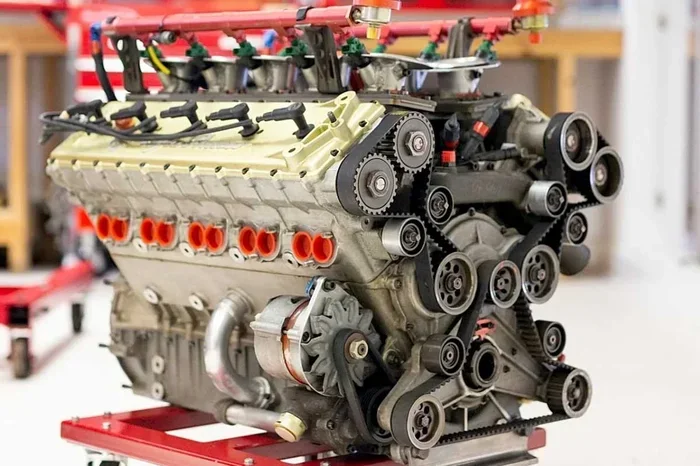
The heart of any car is its engine, and the Hyundai Elantra is no different. Hyundai has offered several engine options over the years, and each one shapes how fast the car can go. The current generation Elantra comes with a standard 2.0-liter naturally aspirated four-cylinder engine. This engine produces around 147 horsepower and 132 pound-feet of torque. That may not sound like a lot, but for a lightweight compact sedan, it is plenty for daily driving.
The base engine pairs with either a six-speed manual or a continuously variable transmission, also known as a CVT. The CVT helps the car feel more responsive on the highway. It keeps the engine in its power band, which means smoother acceleration and better fuel economy. The manual option gives drivers more control, which some enthusiasts prefer.
What Does Horsepower Mean for Speed?
Horsepower directly affects how quickly a car accelerates and how fast it can sustain on the highway. The Hyundai Elantra standard engine makes enough power to comfortably cruise at highway speeds. You will not be winning any drag races, but you will have plenty of power for merging onto interstates and passing slower vehicles.
For those who want more punch, Hyundai offers the Elantra N Line. This trim bumps the output slightly with a turbocharged 1.6-liter engine. The turbo version delivers around 201 horsepower. That is a big jump from the base engine. It means the N Line can accelerate faster and handle higher speeds with more confidence.
Hyundai Elantra Speed by Trim Level
Not all Elantras are created equal when it comes to speed. Each trim level comes with different performance characteristics. Here is a closer look at what you can expect from the most popular trims.
SE Trim: The Everyday Performer
The base SE trim is the most common Elantra you will see on the road. It uses the 2.0-liter engine we mentioned earlier. The top speed for the SE trim is electronically limited to around 120 mph. In real-world driving, you are unlikely to ever reach that number. The car feels more than fast enough for city streets, suburban roads, and highway cruising.
The SE trim hits 60 mph in about 8.5 to 9 seconds. That is typical for a compact sedan in this price range. It is not slow, but it is not thrilling either. What the SE lacks in raw speed, it makes up for in reliability and efficiency.
N Line Trim: The Sporty Upgrade
The N Line trim is where things get more interesting. With its turbocharged 1.6-liter engine, the N Line can reach top speeds closer to 140-145 mph. The 0-60 time drops to around 7 seconds. That is a noticeable improvement over the base SE.
The N Line also comes with sport-tuned suspension, larger wheels, and a more aggressive exterior design. All of these upgrades help the car handle better at higher speeds. If you enjoy spirited driving, the N Line is the trim to choose.
Elantra N: The Performance King
For those who want serious speed, Hyundai offers the Elantra N. This is the track-focused version of the Elantra. It uses a 2.0-liter turbocharged engine that produces 276 horsepower. The Elantra N can hit a top speed of around 155 mph. Its 0-60 time is approximately 5.3 seconds. This is a genuinely fast car for its class.
The Elantra N also features a mechanical limited-slip differential, adaptive suspension, and performance brakes. These components work together to keep the car stable and planted at high speeds. It is a track-day weapon that also happens to be practical enough for daily driving.
Acceleration and Real-World Driving Experience
Manufacturer specs are one thing, but real-world performance is another. When you are driving a Hyundai Elantra on public roads, several factors affect how fast you can actually go. Let us look at what to expect in everyday driving situations.
City Driving Speed
In city traffic, the Elantra rarely exceeds 40-50 mph. The compact size of the car makes it easy to navigate through tight spaces and congested streets. The steering is light and responsive, which helps with low-speed maneuvering. You will find that the Elantra feels peppy enough for city acceleration, especially when you need to merge into traffic quickly.
Highway Driving Speed
On the highway, the Elantra really shines. The 2.0-liter engine has plenty of reserve power for cruising at 70-80 mph. The car stays quiet and comfortable at these speeds, which is a sign of good engineering. Wind noise and road noise are well controlled, making long drives less tiring.
If you have the N Line or Elantra N, highway passing is effortless. The turbo engines deliver strong mid-range torque, which means you can overtake slower vehicles without downshifting. The transmission responds quickly and keeps the power delivery smooth.
Fuel Economy at Higher Speeds
One thing to keep in mind is that fuel economy drops as you drive faster. The Hyundai Elantra is rated at around 33 mpg in the city and 43 mpg on the highway for the base engine. But if you consistently drive at or near top speed, your actual fuel economy will be lower. Aerodynamic drag increases exponentially with speed, which means the engine has to work harder.
To get the best fuel economy, try to keep your speed between 55 and 70 mph on the highway. This is the sweet spot where the engine operates efficiently without working too hard.
Maintenance Tips for Keeping Your Elantra Fast
A well-maintained car always performs better than a neglected one. If you want your Hyundai Elantra to maintain its speed and acceleration over the years, regular maintenance is essential. Here are some key tips to keep your car running at its best.
Use the Right Engine Oil
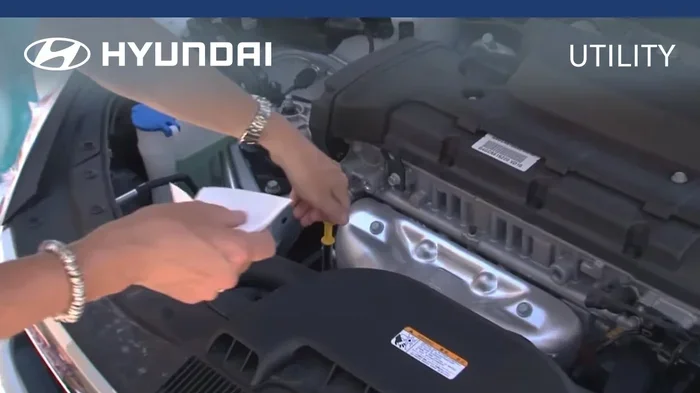
Engine oil plays a huge role in performance. Using the wrong viscosity can reduce engine efficiency and even cause damage. For most Elantra models, Hyundai recommends 5W-20 synthetic oil. Using a heavier oil like 5W-30 may seem harmless, but it can reduce fuel economy and make the engine work harder. Always check your owner’s manual for the correct specification.
Keep Up with Oil Changes
Regular oil changes are the backbone of car maintenance. Fresh oil keeps the engine lubricated and cool, which directly affects performance. Many Hyundai dealerships offer free oil changes for new vehicles. Even if your car is out of warranty, staying on top of oil changes is one of the easiest ways to protect your engine and maintain its power output.
Use Quality Replacement Parts
When parts wear out, it is tempting to go with the cheapest option. But using low-quality parts can hurt your car’s performance over time. Hyundai OEM parts are designed specifically for your vehicle. They fit correctly, meet strict quality standards, and help maintain the car’s original performance. Investing in OEM parts is one of the best things you can do for your Elantra.
Check Your Tires Regularly
Tires are the only part of your car that touches the road. Worn or underinflated tires reduce grip, which affects acceleration, braking, and cornering. Keep your tires properly inflated and replace them when the tread wears down. Good tires make a surprising difference in how your Elantra feels at higher speeds.
Keep the Air Filter Clean
A clogged air filter restricts airflow to the engine, which reduces power and efficiency. Check your air filter during every oil change and replace it when it looks dirty. This is a simple and inexpensive maintenance task that pays off in performance.
How the Hyundai Elantra Compares to Other Compact Sedans
The compact sedan market is highly competitive. The Hyundai Elantra faces rivals like the Honda Civic, Toyota Corolla, and Mazda3. Let us see how the Elantra stacks up in terms of speed and performance.
| Model | Engine | Horsepower | 0-60 mph | Top Speed |
|---|---|---|---|---|
| Hyundai Elantra SE | 2.0L I4 | 147 hp | 8.5-9 sec | 120 mph |
| Hyundai Elantra N Line | 1.6L Turbo I4 | 201 hp | ~7 sec | 145 mph |
| Hyundai Elantra N | 2.0L Turbo I4 | 276 hp | ~5.3 sec | 155 mph |
| Honda Civic LX | 2.0L I4 | 158 hp | ~8.4 sec | 130 mph |
| Toyota Corolla SE | 2.0L I4 | 169 hp | ~7.8 sec | 135 mph |
As you can see, the Hyundai Elantra holds its own against the competition. The base Elantra SE is slightly slower than the Civic LX, but the N Line and Elantra N trims outperform most rivals in this price range. Hyundai has clearly invested in making the Elantra a compelling choice for buyers who care about performance.
What to Expect from Your Hyundai Elantra’s Top Speed
So, what should you realistically expect from your Hyundai Elantra when it comes to top speed? The answer depends on several factors, including your trim level, engine option, and driving conditions.
For most Elantra owners, the electronically limited top speed is more than enough. Very few drivers will ever need to go above 100 mph on public roads. The Elantra is designed to be a practical, efficient daily driver. It excels at highway cruising, city commuting, and weekend road trips.
If you are the type of driver who enjoys pushing the limits, the Elantra N is the car to get. It offers genuine track-level performance in a package that is still comfortable enough for everyday use. But even the base Elantra is a capable car that will serve you well for many years.
One thing to keep in mind is that speed is not everything. The Hyundai Elantra also scores well in safety, comfort, and technology. Features like blind-spot monitoring, lane-keeping assist, and a large touchscreen infotainment system come standard on most trims. These features add value that goes beyond just speed.
Quick Tips for Maximizing Your Elantra’s Performance
- Keep your tires properly inflated: Correct tire pressure improves acceleration and handling.
- Remove excess weight from your car: Less weight means better acceleration and fuel economy.
- Accelerate smoothly: Aggressive acceleration wastes fuel and wears out parts faster.
- Use cruise control on the highway: It helps maintain a steady speed and improves fuel economy.
- Follow the maintenance schedule: Regular service keeps your engine running at peak performance.
- Use synthetic oil: It flows better at high temperatures and protects the engine more effectively.
Common Mistakes That Slow Down Your Elantra
Avoiding these common mistakes can help your Elantra maintain its speed and efficiency over time. First, neglecting oil changes is a major one. Dirty oil creates friction inside the engine, which reduces power and fuel economy. Second, ignoring tire pressure leads to poor handling and increased rolling resistance. Third, using aftermarket parts that are not designed for your specific model can cause compatibility issues and reduce performance.
Another mistake is overloading the car with heavy cargo. Extra weight puts more strain on the engine and brakes. It also reduces fuel economy. Finally, driving with a heavy foot on the accelerator wears out the engine and transmission faster. Smooth, steady driving is the key to longevity and consistent performance.
Expert Insights on Elantra Performance
Automotive experts consistently praise the Hyundai Elantra for its balance of performance and practicality. According to Car and Driver and other reputable automotive publications, the Elantra N is one of the best-performing compact sedans on the market. It offers track-ready handling and impressive acceleration at a price point that is still affordable for most buyers.
Even the base Elantra receives praise for its refined driving dynamics. The steering is precise, the ride is comfortable, and the cabin is quiet. These qualities make the Elantra a standout in a crowded compact sedan segment. Hyundai has clearly focused on delivering a well-rounded car that excels in multiple areas, not just speed.
Final Thoughts on the Hyundai Elantra’s Speed
The Hyundai Elantra is a compact sedan that offers a wide range of speed and performance options. From the efficient base SE to the track-capable Elantra N, there is an Elantra for every type of driver. The base model can comfortably reach 120 mph and accelerate to 60 in about 9 seconds. The N Line brings that down to around 7 seconds and a top speed near 145 mph. And the Elantra N delivers genuine sports car performance with a 0-60 time of just over 5 seconds and a top speed of 155 mph.
No matter which trim you choose, regular maintenance is the key to keeping your Elantra performing at its best. Use the right oil, change it on schedule, and invest in quality parts. Your Hyundai Elantra will reward you with years of reliable, efficient, and enjoyable driving.
Speed is just one aspect of what makes the Elantra a great car. It also offers excellent fuel economy, modern technology, and a strong safety record. If you are in the market for a compact sedan that balances performance with practicality, the Hyundai Elantra deserves a serious look. Test drive one today and see for yourself what this car can do.
Frequently Asked Questions
How fast is the base Hyundai Elantra?
The base Hyundai Elantra SE has a top speed of around 120 mph and can accelerate from 0 to 60 mph in approximately 8.5 to 9 seconds. This is typical for a compact sedan in this class and provides more than enough power for everyday driving and highway cruising.
What is the top speed of the Hyundai Elantra N Line?
The Hyundai Elantra N Line uses a turbocharged 1.6-liter engine that produces 201 horsepower. This allows it to reach a top speed of around 145 mph and accelerate from 0 to 60 in roughly 7 seconds. It is a significant step up from the base model in terms of both power and driving excitement.
Is the Hyundai Elantra fast enough for highway driving?
Absolutely. The Hyundai Elantra has more than enough power for highway driving. Even the base engine maintains steady speeds of 70 to 80 mph with ease. The car is stable, comfortable, and quiet at highway speeds, making it an excellent choice for long road trips and daily commutes.
How does the Hyundai Elantra N compare to other performance sedans?
The Hyundai Elantra N is a genuine performance car that competes with much more expensive sports sedans. With 276 horsepower and a 0-60 time of about 5.3 seconds, it outperforms many rival compact sedans. It offers track-level performance at a price point that is still accessible for most buyers.
Does the Hyundai Elantra have a speed limiter?
Yes, most Hyundai Elantra models come with an electronic speed limiter. This is a safety feature designed to prevent the car from exceeding safe speeds. The limiter varies by trim, with base models capped around 120 mph and sport trims allowing higher top speeds.
Can maintenance affect the Hyundai Elantra’s speed?
Yes, regular maintenance directly affects your Elantra’s performance. Fresh oil, clean air filters, properly inflated tires, and quality replacement parts all contribute to optimal engine performance. Neglecting maintenance can lead to reduced power, lower fuel economy, and slower acceleration over time.
=== CONCLUSION ===
The Hyundai Elantra is a versatile compact sedan that delivers a satisfying mix of speed, efficiency, and practicality. Whether you choose the base SE, the sporty N Line, or the track-focused Elantra N, you are getting a car that performs well in its class. Understanding the Hyundai Elantra speed and performance specs helps you make the right choice for your needs.
Keep up with regular maintenance, use quality parts, and drive with care. Your Elantra will stay fast, efficient, and reliable for many miles to come. The Hyundai Elantra is more than just a commuter car. It is a well-engineered vehicle that proves you do not need a luxury badge to enjoy a great driving experience.