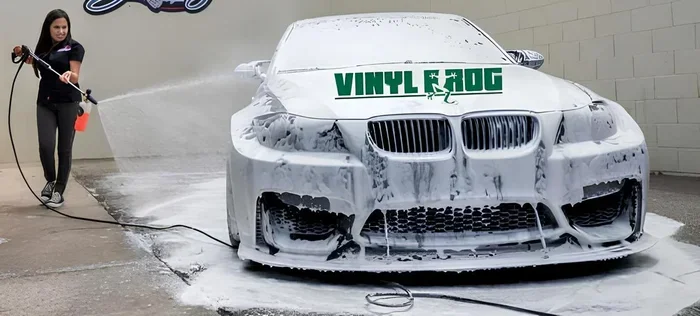
Can You Wash a Wrapped Car Without Ruining the Wrap
Yes, you can wash a wrapped car without ruining the wrap if you follow the right steps. Hand washing with gentle soap and soft materials is the safest method for vinyl wraps. Avoid high-pressure washers, automatic car washes, and harsh chemicals that can damage the adhesive and finish.
You just spent hundreds or even thousands of dollars on a car wrap. Maybe it’s a bold matte black finish. Maybe it’s a custom design that turns heads everywhere you go. Either way, you want that wrap to look amazing for years to come.
But here’s the thing — a wrapped car gets dirty. Fast. Bird droppings, road grime, pollen, rain spots — they all find their way onto your vehicle. So the question becomes simple: can you wash a wrapped car without causing damage?
The short answer is yes. Washing a wrapped car is not only possible but also essential for maintaining its appearance and longevity. However, the way you wash it matters a lot. Using the wrong tools or harsh chemicals can ruin the vinyl, peel the edges, or dull the finish. In this guide, we’ll walk you through everything you need to know about vinyl wrap maintenance and keeping your ride looking flawless.
Whether you have a matte black wrap, a glossy finish, or a custom color change, this article covers the safest and most effective cleaning methods. Let’s dive in.
Key Takeaways
- Hand washing is the gold standard for cleaning a wrapped car safely and effectively.
- Never use automatic car washes — the brushes and high pressure can peel or scratch your wrap.
- Use pH-neutral soap and soft microfiber cloths to protect the vinyl surface.
- Avoid hot water and direct sunlight when washing to prevent wrap damage and soap residue.
- Regular cleaning extends wrap lifespan and keeps your vehicle looking brand new.
- Waxing a wrapped car requires special care — only use wrap-safe products.
- Always check your wrap warranty before using any cleaning product or method.
📑 Table of Contents
- Why Washing a Wrapped Car Matters
- Can You Wash a Wrapped Car With a Pressure Washer?
- How to Hand Wash a Wrapped Car the Right Way
- What Not to Do When Washing a Wrapped Car
- How Often Should You Wash a Wrapped Car?
- Special Care Tips for Different Wrap Types
- Expert Insights on Vinyl Wrap Cleaning
- Common Wrap Contaminants and How to Handle Them
- Does Waxing a Wrapped Car Help?
- When to Seek Professional Help
- Final Thoughts on Washing a Wrapped Car
Why Washing a Wrapped Car Matters
Some car owners think a wrap is like a shield. It protects the paint underneath, so they don’t need to worry about cleaning. That’s a big misconception. Vinyl wraps need regular care to stay in top condition.
When dirt, bird droppings, or tree sap sit on a wrap too long, they can eat into the vinyl surface. The adhesive underneath can also weaken. Over time, this leads to peeling, bubbling, or discoloration. Regular washing prevents buildup and keeps the wrap looking fresh.
Beyond aesthetics, cleaning your wrapped car also preserves the warranty. Most wrap manufacturers require proper maintenance. If you neglect cleaning or use wrong products, you could void the warranty. So staying on top of wash routines actually protects your investment.
The Lifespan of a Car Wrap
A high-quality vinyl wrap typically lasts between five and seven years. But that number depends heavily on how well you maintain it. A neglected wrap might start showing wear in just two or three years. On the other hand, a well-cared-for wrap can hold up beautifully for the full lifespan.
Factors that affect wrap longevity include:
- Exposure to UV rays from sunlight
- Frequency of washing and cleaning habits
- Quality of the vinyl material
- Climate and weather conditions
- How often you apply wrap-safe sealants
Washing your car regularly is one of the easiest ways to extend that lifespan. It removes contaminants before they have a chance to do real damage.
Can You Wash a Wrapped Car With a Pressure Washer?
This is one of the most common questions we get. The short answer is: yes, but with caution. Pressure washers can be safe for wrapped cars if you follow specific guidelines.
Never use a pressure washer on high settings. The intense force can push water under the edges of the wrap and loosen the adhesive. It can also damage the vinyl surface itself, especially on matte or textured finishes.
Safe Pressure Washing Guidelines
If you want to use a pressure washer on your wrapped car, here are the rules you should follow:
- Keep the PSI under 1,200 — anything higher is too risky for vinyl.
- Use a wide-angle nozzle — a 40-degree nozzle is ideal.
- Hold the wand at least 12 inches away from the surface.
- Never aim directly at edges, seams, or corners where the wrap meets the paint.
- Use lukewarm water — hot water can warp the vinyl.
Even with these precautions, many wrap installers recommend sticking to hand washing. It gives you more control and eliminates the risk of accidental damage. If you’re unsure, hand washing is always the safer choice for vinyl wrap cleaning.
How to Hand Wash a Wrapped Car the Right Way
Hand washing is the safest and most effective method for cleaning a wrapped car. It gives you full control over pressure, water temperature, and the products you use. Here’s a step-by-step guide to doing it right.
Step 1: Gather Your Supplies
Before you start, make sure you have everything you need. Using the right products makes a huge difference in protecting your wrap.
- pH-neutral car wash soap — avoid dish soap or household cleaners
- Soft microfiber wash mitt — never use sponges or abrasive brushes
- Two buckets — one for soapy water and one for rinsing your mitt
- Soft microfiber drying towels — at least two or three
- Distilled water — helps prevent water spots
- A shaded area — never wash in direct sunlight
Step 2: Rinse the Car Thoroughly
Start by rinsing the entire vehicle with lukewarm water. This removes loose dirt and debris that could scratch the wrap during washing. Use a gentle stream — you’re just rinsing off surface-level grime.
Never use a hose with a sharp jet setting. A gentle flow works best. Pay extra attention to areas around the wheel wells, lower panels, and door jambs where dirt tends to build up.
Step 3: Wash in Sections
Dip your microfiber mitt into the soapy water and wash the car one section at a time. Start from the top and work your way down. This prevents dirty water from dripping onto already-cleaned areas.
Use light, gentle strokes. Don’t press hard against the wrap. Let the soap and mitt do the work. Avoid circular motions on matte wraps since they can create swirl marks.
Step 4: Rinse Each Section
After washing a section, rinse it immediately with clean water. This prevents soap from drying on the wrap and leaving residue. Work systematically from top to bottom until the entire car is clean.
Step 5: Dry the Car Properly
Use a clean, soft microfiber towel to pat the car dry. Don’t rub — patting is gentler on the vinyl surface. Make sure you dry all the crevices, edges, and seams thoroughly to prevent water from seeping underneath.
Pro tip: Keep a separate dry towel for the windows and mirrors. This prevents cross-contamination and keeps your wrap looking its best.
What Not to Do When Washing a Wrapped Car
Knowing what to avoid is just as important as knowing what to do. Many car owners accidentally damage their wraps by using common cleaning methods that seem harmless. Here are the biggest mistakes to avoid.
Avoid Automatic Car Washes
This is the number one rule for wrapped car owners. Automatic car washes — especially brush-style ones — are terrible for vinyl wraps. The rotating brushes create friction that scratches and dulls the surface. The high-pressure water jets can force water under the wrap edges.
Even touchless automatic car washes can cause problems. The harsh chemicals used in these systems are too strong for vinyl and can break down the adhesive over time. Skip the automatic wash entirely and stick to hand washing.
Don’t Use Harsh Chemicals
Avoid any cleaning product that contains ammonia, acetone, or abrasive agents. These chemicals can fade the wrap’s color, cloud the finish, or weaken the adhesive. Stick to pH-neutral, wrap-safe cleaners only.
If you’re unsure whether a product is safe, test it on a small, hidden area first. Wait 24 hours and check for any discoloration or damage before applying it to the entire vehicle.
Don’t Wax a Wrapped Car With Traditional Wax
Here’s a surprise for many car enthusiasts — traditional car wax doesn’t work well on vinyl wraps. In fact, it can be difficult to remove and may leave a residue that dulls the finish. Some waxes can even break down the vinyl over time.
Instead, look for wrap-safe sealants specifically designed for vinyl surfaces. These products create a protective layer without damaging the wrap. Always check with your wrap installer for product recommendations.
Avoid Washing in Direct Sunlight
Washing your wrapped car in direct sunlight might seem convenient, but it’s a bad idea. The heat causes soap and water to dry too quickly, leaving streaks and residue on the vinyl. Always choose a shaded spot or wash in the evening when temperatures are cooler.
How Often Should You Wash a Wrapped Car?
The frequency of washing depends on several factors, including your driving conditions and the environment. Here’s a general guideline:
- Every two weeks — for daily-driven vehicles in normal conditions
- Weekly — if you drive on dusty roads or in areas with heavy pollen
- Immediately after exposure — to bird droppings, tree sap, or road salt
- After off-road driving — mud and gravel can scratch the wrap surface
Regular washing keeps contaminants from bonding with the vinyl. The longer dirt sits on the wrap, the harder it becomes to remove safely. Sticking to a consistent wash schedule is one of the best things you can do for your wrap.
Quick Tips for Busy Car Owners
Not everyone has time for a full hand wash every week. Here are some quick tips for maintaining your wrapped car between deep cleans:
- Keep a spray bottle of wrap-safe cleaner in your trunk for quick touch-ups.
- Use a quick-detailer spray with a microfiber cloth for a fast shine.
- Carry a small microfiber towel to wipe off bird droppings or sap immediately.
- Rinse the undercarriage after driving on salted or muddy roads.
Special Care Tips for Different Wrap Types
Not all wraps are created equal. Different wrap finishes require slightly different care approaches. Here’s how to handle the most common types.
Matte Wraps
Matte wraps are beautiful but require extra care. They show fingerprints, water spots, and swirl marks more easily than glossy wraps. Always use a matte-specific cleaner and avoid wax-based products. When drying, use a patting motion rather than wiping to prevent marking the surface.
Gloss Wraps
Gloss wraps are more forgiving when it comes to cleaning. They resist water spots better and show fewer fingerprints. However, they still require gentle care. Avoid high-pressure washing and stick to soft materials to maintain that mirror-like shine.
Satin and Metallic Wraps
Satin and metallic finishes fall somewhere between matte and gloss. They have a subtle shimmer that can be affected by harsh cleaning. Use only wrap-safe products and avoid anything abrasive. These finishes benefit from regular sealant application to maintain their unique look.
Expert Insights on Vinyl Wrap Cleaning
We spoke with several professional wrap installers to get their top tips for maintaining wrapped cars. Here’s what the experts had to say.
Sarah Mitchell, Senior Wrap Technician at VinylPro: “The biggest mistake we see is people treating their wrapped car the same as a painted vehicle. Vinyl is more delicate in many ways. Gentle cleaning with the right products goes a long way.”
James Rivera, Owner of WrapWorks: “I always tell my customers to think of their wrap like a delicate fabric. You wouldn’t scrub a silk shirt with a rough brush. Treat your wrap with the same care and it will last for years.”
Dr. Lisa Chen, Materials Scientist specializing in vinyl adhesives: “Heat and harsh chemicals are the two biggest enemies of vinyl wraps. Keep your washing routine gentle and consistent, and you’ll protect both the appearance and the adhesion of the wrap.”
These expert insights reinforce the core message: gentle, consistent care is the foundation of great wrap maintenance.
Common Wrap Contaminants and How to Handle Them
Wrapped cars face the same environmental contaminants as any vehicle. But because the surface is vinyl rather than paint, some contaminants need special handling.
Bird Droppings
Bird droppings are highly acidic and can eat into vinyl quickly. If you spot droppings on your wrapped car, remove them as soon as possible. Spray the area with a wrap-safe cleaner, let it sit for a minute, and gently wipe with a microfiber cloth. Never pick or scrape dried droppings off the wrap.
Tree Sap
Tree sap is another common enemy. It can bond to the vinyl and become nearly impossible to remove if left too long. Use a wrap-safe adhesive remover or rubbing alcohol diluted with water (70/30 ratio). Apply with a soft cloth and never use a sharp object to scrape it off.
Road Tar and Bug Splatter
Road tar and bug residue can stain or discolor a wrap over time. Use a dedicated tar remover that’s safe for vinyl. Apply it to a cloth first, then gently work it into the affected area. Rinse thoroughly afterward.
Water Spots
Water spots form when minerals in tap water evaporate and leave deposits on the wrap. Use distilled water for your final rinse to minimize spotting. If spots have already formed, a wrap-safe detailer spray usually removes them easily.
Does Waxing a Wrapped Car Help?
The question of waxing a wrapped car comes up frequently. The answer is more nuanced than a simple yes or no.
Traditional wax is not recommended for vinyl wraps. It can be difficult to remove and may leave a hazy residue. Some waxes contain solvents that can damage the vinyl or weaken the adhesive.
However, ceramic coatings and sealants designed for vinyl wraps can be beneficial. These products create a protective barrier that repels water, dirt, and UV rays. They make future cleaning easier and help maintain the wrap’s appearance.
Always consult your wrap installer before applying any coating or sealant. They can recommend products that are compatible with your specific wrap material and finish.
When to Seek Professional Help
While regular at-home washing is straightforward, there are times when professional help is the best choice. Consider visiting a wrap specialist if:
- You notice edges lifting or bubbling forming under the wrap
- There are stubborn stains that won’t come off with gentle cleaning
- The wrap has been exposed to extreme heat or chemical spills
- It’s time for your scheduled maintenance wash and detail
- You’re unsure about a particular cleaning product or method
Professional wrap technicians have the tools, products, and expertise to handle tricky situations without causing damage. Investing in professional maintenance can extend your wrap’s life and keep it looking its absolute best.
Final Thoughts on Washing a Wrapped Car
Can you wash a wrapped car without ruining the wrap? Absolutely. The key is using the right methods, the right products, and a gentle touch. Hand washing with pH-neutral soap and soft microfiber materials is the safest approach for any type of vinyl wrap.
Avoid automatic car washes, harsh chemicals, high-pressure washers on strong settings, and traditional wax products. Follow the dos and don’ts outlined in this guide, and your wrapped car will stay looking incredible for years to come.
Remember that your wrap is an investment. Taking care of it with proper vinyl wrap maintenance protects both its appearance and its value. Whether you have a full color change, a partial wrap, or a protective paint protection film, these cleaning principles apply.
Start today. Grab your microfiber mitt, mix up some gentle soap, and give your wrapped car the care it deserves. Your vehicle — and your wallet — will thank you for it.
Frequently Asked Questions
Can I use a pressure washer on my wrapped car?
Yes, but only on low settings under 1,200 PSI. Keep the nozzle at least 12 inches away from the surface and never aim directly at edges or seams. Hand washing is still the safest method for most wrapped cars.
Is it safe to take a wrapped car through an automatic car wash?
No. Automatic car washes — especially brush-style ones — can scratch, peel, and damage vinyl wraps. The harsh chemicals and high-pressure water jets are too aggressive for the delicate vinyl material. Always opt for hand washing instead.
How often should I clean my wrapped car?
Every two weeks is a good baseline for most wrapped cars. If you drive in dusty conditions, near the ocean, or in areas with heavy pollution, you may need to wash weekly. Always clean off bird droppings, sap, and other contaminants as soon as possible.
Can I use regular car wax on a wrapped car?
Traditional car wax is not recommended for vinyl wraps. It can be difficult to remove and may contain solvents that damage the vinyl or weaken the adhesive. Use wrap-safe sealants or ceramic coatings instead, and always consult your wrap installer first.
What soap is safe for a wrapped car?
Use a pH-neutral car wash soap specifically designed for delicate surfaces. Avoid dish soap, household cleaners, and any products containing ammonia or abrasive agents. Microfiber wash mitts and soft cloths are the best tools for applying soap to a wrapped car.
How do I remove bird droppings from a wrapped car without damage?
Spray the affected area with a wrap-safe cleaner, let it sit for about a minute, and gently wipe with a soft microfiber cloth. Never scrape or pick at dried droppings. Acting quickly is key because bird droppings are acidic and can damage the vinyl if left too long.
=== CONCLUSION ===
Washing a wrapped car safely is entirely possible when you know the right techniques. Hand washing with gentle products, avoiding automatic car washes, and steering clear of harsh chemicals are the foundations of proper vinyl wrap maintenance. Your wrapped car deserves the same careful attention you’d give any premium vehicle — maybe even more.
Follow the tips in this guide, stick to a regular cleaning schedule, and always use wrap-safe products. Your car will continue to turn heads while the wrap stays vibrant, smooth, and securely bonded. Take care of your wrap, and it will take care of your car for years to come.