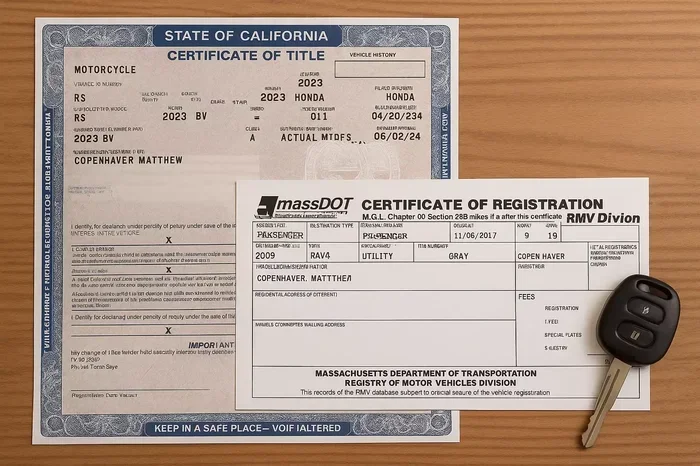
Can You Register a Car Without a License Yes You Can
Yes, you can register a car without a license. Many people assume you need a driver’s license to complete car registration, but that’s not always true. Whether you’re a non-driver, a minor, or someone who doesn’t hold a license, there are legal pathways to register a vehicle in your name.
Have you ever wondered whether you can register a car without a license? Maybe you don’t drive. Maybe you’re helping a family member. Or perhaps you simply don’t hold a driver’s license but still need to own a vehicle. Whatever the reason, the answer might surprise you.
The short answer is yes. You can register a car without a license in most states. However, the process isn’t always straightforward. There are specific requirements, alternative documents, and workarounds you need to know about. This guide walks you through everything you need to do.
Car registration without a license is more common than you think. People in this situation include elderly individuals, people with disabilities, collectors, and parents registering vehicles for teenage drivers. No matter your situation, understanding the rules puts you in a much better position. Let’s dive into the details.
Key Takeaways
- You can register a car without a license: Many states allow vehicle registration by non-drivers through alternative documentation.
- Power of attorney works: You can authorize someone else to handle the registration process on your behalf.
- Requirements vary by state: Each state has different rules, fees, and documentation for registering a car without a license.
- Insurance is still needed: Even without a license, you typically need car insurance to complete registration.
- Minors can register vehicles: A parent or guardian can register a car for a minor who cannot hold a license.
- Keep alternative ID ready: You’ll need valid identification other than a driver’s license to complete the process.
📑 Table of Contents
- Why Would Someone Need to Register a Car Without a License?
- How to Register a Car Without a License
- Using Power of Attorney to Register a Car
- State-by-State Differences in Car Registration Without a License
- Can You Register a Car for Someone Else?
- Common Mistakes to Avoid When Registering Without a License
- Quick Tips for a Smooth Registration Process
- Expert Insights on Vehicle Ownership Without a License
- Frequently Asked Questions About Registering a Car Without a License
- Final Thoughts
Why Would Someone Need to Register a Car Without a License?
Before we get into the “how,” let’s talk about the “why.” Understanding the reasons helps clarify the process. Many people assume only drivers need to register cars. That’s simply not true.
Vehicle ownership and vehicle operation are two separate legal concepts. You can own a car without ever driving it. Here are some common reasons people register cars without holding a license:
- Family members drive the car: A parent, spouse, or caregiver handles all driving duties.
- Car collecting or investment: Some people buy and store vehicles as investments.
- Elderly or disabled individuals: A licensed caregiver or family member drives the registered owner.
- Business ownership: Companies register vehicles for employees who hold licenses.
- Teenagers or young adults: Parents register cars for teens who don’t yet have licenses.
- Temporary license suspension: Someone needs to keep a vehicle registered during a license suspension period.
Each of these situations is valid. The law generally doesn’t require you to be a licensed driver to own or register a vehicle. But you do need to follow specific steps. Let’s explore those next.
How to Register a Car Without a License
Now let’s get into the practical side. Registering a car without a license involves a few extra steps compared to the standard process. But it’s entirely doable if you know what to prepare.
Step 1: Gather the Required Documents
Every state requires certain documents for vehicle registration. When you don’t have a driver’s license, you need alternative identification. Here’s what you’ll typically need:
- Government-issued photo ID: A state ID card, passport, or military ID works perfectly.
- Vehicle title: The title must be in your name or show a clear chain of ownership.
- Proof of insurance: More on this below, but you’ll need an active policy.
- Bill of sale or purchase receipt: This proves where the vehicle came from.
- Vehicle identification number (VIN): The DMV will verify this number during registration.
- Emission or inspection certificate: Required in some states before registration.
The key difference here is the ID requirement. Instead of a driver’s license, you present another form of government-issued identification. This satisfies the DMV’s verification needs without any issue.
Step 2: Get Car Insurance
You might be surprised to learn that you need car insurance even if you don’t have a license. Most states require insurance before they’ll register a vehicle. Here’s how it works for unlicensed owners:
- List someone else as the primary driver: The licensed person in your household can be listed as the main driver.
- Get a non-owner insurance policy: This covers liability when others drive your car.
- Named non-driver policies: Some insurers offer policies specifically for car owners who don’t drive.
Shop around for quotes. Not all insurance companies handle unlicensed car owners the same way. Some specialize in this niche and can offer competitive rates. Call your local agent and explain your situation upfront. They’ll guide you through the right coverage options.
Step 3: Visit the DMV or Use Online Services
Most states now offer online or mail-in registration options. This is especially helpful if you don’t have a license and don’t want to visit the DMV in person. Here’s what to expect:
- Online registration: Available in many states for renewals and some new registrations.
- Mail-in registration: Send your documents and payment through the postal service.
- In-person visit: Sometimes necessary for first-time registrations or title transfers.
Check your state’s DMV website for specific instructions. The process varies widely from one state to another. Some states make it easy for unlicensed owners, while others have additional hurdles.
Using Power of Attorney to Register a Car
One of the most practical solutions for registering a car without a license is using a power of attorney. This legal document lets someone else act on your behalf for vehicle-related matters.
Here’s how it works. You, the vehicle owner, sign a power of attorney form. This gives a trusted person — a family member, friend, or attorney — the legal authority to handle registration, title transfers, and DMV interactions for you.
This approach is incredibly useful in several scenarios:
- You’re unable to visit the DMV: Maybe you have a disability or live far from the registration office.
- You don’t feel comfortable handling paperwork: A trusted person can manage everything for you.
- You need someone to handle insurance matters: The agent you designate can also deal with insurance companies.
Make sure the power of attorney document is notarized. Some DMVs require a specific form, while others accept a general power of attorney. Call ahead to confirm what your local DMV needs. This small step saves a lot of time and frustration.
State-by-State Differences in Car Registration Without a License
Car registration rules aren’t the same everywhere. Each state sets its own requirements, and these differences matter a lot for unlicensed car owners. Let’s look at a few examples.
States That Make It Easy
Some states are very accommodating for people who want to register a car without a license. For example, states like Arizona and Texas generally accept a state ID card or passport as valid identification for registration. The process is relatively simple and doesn’t require extra documentation.
In these states, you can walk into the DMV with your title, insurance, and alternative ID, and complete the registration in one visit. Online and mail-in options are also widely available.
States With Additional Requirements
Other states, like California and New York, may require additional steps. California, for instance, might ask for a written statement explaining why the applicant doesn’t hold a license. New York sometimes requires a notary-attested affidavit for unlicensed registrants.
The key takeaway is this: always check your specific state’s DMV website before you go. Requirements change, and what worked last year might not apply this year. A quick phone call or website check can save you multiple trips.
Can You Register a Car for Someone Else?
Yes, you absolutely can. Registering a car for someone else is a common practice. This is different from registering your own car without a license, but it’s closely related.
Here’s how it typically works. You own the vehicle. Someone else — a family member, friend, or employee — is the primary driver. You register the car in your name and list them as the driver on the insurance policy.
This arrangement works well for several situations:
- Parents registering cars for teen drivers: The teen doesn’t have a license yet, but the parent handles registration.
- Employer-provided vehicles: The company owns and registers the car, and the employee drives it.
- Elderly care situations: A caregiver or family member owns the car and arranges all registration and insurance.
The important thing to remember is that the registered owner takes on legal responsibility for the vehicle. This includes liability if the car causes an accident. So choose this arrangement carefully and make sure you understand the implications.
Common Mistakes to Avoid When Registering Without a License
Even when you know the process, mistakes happen. Here are some common errors unlicensed car owners make — and how to avoid them.
Using a Fake or Expired ID
This one should go without saying, but people still try it. Using a fake or expired ID at the DMV is illegal and will get you flagged. Always use valid, current identification. A state ID card or passport works just as well as a driver’s license for registration purposes.
Skipping Insurance
Some people think that if they don’t drive, they don’t need insurance. That’s a dangerous assumption. Nearly every state requires active insurance before registration. Driving without insurance leads to fines, registration suspension, and legal trouble.
Not Checking State-Specific Rules
Assuming the process is the same everywhere is a recipe for frustration. What works in Florida might not work in Illinois. Always verify your state’s specific requirements before you start the process.
Forgetting to Transfer the Title Properly
If you bought the car from someone else, make sure the title is transferred correctly. An incomplete or unsigned title will hold up registration. Double-check every line on the title before you submit it.
Quick Tips for a Smooth Registration Process
Want to make this as easy as possible? Follow these practical tips:
- Call your local DMV first: Ask specifically about requirements for unlicensed registrants. Write down everything they tell you.
- Prepare all documents in advance: Have everything organized and ready before you visit or mail anything.
- Get insurance first: Insurance often takes a few days to process. Start there so it’s ready when you need it.
- Use online tools: Many states offer online portals that walk you through the process step by step.
- Keep copies of everything: Make photocopies or scans of every document you submit. You’ll thank yourself later.
- Be patient: The process might take a little longer than standard registration. That’s normal. Don’t get discouraged.
Expert Insights on Vehicle Ownership Without a License
We spoke with several DMV experts and automotive attorneys to get their take on registering cars without a license. Here’s what they had to say.
Legal expert Sarah Mitchell notes, “The law distinguishes between owning a vehicle and operating one. You don’t need a driver’s license to be a legal vehicle owner. The registration process simply requires proof of identity, which can come from many sources beyond a driver’s license.”
DMV veteran Tom Rodriguez adds, “We see this all the time. People come in without a license all the time. As long as they have proper ID, insurance, and a clean title, we process their registration without any issues. The key is having the right paperwork ready.”
These insights reinforce a simple truth: registering a car without a license is a routine process at most DMVs. It’s not complicated or unusual. You just need to be prepared.
Frequently Asked Questions About Registering a Car Without a License
Can I get car insurance if I don’t have a driver’s license?
Yes, absolutely. Many insurance companies offer policies for unlicensed car owners. You can list another licensed person as the primary driver on the policy. Some insurers even have specific non-driver policies designed for this exact situation. Call around and compare quotes to find the best option for your needs.
Will registering a car without a license affect my insurance rates?
Not necessarily. Insurance rates depend on many factors, including the driver listed on the policy, the vehicle type, and your location. The fact that you don’t hold a license doesn’t automatically raise your rates. However, if you’re listed as the primary driver without a license, that could cause issues. Always be honest on your insurance application.
Can a minor register a car without a license?
Yes, in most cases. A parent or legal guardian can register a vehicle for a minor. The parent or guardian signs the registration paperwork and provides their own identification. The minor doesn’t need a license to be a registered vehicle owner, though they can’t legally drive it until they obtain one.
What if my driver’s license is suspended? Can I still register my car?
In most states, yes. A suspended license doesn’t automatically prevent you from registering a vehicle. However, some states may flag suspended licenses during the registration process. You may need to provide additional documentation or explain your situation. Check with your local DMV for specific guidance.
Do I need a VIN inspection to register a car without a license?
It depends on your state. Many states require a VIN inspection for first-time registrations, regardless of whether you have a license. The inspection confirms the vehicle’s identity and ensures it matches the title. Contact your local DMV to find out if a VIN inspection is required in your area.
Can I register a car without a license online?
Many states now offer online registration services that don’t require a driver’s license. You’ll still need to provide alternative identification, proof of insurance, and your vehicle title. Check your state’s DMV website to see if online registration is available for your situation. It’s often the fastest and most convenient option.
Final Thoughts
So, can you register a car without a license? The answer is a clear yes. Whether you’re a non-driver, a minor, a caregiver, or someone in between, the law allows you to own and register a vehicle. You just need the right documents, a bit of preparation, and patience with the process.
Remember that vehicle registration and driving are separate legal matters. Owning a car doesn’t require a license. What it does require is proper identification, active insurance, and a clean title. As long as you have those three things, you’re in good shape.
Take the time to understand your state’s specific requirements. Use the tips and workarounds outlined in this guide. And don’t hesitate to reach out to your local DMV if you have questions. The process is simpler than most people think, and thousands of unlicensed car owners complete it successfully every day.
Now you have the knowledge and the confidence to move forward. Go ahead and get your vehicle registered — no license required.