Can You Go to Jail for Keying a Car and What Happens
Yes, you can go to jail for keying a car. Keying a vehicle is considered vandalism and criminal mischief in most states. Depending on the damage cost, the penalties range from misdemeanor charges to felony prosecution with possible jail time.
Have you ever walked out to your car and found long, ugly scratches down the side? It is one of the most frustrating things that can happen to a car owner. The first thought that crosses most people’s minds is, can you go to jail for keying a car? The short answer is yes. But the full picture is more nuanced than most people realize.
Car keying is a form of vandalism and criminal mischief. It involves intentionally damaging someone else’s property. The legal consequences can be serious. They range from fines and community service to actual jail time. The severity depends on several factors. These include the cost of damage, your criminal history, and the laws in your state.
This article breaks down everything you need to know. We will cover criminal charges, penalties, insurance implications, and what to do if your car gets keyed. Whether you are a victim or someone facing charges, this guide has you covered.
Key Takeaways
- Keying a car is a crime: It falls under criminal mischief or vandalism laws in all 50 states.
- Jail time is possible: Penalties depend on damage cost, prior record, and state laws.
- Misdemeanor vs felony: Lower damage amounts lead to misdemeanors; higher costs can trigger felony charges.
- Civil liability matters: You may owe thousands in repair costs even without jail time.
- Insurance can help: Vandalism coverage may cover repairs, but rates could increase.
- Juveniles face different consequences: Minors may face diversion programs instead of jail.
- Document everything: Filing a police report and taking photos strengthens your case.
📑 Table of Contents
What Happens When You Key a Car
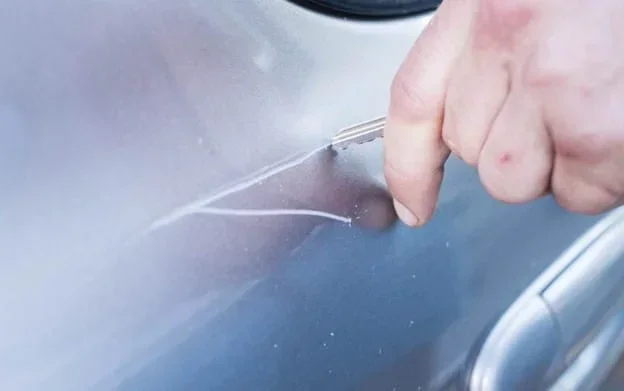
Keying a car means using a key, nail, or sharp object to scratch the paint and metal of a vehicle. It is an act of deliberate damage. Most people do it out of anger, revenge, or pure mischief. But the law does not care about the motive. It only cares about the act and the damage caused.
The Criminal Act Behind Car Keying
In every U.S. state, keying a car is treated as a crime. It typically falls under vandalism statutes or criminal mischief laws. These laws protect property owners from intentional damage. When someone keys a car, they are violating these laws.
The police can get involved even if the damage seems minor. A police report is the first step in any vandalism case. Officers will document the damage and investigate. They may look for surveillance cameras or witnesses. In many cases, the offender is identified through these methods.
How Damage Is Measured Legally
Not all keying damage is the same. A single shallow scratch might cost $150 to fix. Deep keying that removes the clear coat and paint can cost $2,000 or more. The dollar amount matters a lot in court.
Prosecutors use the repair cost to decide what charges to file. Here is a general breakdown:
- Under $400: Usually treated as a minor misdemeanor.
- $400 to $1,000: Can result in misdemeanor charges with higher penalties.
- Over $1,000: May lead to felony charges in many states.
- Over $5,000 or $10,000: Almost always a felony with serious criminal penalties.
The exact thresholds vary by state. Some states set the felony threshold at $1,000. Others set it at $2,500 or higher. A criminal defense attorney can help determine the exact charges based on local laws.
Can You Go to Jail for Keying a Car
This is the question most people want answered. The honest answer is that jail time is possible. But it is not guaranteed. Many first-time offenders avoid jail. However, repeat offenders or those with high damage costs face real prison time.
Misdemeanor Penalties for Car Keying
Most first-time keying cases result in misdemeanor charges. A misdemeanor is a less serious crime. But it still carries real consequences.
Typical misdemeanor penalties include:
- Fines: Usually between $500 and $2,500.
- Community service: 40 to 200 hours of volunteer work.
- Probation: Lasting 6 months to 2 years.
- Restitution: Paying for the victim’s auto repair costs.
- Short jail sentences: Up to 1 year in county jail (rare for first offenses).
Misdemeanor criminal records can affect employment and housing. Even without jail time, a conviction stays on your record. This is why many people hire a lawyer to negotiate lesser charges or diversion programs.
Felony Penalties for Severe Keying Damage
When the damage exceeds the state’s felony threshold, the stakes rise significantly. Felony vandalism charges can result in:
- State prison time: 1 to 5 years or more, depending on the damage.
- Heavy fines: Up to $10,000 or more.
- Restitution orders: Covering the full cost of paint repair and body work.
- Probation with strict conditions: Including no contact with the victim.
- A permanent felony record: This affects jobs, voting rights, and more.
Some states have enhanced penalties for keying multiple cars or targeting specific vehicles. For example, keying a police car or emergency vehicle may carry additional charges. The court takes these cases more seriously.
Factors That Influence Jail Time
Not every case ends in jail. Several factors determine the outcome:
- The cost of damage: Higher costs lead to harsher penalties.
- Prior criminal record: A clean record helps. Prior vandalism convictions make things worse.
- Age of the offender: Juveniles are treated differently (more on this below).
- Remorse and cooperation: Apologizing and paying restitution early can help.
- Local prosecution policies: Some district attorneys are stricter than others.
- Whether a weapon was involved: Using a sharp tool aggressively can add charges.
A skilled criminal defense lawyer can argue for reduced charges. They may negotiate a plea deal or suggest alternative sentencing. The goal is to avoid incarceration when possible.
What to Do If Your Car Gets Keyed
Discovering that someone has keyed your car is upsetting. But staying calm and taking the right steps is crucial. Here is what you should do immediately.
Step 1: Document the Damage
Before anything else, take clear photos. Photograph every scratch from multiple angles. Use your phone to capture close-ups and wide shots. This evidence is essential for both the insurance claim and any police report.
Also note the date, time, and location. If you have a dashcam or nearby security camera, save that footage. Video evidence is incredibly powerful in vandalism cases.
Step 2: File a Police Report
Call the local police department and file a report. This creates an official record of the incident. The police report number is needed for your insurance claim.
When you file the report, be specific. Describe the damage in detail. Mention any witnesses or surveillance cameras in the area. The more information you provide, the better the chances of finding the offender.
Step 3: Contact Your Insurance Company
Most auto insurance policies cover vandalism under comprehensive coverage. This includes damage from keying, graffiti, and other malicious acts.
Call your insurance provider and open a claim. They will assign an adjuster to assess the damage. The adjuster will determine whether the car is worth repairing or a total loss.
Keep in mind that filing a vandalism claim may raise your insurance premiums. However, the cost of repairs often outweighs the premium increase. Ask your insurer about the financial impact before deciding.
Step 4: Get Repair Estimates
Take your car to a trusted auto body shop. Get a written estimate for the repair costs. This document is important for your insurance claim and any legal proceedings.
Minor scratches may only need touch-up paint. Deeper keying that reaches bare metal requires professional auto body repair. This can include sanding, priming, painting, and clear coating.
Keep all receipts and invoices. They serve as proof of your financial losses.
Insurance and Financial Consequences
The financial impact of car keying goes beyond the immediate repair bill. Understanding these costs helps victims make informed decisions.
Does Insurance Cover Keying Damage?
Yes, comprehensive coverage typically covers vandalism. This includes paint damage from keying. However, you must carry comprehensive coverage on your policy.
If you only have liability coverage, vandalism damage is not covered. Liability insurance only pays for damage you cause to others. It does not protect your own vehicle.
Here is a quick comparison:
- Comprehensive Coverage: Covers keying damage, theft, weather damage, and more.
- Liability Coverage Only: Does not cover damage to your own vehicle.
- Collision Coverage: Covers accident damage, not vandalism.
Check your policy to confirm your coverage. If you do not have comprehensive coverage, you will pay for repairs out of pocket.
Hidden Costs of Car Keying
The visible scratches are not the only expense. There are hidden costs that victims often overlook:
- Rental car costs: While your car is in the shop.
- Diminished resale value: Even repaired scratches can lower a car’s value.
- Time off work: For dealing with police, insurance, and repairs.
- Stress and emotional distress: The violation of having your property damaged.
- Legal fees: If you need to pursue a civil case against the offender.
These costs can add up quickly. A simple keying job that costs $1,500 in repairs might end up costing $3,000 or more when you factor in all the hidden expenses.
Juvenile Keying Cases
Many car keying incidents involve teenagers and young adults. Juveniles face a different legal process than adults. The goal is often rehabilitation rather than punishment.
How Juvenile Courts Handle Vandalism
When a minor is caught keying a car, the case typically goes to juvenile court. These courts focus on teaching young offenders responsibility. Common outcomes include:
- Diversion programs: The minor completes community service and avoids a formal conviction.
- Restitution orders: The family pays for the victim’s repairs.
- Counseling or education programs: Focused on preventing future incidents.
- Probation: With conditions like curfews and community service.
- No jail time: In most juvenile cases, incarceration is a last resort.
However, in serious cases involving extensive damage, minors can be tried as adults. This depends on the state and the severity of the criminal offense. Parents may also face civil liability for their child’s actions.
Can Parents Be Held Liable?
Yes. Many states have parental liability laws. These laws hold parents financially responsible for their minor child’s intentional damage. This means parents may have to pay the repair bill out of their own pocket.
Some states cap parental liability at $5,000 to $25,000. Others have no cap. It depends entirely on local laws and the circumstances of the case.
Preventing Car Keying
The best defense against car keying is prevention. While you cannot control other people’s behavior, you can reduce the risk.
Practical Tips to Protect Your Vehicle
- Park in well-lit areas: Bright lights deter vandals.
- Use a garage: Parking indoors is the safest option.
- Install security cameras: Dashcams and home cameras capture evidence.
- Apply paint protection film: PPF can absorb scratches and protect your paint.
- Use a car cover: A cover adds a physical barrier against scratches.
- Avoid parking near trouble spots: Stay away from areas with known vandalism.
These steps do not guarantee protection. But they significantly reduce the chances of becoming a victim of auto vandalism.
Legal Options for Victims
Victims of car keying have legal options beyond the criminal case. You can pursue a civil lawsuit against the offender.
A civil case focuses on financial compensation. You can seek damages for:
- Repair costs: The full amount of auto body repair.
- Diminished value: The loss in your car’s market value.
- Emotional distress: In some cases, courts award damages for stress.
- Rental car expenses: Costs incurred while your car was being repaired.
Civil cases are separate from criminal cases. You can pursue a civil lawsuit even if the offender was not convicted criminally. A personal injury attorney or civil litigation lawyer can help you navigate this process.
Common Mistakes After a Keying Incident
Victims often make mistakes that weaken their case. Avoid these common errors:
- Delaying the police report: File as soon as possible. Delayed reports are less credible.
- Not taking photos: Photos are your strongest evidence. Take them immediately.
- Repairing before documenting: Let the police and insurance see the damage first.
- Posting on social media: Avoid discussing the case publicly. It can harm your legal position.
- Confronting the offender: Let the police handle it. Confrontation can escalate the situation.
- Ignoring the insurance claim: File promptly. Delays can result in a denied claim.
Avoiding these mistakes strengthens your case and increases the chances of fair compensation.
Expert Insights on Car Keying Laws
Understanding the legal landscape around car keying is essential for both victims and offenders. Criminal defense attorney Sarah Mitchell explains, “Keying a car is treated seriously by prosecutors because it is intentional property destruction. Even a single scratch can result in criminal charges if the damage exceeds the state threshold. The key factor is always the cost of repair and the intent behind the act.”
Insurance adjuster James Rivera adds, “We see keying claims more often than people think. Most victims have comprehensive coverage, which makes the claims process smoother. But the emotional toll is real. People feel violated when their personal property is deliberately damaged.”
These expert perspectives highlight the real-world impact of car keying. It is not just a cosmetic issue. It is a legal and emotional matter that affects everyone involved.
Conclusion
So, can you go to jail for keying a car? The answer is a clear yes. Car keying is a criminal act that carries real penalties. From misdemeanor fines to felony prison sentences, the consequences can be severe. The exact outcome depends on the damage cost, your history, and the laws in your state.
If your car has been keyed, take action immediately. File a police report, contact your insurance company, and document everything. If you are facing charges, consult a criminal defense attorney right away. The sooner you act, the better your chances of a favorable outcome.
Understanding the legal consequences of vandalism and criminal mischief helps everyone. Victims know their rights. Potential offenders understand the risks. Either way, knowledge is power. Use it to protect yourself and your property.
Remember, a few seconds of reckless behavior can lead to months or years of legal trouble. Think before you act. And if you are a victim, know that the law is on your side.
Frequently Asked Questions
Is keying a car a felony or misdemeanor?
It depends on the damage cost. In most states, keying a car with damage under $1,000 is a misdemeanor. Damage over the state’s felony threshold (often $1,000 to $2,500) can result in felony charges. The exact amount varies by jurisdiction.
How much does it cost to repair a keyed car?
Repair costs vary widely. A shallow scratch may cost $150 to $300. Deep keying that damages the paint and metal can cost $1,500 to $5,000 or more. Full body panel replacement can exceed $5,000. Getting a professional estimate is the best way to know the exact cost.
Will my insurance cover keying damage?
If you have comprehensive coverage, yes. Comprehensive insurance covers vandalism including paint damage from keying. Liability-only policies do not cover damage to your own vehicle. Check your policy details to confirm your coverage.
Can a minor go to jail for keying a car?
Minors are usually handled through the juvenile justice system. Jail time is rare for young offenders. Instead, they may face community service, restitution, counseling, or probation. In severe cases, a minor can be tried as an adult, which could result in incarceration.
How long does a police investigation take for a keying incident?
It varies. Simple cases with clear evidence may be resolved in days. Complex cases with no witnesses or camera footage can take weeks or months. The police will investigate based on available evidence and the severity of the damage.
Can I sue someone for keying my car even if they were not criminally charged?
Yes. Civil cases and criminal cases are separate. You can file a civil lawsuit to recover repair costs, diminished value, and other damages regardless of whether the offender faced criminal charges. Consult a civil attorney for guidance on your specific situation.