Can You Sell a Car Without a Title Yes And Here Is How
Can you sell a car without a title? The answer is yes, and there are several practical ways to do it. Whether you lost your title, never received one, or are selling a junk car, you have options that work. This guide walks you through every method, from getting a duplicate title to selling to cash buyers who don’t need one.
Selling a car is stressful enough. Add a missing title to the mix, and it can feel impossible. But here is the good news. Can you sell a car without a title? Absolutely yes. You are not stuck. There are real, practical paths forward that thousands of people use every single day.
Maybe your title got lost in a move. Maybe it was never issued in the first place. Perhaps the car is old enough that a title simply does not matter in your state. Whatever the reason, this guide covers everything you need to know. We will walk through the methods, the risks, the paperwork, and the step-by-step process. By the end, you will know exactly what to do.
Let us get into it. No fluff. No confusing jargon. Just clear, actionable advice that actually works.
Key Takeaways
- You can sell a car without a title: Multiple legal methods exist for selling a vehicle even when the title is missing, lost, or unavailable.
- A duplicate title solves most problems: Applying for a duplicate title through your state DMV is the most straightforward path to a clean sale.
- Bonded titles and cash buyers offer alternatives: If you cannot get a duplicate title, bonded titles or junkyard buyers provide workable solutions.
- Know your state rules: Some states allow title-exempt sales for older or lower-value vehicles, making the process much easier.
- Protect yourself legally: Selling without proper documentation carries risks, so always use a bill of sale and understand local laws.
- Preparation saves time and money: Gathering the right paperwork and understanding your options prevents delays and legal trouble.
📑 Table of Contents
- What a Car Title Actually Is and Why It Matters
- Can You Sell a Car Without a Title? The Short Answer
- How to Get a Duplicate Title Before Selling
- Alternative Methods to Sell Without a Title
- The Risks of Selling Without Proper Documentation
- Step-by-Step Guide to Selling Your Car Without a Title
- How a Bill of Sale Protects Both Parties
- Common Mistakes People Make When Selling Without a Title
- How Long Does the Entire Process Take?
- Frequently Asked Questions
- Final Thoughts
What a Car Title Actually Is and Why It Matters
The Role of a Car Title
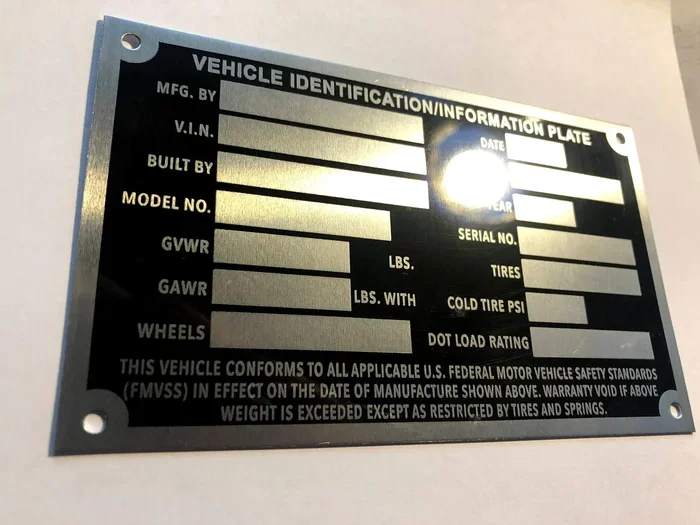
A car title is a legal document. It proves who owns the vehicle. Think of it as the birth certificate for your car. Without it, proving ownership becomes much harder. Most buyers, lenders, and state departments require a title to complete a sale legally.
The title contains important details. It lists the vehicle identification number, or VIN. It shows the make, model, and year. It records the owner’s name and any liens on the vehicle. When you transfer a title to a new owner, the sale becomes official in the eyes of the law.
Why Titles Get Lost or Missing
Lost titles are more common than you think. People move houses and misplace paperwork. Cars get inherited from family members without any documentation. Sometimes the original title was never mailed after a purchase. Floods, fires, and simple forgetfulness all play a role.
Other reasons include:
- The title was left in a sold car and never retrieved.
- A previous owner never transferred the title properly.
- The title was damaged beyond reading.
- The vehicle was purchased through a private party with no paperwork.
No matter how it happened, a missing title does not mean you cannot sell. It just means you need a different approach.
Can You Sell a Car Without a Title? The Short Answer
Can you sell a car without a title? Yes, but the method depends on your situation. The answer is not a simple one-size-fits-all. It changes based on your state, the type of vehicle, the buyer, and why the title is missing.
Here is the most important thing to understand. Selling a car without a title is legal in many cases. You just need to follow the right process. Skipping the process entirely is where people run into trouble.
Situations Where You Can Still Sell
Several common scenarios allow you to sell without the physical title in hand:
- You are applying for a duplicate title: You have started the process and expect to receive it soon.
- You are using a bonded title: Some states allow bonded titles that serve as proof of ownership.
- You are selling to a junkyard or cash buyer: Many buyers purchase vehicles without titles, especially for scrap or parts.
- Your state allows title-exempt sales: Older or low-value vehicles may not require a title for transfer.
- You have a bill of sale and other documentation: Some buyers accept alternative proof of ownership.
Each of these paths has its own requirements. Let us break them down one by one.
How to Get a Duplicate Title Before Selling
The most reliable way to sell a car without a title is to get a duplicate. This solves the problem at its root. Once you have the duplicate, you can sell the car the normal way.
Steps to Apply for a Duplicate Title
Getting a duplicate title is usually straightforward. Here is the general process:
- Find your state DMV website. Every state has its own process. Search for your state’s department of motor vehicles.
- Gather your identification. You will need a valid driver’s license or ID. Some states also require proof of residency.
- Provide the VIN. The vehicle identification number is essential. You can find it on the dashboard, driver’s side door jamb, or registration documents.
- Fill out the application. Most states offer an online or mail-in form for duplicate title requests.
- Pay the fee. Duplicate title fees vary by state. They typically range from $15 to $60.
- Wait for processing. You will receive the new title by mail, usually within two to four weeks.
How Long Does It Take?
Processing times differ from state to state. Some states issue duplicate titles within a few business days. Others take up to six weeks. If you are in a hurry, check whether your state offers expedited service. Many DMVs charge an extra fee for faster processing, but it can be worth it if you have a buyer waiting.
Quick Tip: Before you apply, call your local DMV office. Ask about the exact documents you need. Requirements vary more than most people realize, and a quick phone call can save you days of back-and-forth.
Alternative Methods to Sell Without a Title
What if you cannot get a duplicate title? Maybe the vehicle is too old, or the paperwork trail is too broken. Do not worry. You still have options.
Using a Bonded Title
A bonded title is a special type of title. It comes with a surety bond that protects the state against any future ownership claims. Bonded titles are available in many states. They work well when the original title is truly gone and cannot be recovered.
To get a bonded title, you typically need to:
- Prove ownership through a VIN inspection.
- Purchase a surety bond, usually equal to 1.5 times the vehicle’s value.
- File the application with your state DMV.
- Wait for the bond period to pass, usually three to five years.
After the bond period, the bonded title converts to a regular title. During that time, you can sell the vehicle with the bonded title in hand.
Selling to Junkyards and Cash Buyers
Junkyards and cash-for-cars companies are often the easiest buyers. They frequently purchase vehicles without titles. Why? Because they are buying the car for parts or scrap metal, not for resale with a clean title.
These buyers usually require minimal paperwork. A bill of sale and a photo ID are often enough. Some junkyards even handle the title process for you. This makes selling a car without a title fast and simple.
Expert Insight: When selling to a junkyard, get multiple quotes. Prices can vary significantly between buyers. A quick phone call or online estimate takes minutes and could save you hundreds of dollars.
Title-Exempt States and Special Cases
Some states do not require a title for certain vehicles. This usually applies to older cars or vehicles below a specific value threshold. For example, some states exempt vehicles older than 25 years from title transfer requirements. Others exempt vehicles worth less than a set dollar amount.
Check your state’s specific rules. You may be surprised to learn that your car qualifies for a title-exempt sale. This is one of the most overlooked ways to sell without a title.
The Risks of Selling Without Proper Documentation
Selling a car without a title is not without risks. Understanding these risks helps you protect yourself and your buyer.
Legal Consequences
In some states, selling a vehicle without proper title documentation is illegal. Even where it is allowed, skipping required steps can create problems later. The buyer might refuse to register the vehicle. You could remain liable for the car if the buyer gets into an accident.
Common legal issues include:
- Being sued by the buyer for failure to transfer ownership.
- Facing fines or penalties from the state for improper sale procedures.
- Remaining responsible for unpaid parking tickets or tolls tied to the vehicle.
- Dealing with lien holders who still claim ownership of the vehicle.
Protecting Yourself as a Seller
You can reduce risk significantly with a few smart steps:
- Always use a bill of sale. This document records the sale details, including buyer and seller names, sale price, and vehicle information.
- Get the buyer’s full name and contact information. This is essential for any future disputes.
- Keep copies of everything. Save the bill of sale, any correspondence, and proof of the sale price.
- Notify your insurance company. Let them know the vehicle has been sold so you are no longer liable.
Common Mistake: Many sellers skip the bill of sale because it feels unnecessary. This is a costly error. A simple bill of sale protects both you and the buyer. It costs nothing and takes five minutes to write up.
Step-by-Step Guide to Selling Your Car Without a Title
Now that you understand the options, here is a practical roadmap for selling your car without a title.
Step 1: Determine Your Situation
Ask yourself a few key questions. Is the title lost, or was it never issued? Is the vehicle old enough to be title-exempt in your state? Do you have the VIN and registration documents? Answering these questions helps you choose the right path.
Step 2: Gather All Available Documents
Collect everything you have. Registration papers, bill of sale from the original purchase, insurance documents, and maintenance records all help establish ownership. The more documentation you can provide, the smoother the process becomes.
Step 3: Choose Your Selling Method
Decide which method fits your situation best:
- Duplicate title route: Best if you can wait a few weeks for processing.
- Bonded title route: Best if the original title is permanently lost.
- Cash buyer or junkyard route: Best if you need a fast sale with minimal paperwork.
- Title-exempt sale: Best if your vehicle qualifies under state rules.
Step 4: Find a Buyer
List your car on local marketplaces, contact junkyards, or reach out to cash-for-cars services. Be upfront about the title situation. Honesty builds trust and avoids wasted time.
Step 5: Complete the Sale Properly
Use a bill of sale. Record the sale price, date, and both parties’ information. Remove your license plates if required by your state. Cancel your insurance on the vehicle. These steps close the loop and protect you going forward.
Step 6: Follow Up
Check with your state DMV after the sale to confirm the vehicle is no longer registered in your name. This final step prevents future liability and gives you peace of mind.
How a Bill of Sale Protects Both Parties
A bill of sale is your best friend when selling without a title. It is a simple document that records the transaction. It does not replace a title, but it provides a paper trail that both parties can reference.
A good bill of sale includes:
- The full names and addresses of the buyer and seller.
- The vehicle make, model, year, and VIN.
- The sale date and sale price.
- A statement that the vehicle is sold “as-is.”
- Signatures from both the buyer and seller.
Some states offer official bill of sale forms through their DMV websites. Using these forms adds legitimacy. They are designed to meet state requirements and give both parties confidence that the transaction is recorded properly.
Common Mistakes People Make When Selling Without a Title
Avoiding mistakes saves time, money, and headaches. Here are the most common errors sellers make:
- Assuming the car is worthless without a title. Many buyers, especially junkyards and parts dealers, will still purchase the vehicle.
- Skipping the bill of sale. This leaves both parties unprotected in case of disputes.
- Not checking state-specific requirements. Rules vary widely, and what works in one state may not work in another.
- Selling to an unlicensed buyer. Always verify that the buyer is legitimate. Unlicensed dealers can create legal problems for sellers.
- Forgetting to cancel insurance. Keeping insurance on a sold vehicle means you continue paying for coverage you no longer need.
- Rushing the process. Taking shortcuts to close the deal faster often leads to bigger problems down the road.
Quick Tip: Take a screenshot of every conversation, agreement, and document related to the sale. Digital records are invaluable if a dispute arises months later.
How Long Does the Entire Process Take?
The timeline depends on which method you choose. Getting a duplicate title typically takes two to six weeks. Selling to a cash buyer can happen in a single day. A bonded title process can take several months because of the bond waiting period.
If speed matters to you, selling to a junkyard or cash-for-cars service is the fastest option. You can often get paid within 24 hours. The trade-off is that you may receive a lower price than a private sale would bring.
If you have time and want the best price, pursue the duplicate title route first. It takes a bit longer, but it opens up the full private market for buyers.
Frequently Asked Questions
Is it legal to sell a car without a title?
In most states, selling a car without a title is legal as long as you follow the proper procedures. Many states allow title-exempt sales for older vehicles, and others accept bonded titles or duplicate title applications. The key is to use a bill of sale and follow your state’s specific rules. Selling without any documentation or skipping required steps can create legal problems.
Can I sell my car if I still owe money on it?
If you still owe money, the lender likely holds the title as a lien. You cannot sell the car until the lien is released. You can pay off the loan, get a lien release, and then sell the car. Some buyers and dealers will work with you to handle the payoff as part of the transaction, but this requires coordination with the lender.
What is a bonded title and how does it work?
A bonded title is a type of vehicle title that includes a surety bond. The bond protects the state against future ownership claims. You apply for a bonded title through your state DMV, provide proof of ownership, and purchase a bond. After a waiting period, usually three to five years, the bonded title converts to a standard title. You can sell the vehicle during the bonded title period.
Do all states require a title for car sales?
No. Some states do not require a title for older vehicles or vehicles below a certain value. These title-exempt sales are common for classic cars, farm vehicles, and older models. Check with your state DMV to see if your vehicle qualifies. Requirements vary significantly from state to state.
Can I sell my car to a junkyard without a title?
Yes. Most junkyards and cash-for-cars services purchase vehicles without titles. They typically require a bill of sale and a valid photo ID from the seller. Because junkyards buy cars for parts or scrap, they do not need a clean title to resell the vehicle. This makes junkyards one of the easiest options for selling without a title.
How much is a duplicate title fee?
Duplicate title fees vary by state. They typically range from $15 to $60. Some states charge more for expedited processing. Check your state DMV website for the exact fee. The cost is a small price compared to the hassle of trying to sell a car without proper documentation.
Final Thoughts
Can you sell a car without a title? The answer is a clear and definitive yes. Whether you choose to get a duplicate title, pursue a bonded title, sell to a cash buyer, or take advantage of title-exempt rules in your state, you have real options. The key is to act deliberately and follow the proper steps.
Do not let a missing title stop you from selling your car. Thousands of people navigate this process every year and close successful sales. The difference between a smooth transaction and a frustrating one comes down to preparation. Gather your documents. Understand your state’s rules. Choose the right buyer. Use a bill of sale. Protect yourself at every step.
Selling a car without a title is entirely doable. It just takes a little more planning than a standard sale. Now that you have the knowledge and the roadmap, you are ready to move forward. Pick the method that fits your situation, take action, and get your car sold.
The road ahead is straightforward. You have the tools. You have the information. All that is left is to put it into practice. Your car sale is closer than you think.