How Bugatti Veyrons Aerodynamics Enhance Top Speed
The Bugatti Veyron uses advanced aerodynamic design to achieve incredible top speeds. From its carbon fiber body to active wings, every detail reduces drag and increases downforce. Understanding these systems helps car owners appreciate the engineering behind the world’s fastest production cars.
Key Takeaways
- Active aerodynamics adjust in real time to balance speed and stability.
- The carbon fiber body minimizes weight while maximizing structural strength.
- Downforce generation keeps the car planted at extreme velocities.
- Wind tunnel testing refines every curve for optimal airflow.
- Regular maintenance preserves the aerodynamic integrity of the vehicle.
- Drag coefficient plays a central role in reaching top speed.
- Cooling systems are integrated into the aerodynamic design for engine performance.
📑 Table of Contents
Understanding Aerodynamic Basics
When we talk about Bugatti Veyron aerodynamics, we are really talking about how air moves around a car at extreme speeds. Air is not just empty space. It pushes back. The faster you go, the harder it pushes. This is called air resistance or drag. And drag is the number one enemy of speed.
So what exactly is aerodynamic design? Simply put, it is the shape and structure of a vehicle that lets air flow smoothly over and around it. A boxy shape creates lots of turbulence. A sleek shape cuts through the air like a knife. The Bugatti Veyron was designed from the ground up to be one of the most aerodynamic cars ever built.
Why does this matter so much? Because at high speeds, air resistance grows exponentially. Double your speed and you face four times the drag. That means your engine has to work much harder just to push through the air. The better the streamlined body, the less work the engine has to do. This is the core idea behind Bugatti Veyron aerodynamics.
Every curve, every angle, every surface on the Veyron serves a purpose. Nothing is there by accident. Engineers spent years perfecting the balance between drag reduction and downforce generation. And that balance is what makes the Veyron so special.
What Is Aerodynamics and Why Does It Matter?
Aerodynamics is the science of how air moves around objects. In the car world, it determines how smoothly a vehicle slices through the atmosphere. Cars with poor aerodynamics waste energy fighting the wind. Cars with great aerodynamics use that energy to go faster.
Think of it like cycling into a strong headwind. If you crouch low, you feel less resistance. If you sit upright, you slow down fast. Cars work the same way. The Bugatti Veyron crouches low in the wind with its flat underbody and tapered rear. This reduces the frontal area and lets air pass cleanly over the body.
Air resistance is measured using something called a drag coefficient. The lower the number, the better. The Veyron has a drag coefficient of just 0.36. That is incredibly low for a car this wide and this powerful. It is a huge reason why the Veyron can reach its top speed of over 250 miles per hour.
The Bugatti Veyrons Aerodynamic Design
The design of the Bugatti Veyron is a masterpiece of aerodynamic engineering. Every panel, every vent, every seam has been shaped to manage airflow. The goal is simple: move as much air out of the way as possible while keeping the car stable.
Bugatti Veyron aerodynamics start with the overall shape. The car is long, wide, and very low to the ground. The front is narrow and pointed. The rear is wide and tapered. This teardrop-like shape is one of the most efficient forms for cutting through air. It is the same principle used in airplane design.
The Carbon Fiber Body
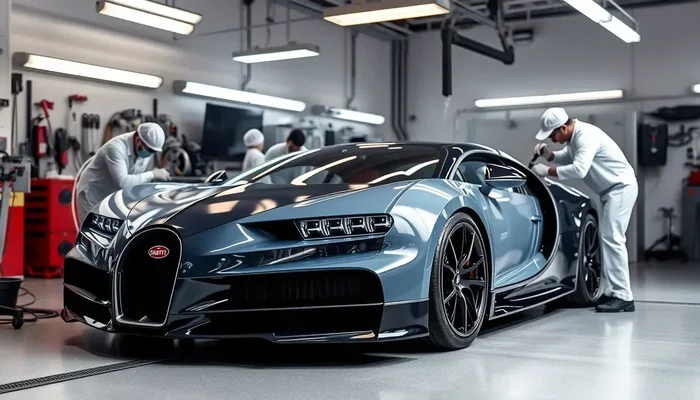
The Veyron’s body is made from carbon fiber. This material is extremely light but also very strong. A lighter car needs less energy to push through the air. The carbon fiber panels are also very smooth, which helps air flow without catching on rough surfaces. Even tiny bumps or seams can create turbulence that slows the car down.
The carbon fiber construction also allows for precise shaping. Engineers can mold panels into complex curves that would be impossible with steel or aluminum. These curves guide air along the body in controlled paths. Every millimeter of shape matters when you are chasing top speed records.
Interestingly, the carbon fiber body also helps with something called thermal management. The Veyron’s engine produces enormous heat. The body panels are designed to channel airflow over hot components and carry that heat away. So aerodynamics do more than just reduce drag. They also help keep the car from overheating.
Streamlined Shape and Frontal Area
The streamlined body of the Veyron is not just about looks. It is about function. The front of the car features a flat, wide bumper with carefully placed air intakes. These intakes feed air to the engine and brakes. But they are shaped to minimize disruption to the airflow over the hood.
Frontal area reduction is a key concept here. The smaller the front-facing area of the car, the less air it has to push through. The Veyron keeps its frontal area as small as possible despite being a very large car. The narrow headlamps and the flat windshield angle both contribute to this.
The rear of the car is equally important. The tail tapers inward, creating a kind of natural spoiler effect. This helps pull air cleanly off the back of the car instead of letting it swirl into a turbulent wake. A clean rear end means less drag and more speed.
Active Aerodynamics at Work
Modern supercars use what is called active aerodynamics. This means parts of the car can move or change shape while driving. The Bugatti Veyron is a perfect example of this technology in action.
Active aerodynamics give the car the ability to adapt to different driving conditions. At low speeds, the car might need more cooling air. At high speeds, it needs more downforce and less drag. The Veyron’s systems handle all of this automatically.
Adjustable Wings and Spoilers
The Veyron features an adjustable rear wing. At low speeds, the wing stays mostly flat. This reduces drag and lets the car accelerate quickly. But when you push the car to its limits, the wing rises and tilts. This creates more downforce and keeps the rear of the car pressed to the road.
The wing also has a drag reduction mode. When you are cruising at high speed on a straightaway, the wing can flatten out again. This minimizes the push from the wind and helps the car maintain its top speed. It is a brilliant system that balances two competing needs: grip and speed.
There are also smaller spoilers and air curtains around the front wheels. These manage the airflow around the wheel arches. Wheels spinning in the air create a lot of drag. These small features channel air to reduce that drag and keep the car efficient.
Active Diffusers and Underbody Design
Underneath the Veyron, there is a flat panel called the underbody. This is not just a flat piece of metal. It is carefully shaped to create what engineers call the ground effect. The ground effect uses the space between the car and the road to generate suction. This pulls the car down toward the pavement, increasing grip without adding weight.
The rear diffuser is a key part of this system. It sits at the back of the underbody and accelerates the air flowing underneath. This creates low pressure beneath the car. Higher pressure above the car then pushes it down. This is downforce in action, and it is essential for high-speed performance.
The diffuser also works with the rear wing to manage airflow. As air exits the bottom of the car, the diffuser guides it smoothly into the rear wake. This prevents turbulence and keeps drag low. Together, the underbody and diffuser form a complete airflow management system.
How Downforce Improves Stability
Speed means nothing if the car cannot stay on the road. This is where downforce becomes critical. Downforce is the force that pushes a car down toward the ground. More downforce means more tire grip. More grip means the car can take corners faster and brake harder.
The Bugatti Veyron generates impressive downforce even at extreme speeds. At 200 miles per hour, the downforce is strong enough to feel like the car is glued to the track. This is what makes the Veyron not just fast but also safe and controllable at high velocity.
Ground Effect Principles
The ground effect is a fascinating aerodynamic phenomenon. When a car sits very close to the ground, the air rushing underneath speeds up. Faster air means lower pressure. The higher pressure above the car then pushes it down. This is the same principle that allows some race cars to generate incredible grip without massive wings.
The Veyron’s flat underbody and tight ride height make the ground effect work efficiently. Even small changes in ride height can affect how much downforce the car generates. This is why the suspension on the Veyron is so precisely engineered. It keeps the car at the perfect height for optimal aerodynamic efficiency.
Vortex Generators and Airflow Control
You will also find small fins and ridges on the Veyron called vortex generators. These tiny features might look insignificant, but they do important work. They create small spirals of air called vortices. These vortices energize the airflow and help it stay attached to the car’s surfaces longer.
When airflow stays attached, it follows the contours of the car more smoothly. This reduces drag and improves downforce. Vortex generators are a common feature in aerodynamic design, from Formula 1 cars to commercial aircraft. The Veyron uses them to fine-tune its airflow at every speed.
Another clever feature is the way air is channeled to the brakes. The Veyron generates enormous heat when braking at high speed. Large air intakes in the front bumper feed cool air directly to the brake discs. This is airflow management serving two purposes at once: reducing drag elsewhere and keeping the brakes cool.
Wind Tunnel Testing and Engineering
You cannot just guess what works in aerodynamics. You have to test it. The Bugatti Veyron went through extensive wind tunnel testing during its development. Engineers placed scale models and eventually full prototypes in massive wind tunnels to measure airflow and forces.
Wind tunnel testing allows engineers to see exactly how air moves around the car. They can measure drag, downforce, and pressure at every point on the body. This data guides every design decision. If a certain curve creates too much turbulence, it gets reshaped. If a certain angle reduces drag, it gets kept.
The testing process is iterative. Engineers make a change, test it, analyze the results, and make another change. This cycle repeats hundreds of times until the design is as efficient as possible. The result is a car where every surface has been optimized for aerodynamic performance.
Real-world testing also plays a role. Engineers take prototypes to closed tracks and test them at extreme speeds. They compare the data from the wind tunnel with real-world results. Any discrepancies lead to further refinements. This thorough process is why the Veyron achieved such remarkable high-speed performance.
Real-World Testing Process
During real-world testing, engineers pay close attention to vehicle stability. A car that is aerodynamically efficient but unstable is dangerous. The Veyron had to be both fast and predictable. Engineers tested different wing angles, diffuser shapes, and underbody configurations to find the perfect balance.
They also tested the car in various weather conditions. Wind, rain, and temperature all affect how air moves around a car. The Veyron’s aerodynamic systems had to work reliably in all conditions. This is part of what makes the engineering so impressive. It is not just about one perfect scenario. It is about consistent performance everywhere.
Maintaining Aerodynamic Performance
Bugatti Veyron aerodynamics do not stay perfect forever. Over time, small damages and wear can affect how air flows over the car. Keeping the aerodynamic systems in top condition is an important part of car maintenance for any Veyron owner.
The exterior panels must remain smooth and undamaged. Even a small dent or scratch can create turbulence that increases drag. The active aerodynamic components, like the rear wing and diffuser flaps, need regular inspection to ensure they move freely. Dirt and debris can also block air intakes and reduce cooling efficiency.
Regular Inspection Tips
Here are some practical tips for maintaining the aerodynamic performance of a Bugatti Veyron:
- Inspect the underbody for damage after driving on rough roads. The flat panels can get scraped or cracked.
- Check the rear wing mechanism regularly. Make sure it moves smoothly between its different positions.
- Clean the air intakes and vents thoroughly. Blocked intakes reduce engine cooling and brake cooling.
- Look for any cracks or gaps in the body panels. Even small gaps can disrupt airflow and increase drag.
- Have the car inspected by a specialist who understands Bugatti Veyron aerodynamics and the unique systems involved.
Regular maintenance keeps the car performing as it was designed to. It also preserves the value of the vehicle. A well-maintained Veyron with clean aerodynamic surfaces will be faster and more stable than one that has been neglected.
Common Aerodynamic Issues to Watch For
Over time, some common issues can affect the Veyron’s aerodynamic performance. Paint damage and clear coat wear can create micro-turbulence. Worn seals around doors and windows can allow air to leak into the cabin, disrupting the smooth flow. Even aftermarket accessories, if not properly designed, can add drag.
Another issue is the degradation of active components. The motors and linkages that move the wing and diffuser can wear out. When these parts do not move correctly, the car loses the ability to adapt its aerodynamics to different speeds. This can hurt both top speed and stability.
Keeping up with maintenance schedules and addressing small issues quickly will prevent bigger problems down the road. The Veyron is a complex machine, and its aerodynamics are at the heart of what makes it extraordinary.
Comparing Aerodynamic Approaches
Not all supercars approach aerodynamics the same way. Different brands use different strategies to manage airflow. Understanding these differences helps you appreciate what makes Bugatti Veyron aerodynamics special.
Some cars focus heavily on downforce at the expense of top speed. Others prioritize low drag and straight-line velocity. The Veyron strikes a balance between these two goals. It can go incredibly fast while still being stable and controllable. This balanced approach is part of why the Veyron remains an icon of automotive engineering.
The design philosophy also extends to how the car handles different driving scenarios. At low speeds in city traffic, the Veyron’s aerodynamic systems reduce drag for efficient movement. At high speeds on the track, they increase downforce for maximum grip. This adaptability is what separates the Veyron from less sophisticated designs.
While some other high-performance brands focus on raw power alone, Bugatti understood that aerodynamic efficiency is just as important as horsepower. The combination of a massive engine and brilliant aerodynamics is what allowed the Veyron to reach its legendary top speed. It is a perfect partnership between power and air management.
Conclusion
The Bugatti Veyron is more than just a fast car. It is a masterclass in aerodynamic design. From its carbon fiber body to its active aerodynamics, every element works together to reduce drag, increase downforce, and improve high-speed performance.
Bugatti Veyron aerodynamics show us that speed is not just about power. It is about how efficiently a car moves through the air. The careful shaping of the body, the intelligent use of active components, and the rigorous testing all come together to create one of the most aerodynamically advanced cars ever made.
If you own a Veyron or are simply fascinated by automotive engineering, understanding these systems adds a whole new layer of appreciation. The next time you see a Veyron screaming down the highway, remember what is happening beneath the bodywork. The air is being managed with incredible precision, allowing the car to reach speeds that once seemed impossible.
Whether you are a car enthusiast or just curious about how things work, the story of Bugatti Veyron aerodynamics is one of the most fascinating in the automotive world. It reminds us that the fastest cars are not always the most powerful. Sometimes, they are the smartest.
Frequently Asked Questions
What makes Bugatti Veyron aerodynamics so effective?
The Veyron combines a low drag coefficient, active aerodynamic components, and a carbon fiber body to manage airflow with incredible precision. Every surface is shaped to reduce drag while generating the downforce needed for stability at extreme speeds.
How does the active rear wing improve top speed?
The adjustable rear wing flattens at high speeds to reduce drag, allowing the car to maintain its top speed more efficiently. At lower speeds or in corners, it rises to create more downforce and improve grip.
Why is the carbon fiber body important for aerodynamics?
Carbon fiber is lightweight and can be molded into smooth, complex shapes. This reduces weight and ensures the body panels are perfectly smooth, which helps air flow over the car without creating turbulence or drag.
How does the ground effect work on the Bugatti Veyron?
The flat underbody and rear diffuser create low pressure beneath the car. Higher pressure above the car then pushes it down toward the road, increasing grip and stability without adding extra weight or drag.
What role does wind tunnel testing play in the design?
Wind tunnel testing allows engineers to measure exactly how air moves around the car. This data guides every design decision, from the shape of the body panels to the angle of the rear wing, ensuring maximum aerodynamic efficiency.
How can owners maintain the aerodynamic performance of their Veyron?
Regular inspections of the body panels, active components, and air intakes are essential. Keeping surfaces smooth, cleaning vents, and ensuring the wing and diffuser move freely all help preserve the car’s aerodynamic performance over time.