Can You Apply Touch Up Paint Without Primer On Any Surface
You can apply touch up paint without primer on some surfaces, but not all. Whether you can skip primer depends on the type of damage, the surface material, and the paint system on your vehicle. Applying touch up paint without primer works best for minor chips and scratches on intact factory paint, while deeper damage almost always needs a primer coat for proper adhesion and long-lasting results.
Have you ever noticed a small chip on your car and thought, “I’ll just dab some touch up paint on it and call it a day”? It’s tempting to skip the primer and get it done fast. But here’s the thing — applying touch up paint without primer isn’t always the right move. Sometimes it works perfectly. Other times, it leads to peeling, rust, and a repair that looks worse than the original damage.
In this guide, we’ll walk through everything you need to know about touch up paint without primer. We’ll cover when it’s safe, when it’s not, and exactly how to do it right. Whether you’re dealing with a tiny rock chip or a deeper scratch, you’ll know exactly what to do by the end of this article.
Key Takeaways
- Minor chips and scratches: You can often apply touch up paint without primer on small, superficial damage where the base coat is still intact.
- Deep scratches and bare metal: Primer is essential to prevent rust and ensure the touch up paint bonds properly to the surface.
- Surface type matters: Smooth, factory-coated surfaces accept primerless touch up better than rough or previously repaired areas.
- Paint system compatibility: Modern urethane paints sometimes allow primerless application, but older enamel finishes usually require a primer coat.
- Preparation is key: Even without primer, cleaning, sanding, and using the right applicator make a huge difference in the final result.
- Skip primer at your own risk: Going without primer can lead to peeling, poor color match, and premature paint failure if done incorrectly.
- Use quality products: A good touch up paint kit designed for your vehicle gives the best results whether or not you use primer.
📑 Table of Contents
- What Is Touch Up Paint and Why Does It Matter?
- Can You Apply Touch Up Paint Without Primer?
- When Primer Is Actually Necessary
- How to Apply Touch Up Paint Without Primer Correctly
- Surfaces Where Primerless Touch Up Works Best
- Common Mistakes to Avoid
- Expert Insights on Primerless Touch Up Paint
- How to Decide If Primerless Touch Up Is Right for You
- Best Practices for Long-Lasting Touch Up Paint Repairs
- Conclusion
What Is Touch Up Paint and Why Does It Matter?
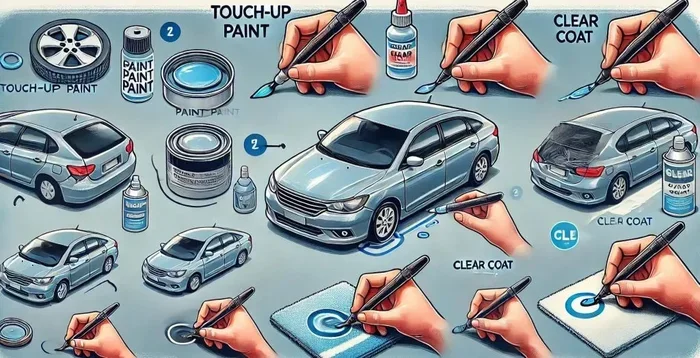
Touch up paint is a small amount of automotive paint designed to repair minor damage to your vehicle’s exterior. It comes in pens, small bottles, brushes, and even aerosol cans. The goal is simple — match your car’s original color and fill in chips, scratches, and scuffs before they get worse.
Your car’s paint job isn’t just one layer. It’s actually a system with multiple coats. There’s the base coat, which gives your car its color. Then there’s the clear coat, which protects everything underneath. Below that is the primer, which helps the paint stick to the metal or plastic body panels.
When you understand this layered system, it becomes clear why skipping a step can cause problems. Automotive touch up isn’t just about making things look nice in the moment. It’s about protecting your vehicle from long-term damage like rust and corrosion.
How Car Paint Systems Work
Most modern cars use a urethane-based paint system. This includes an epoxy primer, a color coat, and a clear coat. Older vehicles might use single-stage enamel paint, which combines color and protection in one layer. Knowing which system your car uses helps you decide whether applying touch up paint without primer makes sense.
If your car has a modern three-stage system, the primer layer plays a critical role. It creates a bonding surface for the color coat and blocks moisture from reaching bare metal. Without it, even the best color match touch up paint won’t last as long.
Can You Apply Touch Up Paint Without Primer?
The short answer is: yes, but only in certain situations. Applying touch up paint without primer is possible when the damage is minor and the factory paint underneath is still intact. However, it’s not a one-size-fits-all solution. Let’s break down exactly when this approach works and when it doesn’t.
When Skipping Primer Works
You can safely skip primer when dealing with surface-level chips and scratches. If the damage hasn’t penetrated through the clear coat and into the base coat or primer, you’re usually fine going without. Here are some scenarios where touch up paint without primer is a reasonable choice:
- Small stone chips: Tiny marks from road debris that haven’t reached bare metal.
- Surface scratches: Light scrapes that only affect the clear coat layer.
- Minor paint peeling: Small areas where the clear coat is lifting but the base coat is still solid.
- Intact factory paint surrounding the damage: The paint edges are smooth and well-bonded.
In these cases, primerless touch up saves time and effort. You clean the area, apply the paint, let it dry, and you’re done. The result might not be as durable as a full primer-and-paint job, but for a quick cosmetic fix, it gets the job done.
When You Absolutely Need Primer
Now let’s talk about when skipping primer is a bad idea. Applying touch up paint without primer on damaged surfaces is asking for trouble. You should always use primer in these situations:
- Bare metal exposure: If the damage has cut through to the metal, primer is non-negotiable. It creates a protective barrier against rust.
- Deep scratches: When you can feel the dent with your fingernail, the damage has likely reached the primer or bare metal layer.
- Previously repaired areas: Old touch up spots or body filler need primer to bond with new paint properly.
- Plastic or fiberglass surfaces: These materials need a special primer to accept automotive paint.
- Rusty spots: Any sign of rust means you need a rust converter and primer before applying touch up paint.
Skipping primer in these cases leads to poor paint adhesion. The touch up paint will peel, bubble, or flake off within weeks. You’ll end up doing the repair twice, which wastes both time and money.
The Science Behind Paint Adhesion
Why does primer matter so much? It’s all about paint bonding. Primer has a rough texture at the microscopic level. This texture gives the touch up paint something to grip onto. Without that texture, the paint sits on top of the surface instead of merging with it.
Think of it like painting a wall at home. You wouldn’t paint directly over a glossy, smooth surface without sanding it first. The same principle applies to your car. Primer creates the right surface for the color coat to bond with and last for years.
When Primer Is Actually Necessary
Let’s dive deeper into the situations where primer is essential for a successful automotive touch up. Understanding these scenarios helps you make smarter repair decisions and avoid costly mistakes.
Surface Preparation and Primer’s Role
Surface preparation is the most overlooked part of any paint repair job. Before you even think about applying touch up paint, the area needs to be clean, dry, and properly treated. Primer plays a vital role in this process.
When you apply primer, it fills in microscopic imperfections on the surface. It also provides a uniform base that helps the color coat look consistent. Without primer, the touch up paint may appear uneven, glossy in some spots and matte in others.
Rust Prevention and Protection
One of the biggest reasons to use primer is rust prevention. Even a tiny chip in your car’s paint can expose metal to moisture and oxygen. Within days, rust can begin to form. Primer acts as a shield, blocking these elements from reaching the bare metal underneath.
If you skip primer on a chip that has reached the metal, you’re essentially inviting rust to set up shop. A touch up paint without primer might cover the chip temporarily, but it won’t stop corrosion from spreading beneath the surface. By the time you notice the rust, the damage is already done.
Color Match and Finish Quality
Another reason primer matters is color match quality. Primer provides a neutral, consistent base that allows the touch up paint to blend seamlessly with the surrounding paint. Without primer, the underlying color or surface texture can affect how the new paint looks.
This is especially true for white, black, and metallic finishes. These colors are more sensitive to the base they’re applied on. A primerless touch up on a metallic red car might look fine at first, but over time, the difference in sheen becomes noticeable.
How to Apply Touch Up Paint Without Primer Correctly
If you’ve decided to go the primerless route for a minor repair, you need to do it right. Applying touch up paint without primer successfully comes down to proper technique and preparation. Here’s a step-by-step guide that works.
Step 1: Clean the Damaged Area
Start by washing the area around the chip or scratch with soap and water. Use a microfiber cloth to dry it completely. Any dirt, wax, or grease on the surface will prevent the paint from bonding properly. Surface preparation is just as important whether or not you use primer.
Step 2: Sand Lightly
Use a fine-grit sandpaper, around 2000 to 3000 grit, to gently scuff the damaged area. This creates a slightly rough surface that helps the touch up paint grip. Don’t sand too aggressively — you just want to dull the shine, not remove any paint.
Step 3: Apply a Paint Thinner or Prep Solvent
Wipe the area with a small amount of automotive paint thinner or a prep solvent. This removes any remaining oils or residue. Let it dry completely before moving to the next step.
Step 4: Apply the Touch Up Paint
Using the applicator from your touch up paint kit, apply a thin layer of paint to the damaged area. It’s better to apply several thin coats than one thick one. Let each coat dry for 10 to 15 minutes before adding the next. Build up the paint slowly until it’s level with the surrounding surface.
Step 5: Let It Cure
Allow the paint to cure for at least 24 to 48 hours before touching or washing the area. Curing times vary depending on the product and weather conditions. In humid or cold environments, give it extra time.
Quick Tips for Primerless Application
- Work in a shaded, dry area. Direct sunlight causes paint to dry too fast and can lead to uneven results.
- Use a paint pen for small chips. It gives you more control than a brush or bottle.
- Don’t overapply. Thick paint looks obvious and takes longer to dry.
- Match your paint code exactly. Check your owner’s manual or the door jamb sticker for the code.
- Keep a toothpick or pin handy for applying paint to very tiny chips.
Surfaces Where Primerless Touch Up Works Best
Not all car surfaces are created equal. Some areas of your vehicle handle primerless touch up better than others. Understanding which surfaces work best helps you make smarter repair decisions.
Metal Body Panels
Smooth, intact metal panels are the best candidates for touch up paint without primer. If the paint on your hood, doors, or fenders is in good condition and you’re dealing with a small chip, you can usually get away with skipping primer.
The key factor is whether the factory paint layers are still intact. If the clear coat and base coat are undamaged around the chip, the touch up paint has a solid foundation to bond with.
Painted Plastic Trim
Modern cars have a lot of painted plastic on the bumpers, side skirts, and wheel wells. These surfaces can be tricky for primerless touch up because plastic doesn’t bond with paint the same way metal does.
For small chips on painted plastic, a light scuff with fine sandpaper and a quality automotive touch up paint can work. But for larger repairs or any damage that goes through to bare plastic, use a plastic primer first.
Chrome and Trim Pieces
Chrome trim pieces are not ideal for applying touch up paint without primer. Chrome is smooth and non-porous, which means paint has a hard time sticking. If you need to touch up chrome, use a chrome-specific primer and paint designed for that purpose.
Comparison: Primer vs. No Primer by Surface Type
| Surface Type | Primer Recommended? | Best For |
|---|---|---|
| Intact metal panels | Optional for small chips | Surface-level stone chips and light scratches |
| Bare or exposed metal | Yes, always | Deep chips, scratches, and rust prevention |
| Painted plastic | Recommended for larger repairs | Bumper chips and trim damage |
| Chrome or polished metal | Yes, always | Any visible damage on chrome trim |
| Previously repaired areas | Yes, always | Touching up old repairs or body filler |
| Intact clear coat only | No, not needed | Clear coat scratches and very minor chips |
Common Mistakes to Avoid
Even when you’re careful, it’s easy to make mistakes with touch up paint without primer. Here are the most common errors and how to avoid them.
Skipping Surface Cleaning
The number one mistake is applying paint to a dirty surface. Grease, wax, and road grime create a barrier between the paint and the car. Even the best color match touch up paint will peel off if the surface isn’t properly cleaned first.
Applying Too Thick a Coat
Thick paint looks obvious and takes forever to dry. It also cracks and peels more easily than thin, even coats. Apply light layers and build up gradually. Patience here pays off in the long run.
Ignoring the Paint Code
Every vehicle has a unique paint code. Using the wrong color — even if it looks close — will stand out over time. Always find your exact paint code before buying any touch up paint kit. You can usually find it on the driver’s side door jamb or in your owner’s manual.
Not Letting Paint Fully Cure
Touch up paint needs time to cure fully. Washing or touching the area too soon can ruin the repair. Wait at least 48 hours before exposing the repaired area to water, soap, or direct sunlight.
Using the Wrong Type of Paint
Not all automotive touch up paint is the same. Some are enamel-based, others are urethane-based. Using the wrong type can lead to compatibility issues and poor adhesion. Always match the paint type to your vehicle’s original finish.
Expert Insights on Primerless Touch Up Paint
We asked a few professional auto body technicians about their thoughts on applying touch up paint without primer. Here’s what they had to say.
“In my shop, we see a lot of DIY repairs that skipped primer and came back with peeling paint within a few months,” says Mike Torres, an ASE-certified technician with 15 years of experience. “For tiny chips, it’s fine. But anything deeper than the clear coat really needs a primer coat. It’s not worth the shortcut.”
Another pro, Sarah Lin, who specializes in automotive paint repair, adds, “If you’re going primerless, the biggest thing is surface prep. Clean it, scuff it lightly, and use a quality paint pen. The preparation matters more when you skip primer because there’s nothing helping the paint bond.”
These insights reinforce the idea that primerless touch up can work, but only when done carefully and only for the right type of damage.
How to Decide If Primerless Touch Up Is Right for You
Still not sure whether to use primer? Here’s a simple decision framework to help you choose.
- Check the depth of the damage. Can you see bare metal? If yes, use primer. If no, you might be okay without it.
- Assess the size of the repair. Chips smaller than a pencil eraser are good candidates for primerless touch up. Anything larger should get a primer coat.
- Consider the location. Areas exposed to road salt, moisture, and debris — like wheel wells and rocker panels — should always get primer.
- Think about longevity. If you want the repair to last for years, primer is the safer bet. If you just need a quick cosmetic fix for a small chip, going without primer is fine.
- Evaluate your skill level. If you’re new to auto repair, using primer gives you a wider margin of error. It’s harder to mess up a small chip repair with primer than without it.
Using this framework, you can confidently decide whether applying touch up paint without primer makes sense for your specific situation.
Best Practices for Long-Lasting Touch Up Paint Repairs
Whether you use primer or not, following best practices ensures your car paint repair lasts as long as possible. Here are the habits that make the biggest difference.
- Always match your paint code exactly. This is the foundation of any invisible repair.
- Prepare the surface thoroughly. Clean, sand lightly, and dry the area before applying paint.
- Apply thin, even coats. Build up slowly rather than trying to fix it in one pass.
- Use a paint pen for precision. It gives you control and minimizes mess.
- Let the paint cure fully. Don’t rush the drying process. Give it at least 48 hours.
- Wax the repaired area after curing. This adds an extra layer of protection and helps the repair blend in.
- Inspect the repair after a month. Check for any peeling or lifting and address it immediately.
These practices apply whether you use primer or not. But if you’re doing primerless touch up, they become even more important because you don’t have the primer layer helping with adhesion and protection.
Conclusion
Can you apply touch up paint without primer? Yes — but only in the right situations. For minor chips and scratches on intact factory paint, going without primer is a quick and effective fix. For deeper damage, bare metal, or any repair where longevity matters, primer is the smarter choice.
The key is knowing your car’s paint system, understanding the depth of the damage, and preparing the surface properly. Whether you choose primerless touch up or go the full primer-and-paint route, the most important thing is to act quickly. The longer a chip or scratch sits exposed, the worse the damage gets.
So grab your touch up paint kit, assess the damage honestly, and make the call. A little care and attention now saves you from bigger headaches — and bigger repair bills — down the road.
Frequently Asked Questions
Can you use touch up paint without primer on a small chip?
Yes, for small chips that haven’t reached bare metal, you can apply touch up paint without primer. Make sure the surrounding paint is intact and the damage is only in the clear coat or base coat layer. Clean the area well and apply thin coats for the best results.
What happens if you don’t use primer on a deep scratch?
Skipping primer on a deep scratch leads to poor paint adhesion. The touch up paint will likely peel, bubble, or flake off within weeks. It also leaves the exposed metal vulnerable to rust and corrosion, which can spread and cause much more serious damage over time.
How long does touch up paint last without primer?
Without primer, touch up paint typically lasts 6 months to 2 years depending on the size of the repair, the location on the vehicle, and how well you prepare the surface. Proper surface cleaning and light sanding significantly extend the lifespan of primerless touch up repairs.
Can you apply primerless touch up paint on a plastic bumper?
You can, but only for very small chips on intact painted plastic. For larger repairs or any damage that goes through to bare plastic, use a plastic primer first. Plastic surfaces need special adhesion promotion that standard primerless touch up can’t provide reliably.
Is primerless touch up paint a permanent fix?
Primerless touch up is not considered a permanent fix. It works well for cosmetic, short-term repairs on minor damage. For a long-lasting, durable repair, using primer ensures the paint bonds properly and protects against rust, moisture, and peeling for years to come.
What type of touch up paint works best without primer?
Paint pens and brush-on touch up paints designed for your specific vehicle make the best primerless application. They offer precision and are formulated to bond well with factory paint. Always use a product that matches your car’s exact paint code for the most seamless result.