Does the Check Engine Light Come On for Oil Change
The check engine light can indeed illuminate on a Volkswagen when it’s time for an oil change, but it’s not always a direct signal. Volkswagen vehicles use various maintenance reminders that may trigger the check engine light alongside other warnings. Understanding this connection helps you avoid unnecessary panic and keep your car running smoothly.
If you own a Volkswagen, you’ve probably glanced at your dashboard and wondered about that little engine-shaped light. One moment everything is fine, and the next, a yellow or orange warning glows on the dash. Many VW drivers ask the same question: Does the Check Engine Light Come On for Oil Change? The short answer is yes, but the full story is a bit more nuanced. Understanding why your check engine light activates after an oil change can save you time, money, and a lot of stress. This guide walks you through every angle, from sensor triggers to proper reset procedures.
Volkswagen vehicles are known for their engineering precision, but even the best cars need regular care. The check engine light serves as a central alert system for many different issues. Sometimes it points directly to an oil change reminder. Other times it signals something entirely unrelated, like a loose fuel cap or a failing oxygen sensor. Knowing what to look for helps you respond correctly. Whether you drive a Golf, Jetta, Passat, or Tiguan, the principles remain the same. Let’s dive into how your VW’s maintenance systems work and what the lights on your dashboard really mean.
Key Takeaways
- Point 1: The check engine light on a Volkswagen can illuminate as part of the oil change reminder system, but it often indicates a broader maintenance need.
- Point 2: Different VW models use either a simple mileage counter or a sophisticated oil life monitoring system to track service intervals.
- Point 3: A flashing check engine light after an oil change may signal a loose gas cap, faulty sensor, or other issue that needs immediate attention.
- Point 4: Resetting the light correctly requires a diagnostic tool or a specific key cycle; improper resets can mask real problems.
- Point 5: Regular oil changes using the correct VW-recommended oil help prevent false alarms and protect the engine.
- Point 6: Ignoring the check engine light can lead to reduced fuel efficiency, increased emissions, and costly repairs down the road.
📑 Table of Contents
- How Volkswagen Oil Change Reminders Work
- Does the Check Engine Light Come On for Oil Change?
- Dashboard Lights: What Each Warning Means
- Step-by-Step: What to Do When the Light Comes On After an Oil Change
- Common Mistakes That Trigger False Alarms
- Keeping Your Volkswagen Engine Healthy
- Key Takeaways
- Conclusion
How Volkswagen Oil Change Reminders Work
Volkswagen uses a maintenance reminder system that tracks mileage and engine hours. The system does not simply count miles; it monitors driving conditions, oil temperature, and fuel usage. Based on this data, the car estimates when the oil service interval has been reached. When the interval is due, the dashboard displays a wrench icon or a service message. In many cases, the check engine light may also turn on to grab your attention.
Oil Change Indicator vs. Check Engine Light
It is important to distinguish between the oil change indicator and the engine warning light. The oil change indicator is usually a yellow wrench symbol. The check engine light looks like an engine silhouette. They often appear together, but they serve different purposes. The wrench tells you it is time for routine maintenance. The engine light tells you the car’s computer has detected a fault in the emission control system or another critical component. When both lights come on after an oil change, the vehicle is often trying to tell you that the service was not completed properly, or a sensor needs attention.
Oil Life Monitoring System
Modern Volkswagens feature an oil life monitoring system that goes beyond simple mileage. This system uses algorithms to determine the engine oil condition based on your driving habits. Short trips, extreme temperatures, and heavy towing can all shorten the oil life. When the system determines the oil is degraded, it triggers the reminder. The check engine light may illuminate as part of this alert sequence. This is a designed feature, not a malfunction. Once you get the oil changed, the system should be reset to clear the warning.
Does the Check Engine Light Come On for Oil Change?
Yes, the check engine light can come on for an oil change in a Volkswagen, but it is not the only reason it activates. The light is a general warning that something in the engine management system needs attention. During an oil change, several things happen that can cause the light to appear. The mechanic may have left the oil fill cap loose. The oil pressure sensor might need recalibration. Or the maintenance reminder system simply needs to be reset. Understanding the exact cause requires a closer look at what happens during and after the service.
Direct Oil Change Alerts
Some Volkswagen models are programmed to turn on the check engine light when the oil change is overdue. The car’s computer sees the mileage and triggers the light as a direct alert. This is a built-in feature to remind you that the oil service interval has passed. Once you get the oil changed and the reminder is reset, the light should turn off within a few drive cycles. If it stays on, there may be an underlying issue that needs diagnosis.
Maintenance Interval Indicators
Volkswagen uses two types of maintenance indicators. The first is a fixed interval based on mileage, typically every 10,000 miles or 12 months. The second is a flexible interval based on the oil life monitoring system. When the indicator reaches zero, the check engine light may turn on along with a service message. This dual warning system ensures you do not miss an oil change. It also protects your engine from running on old, degraded oil. Keeping up with these intervals is one of the best ways to avoid engine warning light issues.
Why It Might Flash After Service
A flashing check engine light is more urgent than a steady glow. If the light flashes immediately after an oil change, it often indicates a problem that occurred during the service. A common cause is a loose or improperly tightened oil fill cap. When the cap is not sealed correctly, fuel vapors escape, and the emission control system detects a leak. The car’s computer then triggers the check engine light. Another possibility is that the oil pressure sensor was disturbed during the oil change, causing a temporary low oil pressure reading. In either case, the light usually clears once the cap is tightened or the sensor is reseated.
Dashboard Lights: What Each Warning Means
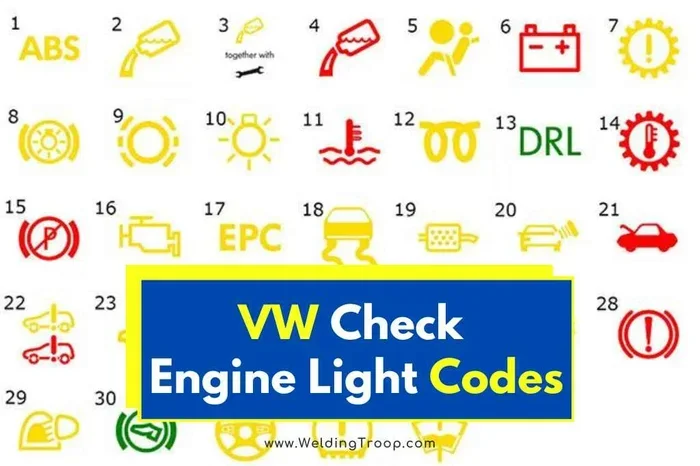
Volkswagen dashboards use a color-coded system to communicate the severity of warnings. Red lights mean stop immediately and address the issue. Yellow or orange lights indicate a service need that should be checked soon. Green or blue lights simply show that a system is active, like the high beams or cruise control. The check engine light always appears in yellow or orange. It tells you the car’s OBD-II system has stored a trouble code.
Warning Light Colors and Severity
When you see a yellow engine light, do not panic, but do not ignore it either. The check engine light is a signal that the car’s computer has detected something outside normal parameters. A steady light usually means a less urgent issue, such as a loose gas cap or a sensor reading that is slightly off. A flashing light means a more serious problem, like engine misfires that could damage the catalytic converter. If your Volkswagen dashboard lights flash after an oil change, pull over safely and check the oil level and cap before continuing to drive.
Oil Change vs. Check Engine Light
The oil change reminder and the check engine light are separate systems, but they often interact. The oil change reminder is part of the vehicle’s maintenance computer. The check engine light is part of the emission and engine management system. When an oil change is due, the maintenance computer can send a message to the instrument cluster. In some VW models, this message also triggers the engine warning light to ensure you notice it. After the oil is changed and the system is reset, both lights should turn off. If the check engine light remains on, you need to scan for codes.
OBD-II Diagnostic Trouble Codes
Every modern Volkswagen has an OBD-II port that stores diagnostic trouble codes. When the check engine light is on, a code is saved in the computer. Common codes after an oil change include P0011 (camshaft position timing), P0521 (oil pressure sensor range), or P0420 (catalyst system efficiency). A mechanic can plug an OBD-II scanner into the port under the dash to read these codes. The codes tell you exactly what the car is complaining about. Sometimes the code points directly to the oil change, like a low oil level sensor trigger. Other times it reveals an unrelated issue that just happened to appear at the same time.
| Volkswagen Model | Reminder Type | Check Engine Light Behavior |
|---|---|---|
| Volkswagen Golf | Oil life monitoring system | May illuminate with wrench icon when oil change is due |
| Volkswagen Jetta | Fixed mileage interval | Steady light after overdue service; flashes if oil pressure drops |
| Volkswagen Passat | Combination of mileage and driving style | Light turns on with service message; clears after reset |
| Volkswagen Tiguan | Oil life monitoring with adaptive algorithm | Light may stay on briefly after oil change if reset is incomplete |
Step-by-Step: What to Do When the Light Comes On After an Oil Change
Seeing the check engine light right after an oil change can be unsettling. Follow these steps to diagnose the issue safely. First, check the oil level. Pull the dipstick and make sure the oil is at the full mark. Low oil can trigger the engine warning light and damage the engine. Next, inspect the oil fill cap. Twist it clockwise until you hear a click. A loose cap is the most common cause of a check engine light after service. Then, check the oil drain plug and filter to ensure they are tight and not leaking. If everything looks correct, take the car for a short drive. The light may turn off on its own after a few drive cycles as the computer rechecks the system.
Resetting the Light Correctly
Resetting the check engine light on a Volkswagen requires more than just disconnecting the battery. While disconnecting the battery may clear the light temporarily, it does not erase the stored trouble codes and can reset other learned adaptations like the idle speed and transmission shift points. The proper way to reset the oil change reminder is through the instrument cluster menu. For most VW models, you hold the trip reset button while turning the ignition to the ON position, then navigate to the service reset option. If you are unsure, a VW dealership or independent shop can reset it with a diagnostic tool. They can also clear any codes and confirm that the oil service interval has been properly updated.
When to Visit a Mechanic
If the check engine light stays on after you have checked the oil level, tightened the cap, and completed a few drive cycles, it is time to see a professional. A steady light usually means a non-emergency issue, but it should not be ignored. A mechanic can hook up an OBD-II scanner and read the exact code. Common post-oil-change codes include a loose fuel cap, a faulty oil pressure sensor, or a need to reset the maintenance reminder system. If the light flashes, get the car checked immediately. A flashing light often indicates engine misfires that can cause catalytic converter damage if left unaddressed.
Quick Tips:
- Keep a VW-recommended oil on hand for top-ups between changes.
- Always tighten the oil fill cap until it clicks.
- Use a genuine Volkswagen oil filter to ensure proper sealing.
- Record the date and mileage of every oil change in a log.
- Reset the maintenance reminder immediately after each service.
- Do not ignore a check engine light that persists for more than three days.
Common Mistakes That Trigger False Alarms
Many VW owners experience false alarms after an oil change. These mistakes are easy to avoid with a little care. One of the most common errors is not resetting the maintenance reminder system. When the system is not reset, the check engine light may stay on even after a perfect oil change. Another mistake is using the wrong grade of oil. Volkswagen engines are tuned for specific viscosities like 5W-30 or 0W-20. Using the wrong oil can affect oil pressure and trigger the engine warning light. Overfilling the oil can also cause problems. Excess oil can foam and reduce lubrication, leading to sensor triggers. Finally, some owners skip the oil filter change. A clogged filter can restrict oil flow and cause low pressure readings that activate the check engine light.
Ignoring the Gas Cap
The fuel cap plays a bigger role than most people realize. It seals the fuel system and prevents vapors from escaping. If the cap is not tightened properly after an oil change, the emission control system detects a leak. The car’s computer then stores a code and turns on the check engine light. This is one of the simplest fixes and one of the most commonly overlooked. Always double-check the cap after any service under the hood.
Using Aftermarket Parts Incorrectly
Aftermarket oil filters and sensors can sometimes cause issues if they are not compatible with the VW’s system. A poor-quality oil filter may not seal correctly, leading to oil leaks or pressure drops. Cheap aftermarket oil pressure sensors can give inaccurate readings, triggering the check engine light. Stick with genuine Volkswagen parts or high-quality OEM-equivalent components to avoid these problems. The small extra cost is worth the peace of mind.
Keeping Your Volkswagen Engine Healthy
Prevention is the best medicine for your VW’s engine. Sticking to a regular oil change schedule is the single most important thing you can do. Volkswagen recommends oil changes every 10,000 miles or 12 months for most models, but severe driving conditions may require more frequent service. Severe conditions include short trips under five miles, extreme heat or cold, towing, and stop-and-go traffic. If you drive in any of these conditions, consider shortening your oil service interval to 7,500 miles or even 5,000 miles. Using the correct VW-recommended oil and a quality oil filter ensures your engine stays clean and well-lubricated.
Regular Oil Change Schedule
Create a maintenance log and track every oil change. Note the date, mileage, oil type, and filter used. This log helps you stay on top of your oil change schedule and provides a record if any warranty issues arise. Many Volkswagen owners set a reminder on their phone for every 10,000 miles. When the reminder goes off, schedule the service promptly. A timely oil change keeps the engine oil condition optimal and reduces the chances of the check engine light coming on for unrelated reasons.
Using the Right Oil
Volkswagen specifies specific oil specifications like VW 502.00 and 505.00 for diesel engines, and VW 504.00 and 507.00 for gasoline engines. These oils are formulated to work with the engine’s variable valve timing systems and turbochargers. Using a generic oil that does not meet these specifications can lead to sludge buildup, increased wear, and eventually the check engine light. Always check your owner’s manual or ask your service advisor for the correct oil specification for your VW model and engine type.
Keeping a Maintenance Log
A simple notebook or a digital spreadsheet can save you hundreds of dollars over the life of the car. Record every oil change, tire rotation, brake inspection, and check engine light incident. When you bring the car in for service, share the log with the technician. It gives them a clear picture of the vehicle’s history and helps them diagnose issues faster. A well-documented maintenance history also increases the resale value of your Volkswagen. Buyers feel more confident purchasing a car with a full, transparent service record.
Key Takeaways
- The check engine light on a Volkswagen can illuminate as part of the oil change reminder system, but it often indicates a broader maintenance need.
- Different VW models use either a simple mileage counter or a sophisticated oil life monitoring system to track service intervals.
- A flashing check engine light after an oil change may signal a loose gas cap, faulty sensor, or other issue that needs immediate attention.
- Resetting the light correctly requires a diagnostic tool or a specific key cycle; improper resets can mask real problems.
- Regular oil changes using the correct VW-recommended oil help prevent false alarms and protect the engine.
- Ignoring the check engine light can lead to reduced fuel efficiency, increased emissions, and costly repairs down the road.
Conclusion
The check engine light on your Volkswagen is there to protect your engine and keep you safe. When it comes on after an oil change, it is often a simple reminder or a minor sensor issue. Does the Check Engine Light Come On for Oil Change? Yes, it can, but it also comes on for many other reasons. The key is to respond calmly, check the basics like the oil level and fuel cap, and reset the maintenance system after service. If the light persists, a quick diagnostic scan can reveal the exact cause. Staying on top of your oil change schedule and using the right fluids keeps your VW running smoothly for years. Pay attention to the lights on your dashboard, and your Volkswagen will reward you with reliable performance and peace of mind.
Frequently Asked Questions
Can a low oil level trigger the check engine light on a Volkswagen?
Yes, a low oil level can cause the check engine light to illuminate. Volkswagen vehicles have an oil pressure sensor that detects low oil. When the level drops below the safe range, the sensor sends a signal to the engine control unit, which then turns on the engine warning light. Always check your oil level if the light comes on, especially right after an oil change.
How do I reset the check engine light after an oil change?
You can reset the check engine light through the instrument cluster menu on most Volkswagen models. Turn the ignition to the ON position without starting the engine, then press and hold the trip reset button. Navigate to the service reset option and confirm. If you are not comfortable doing this, a VW dealership or mechanic can reset it with a diagnostic tool in just a few minutes.
Is it safe to drive with the check engine light on after an oil change?
If the light is steady and the car is running normally, it is usually safe to drive to a service center. However, if the light is flashing, you should pull over and turn off the engine. A flashing light often indicates a serious issue like an engine misfire that can cause damage. Check your oil level and fuel cap first, then seek professional help if the light does not go off.
What does the oil change reminder light look like on a Volkswagen?
The oil change reminder is typically a yellow wrench icon on the dashboard. It is different from the check engine light, which looks like an engine silhouette. The wrench light simply means maintenance is due. The engine light means a fault has been detected. Sometimes both lights appear together after an oil change, especially if the reminder was not reset.
Will disconnecting the battery reset the check engine light permanently?
Disconnecting the battery may turn off the check engine light temporarily, but it does not fix the underlying problem. The trouble code remains stored in the computer, and the light will return once the issue is detected again. Additionally, disconnecting the battery can reset other learned adaptations, which may cause rough idling or shifting issues until the computer relearns them. Use a proper reset procedure or an OBD-II scanner instead.
How often should I change the oil in my Volkswagen to avoid check engine light issues?
Volkswagen generally recommends an oil change every 10,000 miles or 12 months for normal driving conditions. If you drive in severe conditions like extreme temperatures, short trips, or heavy traffic, you should shorten the interval to 7,500 miles or 6 months. Staying on top of your oil service interval keeps the engine healthy and reduces the chances of the check engine light coming on due to oil-related problems.