Harley-Davidson Street 750 Common Problems You Must Know
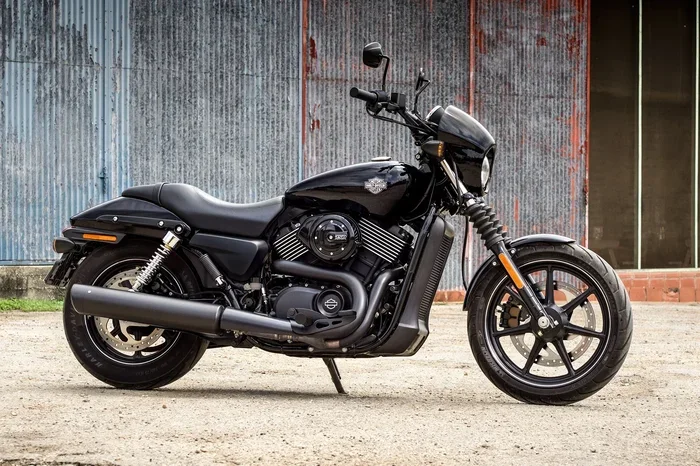
The Harley-Davidson Street 750 is a popular cruiser, but it has known issues that every owner should understand. From engine vibration and idle problems to electrical gremlins and clutch wear, these common faults can affect performance and safety. This guide walks you through each problem, its symptoms, and proven fixes to keep your bike running strong.
The Harley-Davidson Street 750 has been a favorite among riders since its launch. It offers a bold look, a punchy V-twin engine, and a price that fits many budgets. But like any motorcycle, it comes with its share of challenges.
Many riders report issues that range from minor annoyances to serious mechanical faults. Understanding these problems early can save you time, money, and frustration. Whether you already own a Street 750 or are thinking about buying one, this guide covers everything you need to know.
We will break down the most common Harley-Davidson Street 750 common problems in plain language. You will learn what causes them, how to spot the warning signs, and what steps to take next. No jargon, no fluff — just real, practical advice you can use right away.
Key Takeaways
- Engine vibration and idle instability are the most reported issues among Street 750 riders and often stem from simple fixes.
- Electrical problems like stator failure and loose connectors can cause flickering lights and starting troubles.
- Clutch slipping and harsh shifting are common as the bike ages, especially with heavy city riding.
- Brake wear and ABS module faults affect safety and should never be ignored.
- Regular maintenance is the best way to prevent most Street 750 problems before they become expensive.
- Knowing the symptoms early saves time and money on repairs.
📑 Table of Contents
What Are the Most Common Harley-Davidson Street 750 Problems?
Every motorcycle has its quirks. The Street 750 is no exception. Over the years, riders and mechanics have identified a set of recurring issues that affect this model. These problems tend to show up more as the bike ages or when maintenance slips through the cracks.
The most frequent complaints fall into a few main categories. Engine performance issues top the list, followed by electrical gremlins. Clutch and transmission troubles are also common. And let us not forget about brakes and safety systems. Each of these areas has its own set of symptoms and solutions.
Here is a quick look at the main problem areas we will cover:
- Engine vibration and idle instability
- Stator and electrical failures
- Clutch slipping and harsh gear shifts
- Brake pad wear and ABS issues
- Oil leaks and exhaust problems
- Throttle body and fuel system glitches
Knowing these categories helps you understand what to watch for. It also makes it easier to talk to your mechanic. When you can describe your symptoms clearly, you get faster and more accurate repairs.
Why Do These Problems Happen?
Several factors contribute to the Street 750 issues. First, the bike is designed as an urban cruiser. It handles stop-and-go city traffic well, but that style of riding puts extra stress on certain parts. The clutch, brakes, and engine all work harder in heavy traffic.
Second, maintenance habits play a big role. Riders who skip oil changes or ignore small sounds end up with bigger problems later. Third, some issues are simply design-related. Harley-Davidson has made improvements over the years, but early models had known weak points.
The good news is that most of these problems have well-documented fixes. You do not need to be a master mechanic to handle many of them. With the right knowledge and a little effort, you can keep your Street 750 running smoothly for years.
Engine and Performance Issues
The engine is the heart of any motorcycle. When something goes wrong, you feel it immediately. The Harley-Davidson Street 750 uses a 749cc V-twin engine that produces a decent amount of torque for city riding. But it has some known performance issues that riders should be aware of.
Excessive Engine Vibration
Vibration is probably the most talked-about Street 750 issue. The engine shakes noticeably at idle and low speeds. Many riders describe it as a buzzing feeling through the handlebars and foot pegs. This vibration can cause numbness in your hands on longer rides.
The main cause is the engine design and lack of effective vibration dampening. The 90-degree V-twin layout naturally produces more vibration than a parallel twin or inline-four engine. Harley-Davidson added counterweights to reduce this, but it is still noticeable.
Here are some ways to manage vibration:
- Install aftermarket handlebar grips with vibration damping.
- Add a steering damper to absorb some of the shaking.
- Check engine mounts for wear or looseness.
- Keep the bike well-maintained with regular oil changes.
Some riders also report that the vibration gets worse over time. This often points to worn engine mounts or loose bolts. A quick inspection can reveal if this is the cause. Tightening or replacing mounts can make a big difference.
Rough Idle and Stalling
Another common engine problem is a rough or unstable idle. The bike may sputter or stall when stopped at traffic lights. This issue is frustrating and can be embarrassing, especially in heavy traffic.
The most frequent cause is a dirty or failing throttle body. Over time, carbon buildup restricts airflow and disrupts the fuel-air mixture. The idle air control valve may also get stuck or dirty.
Here is what you can do:
- Clean the throttle body regularly with a safe throttle cleaner.
- Check the idle air control valve for blockage.
- Inspect the air filter and replace it if dirty.
- Look for vacuum leaks in the intake system.
In some cases, a rough idle points to a failing stator or weak battery. The electrical system plays a big role in idle stability. If cleaning the throttle body does not solve the problem, it is worth having your charging system tested.
Overheating Concerns
The Street 750 uses a liquid cooling system, but it can still overheat in certain conditions. Riders in hot climates or those stuck in traffic for long periods may notice the temperature gauge climbing.
Common causes include a low coolant level, a faulty thermostat, or a clogged radiator. The cooling fan may also fail to kick on when needed. These issues are more common in older bikes or those with high mileage.
To prevent overheating:
- Check coolant levels before every ride.
- Inspect the radiator for debris or damage.
- Test the cooling fan operation regularly.
- Replace the thermostat at recommended intervals.
Overheating can lead to serious engine damage if ignored. If you notice the temperature gauge rising, pull over safely and let the bike cool down. Continuing to ride in an overheated state is a recipe for costly repairs.
Electrical and Wiring Troubles
Electrical issues are a major source of frustration for Street 750 owners. The bike relies on a complex network of wires, connectors, and electronic components. When something goes wrong in this system, symptoms can be puzzling and hard to diagnose.
Stator Failure
The stator is a key part of the charging system. It generates electricity to power the bike’s electrical systems and charge the battery. Stator failure is one of the most common Harley-Davidson Street 750 common problems reported by riders.
Symptoms of a failing stator include dimming headlights, a weak or dead battery, and electrical accessories malfunctioning. In some cases, the bike may not start at all.
Stator failure can happen due to overheating, age, or electrical overload. The stator sits close to the engine and is exposed to heat for long periods. Over time, the internal wiring can break down and short out.
If you suspect a bad stator, here is what to do:
- Test the battery voltage with a multimeter.
- Check the charging output at the stator connector.
- Inspect the wiring harness for damage or corrosion.
- Replace the stator if tests confirm failure.
Replacing a stator is not a cheap repair, but it is necessary for the bike to function properly. The good news is that it is a well-documented fix, and many mechanics are familiar with the process.
Loose or Corroded Connectors
Sometimes the problem is simpler than you think. Vibrations from riding can loosen electrical connectors over time. Corrosion can also build up on connectors exposed to moisture and road grime.
Common symptoms of loose connectors include intermittent electrical failures, flickering lights, and error codes on the dashboard. These issues can come and go, making them hard to track.
Regular inspections of the wiring and connectors can prevent these problems. Look for any connectors that feel loose or look corroded. Cleaning them with electrical contact cleaner and tightening them back in place often solves the issue.
Battery Drain Issues
A dead battery is one of the most common electrical complaints. The Street 750 uses a standard 12-volt battery, and several factors can cause it to drain faster than normal.
Common causes include a faulty voltage regulator, a parasitic draw from accessories, or simply an old battery that needs replacement. Riders who store the bike for long periods without a tender also face battery drain issues.
To avoid battery problems:
- Use a battery tender when the bike is stored.
- Replace the battery every three to four years.
- Check the voltage regulator for proper output.
- Turn off all accessories when the bike is off.
Clutch and Transmission Concerns
The clutch and transmission are critical for smooth riding. The Street 750 uses a wet clutch system that is immersed in engine oil. This design helps with cooling and longevity, but it also has its own set of issues.
Clutch Slipping
Clutch slipping is one of the most common complaints among Street 750 riders. You may notice the engine revving higher without a corresponding increase in speed. This happens when the clutch plates cannot grip properly.
Clutch slipping often results from wear and tear on the clutch plates. Heavy city riding, frequent clutch use, and towing loads all accelerate clutch wear. The wet clutch design means it is constantly bathed in oil, which can affect performance over time.
Signs of a slipping clutch include:
- Higher RPMs without speed gains
- A burning smell from the clutch area
- Difficulty maintaining speed on hills
- Sluggish acceleration
If you notice these symptoms, have the clutch inspected soon. Replacing clutch plates is a standard repair, but it does require some downtime and a fair amount of labor.
Harsh Gear Shifts
Some riders report that the Street 750 has harsh or clunky gear shifts, especially when downshifting. This can make riding uncomfortable and may indicate a problem with the clutch cable or shift mechanism.
A stretched or improperly adjusted clutch cable is often the culprit. When the cable tension is off, the clutch does not fully disengage, leading to grinding gears and harsh shifts. The shift drum and forks inside the transmission may also wear over time.
To keep shifts smooth:
- Check and adjust the clutch cable regularly.
- Use the clutch fully when shifting.
- Shift gently and avoid forcing gears.
- Change the transmission oil at recommended intervals.
Transmission Oil Leaks
Oil leaks from the transmission area are another common issue. The leak usually comes from the left side cover or the shift shaft seal. Over time, these seals can harden and crack, allowing oil to escape.
Low transmission oil can lead to poor shifting and increased wear on internal gears. It is important to check the oil level regularly and address any leaks promptly.
Brake and Safety System Problems
Safety should always come first on a motorcycle. The Street 750 uses a front disc brake and a rear disc brake with an optional ABS system. While the brakes generally perform well, there are some known issues riders should know about.
Brake Pad Wear and Noise
Brake pads wear down over time, and the Street 750 is no exception. Riders who ride in stop-and-go traffic or who tend to brake hard may find that pads wear out faster than expected.
Common signs of worn brake pads include:
- Squealing or grinding noises when braking
- Reduced braking power
- A longer stopping distance
- The brake pad wear indicator touching the rotor
Replacing brake pads is a straightforward repair. Most riders can do it at home with basic tools. Always replace pads in pairs and check the rotors for warping or excessive wear at the same time.
ABS Module Faults
The ABS system on the Street 750 can develop faults over time. The most common issue is a faulty ABS sensor or a problem with the ABS module itself. When the ABS fails, the warning light on the dashboard will come on.
ABS faults can be caused by dirty sensors, damaged wiring, or a failing pump motor. In some cases, moisture enters the ABS module and causes corrosion on the connectors.
If your ABS light comes on:
- Check the ABS sensors for dirt or damage.
- Inspect the wiring for fraying or corrosion.
- Have the ABS module tested by a professional.
- Do not ignore the warning light — it affects safety.
Riding without a functioning ABS system is risky, especially in wet conditions. Get the issue resolved as soon as possible.
Brake Fluid Maintenance
Brake fluid absorbs moisture over time, which reduces its effectiveness. The Street 750 uses DOT 4 brake fluid, and it should be replaced every two years or as recommended in the owner’s manual.
Neglecting brake fluid changes can lead to spongy brakes, reduced stopping power, and even brake failure in extreme cases. This is one of the simplest and most important maintenance tasks you can do for your bike.
How to Prevent and Fix These Issues
Prevention is always better than cure. Many of the Harley-Davidson Street 750 common problems we have discussed can be avoided or minimized with proper maintenance and early attention to warning signs.
Stick to a Regular Maintenance Schedule
The owner’s manual provides a clear maintenance schedule. Follow it closely. Regular oil changes, spark plug replacements, air filter cleaning, and brake inspections go a long way in preventing problems.
Here is a simple maintenance checklist to follow:
- Change the engine oil every 3,000 to 5,000 miles
- Replace the air filter every 10,000 miles
- Check and adjust the clutch cable every 5,000 miles
- Inspect brake pads every 3,000 miles
- Change brake fluid every two years
- Check the battery and charging system annually
Address Small Problems Early
One of the biggest mistakes riders make is ignoring small issues. A slight vibration, a faint electrical flicker, or a gentle brake squeal may seem harmless. But these small symptoms often point to larger problems developing underneath.
When you notice something unusual, do not wait. Investigate it or take the bike to a trusted mechanic. Early diagnosis and repair save you from expensive fixes down the road.
Use Quality Parts and Fluids
Cheap parts and low-quality fluids may save money upfront, but they often lead to more problems later. Use OEM or high-quality aftermarket parts whenever possible. Stick with manufacturer-recommended fluids for the engine, transmission, brakes, and coolant.
Find a Knowledgeable Mechanic
Not every mechanic is familiar with Harley-Davidson motorcycles. Look for a shop or technician who has specific experience with Harley models. They will understand the quirks and known issues of the Street 750 and can diagnose problems faster and more accurately.
Keep Records of Your Maintenance
Keeping a log of all maintenance and repairs helps you track the health of your bike over time. It also makes it easier to spot patterns. If the same issue keeps coming back, your records can help you and your mechanic identify the root cause.
Real-World Rider Experiences
To give you a better picture of what owners go through, let us look at some real-world experiences shared by Street 750 riders across forums and review sites.
Many riders praise the bike for its style, comfort, and value. They love the classic Harley look in a smaller, more manageable package. However, a significant number also share stories about the vibration, idle issues, and electrical problems we have covered.
One common theme among experienced riders is that the Street 750 rewards those who stay on top of maintenance. Riders who follow a regular service schedule tend to have far fewer problems and enjoy the bike for many years. Those who neglect maintenance often face more serious and costly repairs.
The consensus among the Harley-Davidson community is that the Street 750 is a great bike with room for improvement. The issues discussed in this guide are well-known and largely manageable. With the right knowledge and care, you can minimize these problems and enjoy a great riding experience.
Final Thoughts
The Harley-Davidson Street 750 is a solid cruiser that offers a lot of riding enjoyment. But it does come with its share of Harley-Davidson Street 750 common problems that every owner should be aware of. From engine vibration and idle issues to electrical faults, clutch wear, and brake concerns, these problems are well-documented and mostly fixable.
The key is to stay informed and proactive. Know what can go wrong, watch for the warning signs, and keep up with regular maintenance. When you do face a problem, address it early before it grows into something bigger and more expensive.
Your Street 750 can be a reliable and enjoyable companion for many miles to come. The effort you put into understanding and maintaining your bike pays off in performance, safety, and riding satisfaction. Stay curious, stay informed, and keep riding.
Frequently Asked Questions
What are the most common Harley-Davidson Street 750 common problems?
The most reported issues include engine vibration, rough idle, stator failure, clutch slipping, and brake pad wear. Electrical problems like loose connectors and ABS module faults are also common. These issues tend to appear more as the bike ages or with heavy city riding.
How do I fix a rough idle on my Street 750?
Start by cleaning the throttle body with a safe throttle cleaner. Check the idle air control valve for blockage and inspect the air filter. If these steps do not work, have the charging system tested, as a failing stator can also cause idle instability.
Is the Street 750 vibration problem fixable?
While the vibration is partly due to the engine design, you can reduce it significantly. Install vibration-dampening handlebar grips, add a steering damper, and check engine mounts for wear. Regular maintenance also helps keep vibration under control.
How often should I replace the clutch on my Street 750?
Clutch life depends on riding style and conditions. Riders in heavy city traffic may need a clutch replacement every 20,000 to 40,000 miles. Signs of a worn clutch include slipping, difficulty shifting, and a burning smell near the clutch area.
Why does my Street 750 battery keep dying?
A dying battery is often caused by a faulty voltage regulator, a parasitic draw from accessories, or an old battery that needs replacement. Using a battery tender during storage and testing the charging system regularly can help prevent this issue.
Should I buy a used Harley-Davidson Street 750 knowing these problems?
Yes, but with caution. Many Street 750s are still great bikes, especially those with a well-documented maintenance history. Have a pre-purchase inspection done by a Harley-specialized mechanic to identify any existing issues before you buy.
=== CONCLUSION ===
The Harley-Davidson Street 750 remains a popular choice for riders who want classic style in a manageable package. Understanding the common problems outlined in this guide puts you ahead of the curve. You will be better equipped to spot issues early, perform basic maintenance, and communicate effectively with your mechanic.
Remember that every motorcycle has its quirks, and the Street 750 is no different. The problems discussed here are not deal-breakers. With proper care and attention, you can enjoy a smooth, safe, and satisfying riding experience for many years to come.
Stay proactive, keep learning, and enjoy every ride on your Street 750.