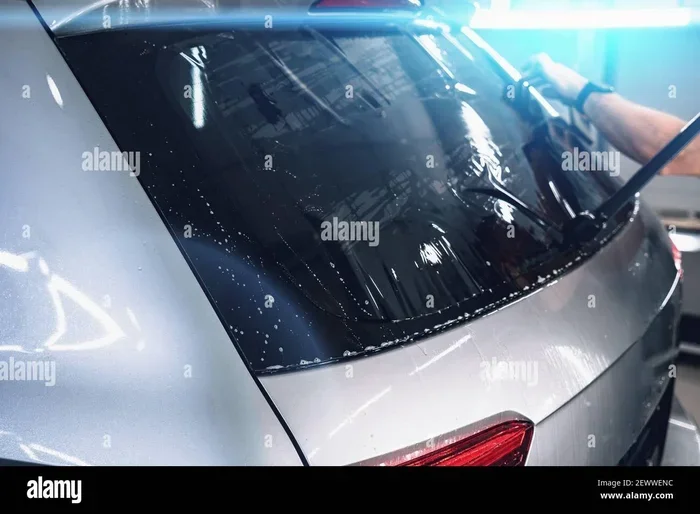
Electric Window Tinting Explained and Why It Matters
Electric window tinting lets you control your car’s tint with the push of a button. It uses smart glass technology to adjust darkness on demand, giving you privacy, comfort, and UV protection whenever you need it. This guide breaks down how it works, why it matters, and what you should know before upgrading.
Have you ever wished you could change your window tint while you drive? Maybe you want full sun protection on a hot afternoon and then clear views when the sun goes down. Electric window tinting makes that possible. It is one of the coolest upgrades you can add to your car, truck, or SUV today.
This technology is not just fancy gadgetry. It solves real problems. Too much glare. Too much heat. Lack of privacy. Electric window tinting tackles all of these issues with a simple switch or app on your phone. In this guide, we will walk you through everything you need to know. We will cover how it works, what the benefits are, and why more drivers are making the switch every day.
Key Takeaways
- On-Demand Tint Control: Electric window tint lets you change your shade instantly while driving.
- UV and Heat Protection: It blocks harmful rays and reduces cabin heat, just like traditional clear window tint options.
- Privacy on Demand: You get the flexibility to tint windows for privacy without permanent changes.
- Modern Smart Glass Technology: Electrochromic and PDLC systems power the most popular electric tint setups.
- Easy Installation Options: Many kits are DIY-friendly, but professional installation ensures the best results.
- Cost vs. Traditional Tint: Electric systems cost more upfront but offer unmatched convenience and value over time.
📑 Table of Contents
- What Is Electric Window Tinting?
- Why Electric Window Tinting Matters
- Types of Electric Window Tint Systems
- Benefits of Electric Window Tinting
- Electric Window Tinting vs. Traditional Window Tint
- How to Install Electric Window Tint
- Things to Consider Before Buying Electric Window Tint
- Common Mistakes to Avoid with Electric Window Tinting
- Expert Insights on Electric Window Tinting
- Final Thoughts on Electric Window Tinting
What Is Electric Window Tinting?
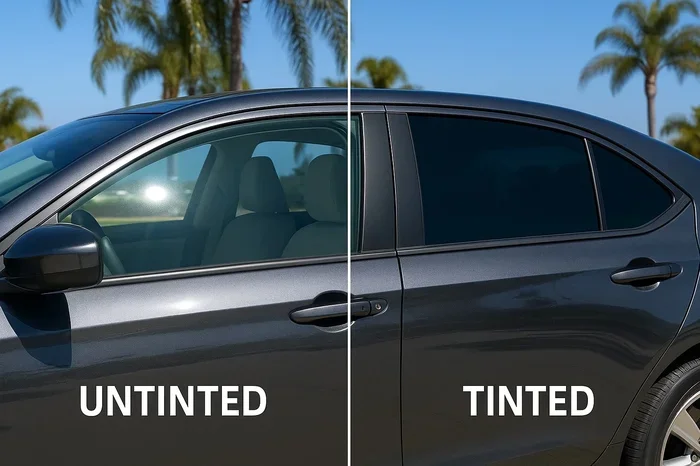
Electric window tinting is a smart glass system that lets you change the tint level of your windows electronically. Unlike traditional window film that gets applied once and stays put, electric tint can shift from clear to dark and everywhere in between. Think of it as a dimmer switch for your car windows.
The technology behind this is fascinating. It uses special materials that respond to electrical signals. When power is applied, the particles inside the glass or film rearrange themselves. This changes how much light passes through. The whole process takes just seconds.
How Does It Actually Work?
Most electric window tint systems fall into two categories. The first is electrochromic tint. This type uses a thin layer of material that darkens when a small electrical current passes through it. You can think of it like transition lenses for your car. The second type is PDLC (Polymer Dispersed Liquid Crystal) technology. This one uses liquid crystals suspended in a polymer film. When electricity is applied, the crystals align and the window becomes transparent.
Both systems need a power source. Most connect to your car’s electrical system. Some run on rechargeable batteries, which makes them easy to install without wiring into the vehicle. The control method varies too. Some use a simple toggle switch. Others connect to a smartphone app. You can even find systems that respond to remote control or voice commands.
Why Electric Window Tinting Matters
You might wonder why anyone would pay for electric tint when regular window film works fine. The answer comes down to flexibility and control. Traditional tint is permanent. Once you put it on, you are stuck with that level of darkness 24 hours a day. Electric window tinting gives you the power to adjust on the fly.
Here is a common scenario. You are driving on a bright highway. The sun is blazing and the glare is making it hard to see. With electric tint, you darken your windows in seconds. Then you pull into a parking lot and need to see your surroundings clearly. You switch it back to clear. That kind of instant adjustment makes a huge difference in comfort and safety.
UV Protection You Can Count On
One of the biggest reasons people tint their windows is to block UV rays. Harmful ultraviolet radiation can damage your skin and fade your interior. Electric window tinting blocks a significant portion of UV rays, even when the tint is in clear mode. This is a huge advantage over some traditional films that only block UV when fully darkened. For more on this topic, check out our guide on whether clear window tint protects against UV rays.
Heat Rejection and Comfort
Summer heat can make your car unbearable. Electric window tinting helps reject solar heat, keeping your cabin cooler. When you tint your windows electronically, you control exactly how much heat gets blocked. On a scorching day, you can darken all your windows and feel the difference almost immediately. This is especially useful for drivers who park outdoors for long periods.
Privacy When You Need It
Privacy is another major benefit. Whether you are changing clothes in the back seat or simply do not want strangers looking in, electric tint gives you instant privacy. You do not need to roll down windows or add removable covers. Just flip the switch and your windows go dark. This is especially popular among SUV and minivan owners who value passenger privacy.
Types of Electric Window Tint Systems
Not all electric tint systems are the same. There are a few different types on the market, and each has its own strengths. Let us break them down so you can find the right fit for your vehicle.
Electrochromic Window Tint
Electrochromic tint is the most premium option. It uses a thin electrochromic layer that changes color when voltage is applied. This type of system is often found in high-end vehicles and luxury builds. The tint shifts gradually, giving it a smooth, elegant look. Electrochromic systems are very durable and can last for many years with proper care.
The main downside is cost. Electrochromic tint systems tend to be more expensive than other options. They also require a bit more power to operate. However, the results are worth it for many drivers who want a seamless, built-in look.
PDLC (Polymer Dispersed Liquid Crystal) Film
PDLC film is the most popular type of electric tint for aftermarket installations. It comes as a flexible film that you can apply to your existing windows. When electricity flows through the film, the liquid crystals align and the window turns clear. When power is off, the crystals scatter light and the window appears frosted or tinted.
PDLC film is relatively easy to install. Many car enthusiasts do it themselves at home. The film is also available in different levels of opacity, so you can choose how dark you want your windows to go. It is a great middle ground between traditional tint and full smart glass.
Suspended Particle Device (SPD) Tint
SPD tint uses tiny particles suspended in a liquid layer. When electricity is applied, the particles align and allow light to pass through. When power is off, the particles scatter and block light. SPD systems are known for their fast response time. They go from dark to clear in just a few seconds. However, they are less common in the consumer market and tend to be pricier.
Benefits of Electric Window Tinting
Electric window tinting offers a long list of benefits that go beyond just looks. Let us look at the top reasons drivers are choosing this upgrade.
- Instant Adjustability: Change your tint level in seconds with the push of a button or a tap on your phone.
- Improved Safety: Reduce glare while driving, especially during sunrise and sunset. Better visibility means fewer accidents.
- Interior Protection: Block UV rays and reduce heat to protect your dashboard, seats, and steering wheel from fading and cracking.
- Energy Efficiency: A cooler cabin means less strain on your air conditioning system. This can improve fuel efficiency over time.
- Sleek Appearance: Electric tint gives your vehicle a modern, high-tech look that stands out from the crowd.
- No Permanent Changes: Unlike traditional film, electric tint systems are reversible. You can remove them or switch them out if you want a different look.
Electric Window Tinting vs. Traditional Window Tint
Choosing between electric window tinting and traditional window film is an important decision. Both options have pros and cons. Let us compare them side by side so you can make an informed choice.
| Feature | Electric Window Tint | Traditional Window Film |
|---|---|---|
| Adjustability | Fully adjustable on demand | Fixed darkness level |
| Installation | Moderate to complex | Simple DIY or professional |
| Cost | Higher upfront cost | Budget-friendly |
| UV Protection | Excellent in all modes | Good, depends on film type |
| Privacy | Instant on/off control | Permanent level of privacy |
| Durability | Long-lasting, 5-10+ years | 3-7 years depending on quality |
| Aesthetics | Modern, sleek, high-tech | Classic, clean look |
As you can see, electric window tinting wins on flexibility and control. Traditional film wins on cost and simplicity. If you want the best of both worlds, some drivers apply traditional 35 percent window tint on their side windows and use electric tint on the front windshield or rear windows. This gives you a balanced setup with both fixed and adjustable tinting.
If you are curious about how different tint percentages affect your driving experience, our article on 43 percent window tint explained breaks down what you can expect from a lighter tint option.
How to Install Electric Window Tint
Installing electric window tinting is more involved than applying traditional film. But it is far from impossible. Many car owners successfully install electric tint kits themselves. Here is a general overview of the process.
Step-by-Step Installation Process
- Clean Your Windows Thoroughly: Any dust or debris will show under the film. Use a glass cleaner and a microfiber cloth to get every surface spotless.
- Measure and Cut the Film: Measure each window carefully. Cut the PDLC film or electrochromic panel to fit. Leave a small margin for adjustments.
- Apply the Film or Panel: Peel off the backing and apply the film to the inside of the window. Use a squeegee to push out any bubbles. Work slowly and carefully.
- Connect the Wiring: Route the electrical connections to your vehicle’s power source. Most systems use a standard cigarette lighter adapter or direct wiring. Follow the manufacturer’s instructions closely.
- Test the System: Turn the system on and off several times. Check for even tinting across the entire window. Make sure the control switch or app is responding properly.
- Trim Any Excess Material: Use a sharp blade to trim any edges that are sticking out. A clean finish makes everything look professional.
DIY vs. Professional Installation
Some people prefer to hire a professional for electric tint installation. This is especially true for electrochromic systems that integrate with the vehicle’s electrical system. A professional installer will have the right tools and experience to get a clean, bubble-free finish. On the other hand, PDLC film kits are very DIY-friendly. If you have experience applying regular window film, you should be able to handle an electric tint kit with patience and care.
If you are worried about the installation process, remember that window tint generally goes on the inside of the window. This applies to both traditional film and electric tint systems. Keeping the tint on the inside protects it from weather damage and extends its lifespan.
Things to Consider Before Buying Electric Window Tint
Before you jump into buying an electric window tint system, there are a few important factors to think about. These considerations will help you choose the right product and avoid common pitfalls.
Check Your Local Laws
Window tint laws vary by state. Some states have strict rules about how dark your windows can be. Electric window tinting adds a layer of complexity because the tint level can change while driving. Make sure your system complies with local regulations. For example, if you live in Connecticut, check out our Connecticut window tint law guide. If you are in Arkansas, we have an Arkansas window tint law guide that covers the legal limits.
Consider Your Power Source
Electric tint systems need power to operate. Some plug into your cigarette lighter. Others require direct wiring to your vehicle’s electrical system. Think about where you want to place the control switch or app interface. Make sure it is easy to reach while driving but not distracting.
Think About Your Climate
If you live in a hot, sunny climate, electric tint is a fantastic investment. The ability to block sun and heat on demand is a game-changer. If you live in a cooler climate, you might use electric tint more for privacy and glare reduction than heat rejection. Consider how you will actually use the system in your daily life.
Budget Planning
Electric window tinting is an investment. Expect to pay more than traditional window film. The price varies depending on the type of system, the number of windows, and whether you install it yourself or hire a pro. Set a realistic budget before you start shopping. Remember that the long-term benefits in comfort and protection can outweigh the upfront cost.
Common Mistakes to Avoid with Electric Window Tinting
Even the best electric tint systems can have problems if you are not careful. Here are some common mistakes to avoid.
- Skipping the Research: Not all electric tint kits are created equal. Cheap kits may have uneven tinting or slow response times. Read reviews and buy from reputable brands.
- Ignoring Wiring Safety: If you are wiring directly into your vehicle, make sure you use the correct gauge wire and fuse. Improper wiring can cause electrical issues or even fires.
- Applying Tint in Dusty Conditions: Dust and debris will ruin the look of your tint. Work in a clean, dust-free environment. A garage is ideal.
- Forgetting to Test Before Full Installation: Always test the system before you commit to the final installation. This helps you catch any defects or issues early.
- Overlooking Legal Limits: Tinting your windows too dark can lead to fines and failed inspections. Always check your local laws before installing any tint system.
Expert Insights on Electric Window Tinting
Electric window tinting is rapidly evolving. New materials and technologies are making these systems more affordable and efficient every year. Industry experts predict that smart glass will become a standard feature in vehicles within the next decade. Some automakers are already offering electrochromic roofs and tintable windows as factory options.
According to automotive technology analysts, the demand for adjustable window tint is growing fast. Drivers want vehicles that adapt to their needs. Electric tint delivers exactly that. It is not just a luxury anymore. It is becoming a practical upgrade that improves daily driving comfort.
One thing experts emphasize is the importance of quality installation. Even the best electric tint system will look bad if it is installed poorly. Take your time, follow the instructions, and do not rush the process. If you are not confident, hire a professional. The extra cost is worth a flawless finish.
Final Thoughts on Electric Window Tinting
Electric window tinting is more than a cool tech feature. It is a practical upgrade that enhances your driving experience in real ways. From UV protection to heat rejection to instant privacy, the benefits are hard to ignore. Whether you are upgrading a daily driver or building a custom project vehicle, electric tint adds value and comfort.
The technology has come a long way in recent years. What was once reserved for luxury vehicles is now available to everyday car owners at reasonable prices. With a few simple tools and some patience, you can transform your windows into smart, adjustable glass that responds to your needs on the fly.
If you are ready to take the next step, start by researching the different electric window tinting systems available. Compare features, read reviews, and set a budget. Then decide whether you want to tackle the installation yourself or hire a pro. Either way, you will enjoy the freedom of tint control at your fingertips.
Remember, your vehicle is an investment. Adding electric window tint protects the interior, improves comfort, and boosts the overall value of your car. It is one of those upgrades that you will appreciate every single time you get behind the wheel.
Frequently Asked Questions
How long does electric window tint last?
Most electric window tint systems last between 5 and 10 years with proper care. PDLC films tend to be on the shorter end of that range, while electrochromic systems can last even longer. Regular cleaning and avoiding harsh chemicals will help extend the lifespan significantly.
Can I install electric window tint myself?
Yes, many electric tint kits are designed for DIY installation. PDLC film kits are especially beginner-friendly. However, if you are not comfortable with electrical wiring or window film application, hiring a professional is a smart choice. A proper installation ensures the best results and avoids costly mistakes.
Is electric window tint legal in all states?
Electric window tint legality depends on your state’s laws. Most states regulate how dark windows can be, regardless of the type of tint. Always check your local regulations before installing any tint system. Our guides on Connecticut window tint laws and Arkansas window tint laws can help you stay compliant.
Does electric window tint block UV rays?
Yes, most electric window tint systems block a significant amount of UV rays. This is true even when the tint is in clear mode. The technology is designed to filter harmful radiation regardless of the tint level. This makes electric tint an excellent choice for long-term sun protection.
How much does electric window tint cost?
The cost varies widely depending on the system type and number of windows. PDLC film kits for a full set of windows typically range from $300 to $800. Electrochromic systems can cost $1,000 or more. Professional installation adds to the cost but ensures a polished finish. Overall, it is a worthwhile investment for the comfort and convenience it provides.
Can electric window tint be used in any vehicle?
Electric window tint can be installed in most cars, trucks, and SUVs. The key is to measure your windows accurately and choose a kit that fits. Some vehicles with curved or specialty windows may require custom-cut films. Always check the product specifications before purchasing to ensure compatibility with your vehicle.