Can You Use Windex on Leather Seats Without Damaging Them
Can you use Windex on leather seats? The answer is a firm no. This guide reveals why Windex strips natural oils and causes cracking, plus the safest cleaning alternatives. You’ll learn a simple step-by-step routine to keep your leather seats soft and protected for years.
Ever grabbed a can of Windex and sprayed it on your leather car seats to wipe away a quick spill? It feels like a smart move. You see a shiny surface, and you think the job is done. But that clean look might be hiding trouble. Many car owners wonder Can You Use Windex on Leather Seats without causing damage. The honest answer is that Windex and leather are a risky combination. Windex is designed for glass and hard surfaces, not for soft, porous leather. Using it on your leather seats can lead to dryness, cracking, and even discoloration over time. This guide explains exactly what happens when Windex meets leather. You’ll learn safer alternatives and how to keep your seats looking great for years. I’ll share practical tips, expert insights, and a step-by-step cleaning routine. By the end, you’ll know exactly how to care for your leather without fear.
Leather seats are a premium feature in many cars. They look luxurious and feel comfortable. But leather needs special care. Unlike fabric, leather has a natural finish that can be stripped by harsh chemicals. Windex contains ammonia and alcohol. These ingredients dry out the leather’s natural oils. When the oils are gone, the leather becomes stiff and brittle. That’s when cracks start to appear. So, is it ever okay to use Windex? The short answer is no. You should avoid it entirely for leather seats. There are much better products made specifically for automotive leather. I’ll show you what they are and how to use them.
Key Takeaways
- Windex can damage leather: It strips natural oils and causes cracking.
- Use pH-balanced leather cleaners: They protect the finish and keep leather soft.
- Always condition after cleaning: A good leather conditioner restores moisture.
- Avoid ammonia and alcohol: These ingredients in Windex harm leather over time.
- Test any cleaner on a hidden spot: Prevents discoloration and ensures safety.
- Regular maintenance prevents buildup: Wipe spills quickly and deep clean monthly.
📑 Table of Contents
- Can You Use Windex on Leather Seats? Here’s the Truth
- Why Windex Damages Leather Seats Over Time
- Safe and Effective Alternatives to Windex
- How to Properly Clean Leather Car Seats
- Common Mistakes to Avoid When Cleaning Leather
- Key Takeaways for Leather Seat Care
- Expert Tips for Long-Lasting Leather Seat Care
- Conclusion
Can You Use Windex on Leather Seats? Here’s the Truth
The short answer is no. Windex on leather seats is a bad idea. Windex is a glass cleaner. Its formula is built to cut through grease on windows. It contains ammonia, isopropanol, and strong surfactants. These ingredients are great for glass but terrible for leather. Ammonia is a powerful degreaser. It strips away the natural oils that keep leather supple. Isopropanol, a type of alcohol, acts as a solvent. It evaporates quickly and pulls moisture out of the leather. The result is a leather surface that loses its flexibility. Over time, this leads to premature aging. The leather may look clean at first, but underneath it’s becoming dehydrated. This is why Windex on leather seats is a bad idea. The damage is often invisible until it’s too late.
When you spray Windex on leather, the alcohol and ammonia start working immediately. They break down the top layer of the leather finish. This finish is what protects the leather from dirt and moisture. Once it’s compromised, the leather becomes vulnerable. Here’s what happens step by step:
- First spray: The leather looks clean and shiny. But the top coat is already dissolving.
- After a few uses: The leather starts to feel dry. You might notice a slight change in texture.
- After weeks or months: Cracks appear. The color may fade or become uneven.
- Long-term damage: The leather becomes brittle and can split. Repairing this is expensive and often impossible without professional re-dyeing.
This gradual deterioration is the biggest risk of using Windex. It doesn’t just clean; it destroys the leather’s natural barrier. You want your leather to age gracefully, not crack and peel. That’s why cleaning leather with Windex should never be part of your car detailing routine.
Why Windex Damages Leather Seats Over Time
The Ingredients in Windex That Hurt Leather
Windex is a glass cleaner. Its formula is built to cut through grease and grime on windows. It contains ammonia, isopropanol, and surfactants. These ingredients are great for glass but terrible for leather. Ammonia is a powerful degreaser. It strips away the natural oils that keep leather supple. Isopropanol, a type of alcohol, acts as a solvent. It evaporates quickly and pulls moisture out of the leather. The result is a leather surface that loses its flexibility. Over time, this leads to premature aging. The leather may look clean at first, but underneath it’s becoming dehydrated. This is why Windex on leather seats is a bad idea. The damage is often invisible until it’s too late.
How Windex Affects Leather Over Time
When you spray Windex on leather, the alcohol and ammonia start working immediately. They break down the top layer of the leather finish. This finish is what protects the leather from dirt and moisture. Once it’s compromised, the leather becomes vulnerable. Here’s what happens step by step:
- First spray: The leather looks clean and shiny. But the top coat is already dissolving.
- After a few uses: The leather starts to feel dry. You might notice a slight change in texture.
- After weeks or months: Cracks appear. The color may fade or become uneven.
- Long-term damage: The leather becomes brittle and can split. Repairing this is expensive and often impossible without professional re-dyeing.
This gradual deterioration is the biggest risk of using Windex. It doesn’t just clean; it destroys the leather’s natural barrier. You want your leather to age gracefully, not crack and peel. That’s why cleaning leather with Windex should never be part of your car detailing routine.
Safe and Effective Alternatives to Windex
pH-Balanced Leather Cleaners
The best alternative to Windex is a dedicated leather cleaner. These products are pH-balanced for automotive leather. They clean without stripping the natural oils. Look for cleaners that are ammonia-free and alcohol-free. A good leather cleaner will lift dirt and stains gently. It will also help maintain the leather’s softness. I recommend using a cleaner specifically designed for car interiors. Brands like Leather Honey, Chemical Guys, or 303 Products make excellent options. These cleaners are safe for both aniline and semi-aniline leather. They come in spray bottles with soft applicator pads. You just spray, wipe with a microfiber cloth, and you’re done.
DIY Leather Cleaning Solutions
If you prefer a DIY approach, you can make a gentle leather cleaner at home. Here’s a simple recipe:
- Mix: 1 cup of distilled water with 1 tablespoon of mild dish soap (like Castile soap).
- Avoid: Harsh detergents, bleach, or ammonia-based soaps.
- Apply: Dip a soft microfiber cloth into the solution. Wring it out so it’s damp, not wet.
- Wipe: Gently clean the leather in circular motions.
- Dry: Use a clean, dry microfiber cloth to remove any residue.
This DIY solution is much safer than Windex. It won’t damage the leather’s finish. You can also use a vinegar and water solution for tough stains, but use it sparingly. Vinegar is acidic, so too much can dry the leather. Always follow up with a leather conditioner after any cleaning.
Windex vs. Leather Cleaner: A Quick Comparison
| Feature | Windex | Dedicated Leather Cleaner |
|---|---|---|
| pH Level | Alkaline (harsh for leather) | pH-balanced (safe for leather) |
| Ingredients | Ammonia, alcohol, surfactants | Gentle cleaners, moisturizers |
| Effect on Leather Oils | Strips natural oils | Preserves natural oils |
| Risk of Cracking | High | Low |
| Long-Term Leather Health | Damages finish | Maintains and protects |
| Cost | Low (but risky) | Moderate (worth the investment) |
As you can see, the comparison clearly favors a dedicated leather cleaner. While Windex is cheap, it can cost you more in the long run when your leather needs repair or replacement.
How to Properly Clean Leather Car Seats
Step-by-Step Cleaning Process
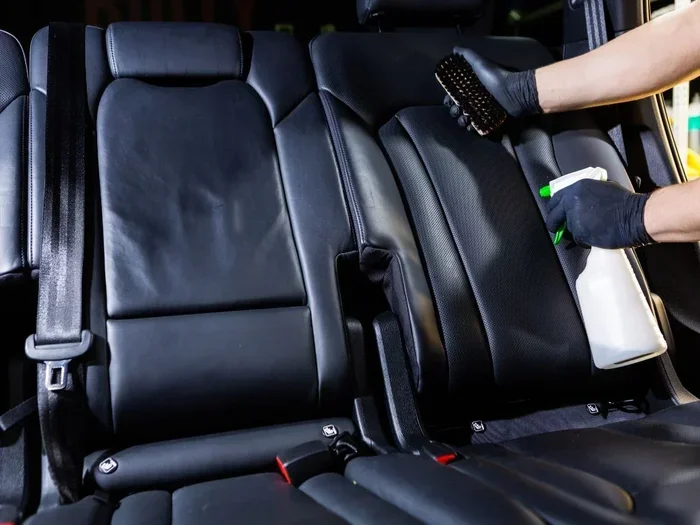
Cleaning leather seats properly is simple when you follow the right steps. Here’s a foolproof method you can use every month:
- Vacuum the seats: Remove loose dirt and crumbs with a soft brush attachment.
- Prepare your cleaner: Use a pH-balanced leather cleaner or the DIY solution I shared.
- Test on a hidden area: Spray a tiny amount on the back of a seat or under the armrest. Wait 10 minutes and check for any discoloration.
- Apply the cleaner: Spray a small amount onto a microfiber cloth. Never spray directly onto the leather; excess moisture can seep into the seams.
- Wipe gently: Use circular motions to lift dirt. Don’t scrub hard; let the cleaner do the work.
- Wipe off residue: Use a clean, damp cloth to remove any leftover cleaner.
- Dry completely: Allow the leather to air dry. Keep the car out of direct sunlight while it dries.
- Condition the leather: Apply a leather conditioner after cleaning. This restores moisture and adds a protective layer.
Following these steps will keep your leather seats looking new. It takes about 30 minutes for a full set of seats. The key is consistency. Regular cleaning prevents dirt from grinding into the leather. It also lets you spot stains early before they set in. A quick wipe-down with a damp microfiber cloth after spills can make a big difference. This simple habit is the foundation of good automotive leather care.
Quick Tips for Stubborn Stains
Some stains need extra attention. Here are a few quick tips for common problems:
- Ink stains: Use a leather-specific ink remover. Never use rubbing alcohol or Windex; they will spread the ink and damage the leather.
- Food stains: Blot immediately with a damp cloth. Use a small amount of leather cleaner to treat the spot.
- Water stains: These often appear after spills. Gently wipe with a damp cloth and dry with a towel. Condition afterward.
- Scuff marks: A soft eraser made for leather can remove scuffs without chemicals.
Always act quickly when a spill happens. The longer a stain sits, the harder it is to remove. And never use Windex on leather seats as a quick fix for stains. It will only make things worse.
Common Mistakes to Avoid When Cleaning Leather
Using Household Cleaners
It’s tempting to reach for whatever cleaner is under the sink. But household cleaners are not made for leather. Products like Windex, all-purpose cleaners, and bleach can destroy the leather’s finish. They strip the oils and leave the leather vulnerable. Even cleaners labeled “safe for all surfaces” can be too harsh. Always check the label. If it contains ammonia, alcohol, or bleach, put it back on the shelf. Your leather seats deserve a product formulated for them.
Skipping the Conditioning Step
Cleaning without conditioning is like washing your hair without conditioner. The leather might look clean, but it’s left dry and unprotected. Conditioning replenishes the natural oils that cleaning removes. It also adds a layer of defense against UV rays and spills. I recommend conditioning your leather seats every 2 to 3 months. If you live in a dry climate or park your car in the sun often, condition more frequently. A good leather conditioner will keep the seats soft and supple. It also helps prevent cracks and fading. This step is essential for anyone who wants to maintain leather seat care properly.
Using Too Much Water
Another common mistake is soaking the leather with too much water. Leather is porous; excess water can seep through the seams and cause mold or mildew. Always use a damp cloth, not a wet one. Wring out the cloth thoroughly before wiping. If you’re using a spray cleaner, apply it to the cloth first, not directly to the seat. This gives you control over the amount of moisture. After cleaning, blot any excess liquid with a dry towel. Keeping the leather dry is key to preventing damage.
Key Takeaways for Leather Seat Care
- Never use Windex on leather seats: It strips oils and causes irreversible cracking.
- Choose pH-balanced leather cleaners: They clean safely and preserve the finish.
- Always condition after cleaning: This restores moisture and adds protection.
- Act quickly on spills: Quick action prevents stains from setting in.
- Avoid household chemicals: Ammonia, alcohol, and bleach are harmful to leather.
- Protect from sunlight: UV rays cause fading and premature aging.
- Establish a regular cleaning routine: Monthly cleaning keeps leather looking its best.
Expert Tips for Long-Lasting Leather Seat Care
How Often Should You Clean Leather Seats?
Experts recommend cleaning leather car seats at least once a month. If you use the car daily or have kids or pets, you might need to clean them every two weeks. Regular light cleaning prevents dirt from grinding into the leather. It also lets you spot stains early before they set in. A quick wipe-down with a damp microfiber cloth after spills can make a big difference. This simple habit is the foundation of good automotive leather care.
Protecting Your Leather from UV Damage
Sunlight is one of the biggest enemies of leather. UV rays break down the leather fibers and cause fading and cracking. To protect your seats:
- Use a UV-protectant leather conditioner. These products contain ingredients that block harmful rays.
- Park in the shade whenever possible.
- Use a windshield sunshade to keep the interior cool.
- Consider seat covers if you park outside often.
Combining UV protection with regular cleaning will dramatically extend the life of your leather seats. Your leather will stay soft and rich-looking for many years.
Conclusion
So, can you use Windex on leather seats without damaging them? The answer is a clear no. Windex is a glass cleaner, not a leather care product. Its harsh chemicals will dry out your leather, cause cracking, and eventually ruin the seats. The good news is that proper leather care is easy and affordable. You just need the right products and a little consistency. Stick to pH-balanced leather cleaners and gentle DIY solutions. Always condition after cleaning, and protect your seats from the sun. Your leather seats are an investment. Treat them well, and they’ll stay beautiful for the life of your car. Start today by swapping that can of Windex for a proper leather cleaner. Your seats will thank you.
Frequently Asked Questions
Can I use Windex on leather seats in an emergency?
No, even in an emergency it’s risky. Windex strips natural oils and can cause long-term damage. Instead, use a damp microfiber cloth with plain water or a mild soap solution. Blot the spill gently and dry the area thoroughly as soon as possible.
What is the best cleaner for leather car seats?
A pH-balanced leather cleaner specifically designed for automotive leather is the safest and most effective choice. These cleaners are formulated to lift dirt without stripping the leather’s natural oils. Look for products that are ammonia-free and alcohol-free for the best results.
Will Windex damage leather permanently?
Repeated use can cause permanent damage like cracking and fading. Even occasional light use can weaken the leather’s finish over time. It’s still best to avoid Windex entirely and switch to a dedicated leather cleaner to protect your seats.
Can I use Windex on faux leather seats?
Faux leather (vinyl or polyurethane) is more resistant than genuine leather, but Windex can still dry it out over time. The alcohol and ammonia may cause the material to become brittle or discolored. Use a vinyl-specific cleaner for faux leather to keep it looking great.
How often should I condition my leather seats?
Condition your leather seats every 2 to 3 months. If you live in a dry climate or park your car in direct sunlight often, condition more frequently. Regular conditioning restores moisture and creates a protective barrier against spills and UV rays.
Is dish soap safe for cleaning leather seats?
A small amount of mild dish soap in distilled water is a safe DIY option for leather cleaning. Avoid harsh detergents or soaps with strong chemicals. Always follow up with a leather conditioner to replenish moisture and maintain the leather’s softness.