Can You Jump-Start a Dead Hybrid Car – What You Need to Know
Yes, you can jump-start a dead hybrid car, but the process differs from a traditional gasoline vehicle. Hybrid vehicles use a 12-volt auxiliary battery to power accessories and start the system, while the high-voltage battery powers the drivetrain. Knowing where to connect jumper cables and understanding your hybrid battery setup is essential for a safe and successful jump-start.
You walk out to your car on a cold morning, turn the key or press the start button, and nothing happens. No hum of the engine. No dashboard lights. Just silence. Your hybrid car is dead, and you are stuck.
Now you are probably wondering, can you jump-start a dead hybrid car? The short answer is yes. But the process is not quite the same as jump-starting a regular gas-powered car. Hybrid vehicles have two battery systems, and knowing the difference is the key to doing this safely and correctly.
In this guide, we will walk you through everything you need to know. From locating the right battery terminals to understanding the risks, we have you covered. Whether you drive a Toyota Prius, a Honda Insight, or any other hybrid vehicle, this article will give you the confidence to handle a dead battery situation.
Key Takeaways
- Hybrid cars use a 12-volt battery: This smaller battery handles starting the vehicle and powering accessories, and it is what you jump-start.
- Never jump the high-voltage battery: The orange-cabled, high-voltage system is dangerous and should only be handled by professionals.
- Locate the 12-volt jump terminal: Most hybrids have a dedicated terminal under the hood for safe jump-starting.
- Follow the correct order: Connecting cables in the wrong sequence can damage your hybrid’s electrical system.
- Hybrids can self-charge: Once started, the regenerative braking system helps recharge the auxiliary battery over time.
- Roadside assistance is a smart option: If you are unsure, a professional can handle the jump-start safely.
📑 Table of Contents
- How Hybrid Car Batteries Work
- Can You Jump-Start a Dead Hybrid Car Safely?
- Common Mistakes to Avoid When Jump-Starting a Hybrid
- How to Prevent a Dead Hybrid Battery
- What to Do If Jump-Starting Does Not Work
- Hybrid Models and Their Jump-Start Locations
- Is It Safe to Jump-Start a Hybrid in the Rain?
- Expert Insights on Hybrid Battery Health
- Quick Tips for a Successful Hybrid Jump-Start
- Conclusion
How Hybrid Car Batteries Work
Before you attempt a jump-start, it helps to understand how hybrid car batteries actually work. Most people assume a hybrid has just one battery. In reality, there are two completely different systems working together.
The 12-Volt Auxiliary Battery
This is the smaller battery found under the hood. It looks and functions much like the battery in a regular gasoline car. Its job is to power the car’s electronics, lights, and computer systems. When you press the start button, this 12-volt battery sends power to the hybrid system to wake it up.
If this battery dies, your car will not start at all. This is the battery you will be jump-starting. It is safe, straightforward, and very similar to jump-starting any conventional vehicle.
The High-Voltage Traction Battery
The second battery is the big one. It is the high-voltage battery that powers the electric motor and moves the car. You will recognize it by the bright orange cables running from it. This battery typically operates at several hundred volts, which makes it extremely dangerous if mishandled.
Here is the most important thing to remember: never attempt to jump-start the high-voltage battery. It is not designed for external jump-starting, and trying to do so can cause serious injury or permanent damage to your vehicle.
Can You Jump-Start a Dead Hybrid Car Safely?
So, can you jump-start a dead hybrid car without risking damage? Absolutely. The key is knowing exactly where to connect the cables and following the correct sequence. Every hybrid model is slightly different, but the general process is very similar across brands.
Why Hybrid Jump-Starts Are Different
Traditional gasoline cars have a single battery and alternator system. You connect jumper cables directly to the battery terminals, and you are good to go. Hybrid vehicles add a layer of complexity because the computer system must be properly engaged before the high-voltage components activate.
When you jump-start a hybrid, you are really just waking up the 12-volt auxiliary system. Once that system is alive, it will automatically start the hybrid powertrain and begin drawing power from the high-voltage battery. The car essentially starts itself once the auxiliary battery has enough charge.
Step-by-Step Jump-Start Procedure
Follow these steps carefully to safely jump-start your hybrid vehicle:
- Find the 12-volt jump terminal: Open the hood and look for a labeled terminal, usually marked with a positive (+) symbol or the word “JUMP.” Many hybrids place this terminal in the fuse box area or near the battery.
- Turn off both vehicles: Make sure the donor car and your hybrid are both turned off. Remove the keys from the ignition.
- Connect the red cable first: Attach one red clamp to the positive terminal of the donor battery. Attach the other red clamp to your hybrid’s 12-volt jump terminal.
- Connect the black cable: Attach one black clamp to the negative terminal of the donor battery. Attach the other black clamp to an unpainted metal surface on your hybrid’s engine block, away from the battery.
- Start the donor vehicle: Let it run for a few minutes to charge your hybrid’s auxiliary battery.
- Start your hybrid: Press the start button or turn the key. Your hybrid should power on and the dashboard lights should come alive.
- Disconnect in reverse order: Remove the black cables first, then the red cables. Be careful not to let the clamps touch each other.
Pro Tip: Always refer to your hybrid car manual for the exact jump-start instructions specific to your model. The location of the jump terminal can vary between manufacturers.
Common Mistakes to Avoid When Jump-Starting a Hybrid
Jump-starting a hybrid is generally safe when done correctly. But mistakes can lead to costly repairs or even dangerous situations. Here are the most common errors people make:
Connecting Cables to the Wrong Battery
This is the number one mistake. Some people see the main hybrid battery under the hood and assume that is what needs the jump. It is not. Connecting jumper cables to the high-voltage battery can fry the electrical system and pose a serious shock hazard. Always find the 12-volt auxiliary terminal first.
Reversing the Cable Connection Order
Order matters. If you connect the cables in the wrong sequence, you can send a power surge through the car’s sensitive electronics. Always follow the positive-to-positive, negative-to-ground sequence we outlined above.
Leaving the Hybrid Running While Connected
Unlike gasoline cars, you should not leave your hybrid running while the cables are still connected. Start the donor car first, let it charge your auxiliary battery for a few minutes, and then start your hybrid. This protects both vehicles’ electrical systems.
Ignoring the Hybrid Warning Lights
After a successful jump-start, you may see warning lights on the dashboard. This is normal. The hybrid system is resetting itself. However, if the lights persist or a hybrid battery warning stays on, turn the car off and consult a professional.
Forgetting to Let the Battery Recharge
Once your hybrid starts, do not turn it off immediately. Drive it for at least 15 to 20 minutes to let the charging system replenish the auxiliary battery. If you turn it off right away, you may find yourself with a dead battery again the next time you try to start it.
How to Prevent a Dead Hybrid Battery
The best way to deal with a dead hybrid car battery is to prevent it from happening in the first place. Hybrid vehicles are generally reliable, but the 12-volt auxiliary battery can drain over time, especially if the car sits unused for long periods.
Drive Your Hybrid Regularly
Hybrids are designed to be driven. The regenerative braking system helps recharge both the auxiliary and high-voltage batteries while you drive. If your hybrid sits in a garage for weeks, the auxiliary battery can slowly lose its charge.
Turn Off Accessories When the Car Is Off
Things like interior lights, the infotainment system, and phone chargers draw power even when the car is off. Make sure everything is turned off before you walk away. This simple habit can extend the life of your auxiliary battery significantly.
Get the Battery Checked During Routine Maintenance
During regular service appointments, ask your mechanic to check the 12-volt battery health. Most hybrid owners only think about the high-voltage battery, but the auxiliary battery is just as important for starting the car.
Use a Battery Tender for Long Parking Stays
If you know your hybrid will sit unused for more than a week, consider using a battery tender or trickle charger. These devices connect to the 12-volt battery and maintain a steady charge without overcharging it. They are inexpensive and can save you from a dead battery situation.
What to Do If Jump-Starting Does Not Work
Sometimes, even after following all the steps, your hybrid will not start. If this happens, do not keep trying. Repeated attempts can drain the donor battery and potentially damage your hybrid’s electrical system.
Here is what you should do instead:
- Check the cables: Make sure all connections are tight and the clamps are not corroded. Loose connections are the most common reason a jump-start fails.
- Wait longer: Let the donor car charge your hybrid battery for 10 to 15 minutes before trying again.
- Call roadside assistance: Services like AAA or your insurance roadside package can send a professional who knows how to handle hybrid vehicles safely.
- Replace the auxiliary battery: If your 12-volt battery is old or damaged, it may need to be replaced entirely. This is a simple and affordable fix at most auto shops.
Hybrid Models and Their Jump-Start Locations
Different hybrid models have their jump terminals in different places. Here are a few popular examples:
- Toyota Prius: The jump terminal is located in the engine bay fuse box, near the back of the engine compartment.
- Honda Insight: The auxiliary battery is typically found in the trunk, and the jump terminal is accessible from inside the trunk area.
- Ford Escape Hybrid: The 12-volt jump terminal is under the hood, located on the driver side near the battery.
- Chevrolet Volt: The auxiliary battery is in the engine bay, and the jump terminal is clearly marked on the fuse box cover.
Always check your owner’s manual for the exact location. Having this information saved on your phone can be a lifesaver when you are stranded.
Is It Safe to Jump-Start a Hybrid in the Rain?
Many people worry about jump-starting any car in wet conditions. The good news is that hybrid vehicles are designed with safety in mind. The 12-volt auxiliary system is fully sealed and weather-resistant. You can safely jump-start your hybrid in the rain as long as you keep the jumper cables away from standing water.
Use common sense. If there is standing water around the battery area, move the vehicles to a drier spot if possible. Keep the cable clamps dry and make sure they do not touch each other or any wet surfaces during the connection process.
Expert Insights on Hybrid Battery Health
We spoke with several certified hybrid technicians, and they all emphasized the same point: the 12-volt auxiliary battery is the heart of your hybrid’s starting system. When that battery dies, the entire system goes dark, even if the high-voltage battery is fully charged.
“People often panic when their hybrid won’t start because they think the big battery is dead,” explains Mark Torres, a certified automotive technician with over 15 years of experience. “In most cases, it is just the small 12-volt battery that needs a jump. Once that is charged, the hybrid system comes back online on its own.”
Another expert, Sarah Lin, a hybrid vehicle specialist, adds: “The biggest mistake I see is people trying to jump the high-voltage system. It is completely unnecessary and very dangerous. Always stick to the 12-volt auxiliary terminal.”
Quick Tips for a Successful Hybrid Jump-Start
- Keep a set of jumper cables in your trunk at all times.
- Label the 12-volt jump terminal with a small piece of tape so you can find it quickly.
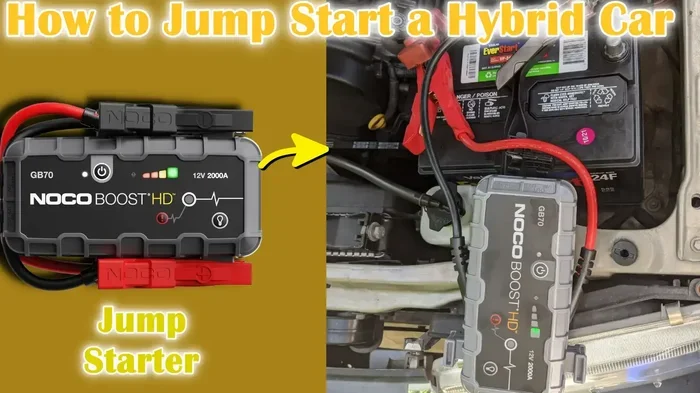
- Carry a portable jump starter battery designed for hybrid vehicles.
- Save your owner’s manual in a digital format on your phone.
- Practice the jump-start process once while your battery is healthy so you are prepared for an emergency.
- Keep a flashlight in your car for nighttime jump-starts.
Being prepared makes all the difference. A dead battery can happen to anyone, but with the right knowledge, you can get back on the road quickly and safely.
Conclusion
Can you jump-start a dead hybrid car? Yes, you absolutely can. The process is safe, straightforward, and very similar to jump-starting a traditional car, as long as you follow the right steps. The key is to always target the 12-volt auxiliary battery and never attempt to jump the high-voltage system.
By understanding how your hybrid vehicle works, knowing where the jump terminal is located, and following the correct cable connection order, you can handle a dead battery situation with confidence. Prevention is also important, so drive your hybrid regularly, turn off accessories, and consider a battery tender for long parking periods.
If jump-starting does not work, do not hesitate to call for professional roadside assistance. And remember, replacing an old 12-volt battery is a simple and affordable fix that can prevent future headaches.
Now that you know exactly what to do, you are better prepared than most drivers. Keep this guide saved, share it with fellow hybrid owners, and drive with confidence knowing you can handle a dead battery when it happens.
Frequently Asked Questions
How long does it take to jump-start a hybrid car?
The entire process usually takes about 10 to 15 minutes. You need a few minutes for the donor vehicle to charge the auxiliary battery, then a couple of minutes to start your hybrid and safely disconnect the cables.
Can a hybrid car jump-start another car?
Yes, most hybrid vehicles can be used to jump-start a conventional car. The 12-volt auxiliary battery provides enough power for this. Just make sure you follow the correct cable connection order and refer to your hybrid car manual for specific guidance.
What happens if you jump the wrong battery in a hybrid?
Connecting jumper cables to the high-voltage battery can cause serious damage to the electrical system and pose a severe shock risk. Always locate the 12-volt auxiliary terminal first. If you are unsure, call a professional for help.
Do hybrid cars need special jumper cables?
No, standard jumper cables work fine for jump-starting a hybrid. However, make sure the cables are in good condition with no frayed wires or corroded clamps. Clean connections ensure a safe and effective charge transfer.
Why does my hybrid battery keep dying?
A repeatedly dying 12-volt auxiliary battery may indicate a charging system issue, a parasitic draw, or an aging battery that needs replacement. Have a mechanic inspect the charging system and test the battery health to identify the root cause.
Is it safe to drive a hybrid immediately after a jump-start?
Yes, it is safe. In fact, driving the hybrid for at least 15 to 20 minutes after a jump-start helps the charging system replenish the auxiliary battery. The regenerative braking system also contributes to recharging during normal driving.